|
|

 Dynastic rivalry ... and the call for church reform Dynastic rivalry ... and the call for church reform  Luther Luther  Calvin's Geneva Calvin's Geneva  The Catholic Counter-Reformation The Catholic Counter-Reformation The Religious Wars The Religious WarsThe textual material on this webpage is drawn directly from my work America's Story – A Spiritual Journey © 2021, pages 39-43. |
|
|
Ferdinand II of Aragon Isabella I of Castile Christopher Columbus This discovery would ultimately inspire Spanish adventurers to head to this new land (given the name "America") – when rumors of vast quantities of gold were soon verified with the discovery – and plunder – of both Mexico and Peru (early 1500s).
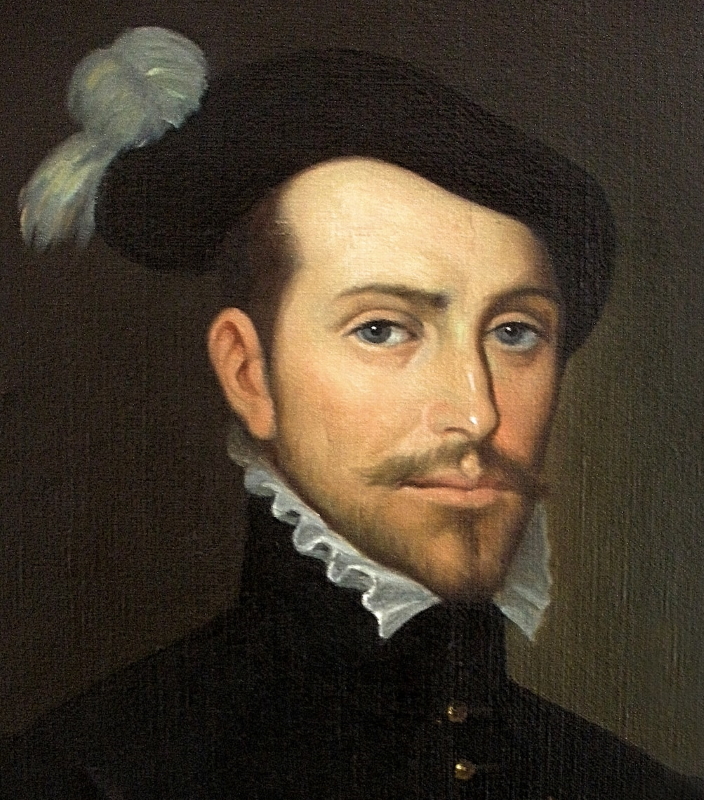
Hernán Cortés
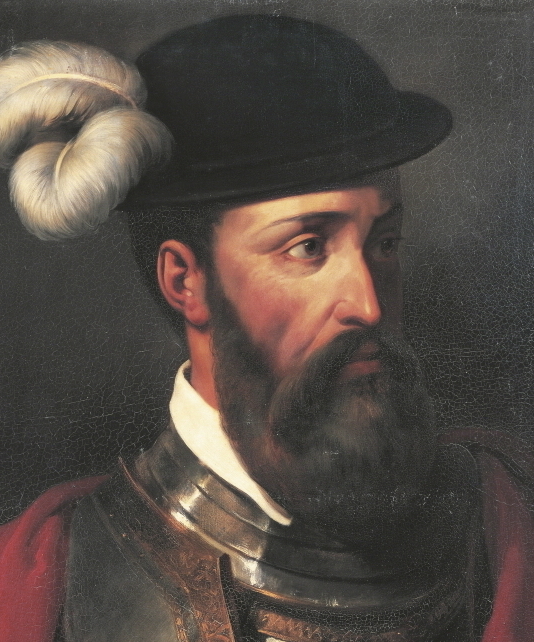
Francisco Pizarro Spanish conqueror of Mexico Spanish conqueror of Peru At
this point the Spanish Habsburg dynasty (actually originally Dutch) loomed far
above all other European dynasties (the Valois of France and the Tudors of
England, for example) in wealth and thus also power. Habsburg Spain would in fact continue to
dominate Europe totally during the 1500s – thanks to this huge flow to Spain of
plundered American wealth in gold and silver. [1]Actually, before even reaching the lands of the East (India
principally), the Portuguese had become quite wealthy in acquiring African gold
and slaves. |
|
|
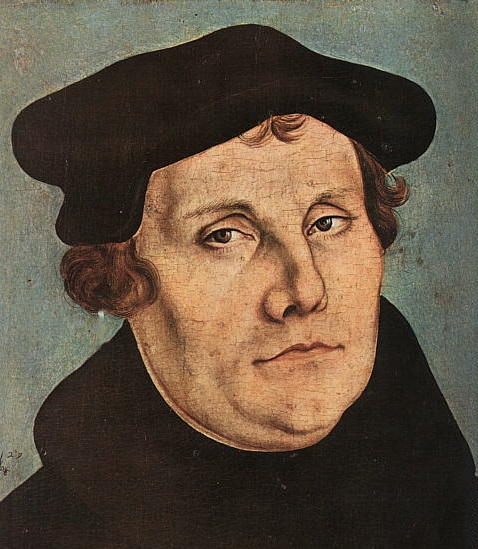
Luther was so bold as to challenge
the Church publicly to return to the original ways of Biblical Christianity –
which Christians were taking a new interest in (the Bible was just coming into
massive publication thanks to the recent invention of the printing press). This was a serious challenge to the
traditional authority of the Church – presided over by the Pope but defended
also by the ruling dynasties of Europe, pledged to defend that Christian faith
– not only against Muslims beyond the Church but against heretics within the
Church itself.
Foremost
in answering this responsibility as Defender of the Faith was the very wealthy
and very powerful Charles of Habsburg, King of Spain, but also Holy Roman
Emperor – actually mostly just an honorific position as feudal lord of the
Germanic lands of central Europe. But Luther found support in his challenge
to the Roman (or Catholic) Church from a number of princes and dukes of
Northern Germany, feudal lords who chafed at Charles of Habsburg's imperial rule
over their German lands. And thus,
because of that support, Charles was not able to silence this Christian rebel.
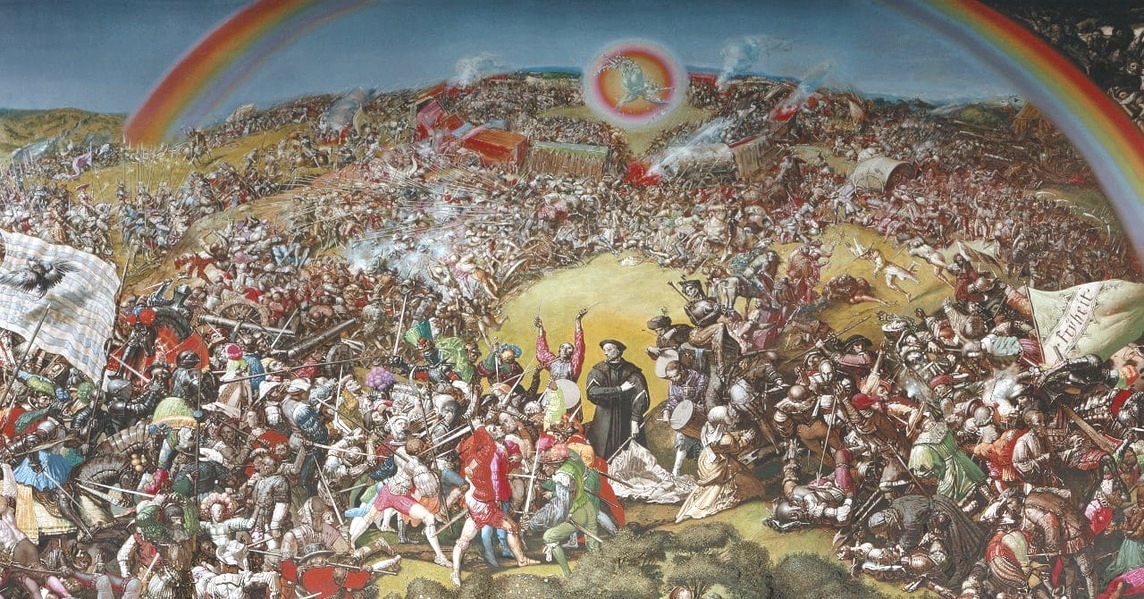
The Battle of Frankenhausen - May 15, 1525 [2]In his Wider die Mordischen und Reubischen Rotten der Bawren [Against
the Robbing Murderous Hordes of Peasants] (1525) he advises the German
princes to take necessary action against the peasants: "Let everyone who can,
smite, slay and stab, secretly and publicly, . . . a poisonous, devilish rebel,
like one must kill a rabid dog." |
|
This spirit of rebellion against the Catholic establishment was
also picked up by the naturally inquisitive leaders of Europe's rising merchant
cities, a highly literate group fully capable of looking on their own into this
religious question unleashed by Luther – through a careful reading of
the newly printed Bibles that had recently begun to be translated from the
Latin into their national languages – something outlawed by the Church, which
claimed that only trained priests were qualified to understand the Bible
correctly. But the simple reading of
Scripture by literate urbanites seemed to refute this priestly claim –
supporting Luther's idea of "the priesthood
of all believers." The Catholic ("Universal")
Church was outraged – but the urbanites were delighted – and hungry for more.
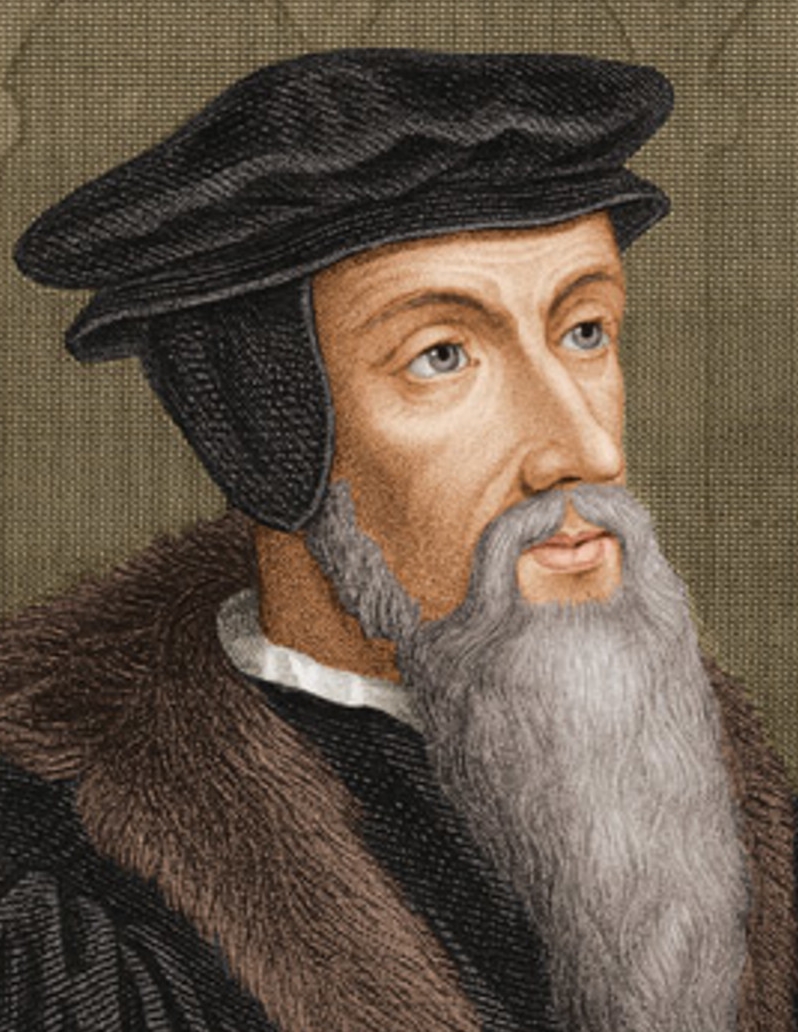
On a
second attempt, Calvin's Christian theological and
social reforms began to take hold in Geneva. And Calvin's Genevan reforms went well
beyond Luther's, focused not just on the
reform of the Christian doctrine according to 1st century standards, but also
on calling all members of the Genevan community to strive to live and work
together even in their daily lives in accordance with the social standards of
first-century Christianity, when Christians took on not only society's
theological challenges, but also its political, economic and social challenges
as well, as a key part of the Christian life. In this, Calvin also stressed the idea of equally
important service to society on the part of all of its members, because he
understood that all people – although called to different tasks in life – were
fully equal in the eyes of God – and thus must be also be treated with equal
respect in their mutual service to the community. Even their social leaders were simply
servants, not masters of society, elected to office to work in accordance with
the will of the community itself. Calvin's reforms shook the feudal
world with this idea of a basic human equality which placed on everyone's
shoulders (including the elected officers of the community) the mutual
responsibility of seeing that society lived, in all its ways, according to God's
Biblical standards. Calvin's reforms consequently
directed Christian society to be a community of self-governing individuals,
living together in a mutually interdependent manner – powerfully so because
their work together was guided and strengthened by the Holy Spirit. Calvin's Genevan Reformation thus not
only put forth Church-shaking "Reformed" theology, it presented an
actual demonstration of revolutionary social philosophy in action.
[3]This work underwent numerous editions, increasing in coverage with
each new issue, from a single volume of six chapters in 1536 ultimately by 1559
to four volumes of 80 chapters, indicative of his own development as a
scholar-teacher. |
|
|
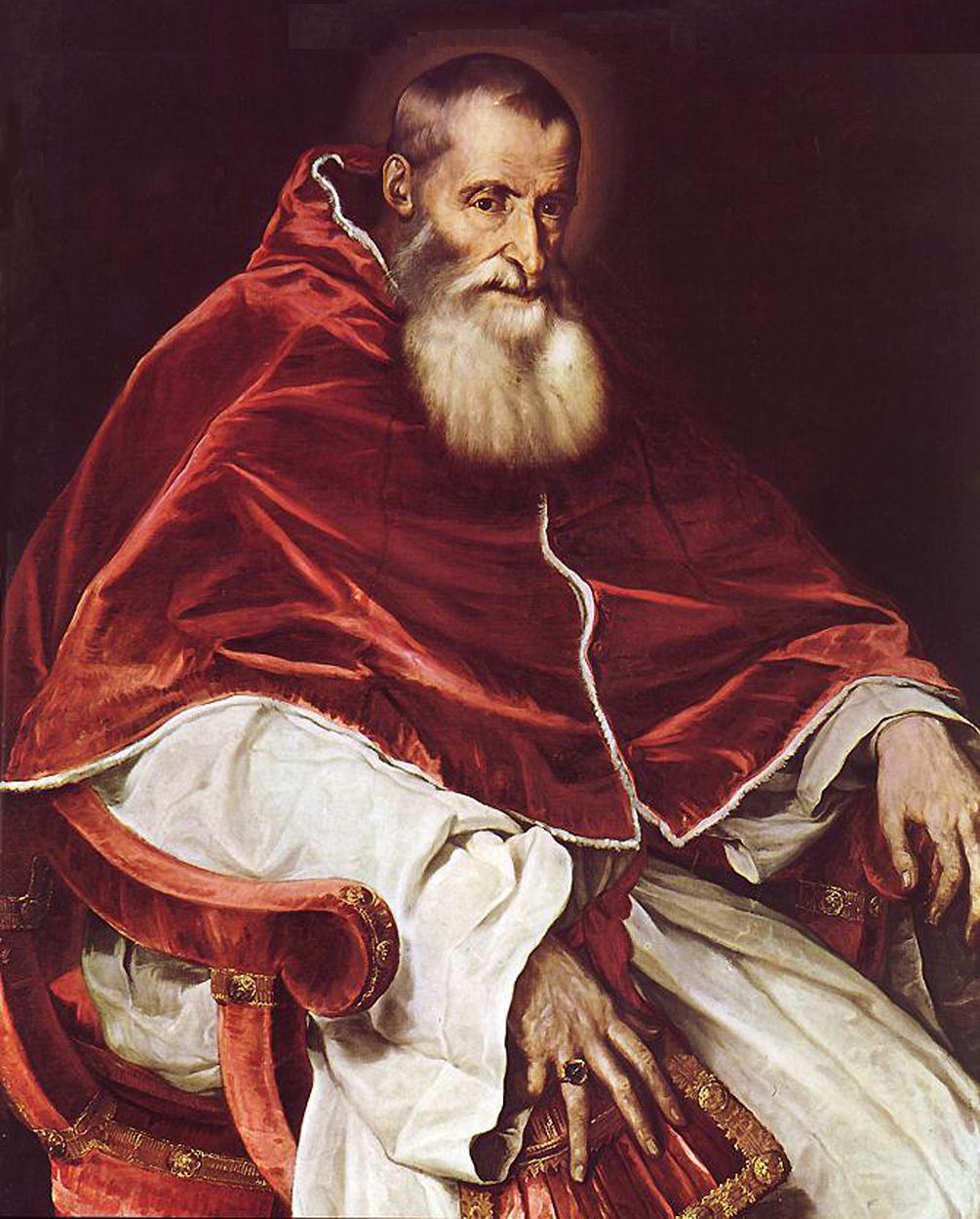
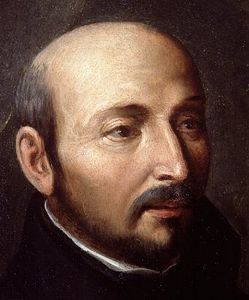
Finally, a Catholic Church Council was held at the city of Trent where, from 1545 to 1563, efforts were made to answer the Protestant challenge, in particular by tightening up church discipline, both theologically and politically. Besides trying to reinvigorate Catholic spiritualism, the decision was made to hunt down Protestant heretics and force their reconversion, or, alternatively, their exile – or even death – with the Spanish Inquisition (which had already gone after Spanish Jews and Muslims) leading the way. |
|
|
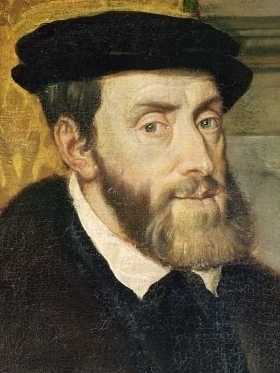
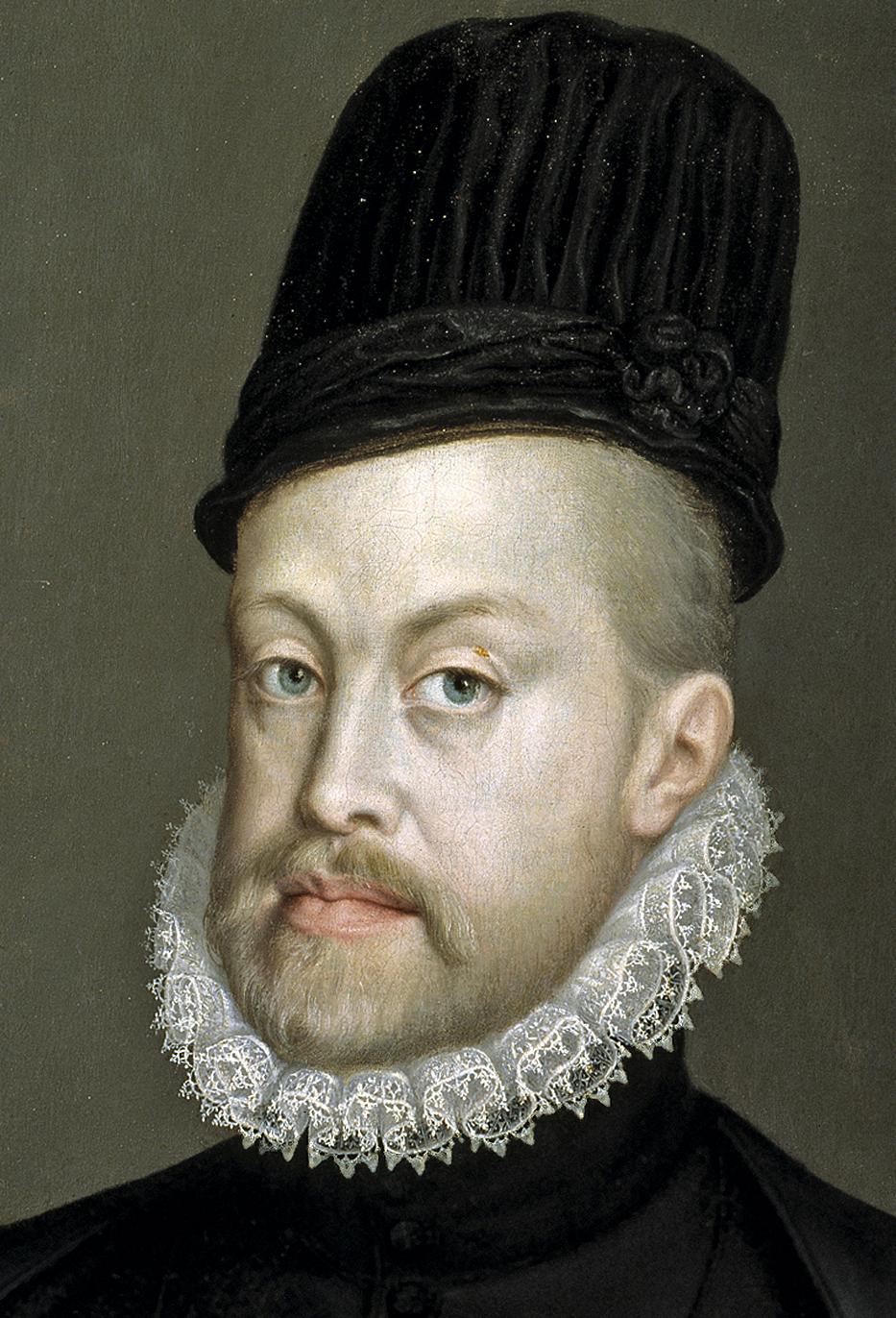
At this point Europe was being deeply shaken as kings and princes of the old Catholic feudal order joined the Roman Church to fight an expansive Protestantism. Leading in this as the supreme Defender of the "True" (Catholic) Faith was Holy Roman Emperor and Spanish King Charles (ruling during the first half of the 1500s) and then his son Philip II (ruling Spain during the second half of the 1500s).
Charles
I
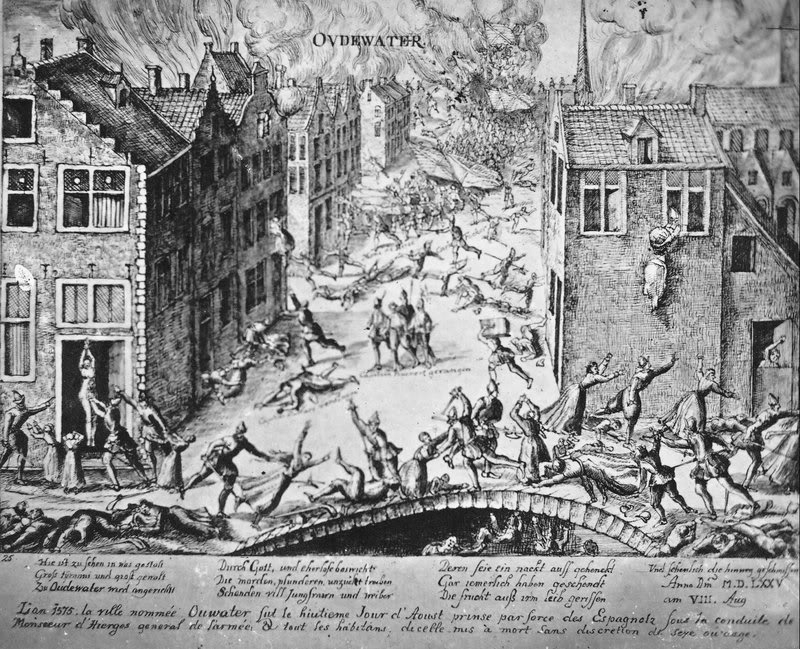
Philip II They fought Protestantism fiercely, Philip unleashing his mighty armies on his cousins in the Habsburg's Dutch homeland – forcing the southern Dutch, the Flemish, back into the Catholic fold. But try as he might, he could not bring the Calvinist northern Dutch of Holland to the same result.
The Spanish slaughter of the Dutch citizens of
Oudewater The town of Oudewater was conquered by the Spanish on 7 August 1575, and most of its inhabitants were killed. 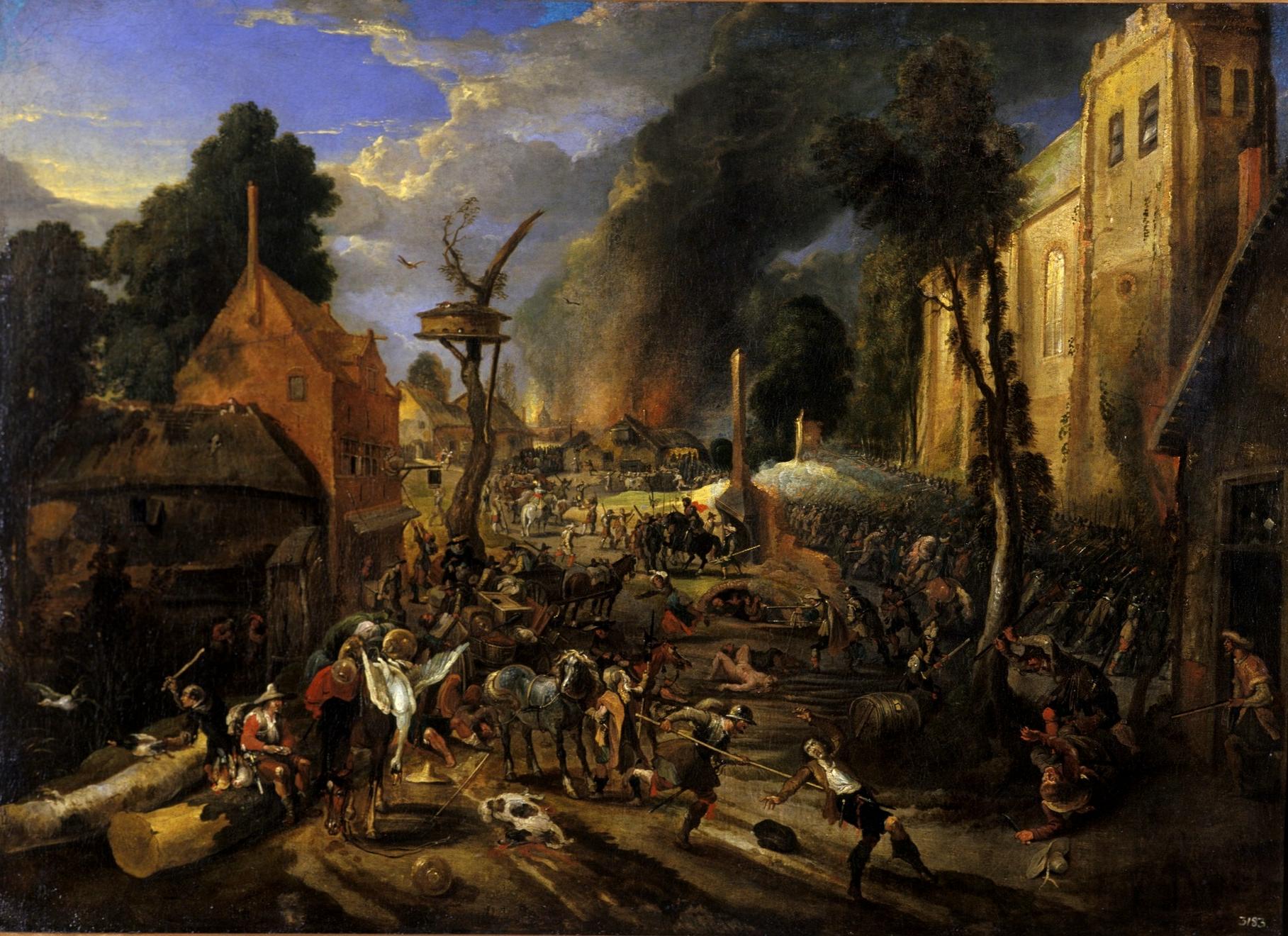 Pieter Snayers – A Spanish attack on a Flemish village Gotha, Friedenstein Castle Museum
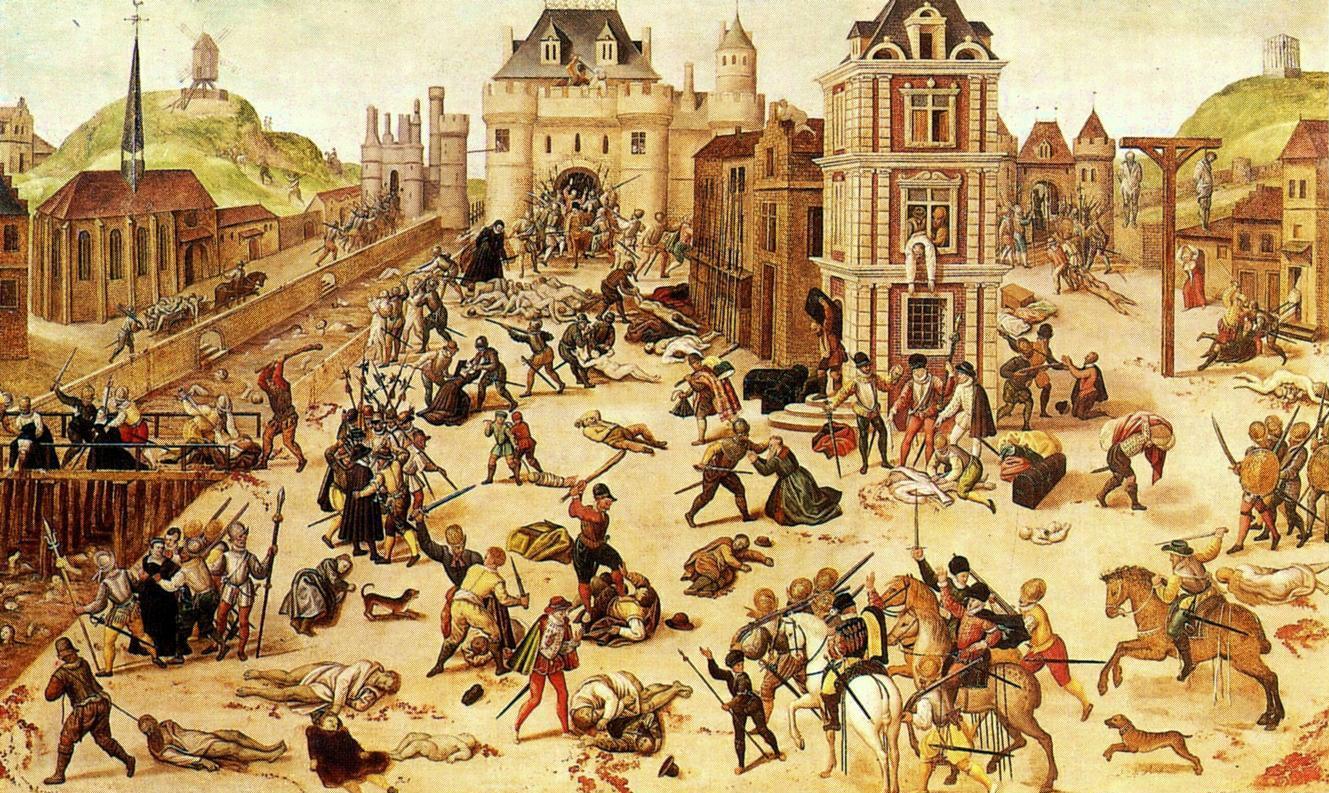
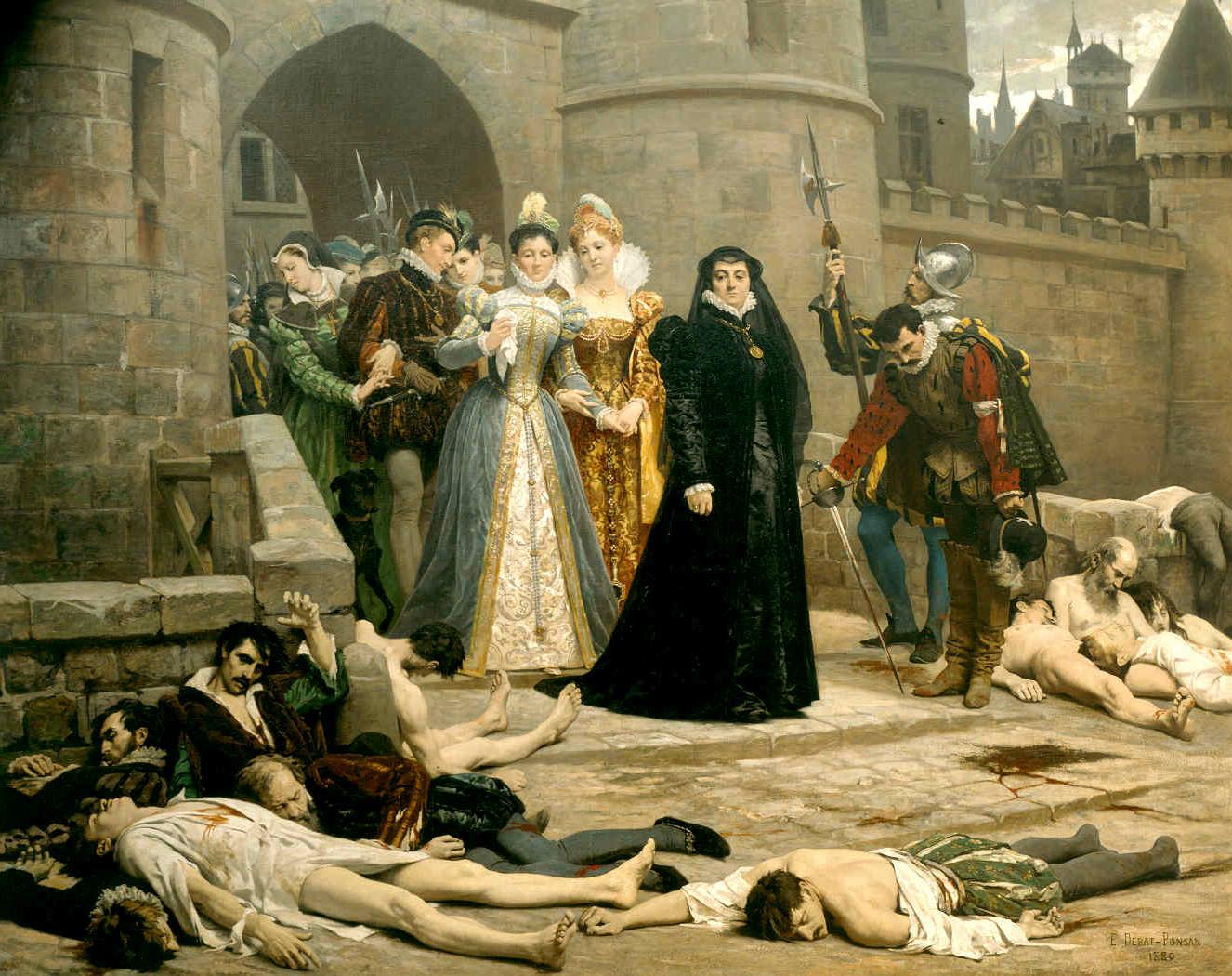
An Eyewitness Account of
the Saint Bartholomew's Day Massacre, 24 August 1572
A morning before the Gate to the
Louvre - by Édouard
Debat-Ponsan (1880) By
the early 1600s, Europe was caught up in full war between Catholics and
Protestants, these wars becoming incredibly bloody, especially in the years
1618-1648 (thus termed the "Thirty Years' War"). Finally in 1648, a religiously exhausted
Europe came to an agreement (the Treaty of Westphalia) to simply recognize that
further bloodying of the continent was not going to change the religious
profile any. It was agreed that certain
areas would henceforth simply be recognized as fully Catholic and others as fully
Protestant. It was time to move on. |
 Miles
H. Hodges
Miles
H. Hodges