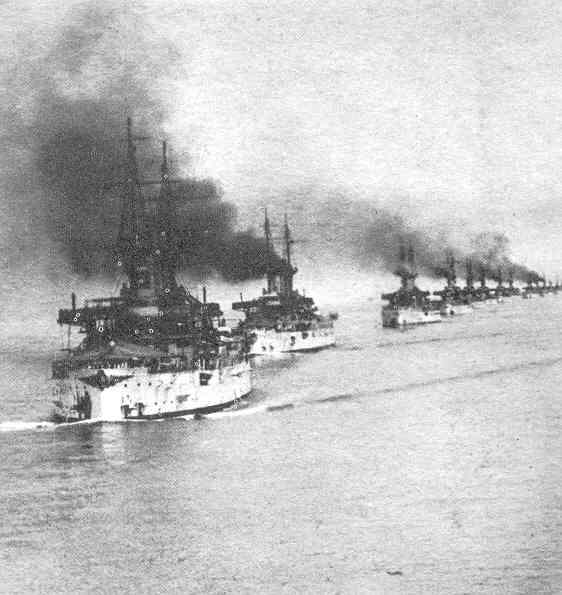
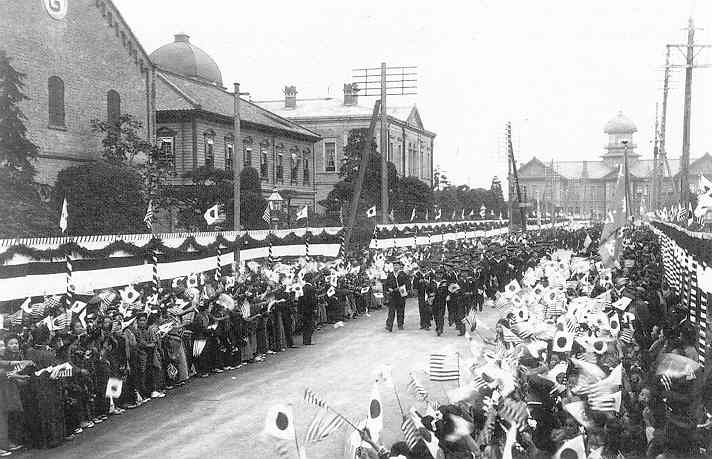
Imperialism abroad (dominating weak societies overseas) is another
such means of solidifying national pride.
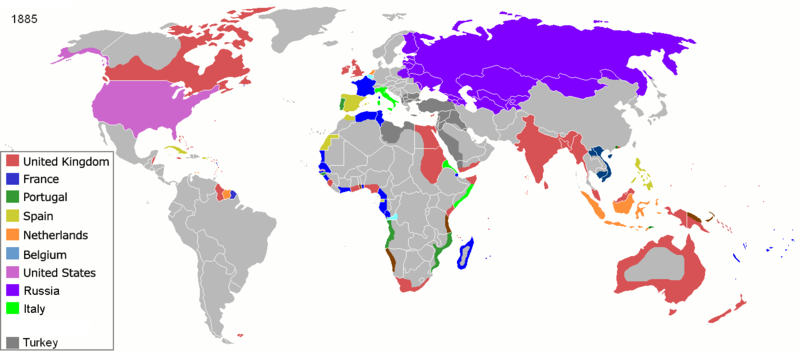
The Spread of the West's Empires
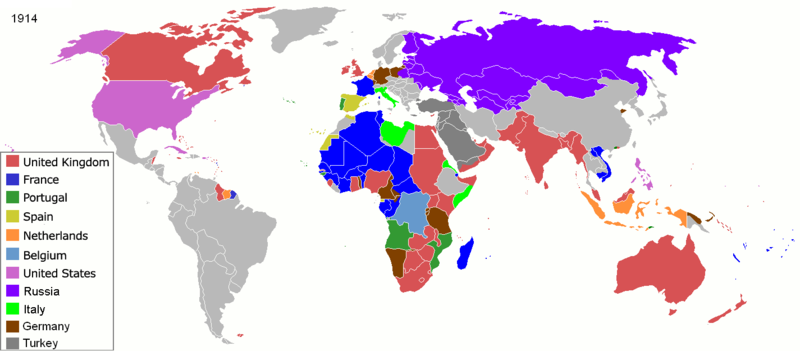
For the British, such imperialism would develop out of the commercial
expansion of the various trading companies that began to appear in the 1500s
and early 1600s – similar to the Virginia Company that launched English
expansion into North America. The
English had taken an early interest – along with the Italians, Portuguese and
the Dutch – in expanding their business operations eastward, for instance
forming the Muscovy Company in 1555 in the search for a Northwest Passage to
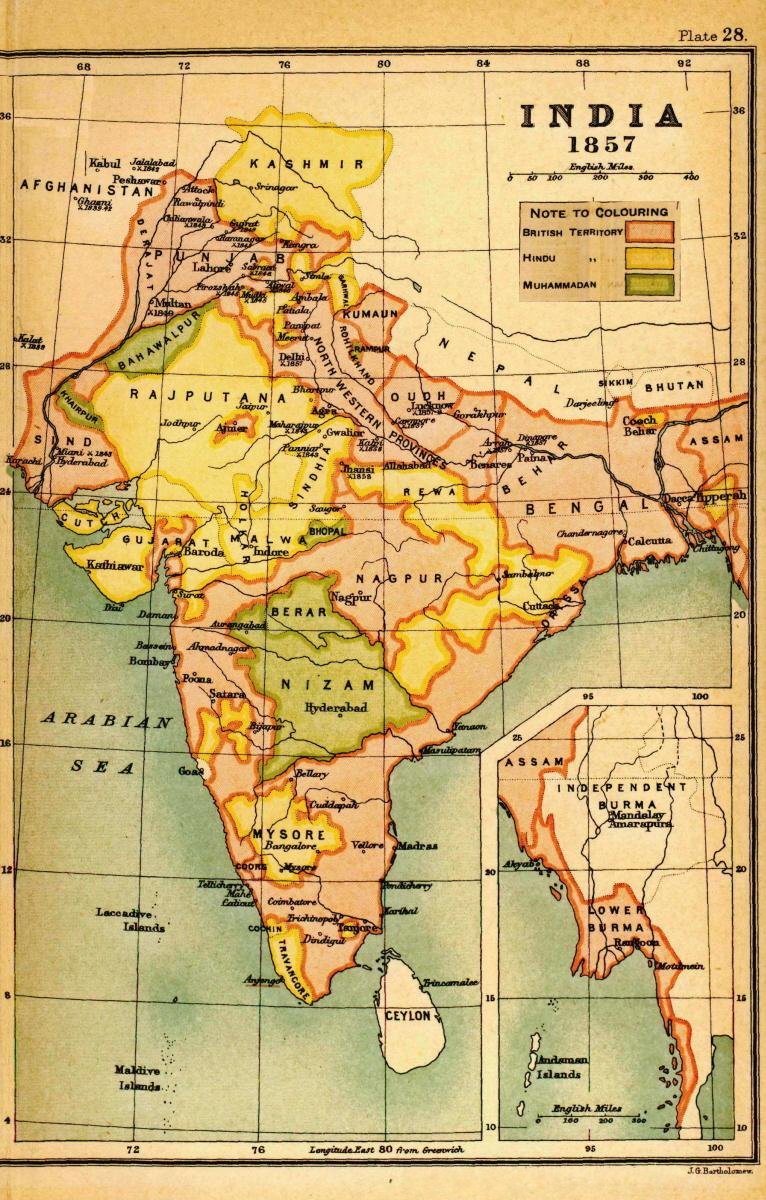
the wealth of the East – and at least to trade in Russian goods. An even bigger venture was the English East
India Company, formed in 1600 to gain the wealth in trade with India and
Southeast Asia. In this the Company
became deeply involved in the internal political affairs of the Indian
subcontinent – the natural competition among India's rajas (princes or kings)
inviting English alliances here and there.
The English, seeing also the Portuguese, Dutch and then also the French
getting involved in India, began to take the attitude that India was their turf
– and moved to secure the English presence there all the more tightly.
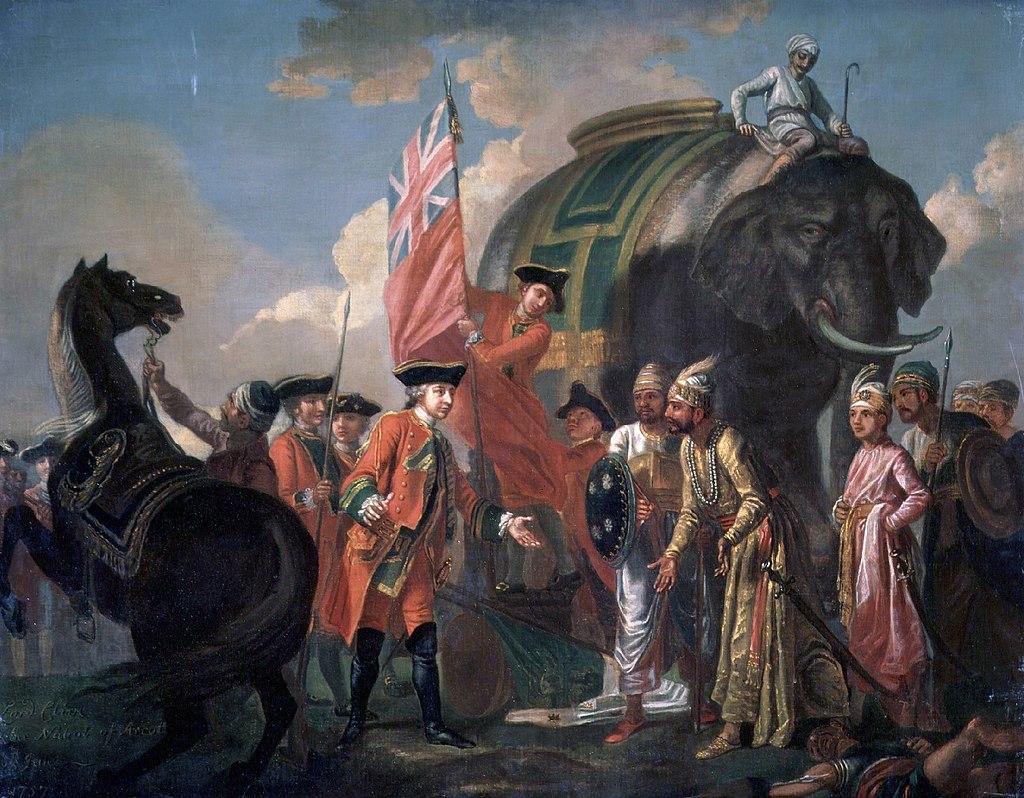
Robert Clive meeting with the Indian Nawab's commander,
Mir Jafa, after the Battle of Plassey in 1757 ... bringing British
control to Bengal as the beginning of
the British expansion in India
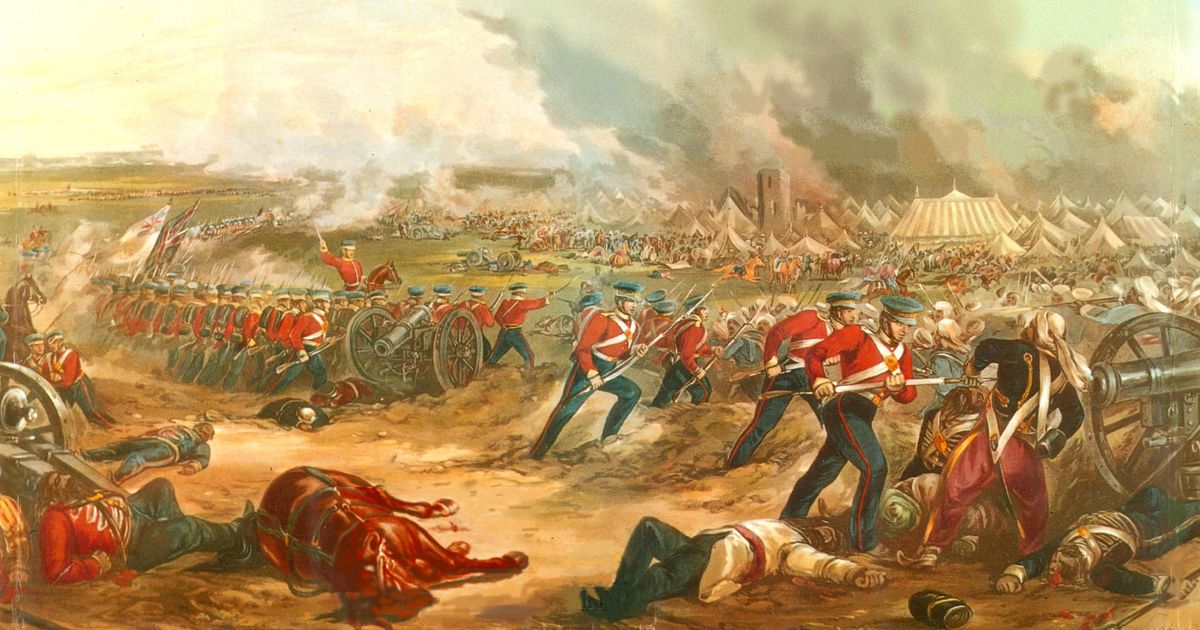
Troops of British East India Company against the troops of the
Sikh Empire at the Battle of Ferozeshah – 1845
By
the mid-1800s the British were very proud of their ever-expanding Empire –
Queen Victoria even taking the title as
Empress of India. But it did not stop
there. The British were also deeply
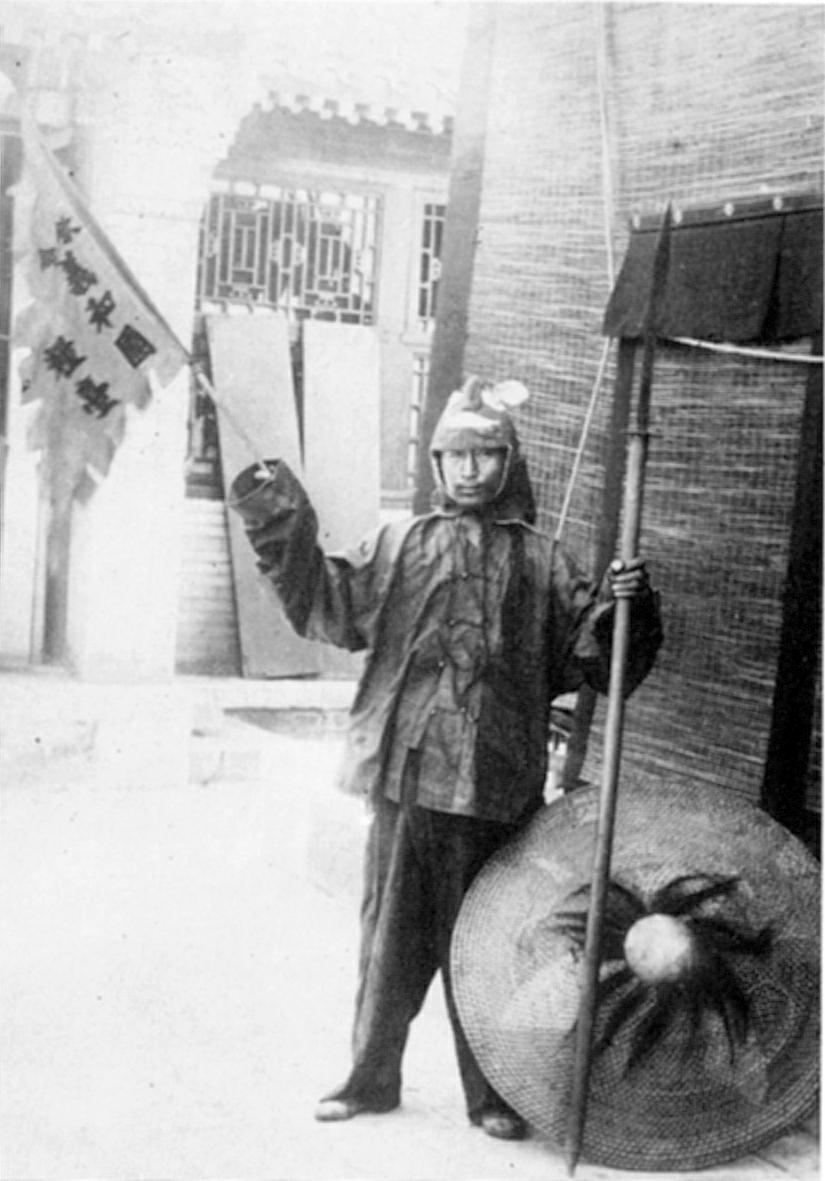
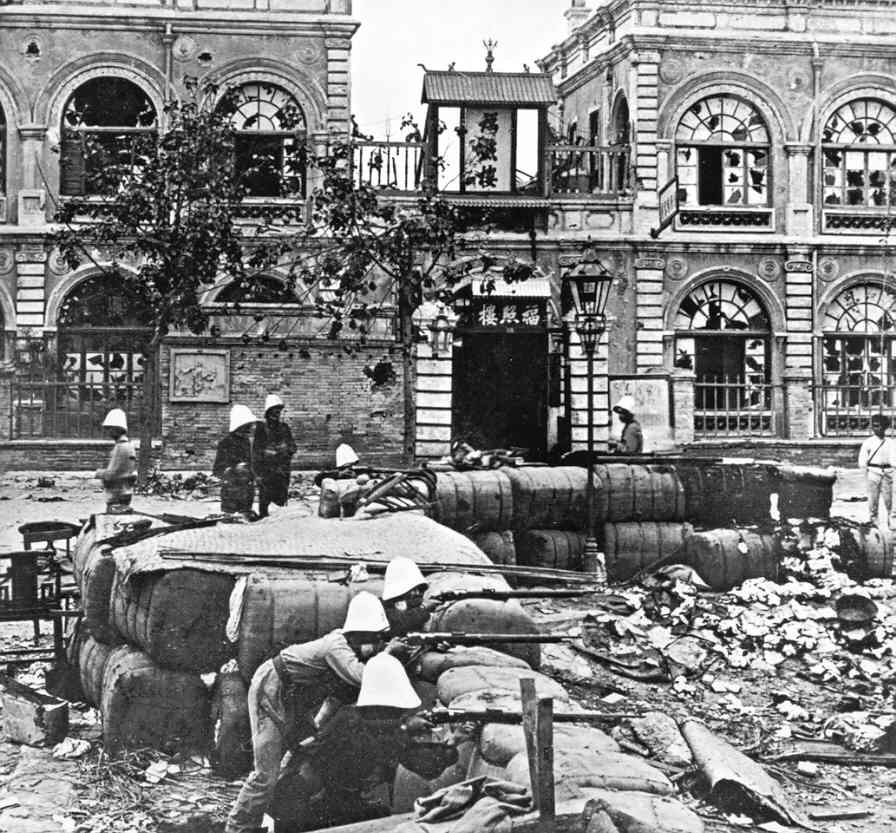
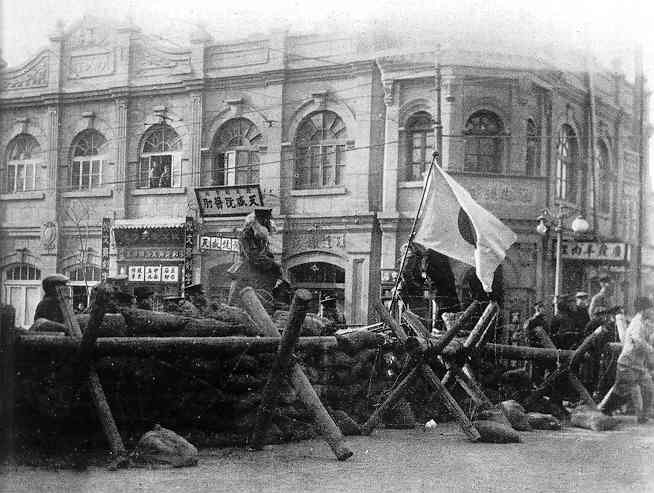
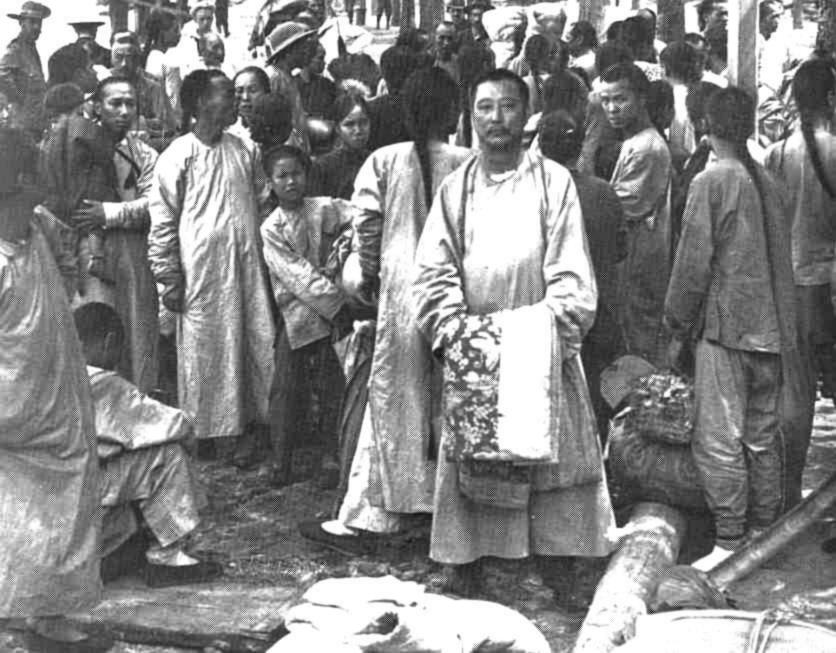
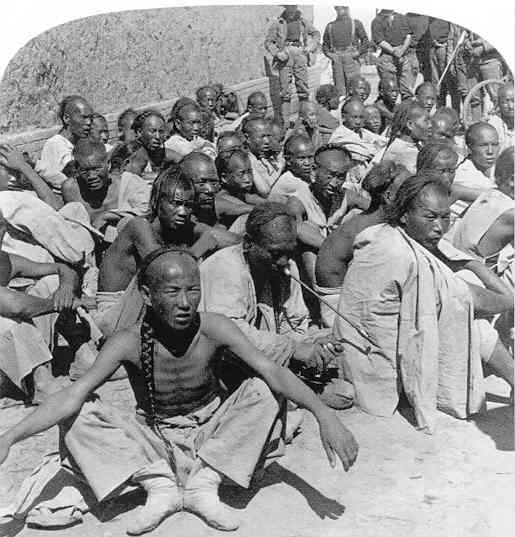
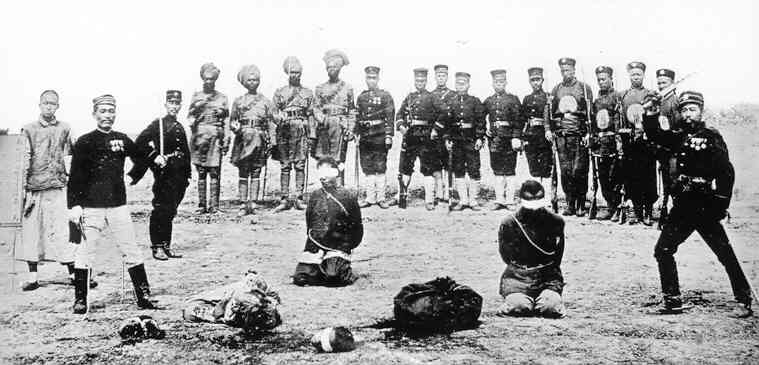
involved in the "opening of China" – for the highly profitable sale
of opium to the vulnerable Chinese.
Then in the latter part of the 1800s the British became very active in
the "opening of Africa" – all in the name of bringing the blessings
of English industrial and financial culture to primitive Africa – a
responsibility the English themselves termed "White Man's burden."
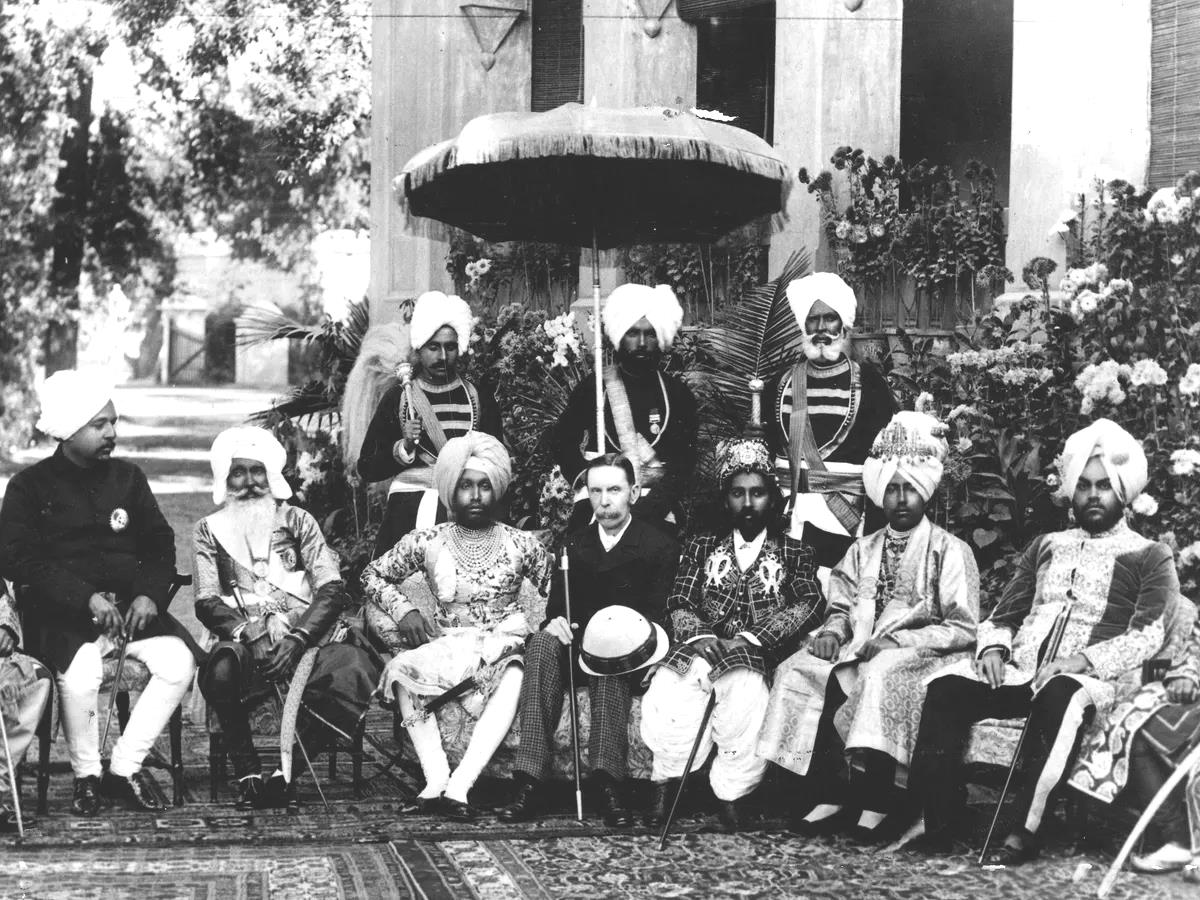
British Lt. General of Punjab taking tea with Punjabi
maharajas and rajas – 1875
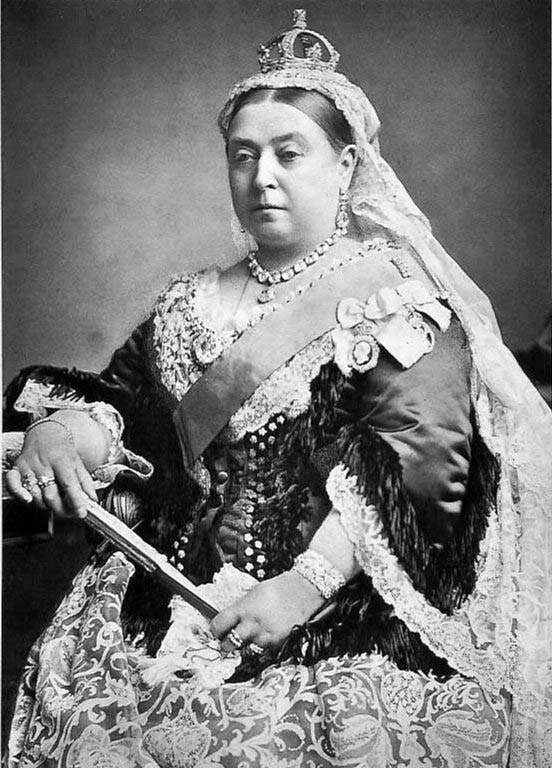
Victoria – Empress of India (1887)
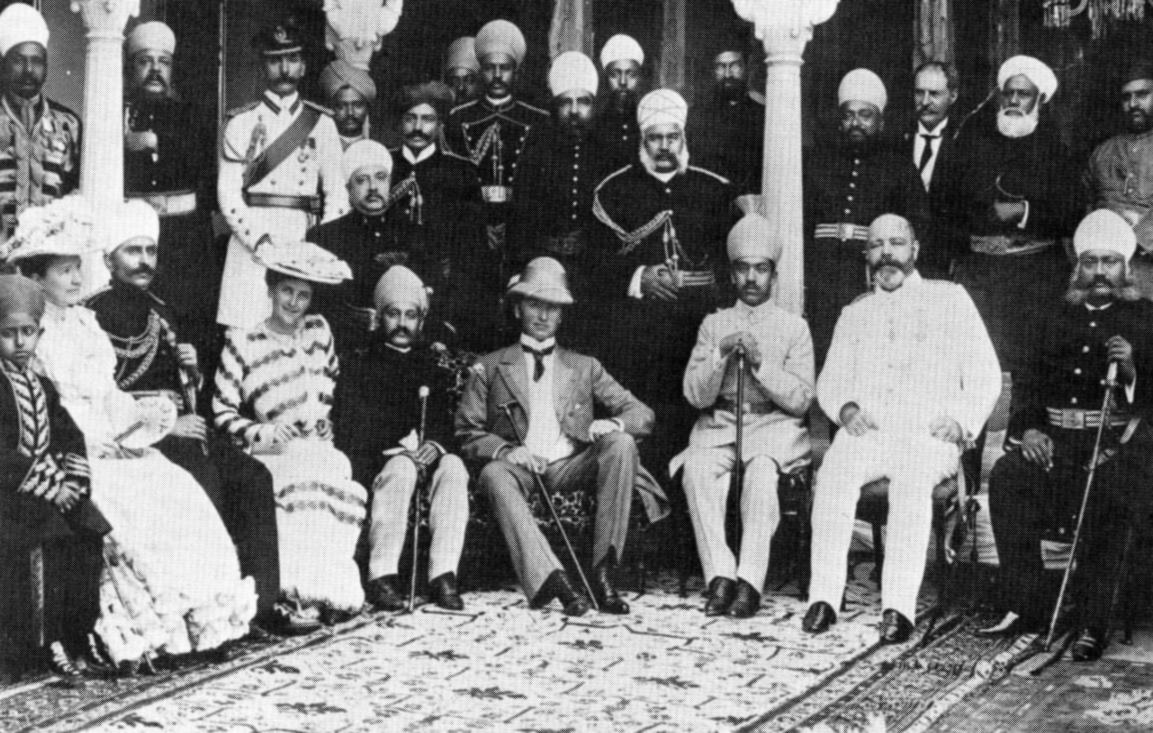
British Viceroy Lord Curzon
and the Nizam of Hyderabad – 1900
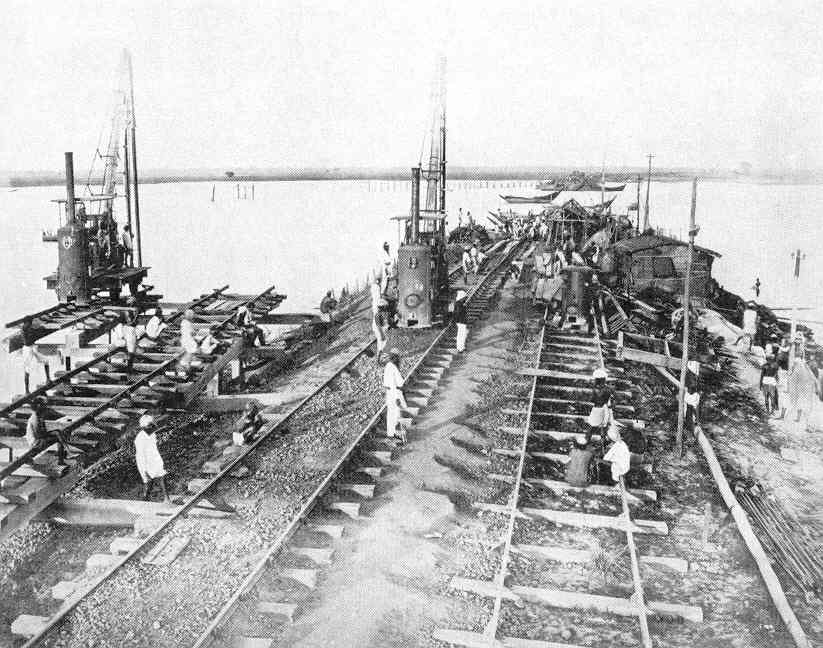
Building the Indian
railway
This certainly justified imperialism by giving it a
very noble character – if you were inclined to believe that destroying the
traditional cultures of non-Westerners in order to introduce "superior"
English ways was well worth the cost in disrupted social orders and destroyed
lives.
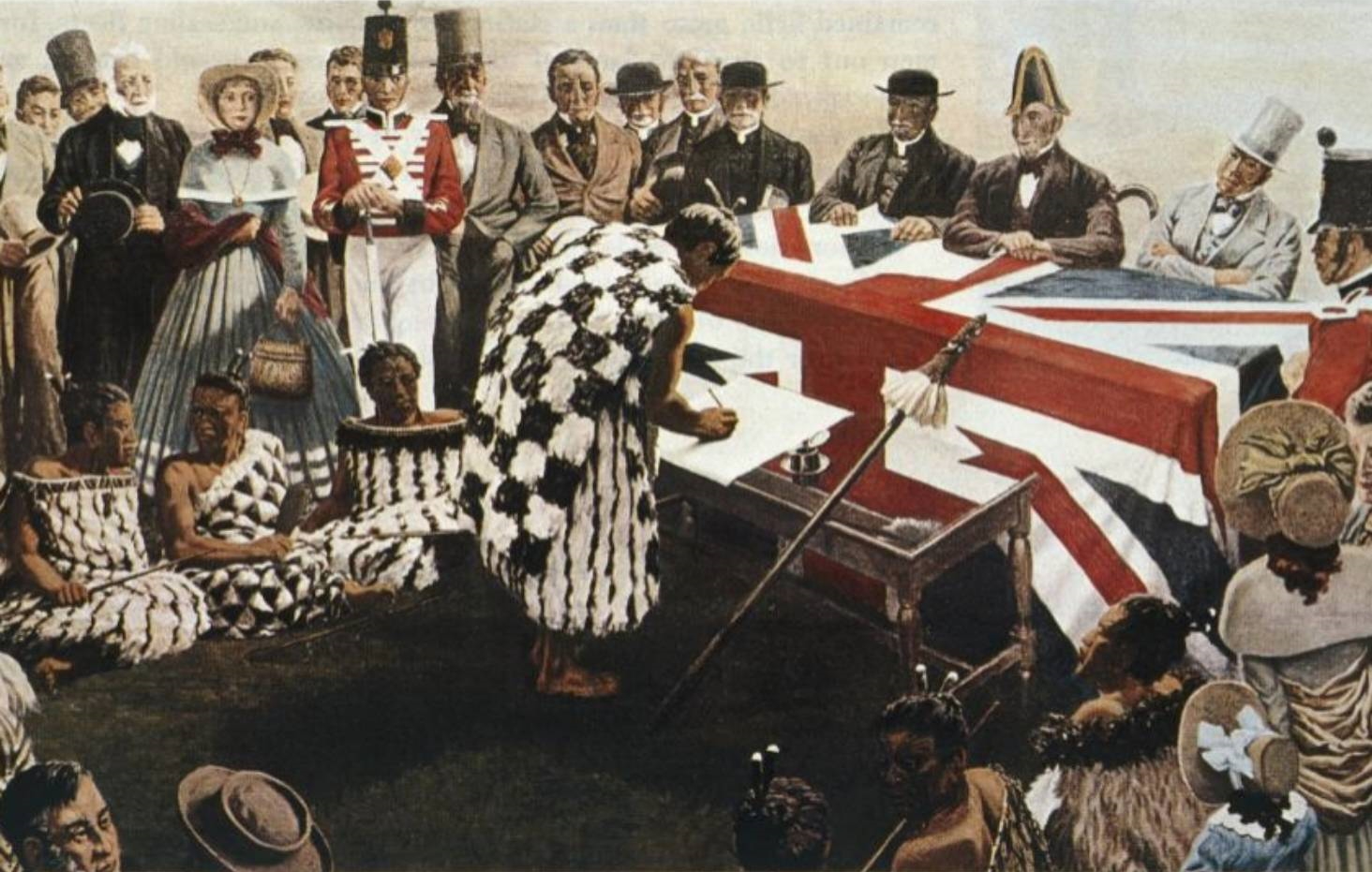
Treaty of Waitangi in 1840 bringing Maori New Zealand
into the British domain
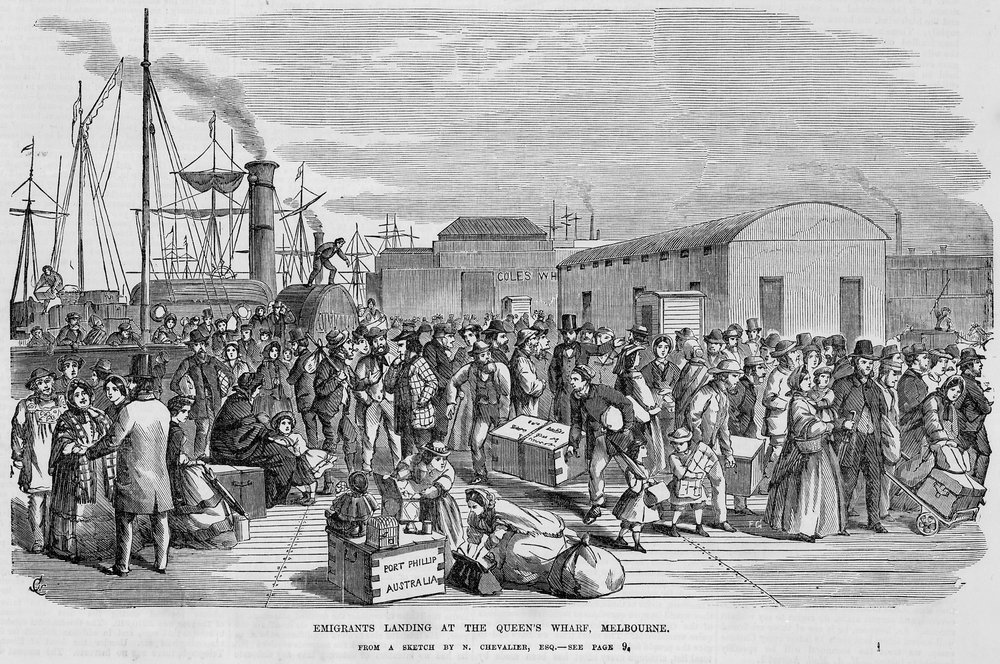
Arrivals to Australia – 1850s
But few questioned the supposed
nobility of British imperialism – at least not until the Boer War in Africa (1900-1902) in which the British
attempt to take over the valuable gold mining in the Boers' (Dutch farmers)
state of Transvaal in South Africa proved to be well beyond any moral
justification – even in the eyes of the British themselves. Although the British won the war, a
widespread moral outrage throughout Europe ultimately forced the British to
have to restore the entire region to the control of the Dutch-descendant South
African Boers or "Afrikaners."[1]
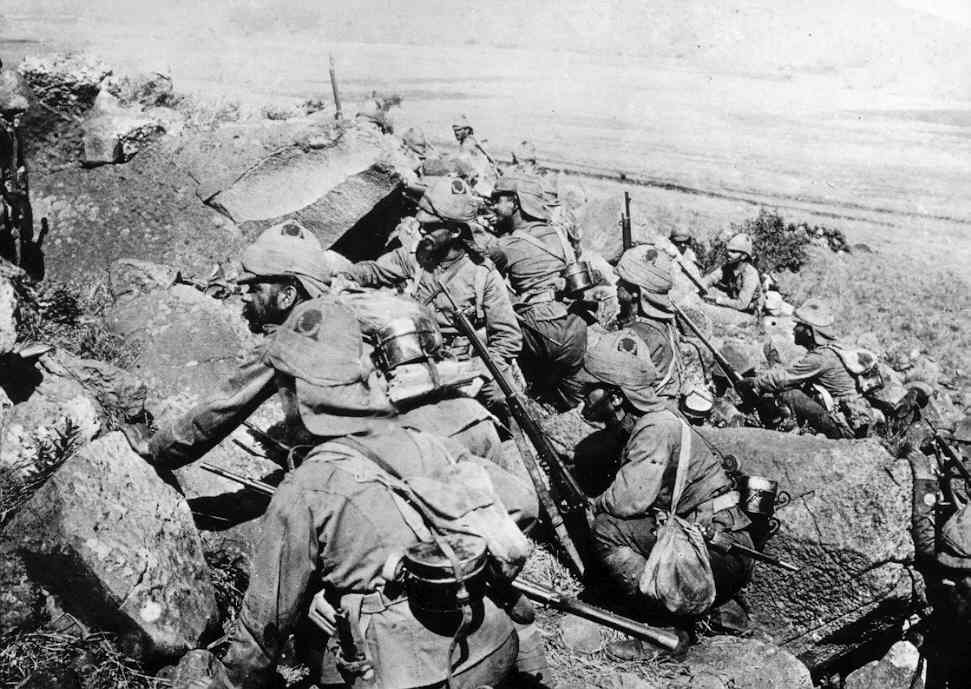
British infantry (some of
the quarter million troops sent to
South Africa to crush Boer independence)
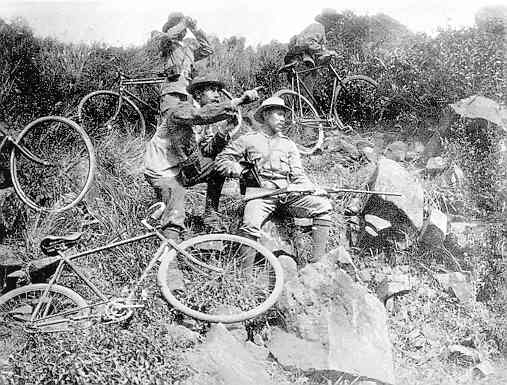
Boer infantry on
bicycles
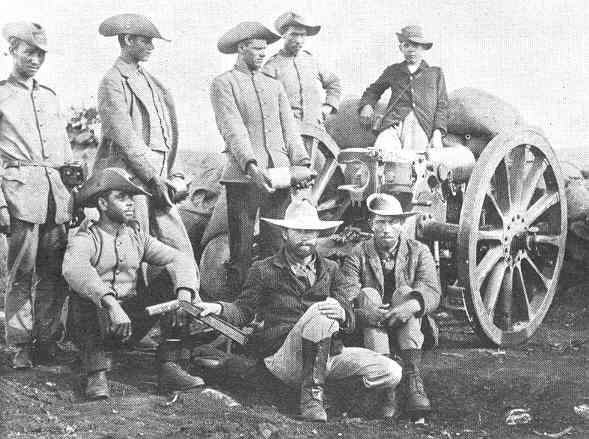
Boer commandos
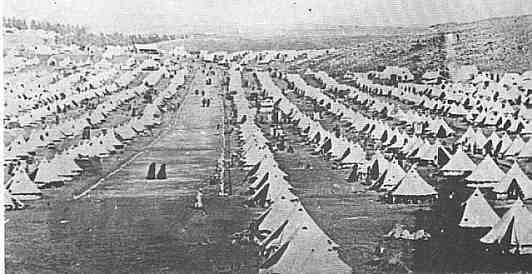
A
British concentration camp during the Boer War ...
where Boer
families were put under British control
as a means of undercutting Boer
resistance
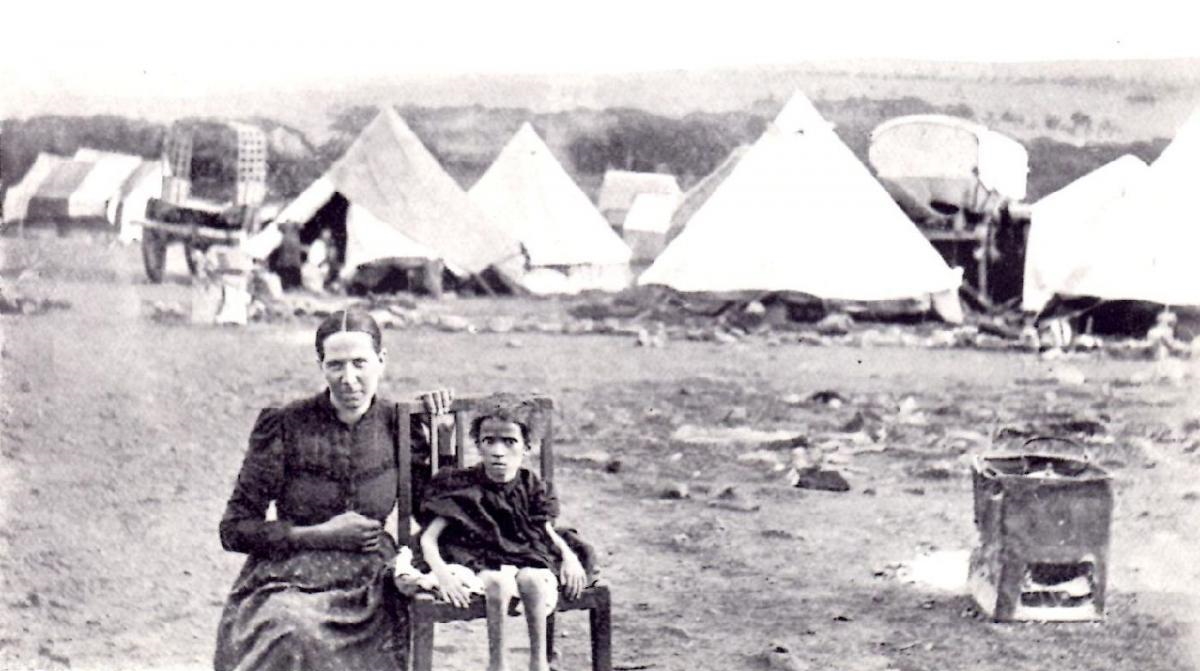
Boer life in a British concentration camp ... in which Boer
women
and children died in massive numbers from hunger and disease
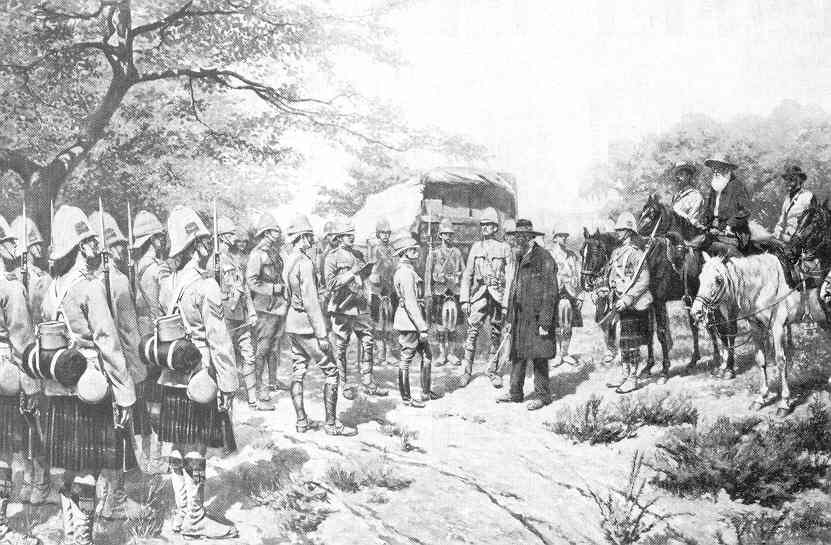
Boer General Cronje's surrender
to the British – May 1912. But
the victory brought not honor but instead deep shame to Britain.
[1]These Dutchmen were "Africans" in the same way that Anglos
had come to America and become "Americans", both events in America
and South Africa first occurring as far back as the 1600s.

 American nationalism
 Directing the matter abroad
 British imperialism
 French imperialism
 America's position on the matter
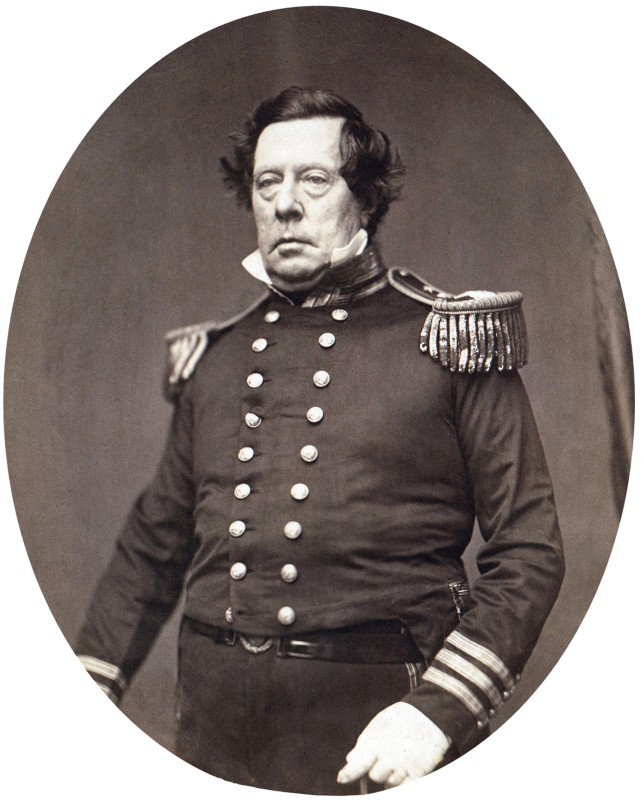
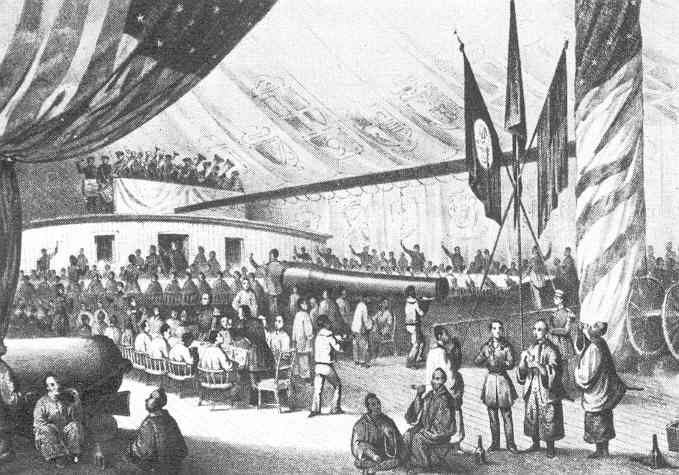
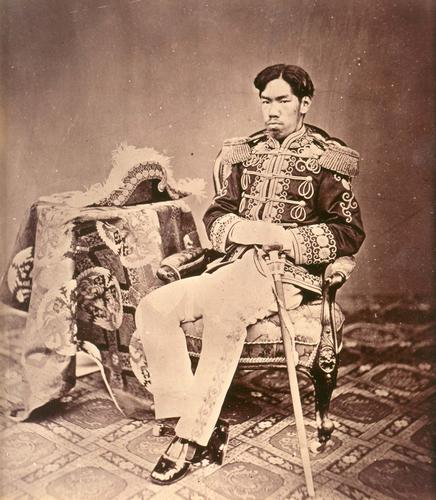
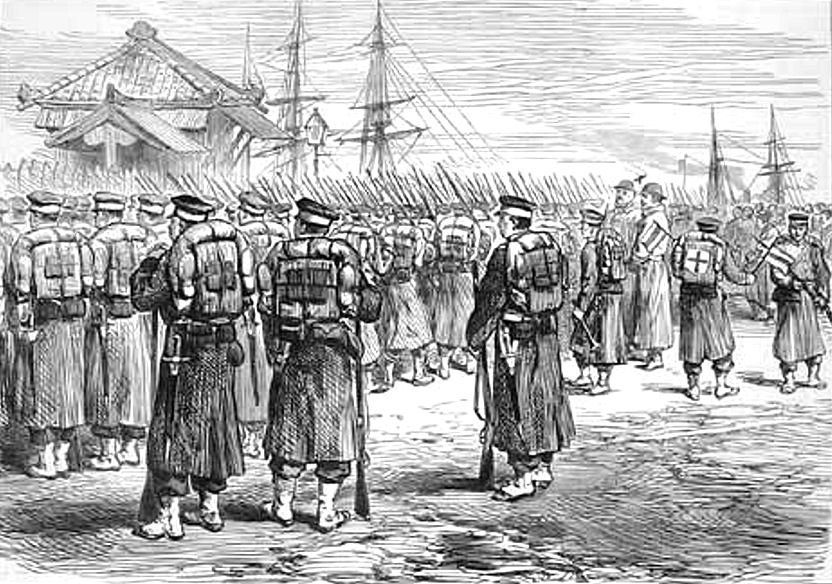
 American involvement in Japan
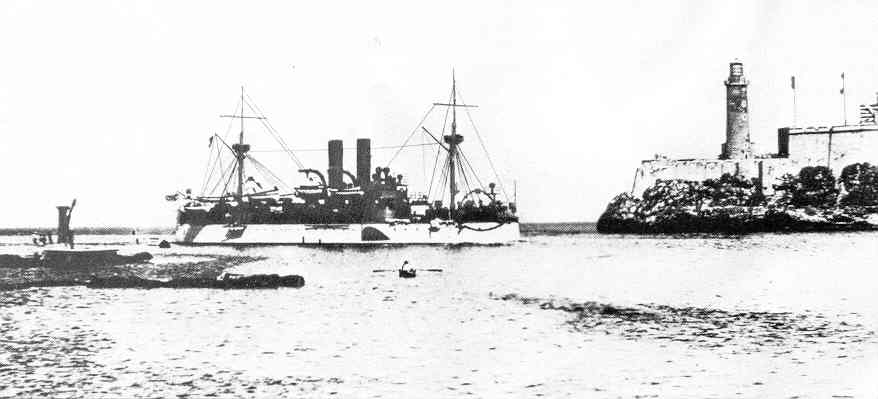
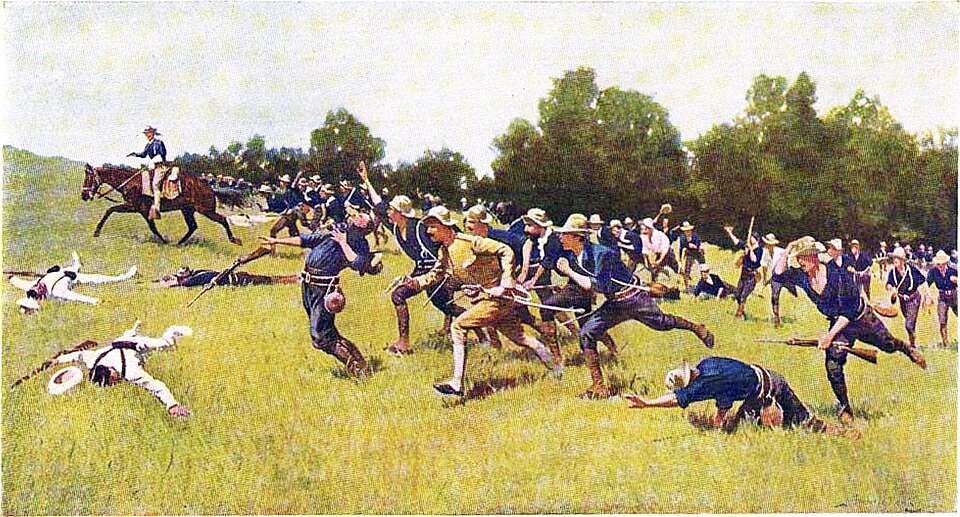
 The Spanish-America War (1898) in Cuba
 The Philippines
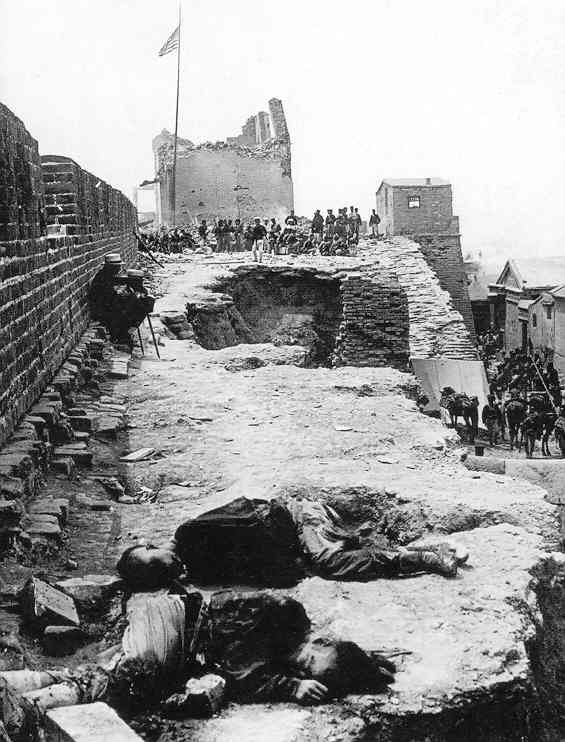
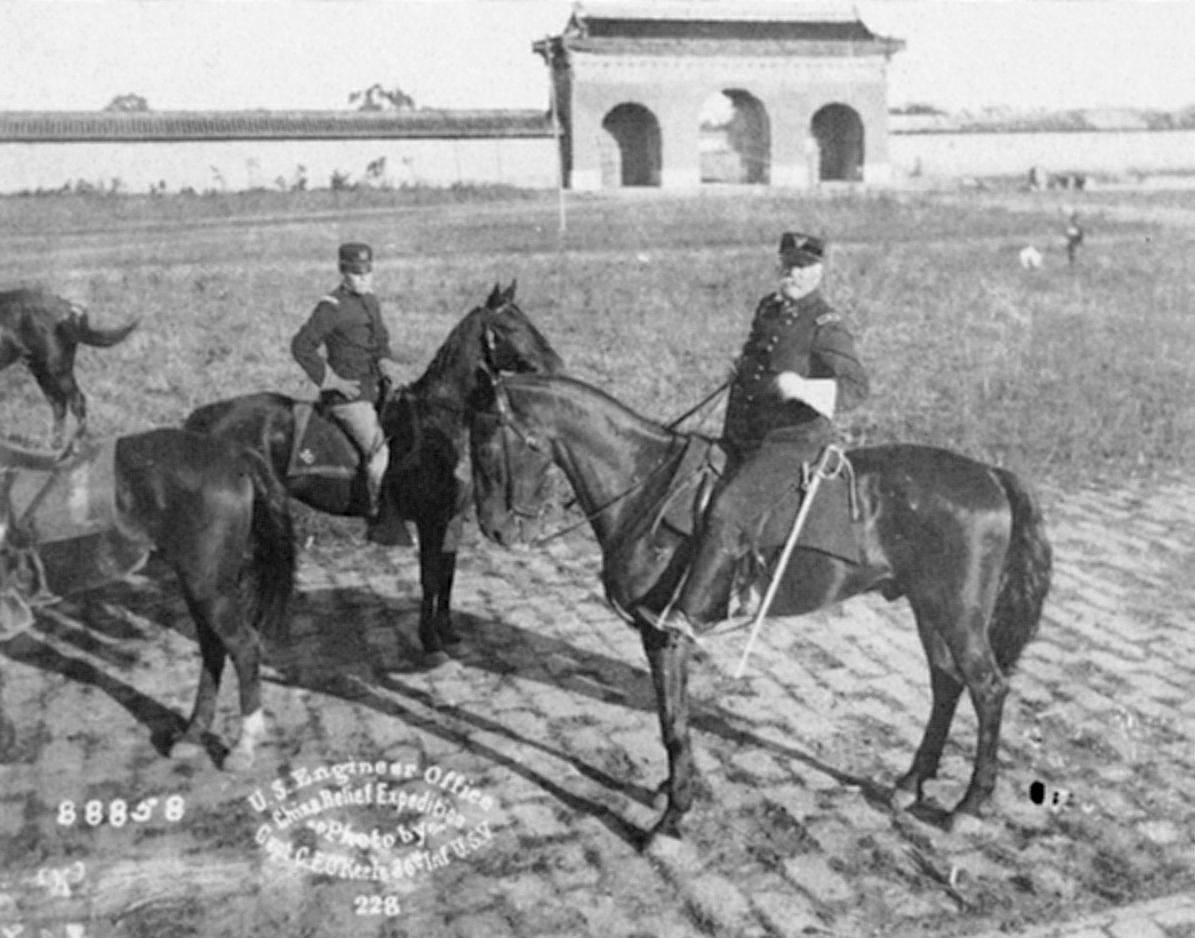
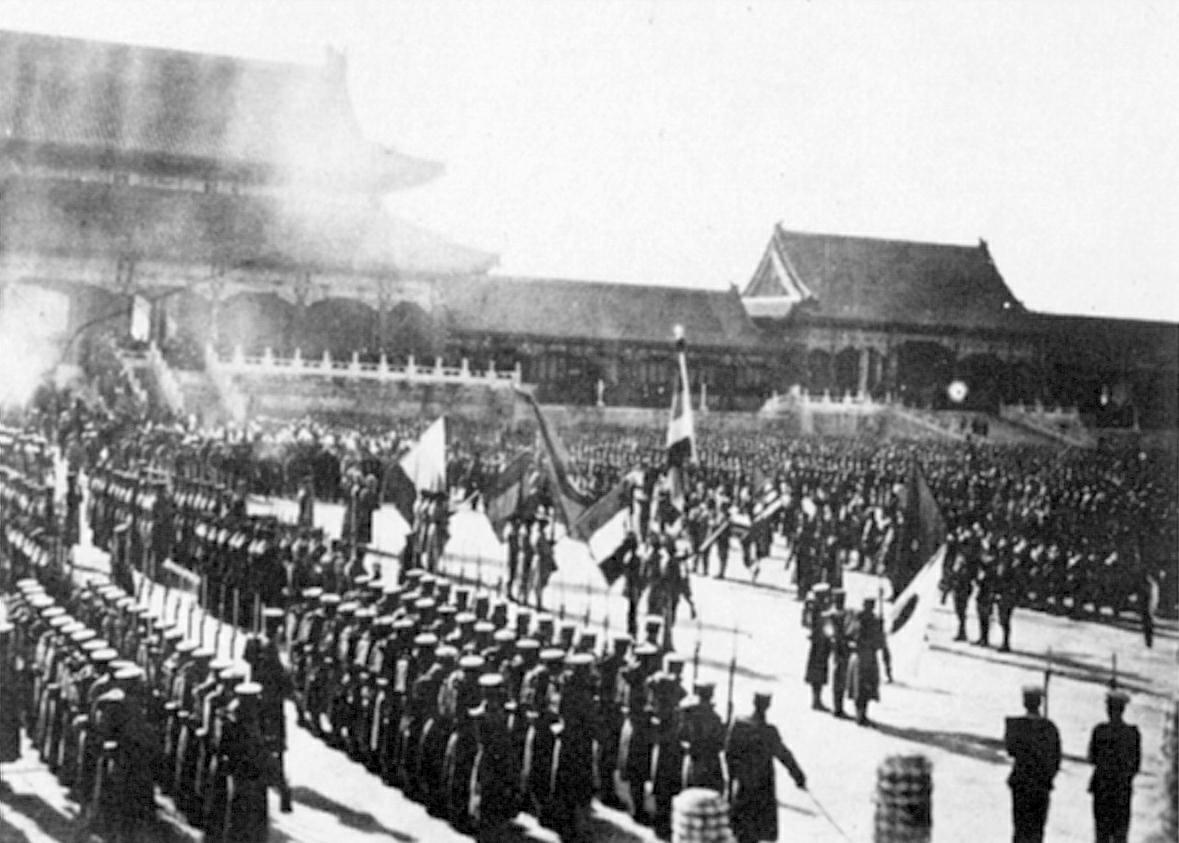
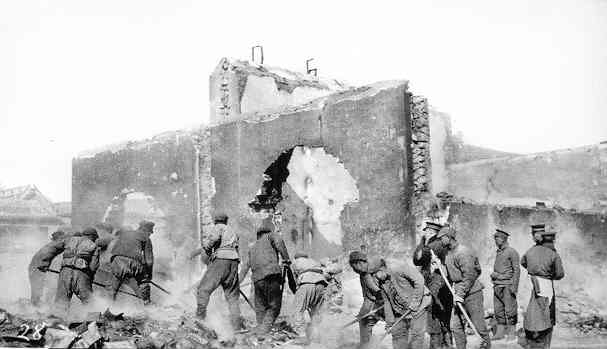
 China
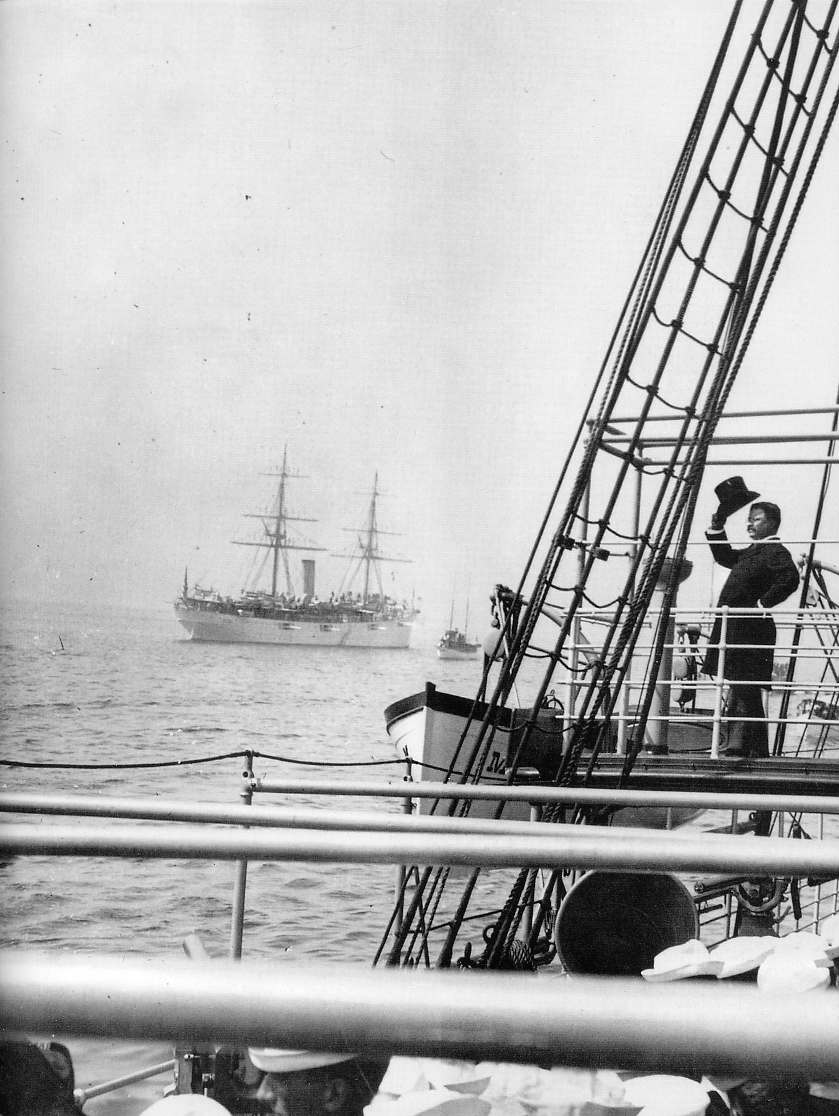
 Teddy Roosevelt and American foreign policy