|

 by Miles H. Hodges – The Spiritual Pilgrim
What is identity politics?
Answer: All politics! We humans enjoy our mastery over life on the
basis of our ability to identify with and work in union with others. Through social discipline, we learn to work together to
achieve life’s rewards, for it is collective action that ultimately
brings us those rewards.
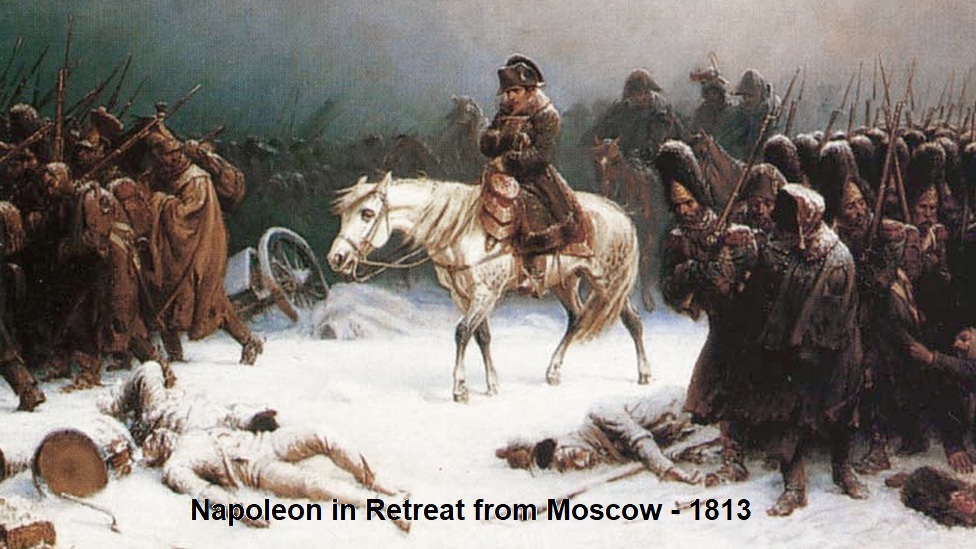
But that union is not just practical, it can be quite emotional. Political leaders use these emotions to motivate their society to take action in the face of a challenge, small or great ... such leadership being required by all societies. But emotional group-think can also become very destructive to a society if mismanaged. For instance, when the French Revolution of the late 1700s collapsed the French royal political system – and the county then fell into bloody chaos − Napoleon "rescued" France from this disaster by cultivating a new "democratic" army of fired-up French workers ... and aiming their energy outward against France's neighbors. In doing so, he quickly demonstrated in numerous battles the superiority of a citizen army over the professional armies employed by the surrounding feudal monarchs. But tragically, Napoleon and his army got carried away with all this "democratic success," especially when in 1812 they invaded Russia to "liberate" that country as well. All this achieved was to arouse a fiercely defensive Russian national spirit ... and the death of countless Russians. And of the 600,000 French troops Napoleon started out with, only a small group of stragglers (the count not exact, perhaps only 10,000) were able to get back to France with him when the venture proved to be a grand disaster. This was identity politics gone wrong ... very wrong. But identity politics is vital to all human life. We grow up at a very early age learning how to work together most effectively as a family. That sense of social identity expands as we enter schools, join clubs, become involved in sports ... and then as we enter the world of employment. Then there is religious identity, which gives us a needed perspective on the larger world. And there is language ... as we find it easiest to identity with a group that we can verbally share our thoughts with. And there are tribal identities and national identities, usually tied to the idea of some particular piece of the earth’s real estate belonging to us. In short, the types of identity that go into making identity politics can be quite numerous ... and quite vital. But it is very important to keep our sense of identity under careful self-restraint. Indeed, God sent his Son Jesus to show us how to identify ourselves socially at an even higher level than religious, ethnic, or national lines. And in this international age, that means finding ways to cooperate with the rest of the world ... not try to dominate it Napoleon style! Miles Hodges is a writer, historian and political analyst who explores the question of why societies behave
as they do ... especially in this matter of their rise and fall. |