|
|
by Miles H. Hodges – The Spiritual Pilgrim
A huge tragedy hitting America is the fairly recent closing
of a huge number of colleges ... and the cutback on humanities programs in
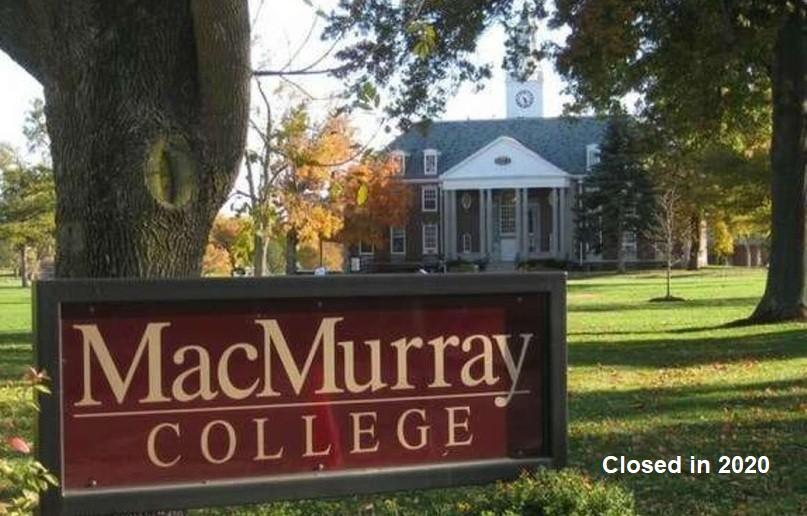
those colleges and universities trying to stay in business. Sadly, some 150 colleges and universities
have closed since 2016, some 40 to 50% of them considered to have been
Christian faith-based. True, there is also a fairly recent increase in the number
of students heading off to college, but mostly in the hopes that a college
education will open the doors to a well-paid professional job in the business,
medical, or legal field ... so that they can pay off the huge loans they took
on to go to college. After all, a 4-year
college degree (tuition, fees, housing, food, books and supplies) now costs from
around $124,000 at local public universities, to out of state public
universities at $204,000, to private colleges at $262,000 (www.credible.com). A
humanities education, which typically leads to lower-paying jobs (teaching,
preaching, writing, etc.) thus seems most unattractive. Understanding this situation, the Obama Administration went
strongly in support of colleges moving in the direction of trade schooling,
emphasizing their educational offerings in nursing, engineering, computer
technology, business courses, etc. As a
recent example of this, the National Science Foundation funded Elizabethtown
College in Pennsylvania to help launch a program of the Greenway Center for
Sustainability and Equity in Engineering.
Thus in 2024 Elizabethtown College announced that it was eliminating 13
faculty positions and specific academic offerings: fine art, sociology, Spanish. As chair of Greenway’s board of directors
Troy McBride explained this move against the humanities: we’re still memorizing things that don’t need
to be memorized, and we’re not teaching skills and tools. We’re teaching facts, which is the least
useful thing in these times. Most sadly, cutting back on humanities misses a point vital
to our world. Humanities education was
never just about facts. It was designed
to go beyond mere facts to help young minds take on the bigger question of why
those facts exist as they do. It was
about developing a certain type of social character in its students, wise in
the larger way of humankind, visionary in terms of the possibilities that a
future might hold for the world around them.
It was designed to prepare those who were called to help guide the rest
of our world to that higher understanding of life, its challenges, its dangers,
its possibilities ... visionary matters well beyond mere facts. We dare not lose our humanities foundations. But who will head us back in that direction? Where today is the Ben Franklin whose broad leadership
talents helped keep America on course in its early years of development? Where today is our great Socrates ... or the
greatest of all humanities instructors, our Jesus Christ? Miles Hodges is a writer, historian and political analyst who explores the question of why societies behave
as they do ... especially in this matter of their rise and fall. |