|
|
|
by Miles H. Hodges – The Covenant Nation
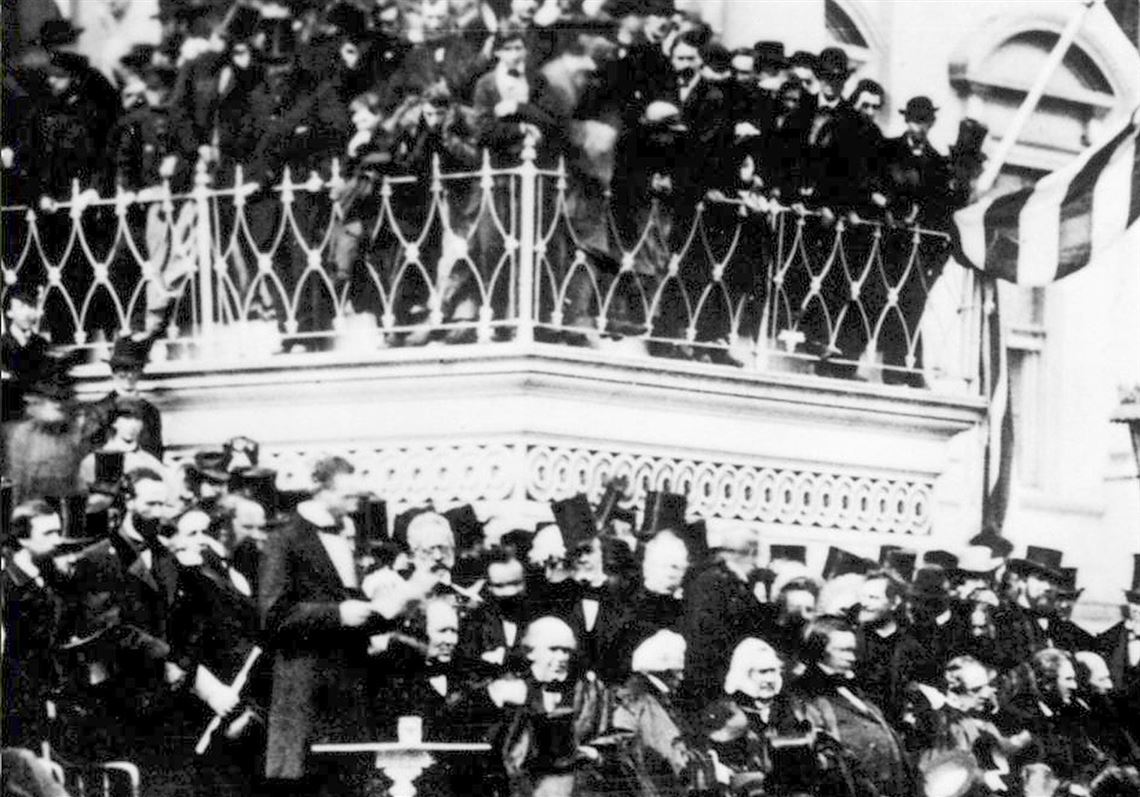
Lincoln in his second inaugural address (1865) explaining the role that God played – for both him and the nation – in ultimately bringing America to some kind of success in its horrible Civil War History reveals that human
society has repeatedly experienced periods of excellent leadership ... and
sadly also times of horrible leadership.
I thought I might look into the matter of what it is that distinguishes those
two types of leadership. The natural
tendency (and usually with good cause) is to associate good leadership with an
obviously strong society built on that leadership ... and vice versa, horrible
leadership associated with a society going through horribly bad times. Unfortunately, the matter of leadership tends
to be much more complicated that this simple formula. I would have a
hard time qualifying Stalin as a great leader, although it was he who brought
Russia to superpower status. And
certainly Hitler and Mao had their moments ... though thinking of these
political powerhouses as “great men” – even momentarily − seems terribly
wrong. They certainly led people by the
millions. But is it that which qualifies
a person to be considered a great leader? On the other
hand, few people at the time (and to some degree since then) would have seen
Harry Truman as a great leader ... although I would certainly qualify him as
such. On the other hand, American
leaders such as Washington and Lincoln were well understood at the time to be
great leaders ... although not until they had finally brought the country
through some terrible times. But this in
itself was the result of some complex factors. And who would question the idea that Alexander
the Great was somehow not a great leader ... a young man who at the age of 22 set
out to conquer the known civilized world and achieved his greatness in a mere
10-year time period (sadly dying at age 32).
How did he do it? Yet ... where
is his Greek legacy today? Actually, I
consider leadership to be “great” not so much on the basis of the size of a
person’s following as much as on the legacy they left with others because of
the role they played in life. Thus such
“greatness” appears to me to be found at all kinds of different social levels
... even as small in form as a family. Let’s consider
Jesus. True, he had his moments ... with
thousands enraptured by his teachings.
But his career ended most ingloriously ... a person largely abandoned by
others. Yet, there is no greater person
in history than Jesus. What he did
changed history. It left a legacy so
great that it still burns brightly 2,000 years later. Ultimately
great leadership is to me a matter of the spiritual character of a person ... rather
than their skills in manipulating others to follow them. Certainly the latter goes on around us ...
rather grandly in the world of politics, economics, even religion and
academics. Thankfully, true greatness
can also be found in these same fields ... except not for reasons of personal
ambition. True greatness in those areas
comes through individuals who use their God-given talents to help others
discover and put to good use their own God-given talents. They achieve greatness because of their
ability to help others – even help sacrificially – to find their own
greatness. Greatness is not
competitive. It is collective,
mutual. It is a form of love ... not of
self but of others. That’s what
Jesus taught. That’s what made Jesus
great. And all this because Jesus simply
went at life on the basis of his own very special, very loving, relationship
with the Heavenly Father who made us what we are all supposed to be ... loving
each other as we share that same godly love.
Jesus was the all-perfect example of such love. And Jesus still is. He is an ongoing legacy − as long as we
continue to pay attention to who and what Jesus was ... and still is. And operating accordingly, we will find
ourselves with God’s own Spirit directing and supporting us. Great leaders have long known this ... and
known this quite well. Take the
example of Lincoln for instance. The
Civil War was a bloody affair in the North’s effort to put an end to slavery
... and keep the nation united. Two
years into the war, thing were going so badly for the North that many were
calling for Lincoln to simply give up the effort and let the South go its own
way. Even his wife, exasperated by all
the criticism, joined that chorus.
Unsurprisingly, in the face of this withdrawal of support, he turned
increasingly to God ... the God who had called him to this duty, but also the God
whom Lincoln understood to be willing to guide and support Lincoln. Indeed, at the close of the war, Lincoln made
it very clear that America’s ultimate success in this brutal contest belonged
strictly to God. It was God that got
them through things. It was God that
would continue to carry the country forward, according to God’s − not man’s – design.
Success was certain ... as long as we
were careful to let God continue to lead us. And the same
can be said for Washington ... who also at one point in the war against King
George’s troops found himself short of any serious success militarily. He too thus looked to God on a regular basis,
not only for personal direction ... but also for simply the spiritual support
he needed to keep going in an exasperating war. And so must we
all, in order to carry out in a “great” manner the calling we have in
life. In looking to God’s Spirit for
guidance and support − and not our own self-serving plans − we will find
ourselves succeeding in doing what we clearly were called to be and do ... even
when the road seems rough, even dangerous.
If we stay in the proper spirit of things, we will succeed. Miles Hodges is a writer,
historian and political analyst who explores the question of why societies behave
as they do ... especially in this matter of their rise and fall. |