<


8. WORLD WAR TWO ... AND STARTUP OF THE COLD WAR

THE STARTUP OF THE COLD WAR


CONTENTS

The effort to stop Stalin from extending his "Communist" empire

The Marshall Plan

Tensions in Europe

Challenges in Asia


The textual material on this webpage is drawn directly from my work
        America's Story – A Spiritual Journey © 2021, pages 260-265.

THE EFFORT TO STOP STALIN FROM EXTENDING HIS "COMMUNIST" EMPIRE

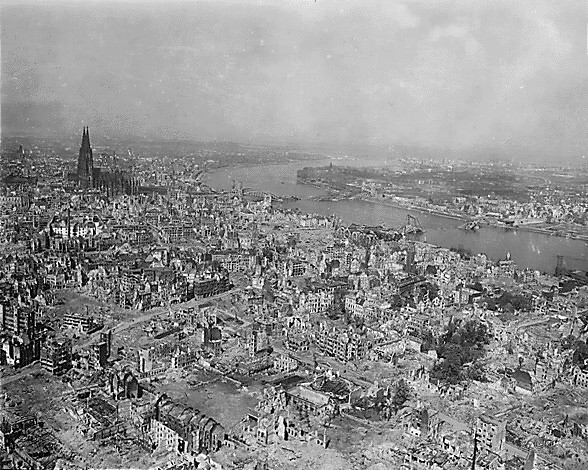
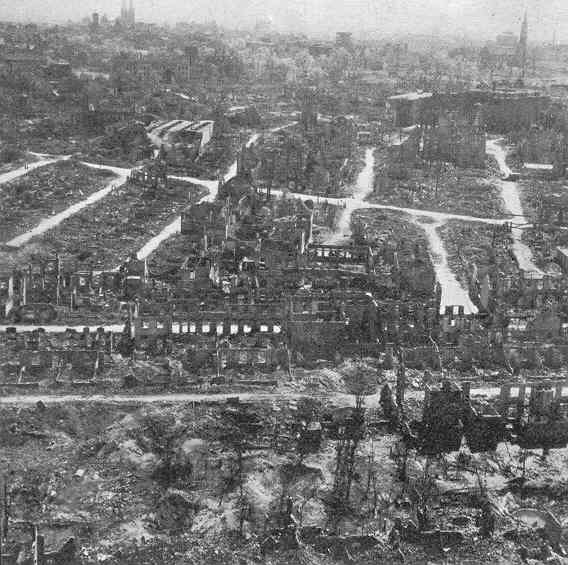
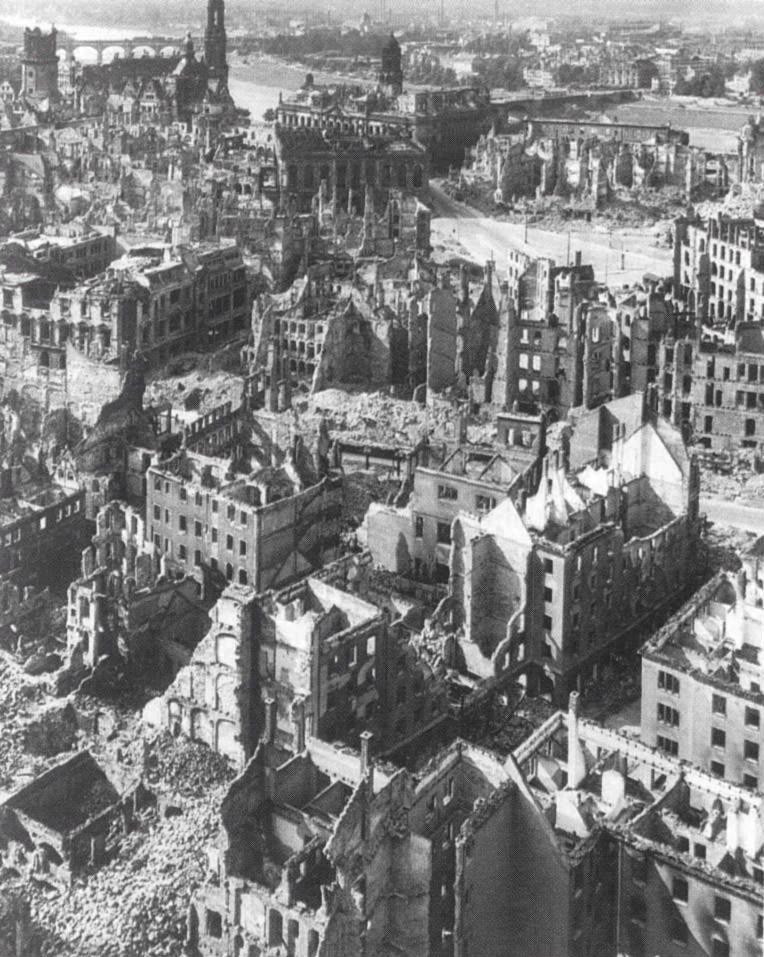
The Cold War in Europe.  For Americans the words "the war is over" meant only one thing:  the boys are coming home.  But for Truman it meant more, much more.  Europe was a mess – the kind of mess that Stalin and his Communist affiliates in Western Europe could exploit in order to expand the Communist Empire across all of Europe.  This was as big a threat to the world as had been Hitler's effort to build a continental Empire in Europe.

Traditionally it was Britain's role to do the offsetting of a would-be imperial aggressor attempting to overrun all of Europe.  But Britain was in no shape, or certainly in no mood, to play that role anymore.<

Churchill's "
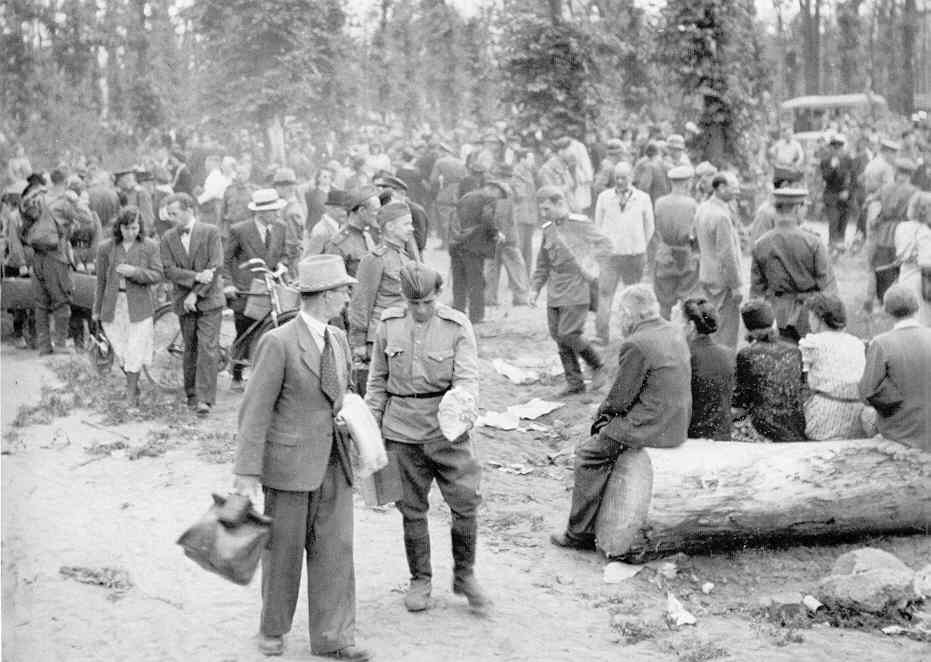
Iron Curtain" speech.  As former Prime Minister Churchill pointed out in his "Iron Curtain" speech delivered in Missouri during a visit with Truman in March of 1946, it was up to America to take up Britain's traditional role as defender of the world's peace and freedom.  Churchill pointed out that, thanks to Soviet control, an "Iron Curtain" had fallen across the middle of Europe, stretching from the Baltic Sea in the North to the Adriatic Sea in the South.  And that behind that curtain, in the Soviet sphere of influence, were the numerous cities and peoples of Eastern Europe.  In these societies, small Communist parties had succeeded, thanks to Moscow's increasing control, in gaining such power as to be able to obtain totalitarian control over these cities and peoples.

He also raised the issue of exactly how this situation should be met – especially by the Americans, on whom so much responsibility for the welfare of the civilized world had fallen, reminding the Americans that the Russians admired strength and despised weakness and, although they did not exactly want war, they were certainly desiring the expansion of their power and the influence of their doctrines.

As he had done with his own people during the dark days of World War Two, 
Churchill was calling now on America to take up the challenge facing the world.  For if the West (under American leadership) did not act now in a show of strength, it would clearly be dragged into war a third time in the 20th century.  America and Britain needed to stand together to block Stalin's aggressions.

The American press was scandalized that Churchill would speak so brazenly about some dark intentions on the part of our friends the Soviet Russians and their leader "Uncle Joe" Stalin.  But these voices of journalistic enlightenment would soon change their tunes – finally recognizing a mounting problem in Europe.

Still, it would take some time to get Americans to see these rising dangers.  But thankfully Truman was able more quickly to develop support in Congress, even from the once-isolationist Congressional faction.  But he had to proceed cautiously.

Containing Communism.
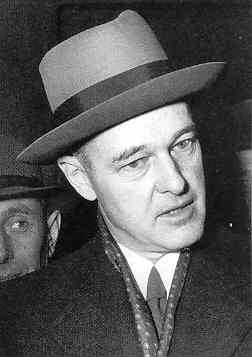
  Actually whereas even the U.S. State Department was still caught up in its dream of friendship with the Soviets – one of their members posted in Kiev, George Kennan, answered a request by the U.S. Treasury Department to explain why the Soviets were not planning to work with the new World Bank (IBRD) and the International Monetary Fund (IMF).  In his Long Telegram (February 1946) Kennan described in detail the Soviet anti-capitalist (and Russian nationalist) mindset – and called for the "firm and vigilant containment of Russian expansive tendencies."

The report soon became the basis for a larger analytical study of Soviet goals and strategies (September 1946) – intended for the President's eyes only.  But the Kennan report itself was so clear in its analysis and call for a strategic response that it was published in the July 1947 edition of Foreign Affairs under the authorship of "X."  It had the effect not only of helping to awaken America to the need for vigilance against Soviet aggression but it also gave the resultant U.S. policy its identifying label: "Containment" (of Communism).

The Truman Doctrine.
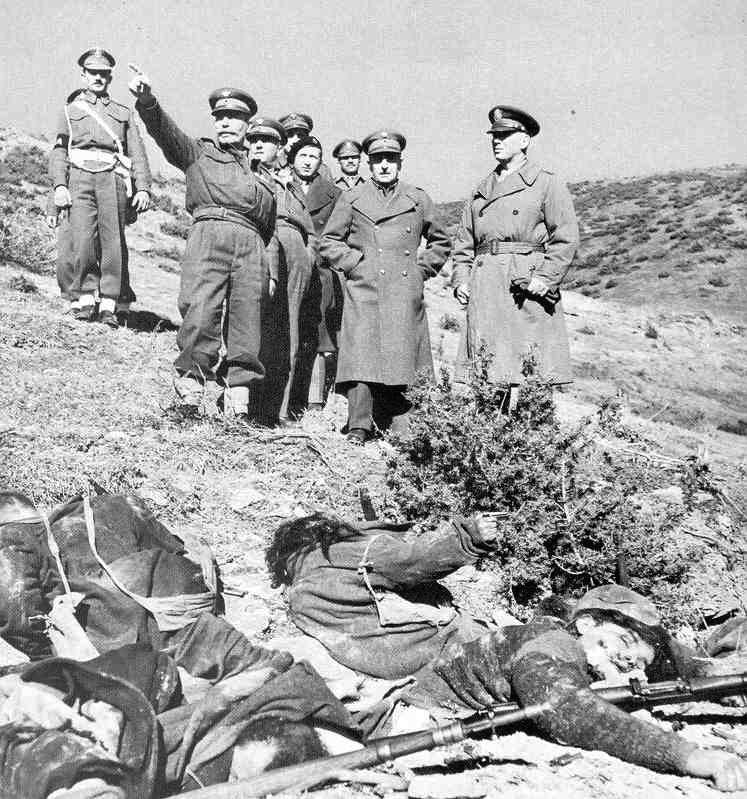
  In the meantime a problem had developed in the Eastern Mediterranean region:  1) a Communist-inspired rebellion against the restored Greek monarchy – supported mainly by Tito's Communist Yugoslavia to the north of Greece – and 2) Turkey, under intense pressure from Stalin to bring this gateway country guarding the entrance and exit of the Black Sea (where Russia's largest naval port was located) under Soviet mastery – Soviet mastery such as had been happening all across Eastern Europe wherever the Russian Red Army found itself in rather permanent occupation following the expulsion of Hitler's armies from the region.

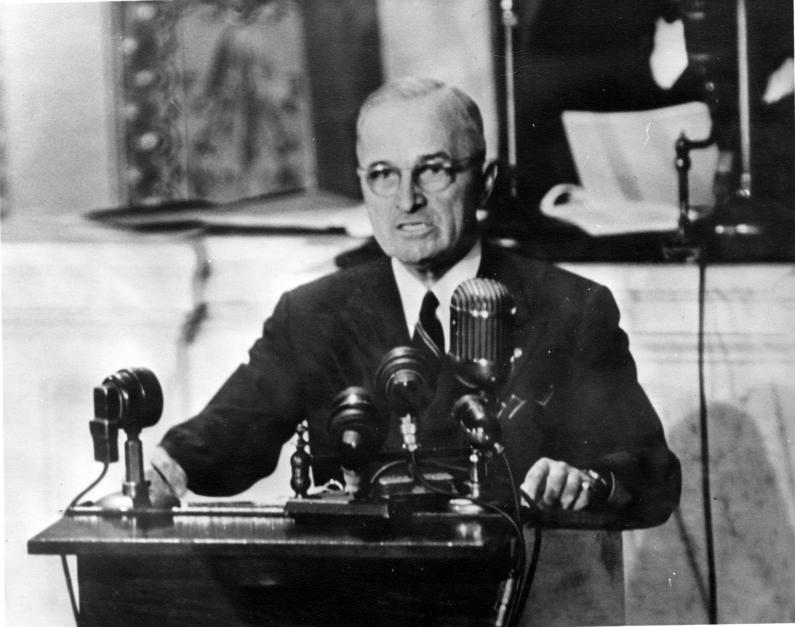
Truman was intent that neither Greece nor Turkey should fall under such Stalinist domination.  Thus in 1947 he went to Congress for funding (which he quickly received) in support of the "Truman Doctrine" – pledging American support of those countries struggling against efforts to bring them under dictatorial oppression.  Neither Soviet Russia nor Communist Yugoslavia were specifically named as the aggressors.  But most people knew who was meant.  And thus direct military and financial aid was extended to Greece and Turkey as the beginning of the American effort to protect Europe from an expanding Communism.


THE MARSHALL PLAN

There were also problems in Western Europe arising from the fact that the war had either completely devastated the economies of these countries or once again had left the countries floundering because of weak and deeply divided leadership – or both.  These were the kind of conditions that Communism loved to exploit for its own political advantage.  Indeed, the French and Italian Communist Parties were the biggest of the political organizations in those two countries, and becoming more militant as economic conditions did not improve, but in fact clearly were worsening by 1947.  And thus Stalin was directing these parties to bring down the "bourgeois" political systems in their countries, supposedly initiating a Marxist or workers' revolution (meaning, expanding Stalin's domination deep into Western Europe).

Thus Truman recognized the urgency of answering the social-economic challenges arising in Western Europe.  Again (also 1947) 
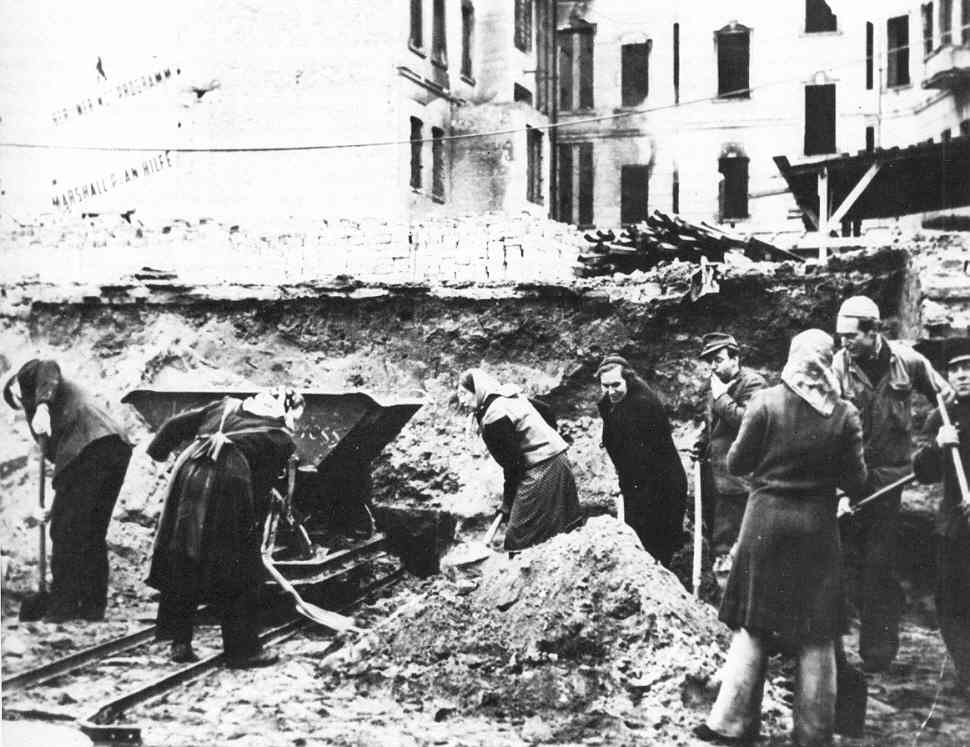
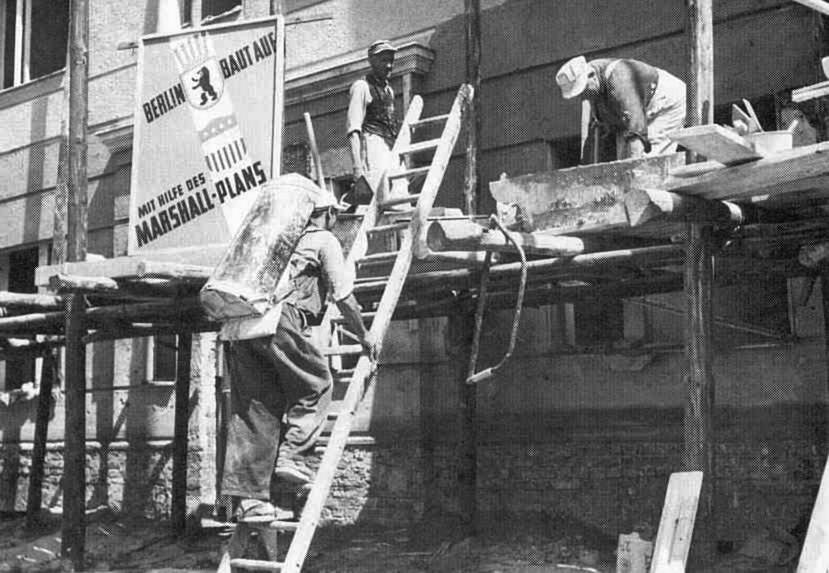
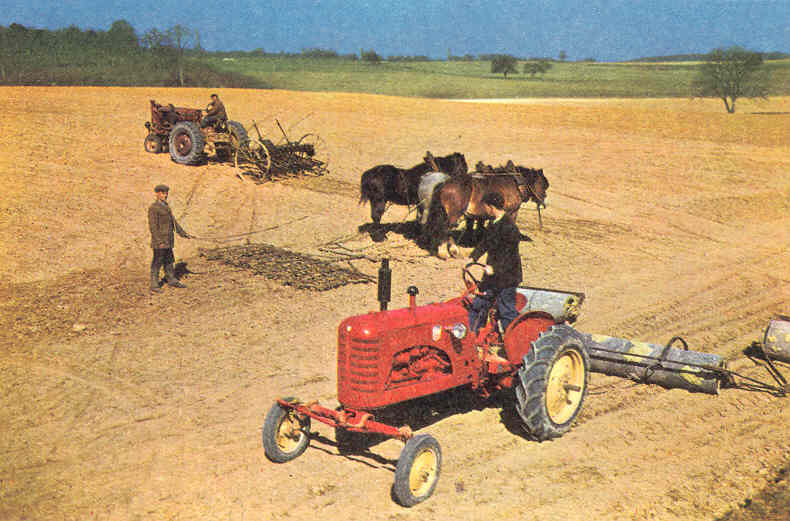
Truman requested – and received (1948) – authorization to pour massive amounts of funding in dollar grants to European nations to help them rebuild their industrial and social infrastructure, however as the Europeans themselves saw the need.  This included former enemies Italy and Germany as well.  All they needed to do was submit plans for funding for the development of a specific project and they would receive American support.
This of course was designed to help remove the social rot that Communism required in order to expand its influence.[1]  Needless to say, although there was actually no prohibition against any particular countries from applying, not even Soviet Russia itself, 
Stalin understood the intent of this program and would not let any of the countries or territories under Red Army control (the Soviet-occupied sector of East Germany, Poland, Romania, Bulgaria) apply – not that they would wish to anyway, as Stalin had been quick to replace the leadership of these countries with personal supporters of his.

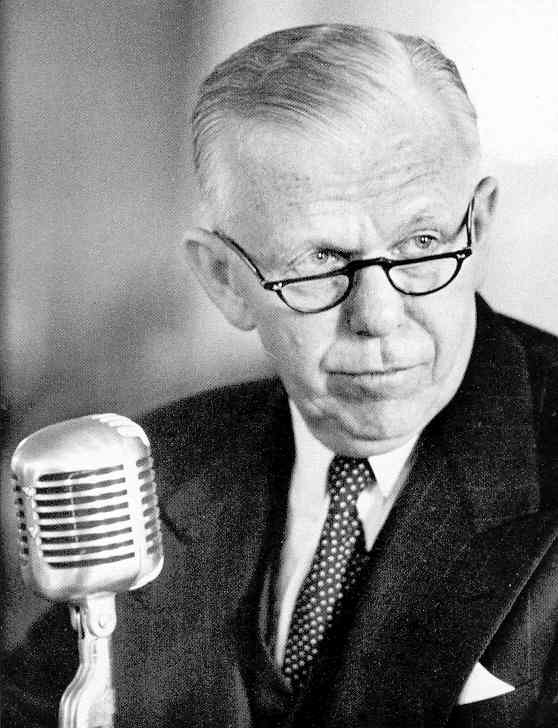
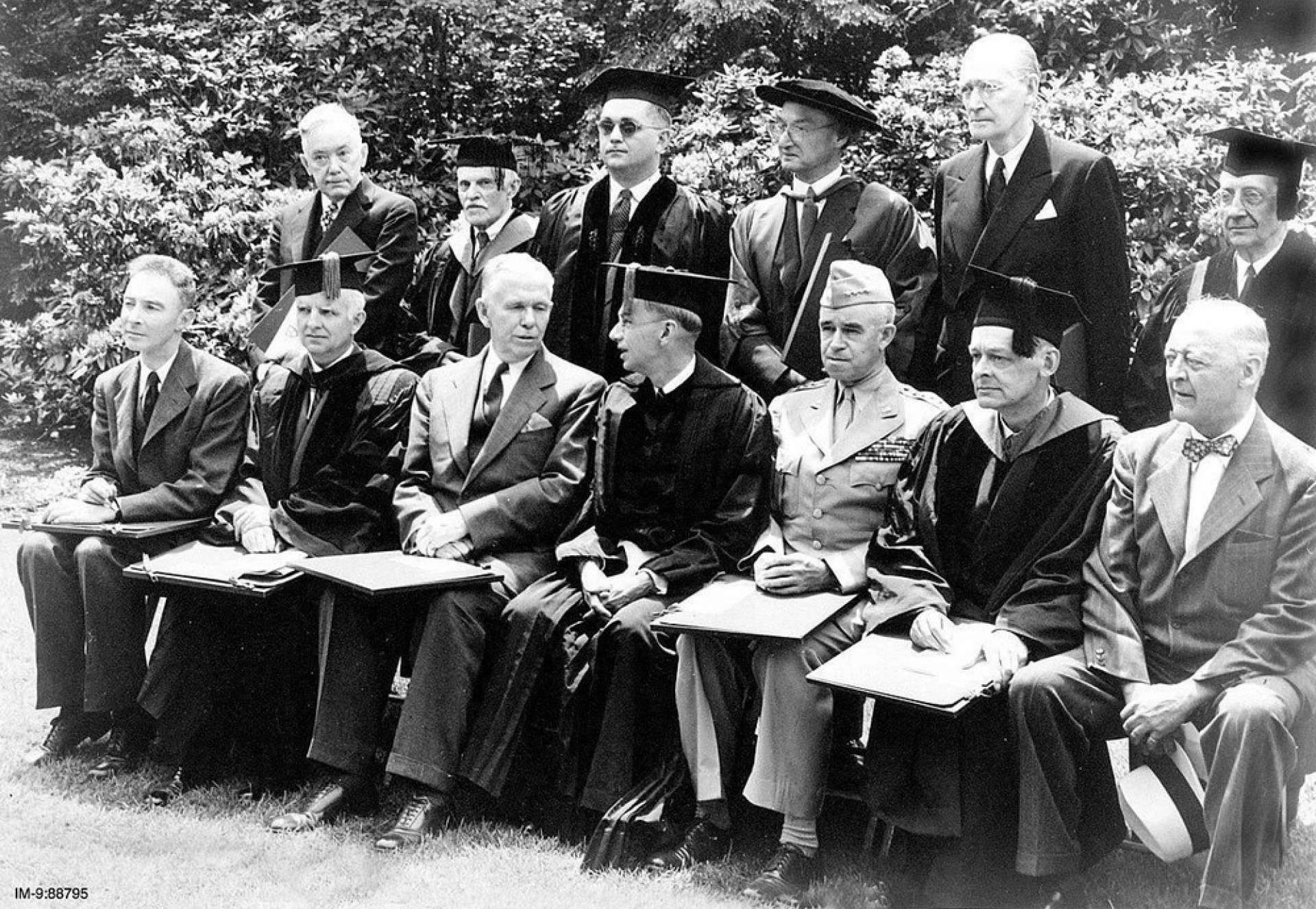
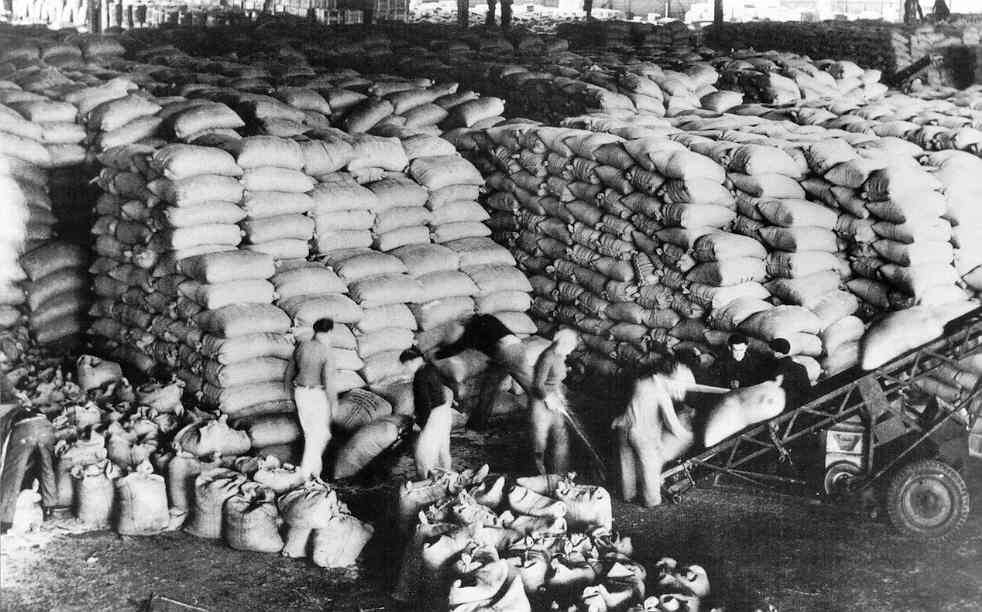
More than $12 billion was granted over the next few years (and billions more after that) to Europeans through the European Recovery Program, more popularly known as the Marshall Plan – carefully named after the highly esteemed former Commanding General and now (since January of 1947) Truman's Secretary of State, George Marshall.  It was Truman who let Marshall take the lead in publicizing the plan (Marshall's Harvard commencement speech in June of 1947) and who even put Marshall's name on the program rather than his own, knowing that such a request for unprecedented funding (the initial request was for an unheard-of $5.3 billion) would sell better in Congress if it were identified with Marshall rather than with Truman himself!

[1]The results were amazing.  Europe recovered and whatever social antagonisms had produced the war in the first place disappeared, the wounds of war were bound up, everyone was cared for, and a just and lasting peace resulted among the nations involved, at least those in West Europe free to participate in the Marshall Plan (free from Stalinist domination).


TENSIONS IN EUROPE

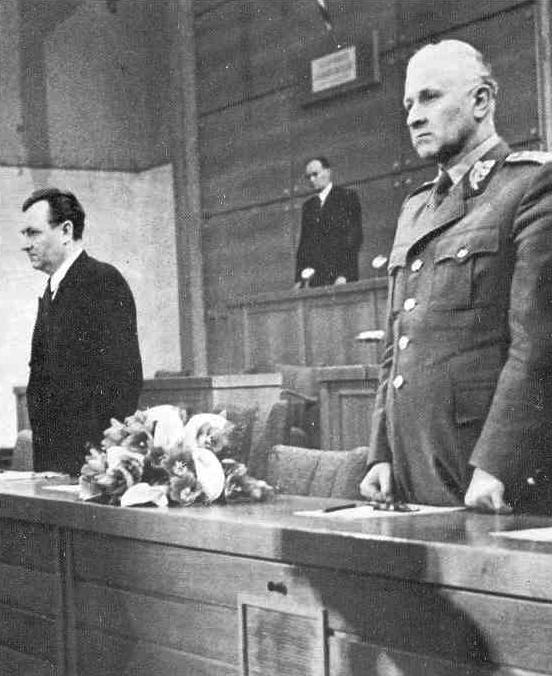
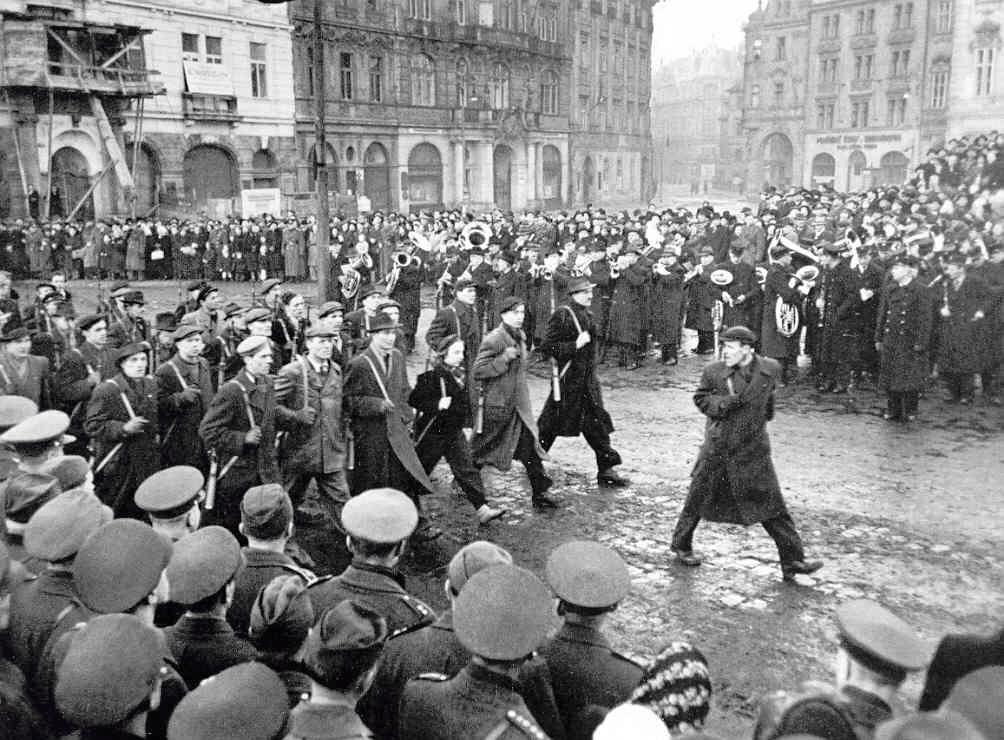
1948: Czechoslovakia and the Berlin Blockade.  In early 1948 Americans were shocked to learn that the leader Jan Masaryk of the pro-Western group in Czechoslovakia had "committed suicide" (actually murdered by Communist-directed police) – as Czech Communists moved to take total control of the country.  This came just as Czechoslovakia was thinking of applying for Marshall Plan funding.  Thus, because of this event, Czechoslovakia was now clearly found among the ranks of the countries trapped behind the infamous Iron Curtain.

Then that same summer an expansive 
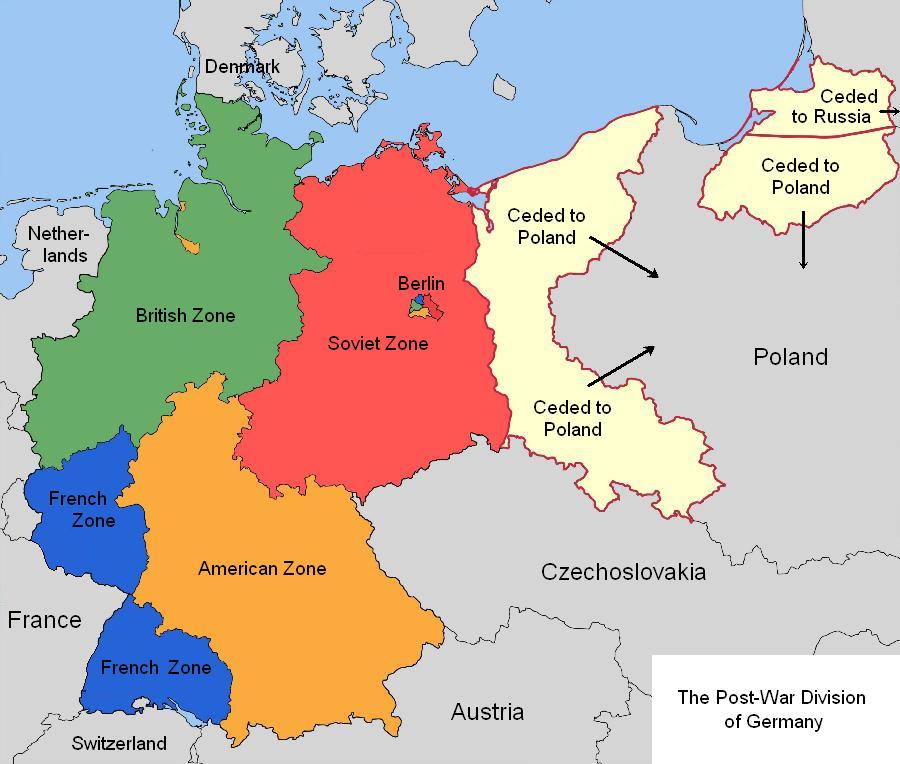
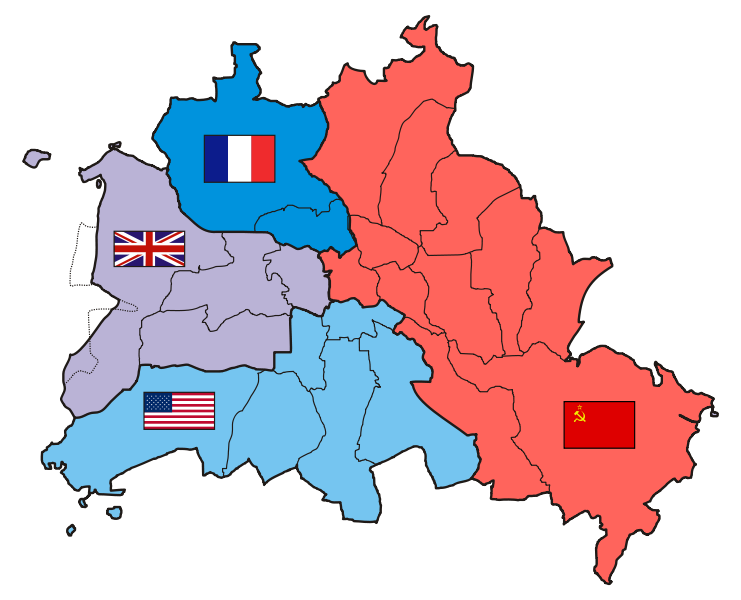
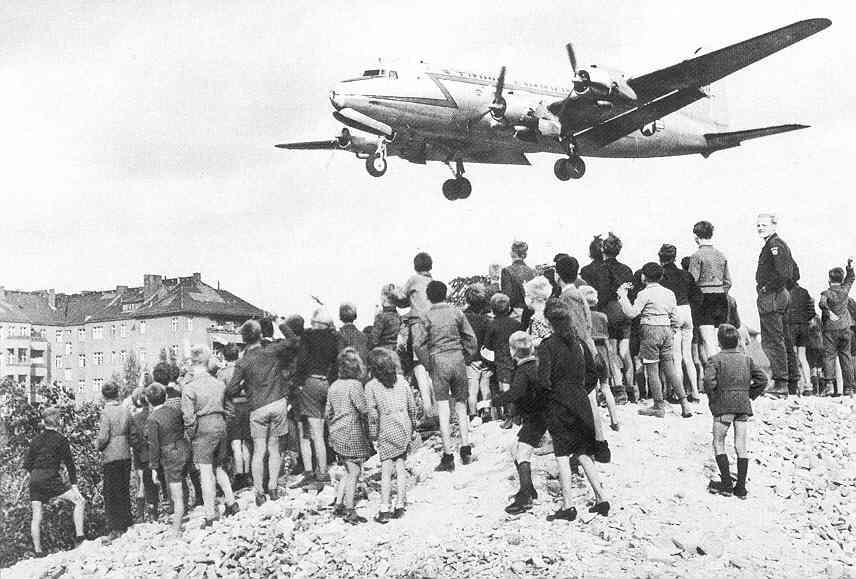
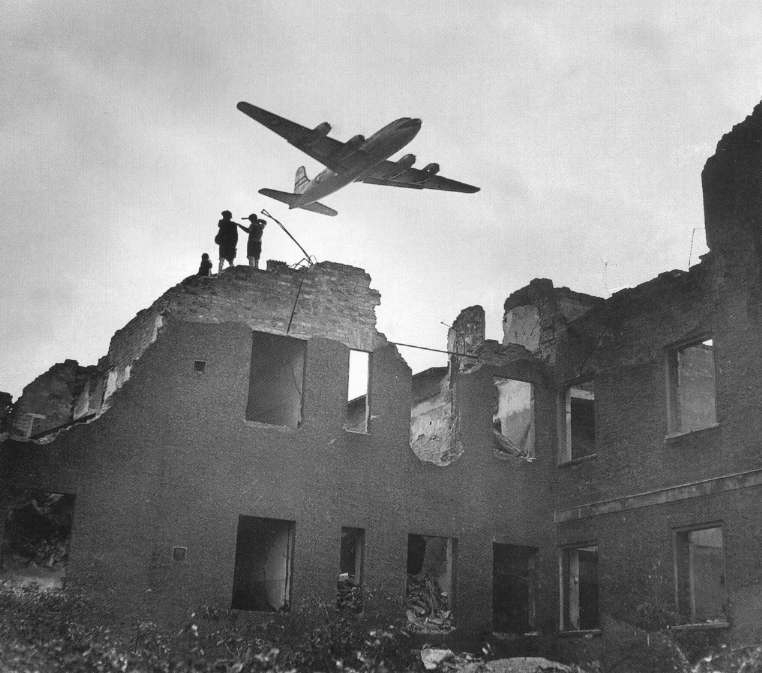
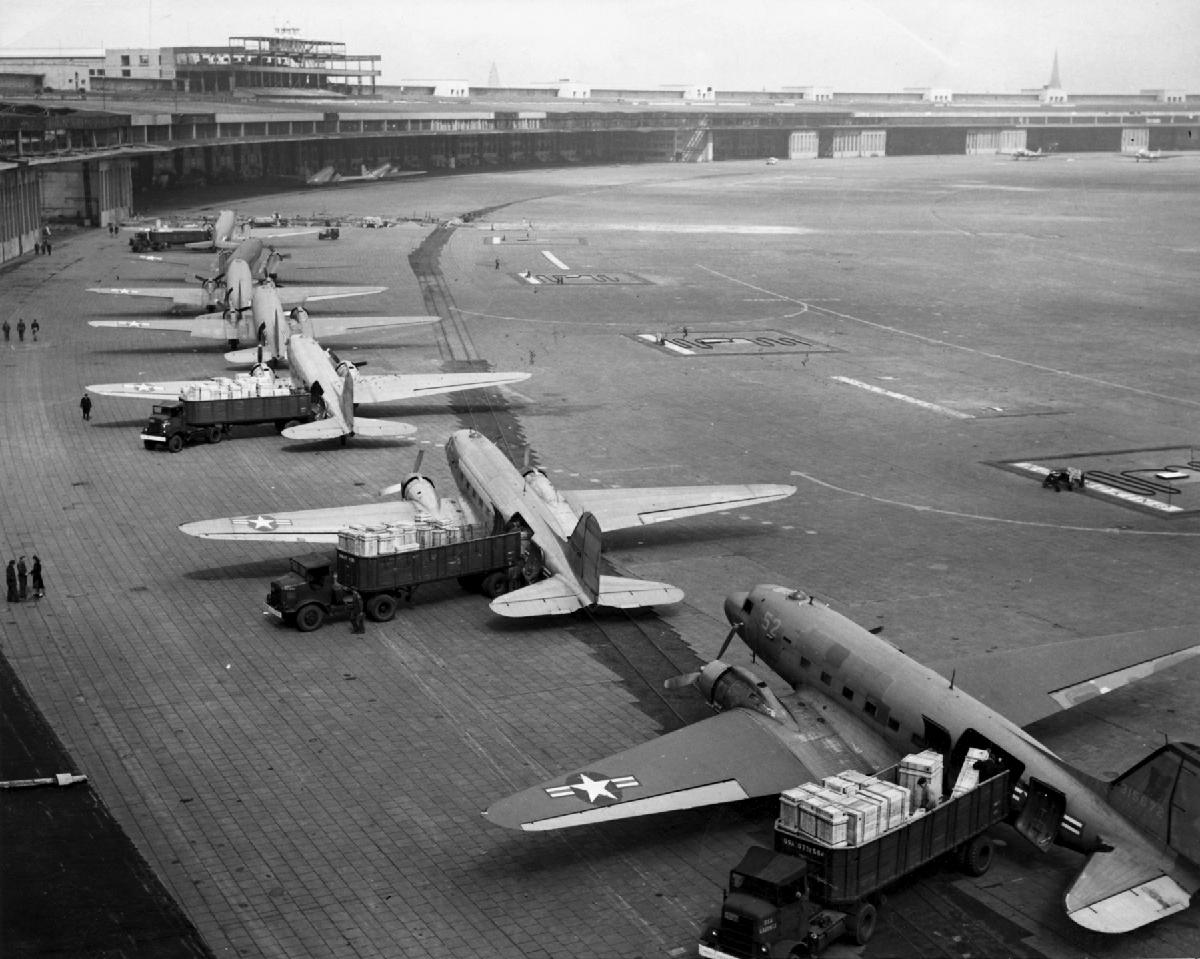
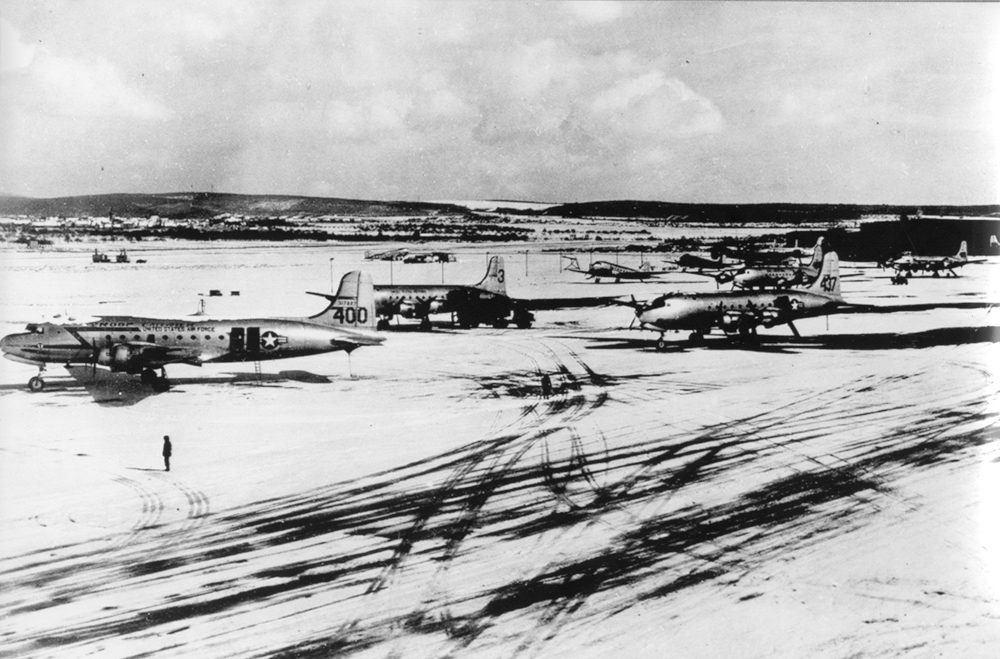
Stalin made yet another bold move: one designed to drive out the Western powers (America, Britain and France) from their assigned occupational districts of a divided Berlin, the former German capital.  Unfortunately, Berlin itself was located within the Soviet or Russian-controlled portion of Germany – and Stalin wanted the Westerners gone so that Russia could have total control over this vital city.  But Truman was in no mood to be squeezed out by Soviet aggression.  Thus when land routes (rail and highway) linking Berlin with West Germany were shut down for "repair," Truman responded by airlifting West Berlin's needed supplies to the surrounded city – daring Stalin to start a war by shooting one of those planes down.  Stalin figured that he need not bother – that Truman would soon tire of this expensive game.  But by the next summer the airlift had not only rescued Berlin – but turned it into a grand symbol of Western resolve to protect the Europeans from Soviet aggression.  Finally Stalin gave up the game and reopened the land routes to West Berlin.

Truman had won that round in the growing 
Cold War (no shots fired – but definitely a war of some kind going on!).

Helping 
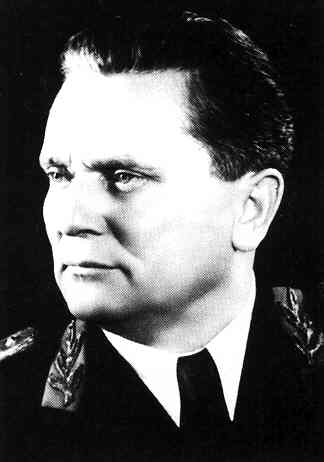
Tito.  A major shift occurred within the Communist camp when a personal rivalry ultimately developed between Stalin and Yugoslavia's Communist dictator, Marshall Joseph Broz Tito (formerly America's rival in the contest for Greece).  Stalin was hugely annoyed that Tito would want to do Communism his own way – and made a move to isolate Tito – and then expel him from membership in Stalin's Communist community – expecting this to completely undercut Tito's position in Yugoslavia.  But the move failed – and now (mid-1948) Tito decided to join the nations that were requesting Marshall Plan aid, helping further secure Tito's position at the head of Yugoslavia (this was a popular move among the Yugoslavians).

The realist Truman was more than willing to help his former rival – for although this did not make Tito an ally in the growing Cold War, it certainly helped contain Stalin's Empire so that it did not reach down through Yugoslavia to the Adriatic and thus also the Mediterranean Sea.

Stalin thus lost big on that move.

NATO.  Also damaging to Stalin, the Berlin incident convinced both the Americans and West Europeans (and Canadians) that a peacetime military defense organization was needed – an agreement that an attack on any member would be taken as an attack on them all.  Most importantly it bound America to the ongoing military defense of Europe.  And thus in 1949 the North Atlantic Treaty Organization (NATO) was born.


CHALLENGES IN ASIA

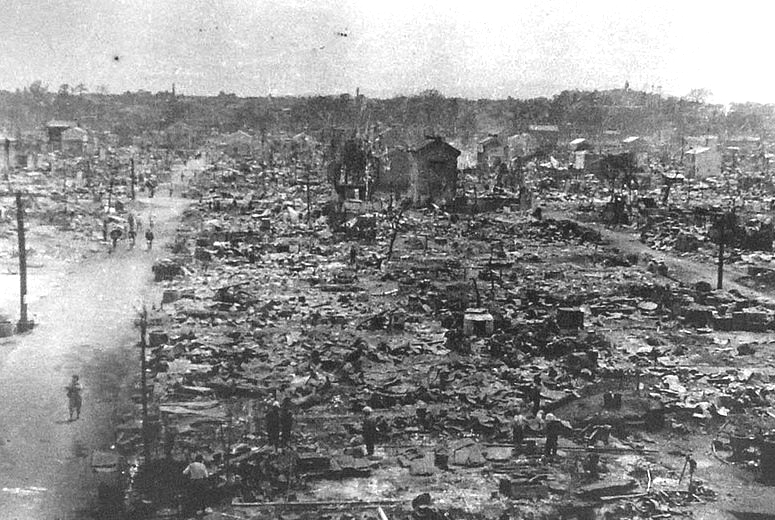
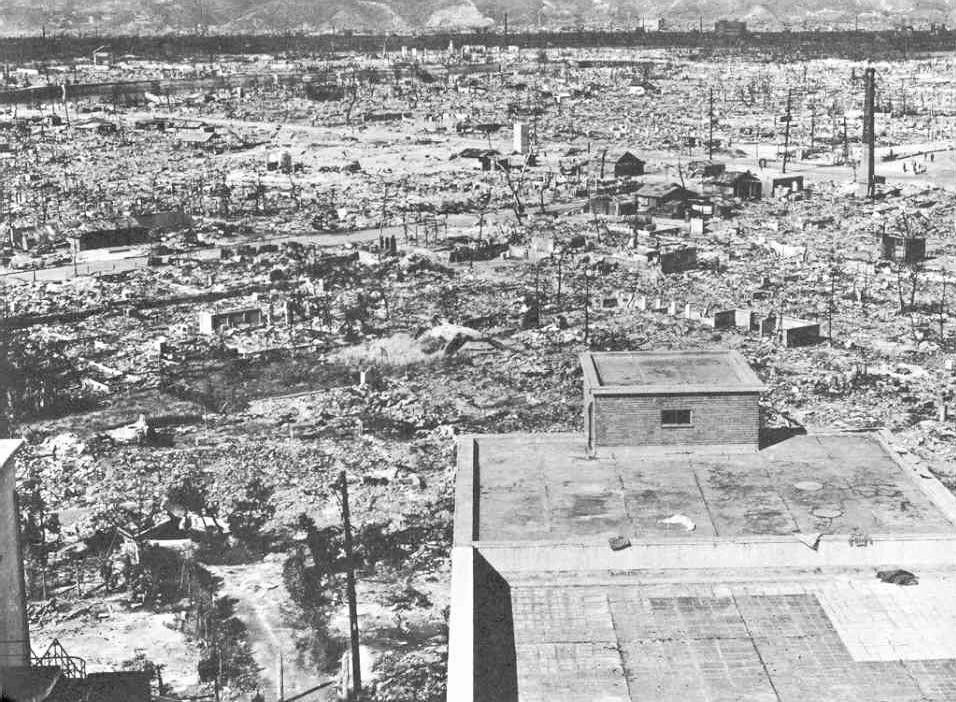
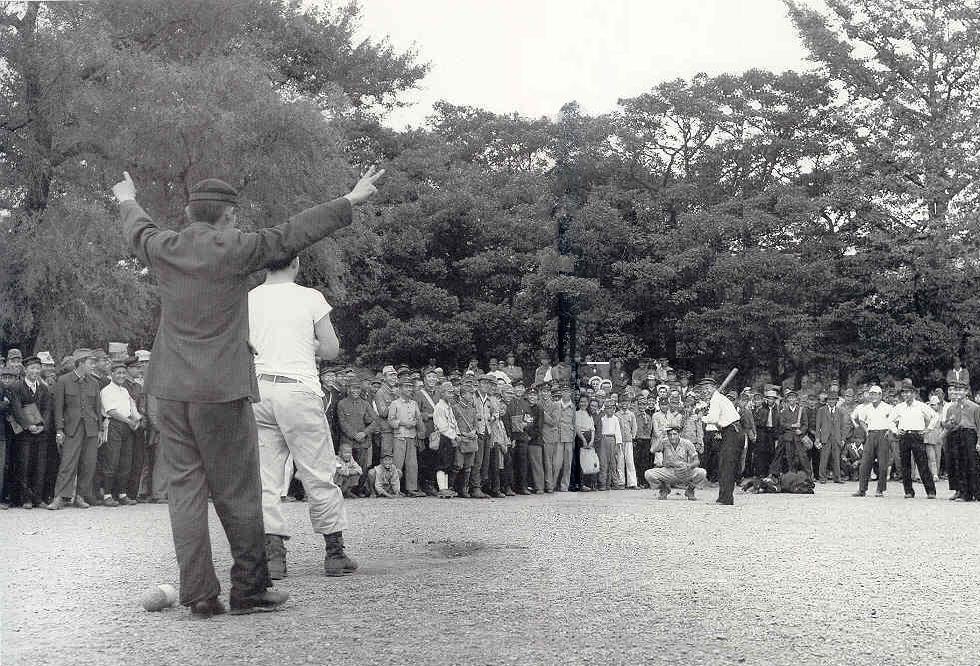
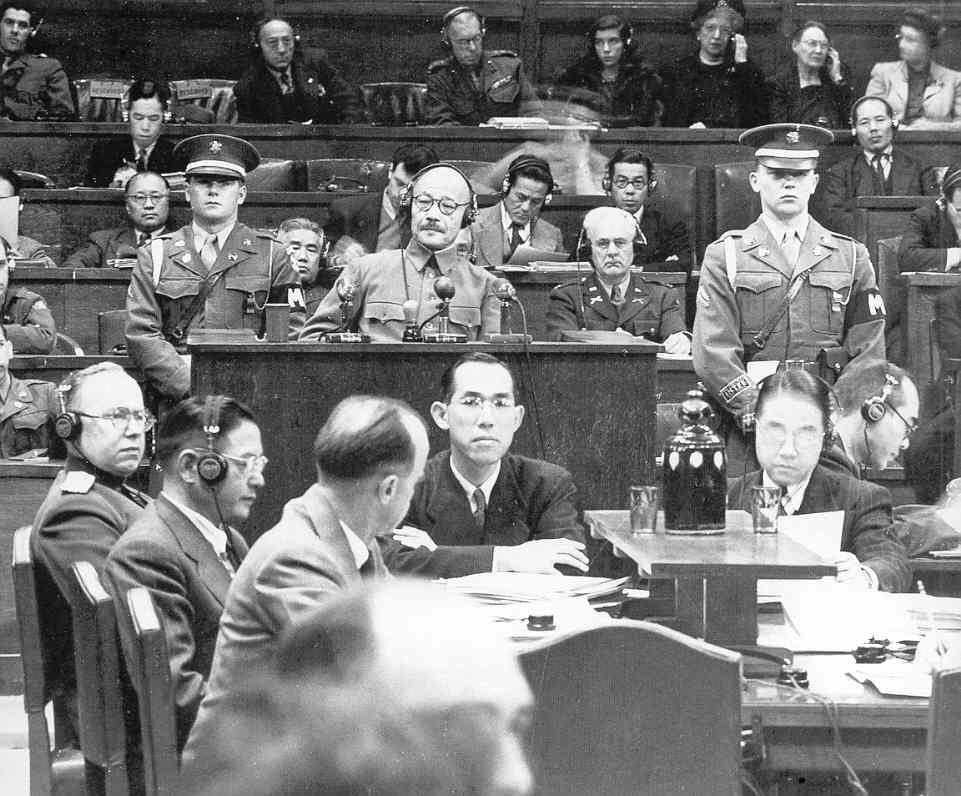
Dealing with Japan.  The collapse of the Japanese Empire in East Asia presented some of the same problems that the collapse of Hitler's Empire in Europe had presented.  Social chaos and civil war were destined to follow the loss of the Japanese imperial structure.
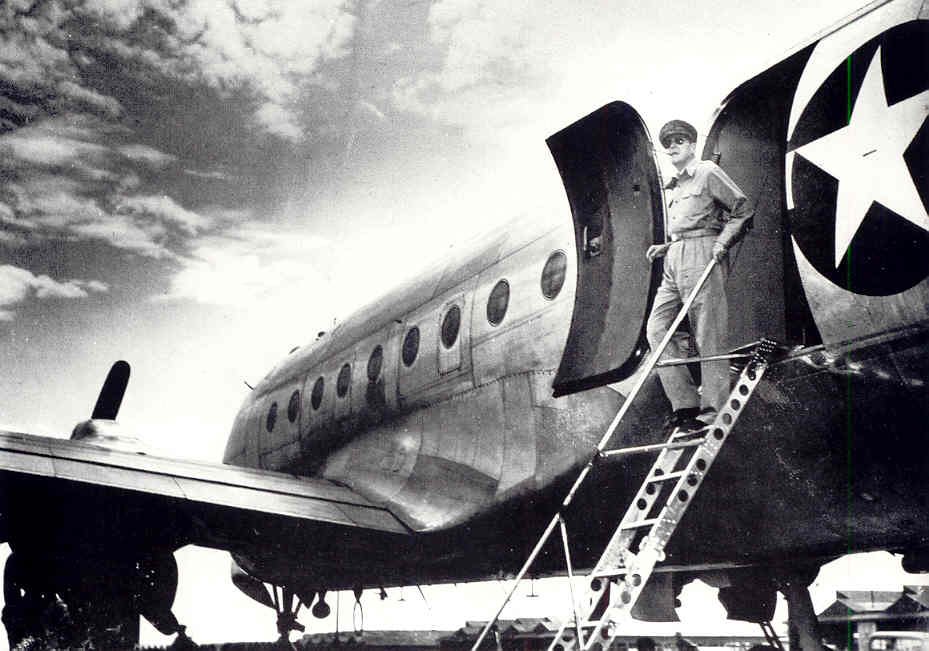
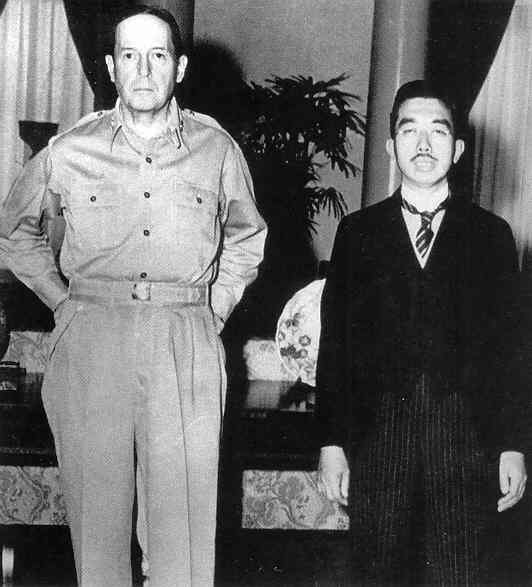
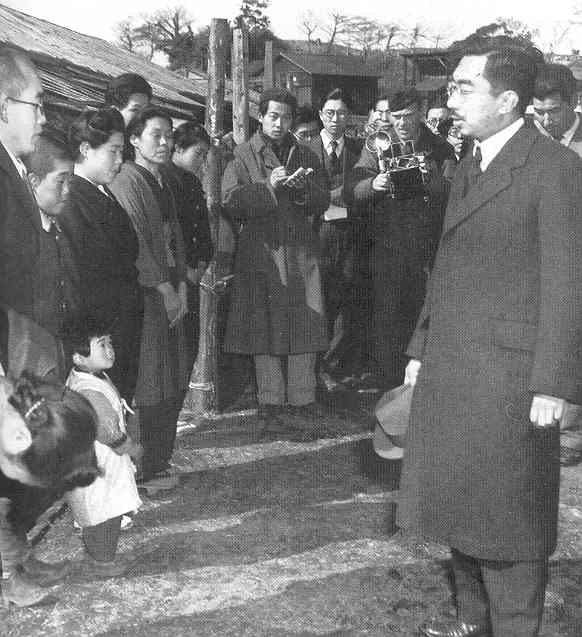
Japan itself posed no particular problems because it had been so thoroughly defeated by American power, and was accordingly so thoroughly occupied by supreme American power.  Yet Commanding General Douglas 
MacArthur had deemed it wise to let the Japanese Emperor continue in office as some kind of unifying symbol – as long as he cooperated with the American occupation.  He did – and things went well in Japan.

China goes Communist.
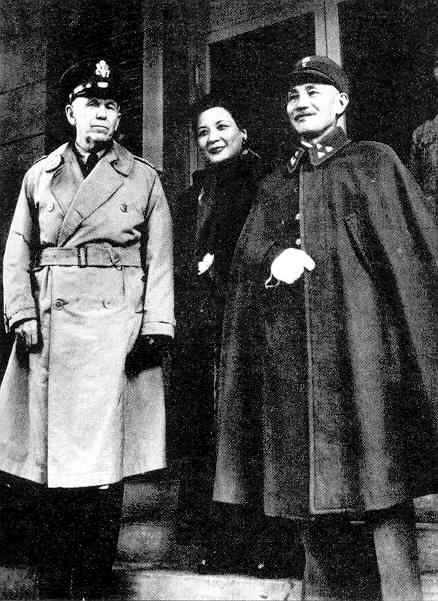
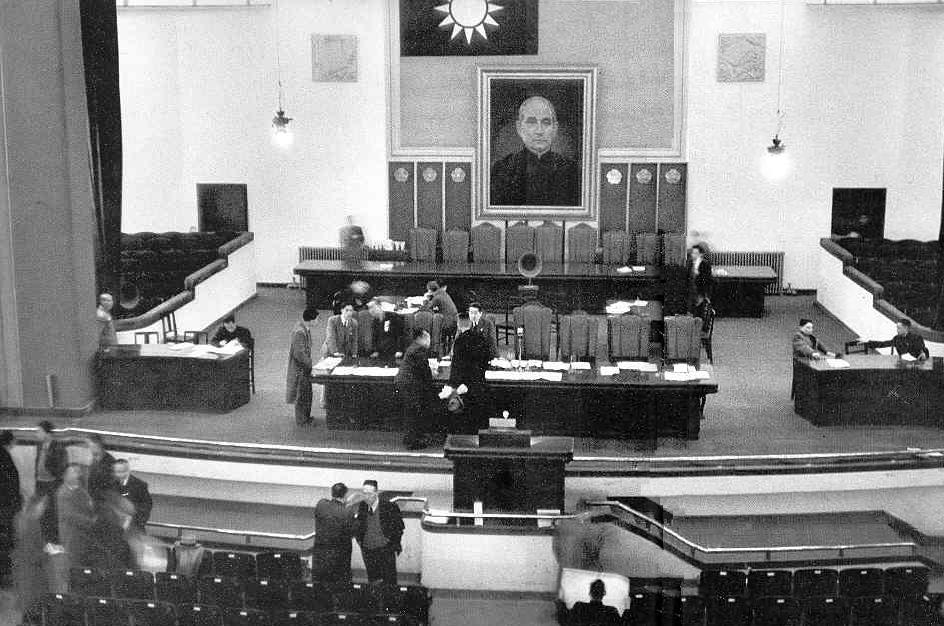
  In its war with Japan, America had been closely allied with the Chinese Republic and its President Chiang Kai-shek, doing what America could to bring needed supplies to Chiang by way of the treacherous Burma Road.  Now that the war was over, China emerged as one of the world's victorious powers, so important that China was awarded one of the five Permanent Seats (along with the United States, Britain, France and Soviet Russia) on the all-important Security Council of the newly created United Nations.

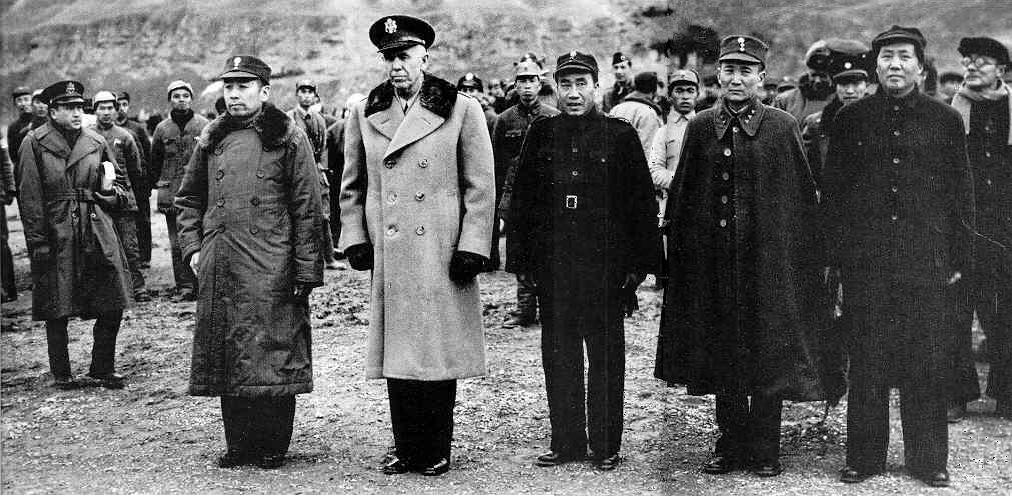
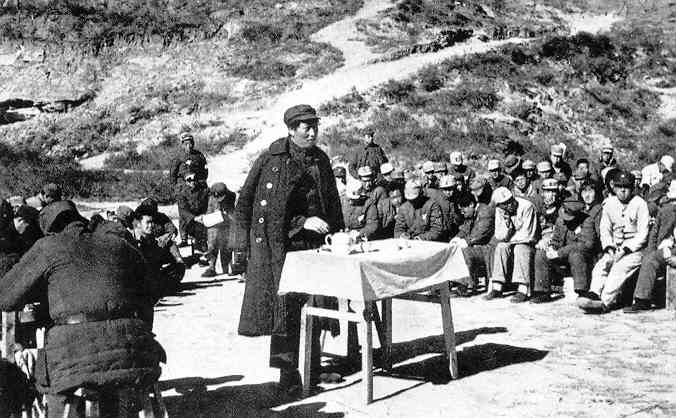
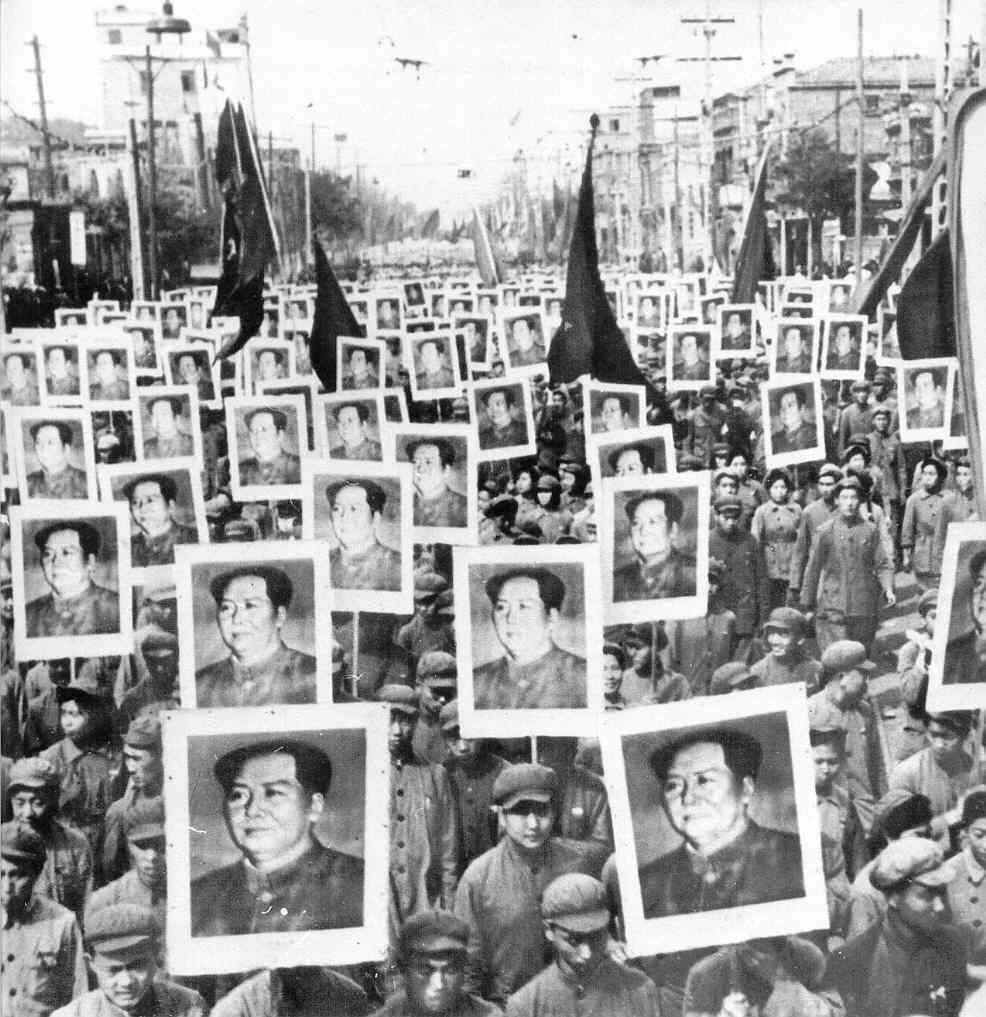
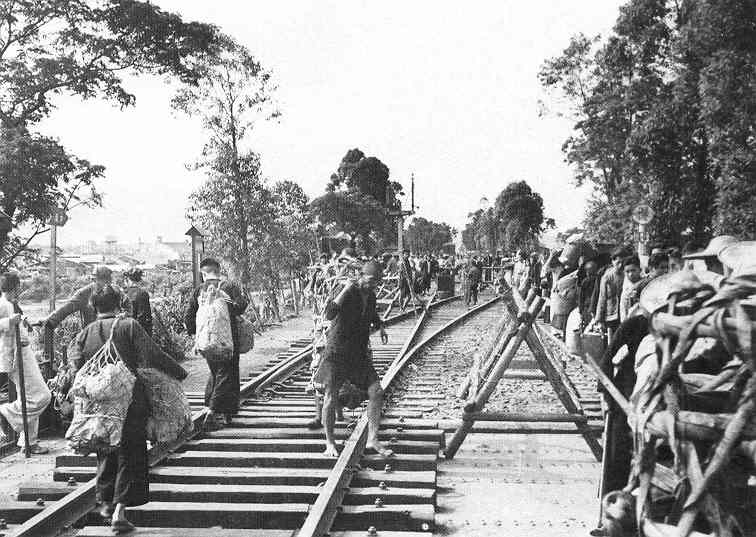
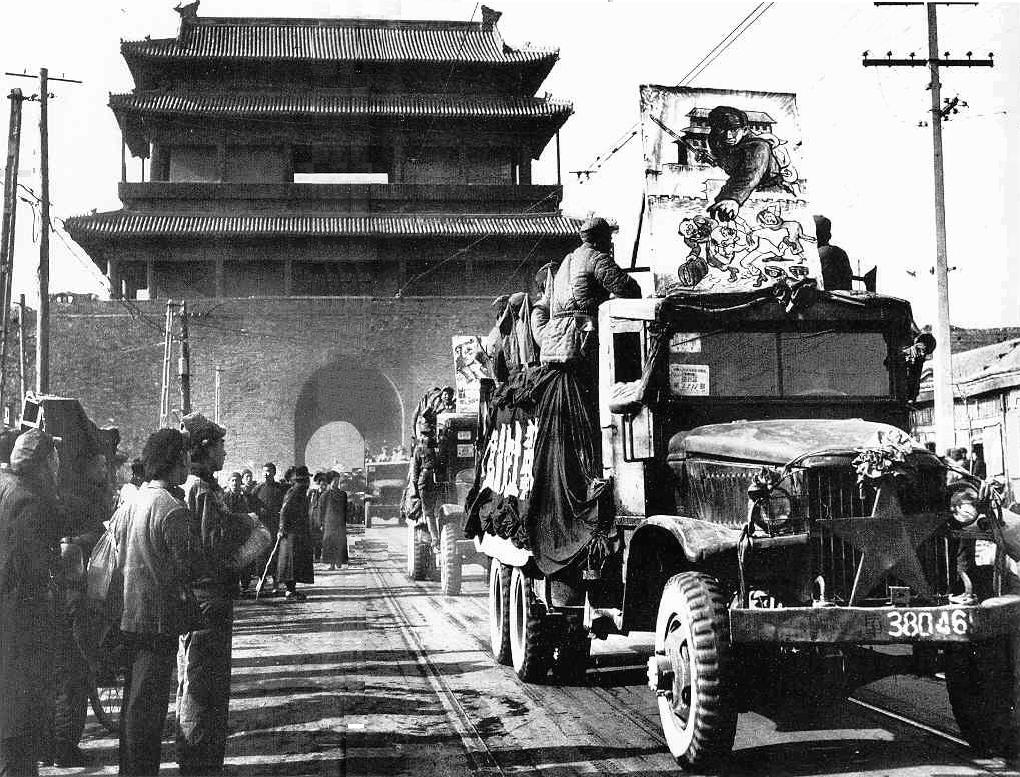
But Americans sensed that Chiang was facing serious difficulties from the  huge Chinese peasant army under the command of Communist leader, Mao Tse-Tung (Mao Zedong) – and in late 1945 Truman sent General Marshall to China as a special envoy, to help these two Chinese political factions come together for the post-war tasks ahead (the Cold War had not yet set in – and the word "Communist" had not yet come to have the threatening quality for Americans that in just a couple of years it would quickly take on).  But the hatred of these two men for each other was intense – and little by little even any pretense of cooperation between the two ceased to exist.  By early 1947 Marshall realized that he was getting nowhere (and Truman needed him in Washington anyway as his new Secretary of State).  By that time it was clear that China was headed for a huge civil war between Mao's Communists and Chiang's Nationalists.  Ultimately, Soviet Russia would aid Mao – and America would send aid to Chiang, as the issue became another key piece in the growing Cold War.
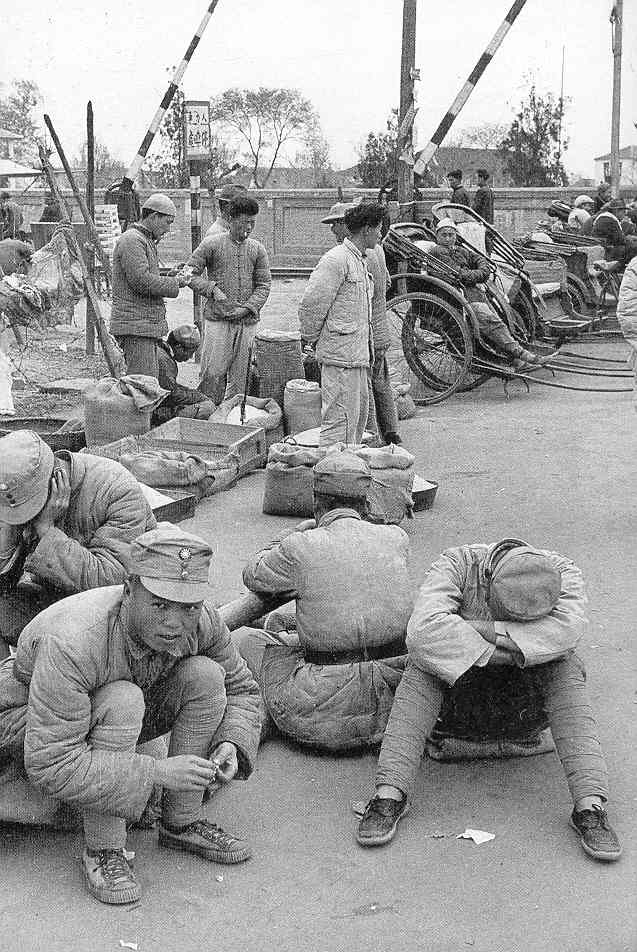
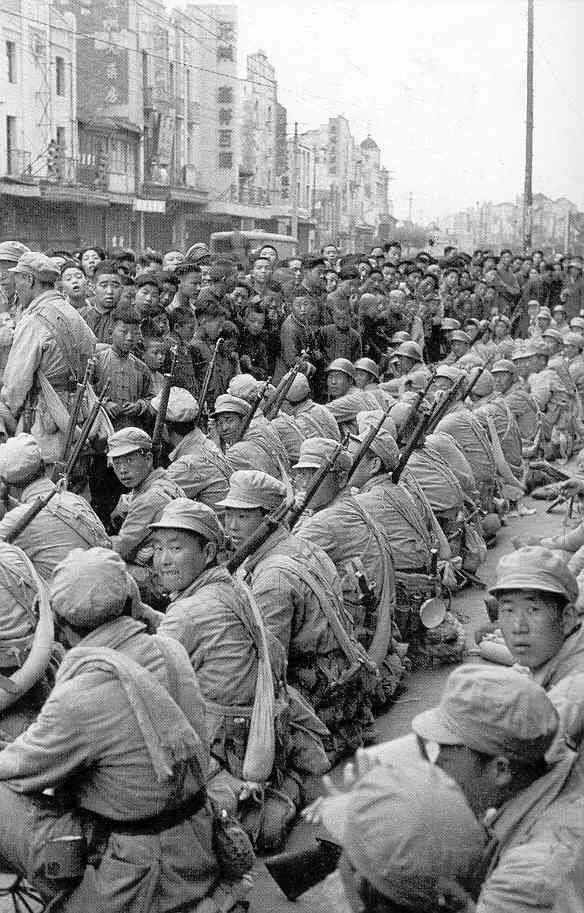
Tragically, Chiang suffered from the huge political disability (in the eyes of the average Chinese) of having failed to hold off the Japanese on his own merits as Chinese leader – and having to resort to calling on the aid of Chinese warlords – and foreigners (such as Americans) – to carry out his responsibilities.  
Mao had carefully avoided such alliances during the course of the war – but at the same time had also largely avoided getting directly involved against the Japanese – thus not darkening his political reputation.

Furthermore, 
Chiang's political strength had been in the urban coastal regions of China – largely Japanese-occupied during the war.  That loss both strategically and politically would prove ruinous for Chiang. On the other hand, Mao's strength had been based in the peasant countryside – where he presented his brand of Communism (eventually known as Maoism) as some kind of rural populism.  He skillfully employed all the rural and agrarian symbols he could in order to make a deep emotional link with peasant China (still smarting from its loss during the Boxer Rebellion).  And thus, little by little, Mao was able to expand his hold over the Chinese countryside – until in early 1949 he was able also to overtake the last of >Chiang's urban strongholds.

Chiang and what remained of the Nationalist Party (actually a multitude of Chinese) were able to escape to the huge island of Taiwan – and hold out there.   America would continue to support Chiang as China's actual president, and do what it could to isolate Mao's China. It would even continuously veto any effort to replace Chiang's representative occupying the powerful China seat on the United Nations Security Council with a Maoist representative.  And America would hold to this all the way up until 1972, when Nixon went to Mao's China to finally open diplomatic relations with mainland China.


Go on to the next section:  The War in Korea (1950-1953)


  Miles H. Hodges