13. AMERICA STUMBLES
|
| 9/11 AND ITS AFTERMATH |
[1]Very, very ironically, in early September of 2001 (as a just-hired
history and social studies teacher at a Christian school in Pennsylvania) I was
making this introductory point that foreign affairs was not really an option
for "Fortress America," despite the huge walls of the Atlantic and
Pacific Oceans that it seemed we could hide behind if we chose to do so. I knew that there were enemies abroad
intending to bring the battle to America itself, despite those oceanic
walls. I cited as the most obvious example
Muslim jihadists, America-haters that I pointed out were certainly going to
make another attempt on the highly visible and extremely valuable American
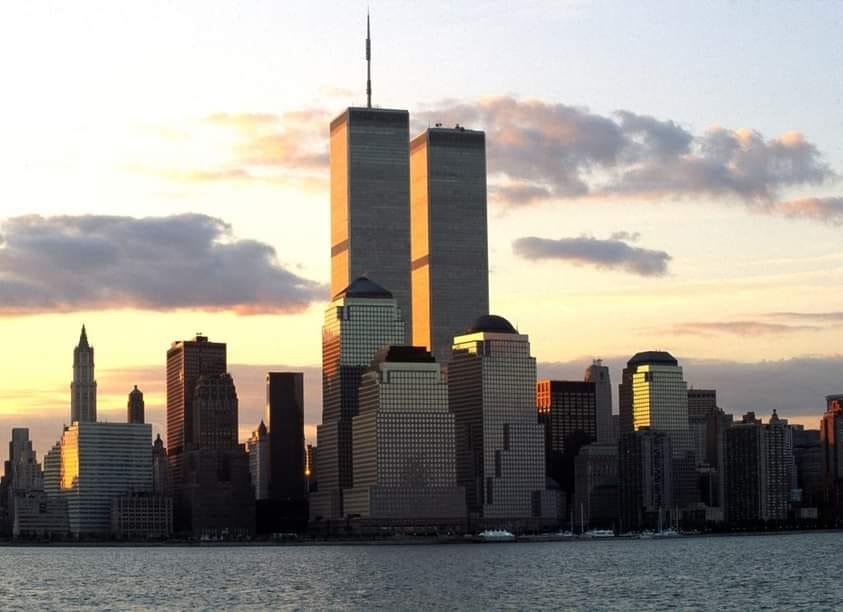
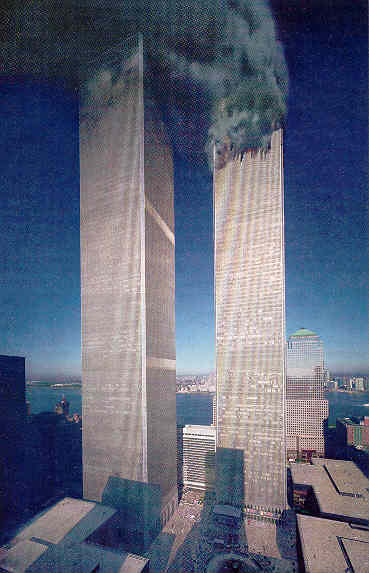
national symbol, the New York Twin
Towers. However, I had no idea that this
prophesy would be fulfilled literally the very next day. My students never forgot this act of
unintended prophecy. But tragically, I
lost two former parishioners in that disaster.
Thus this was indeed horribly painful prophecy, something I would hope
never to be called on to do again.
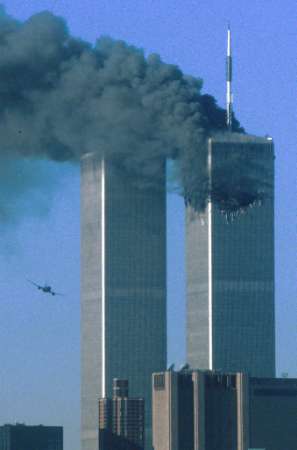
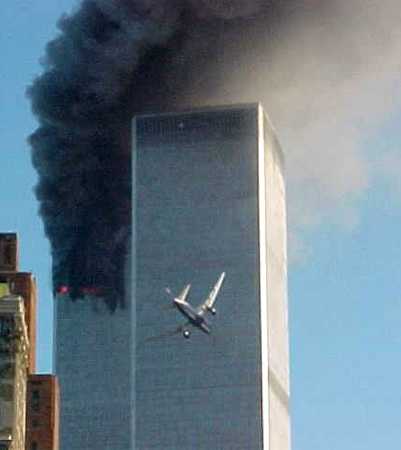
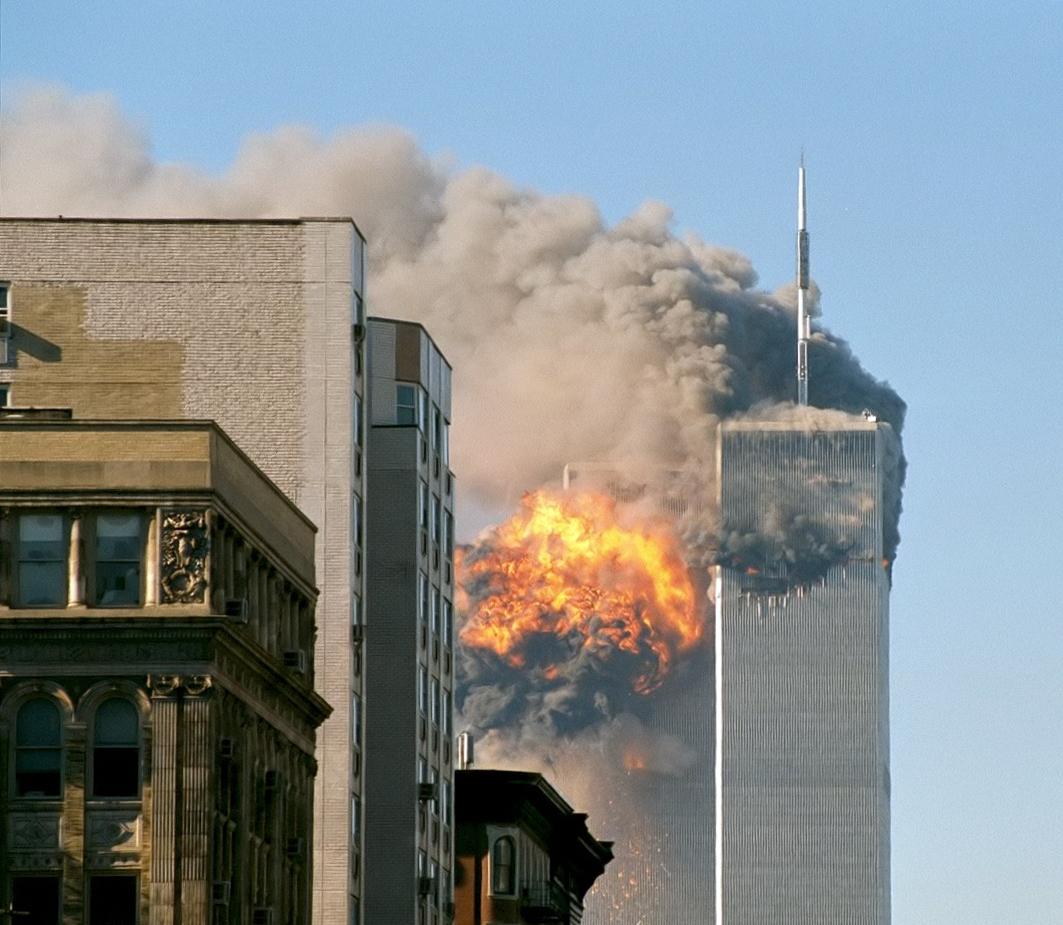
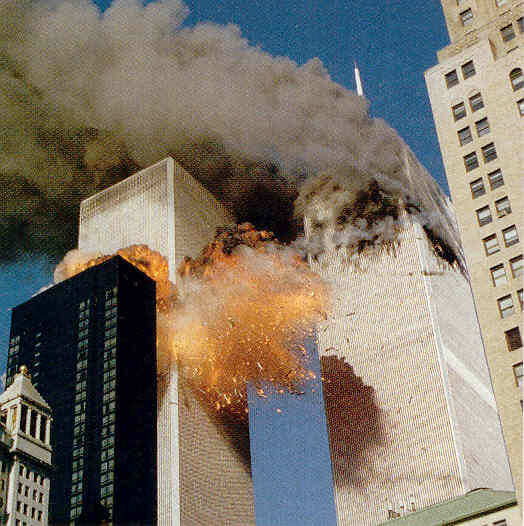
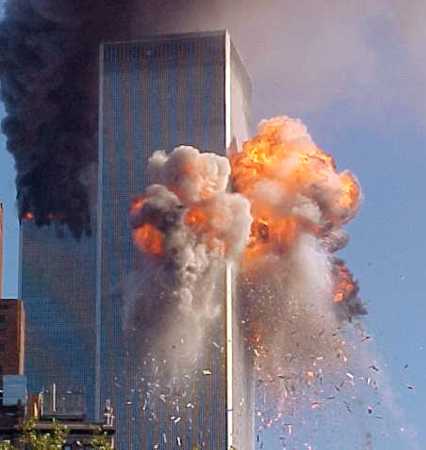
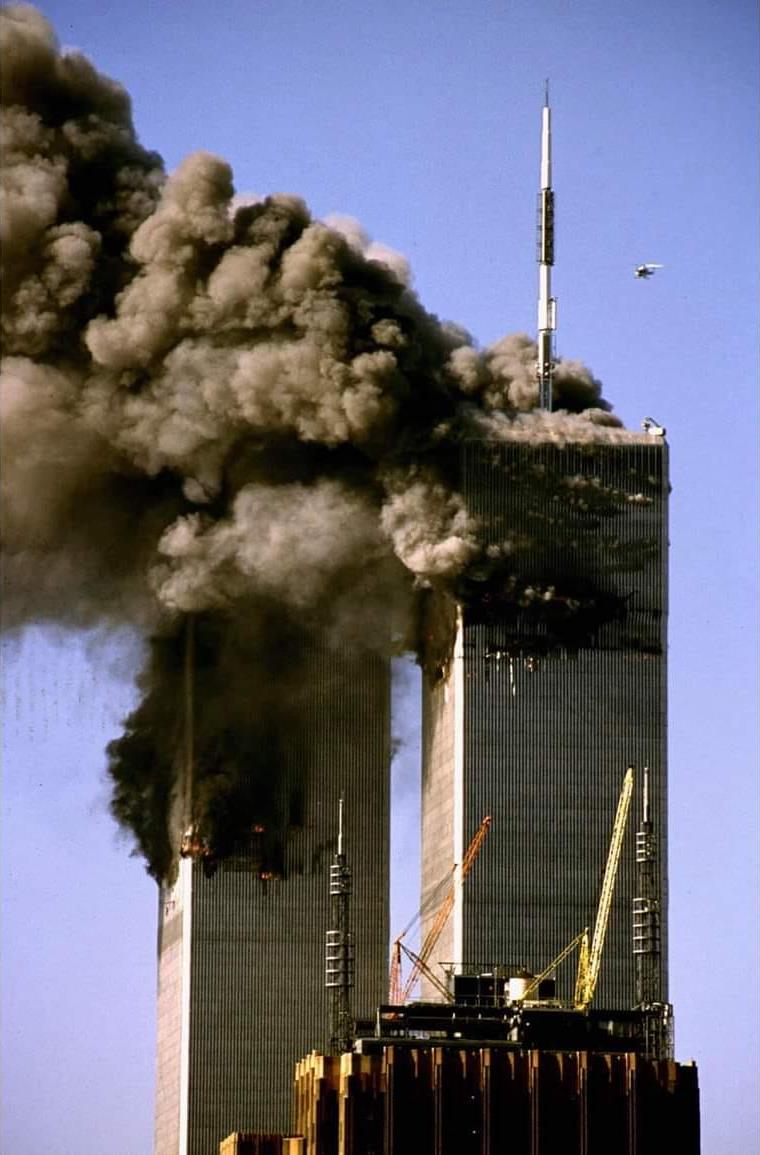
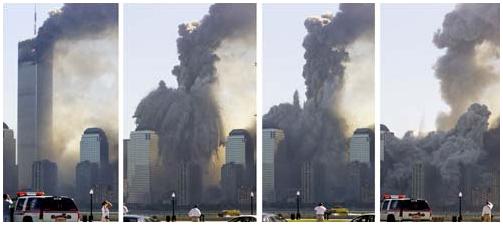
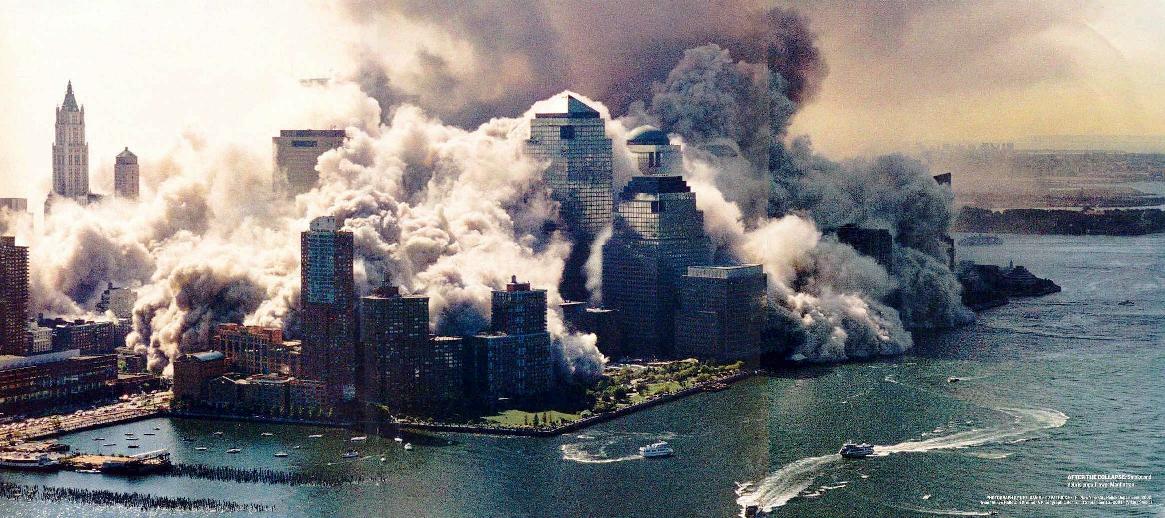
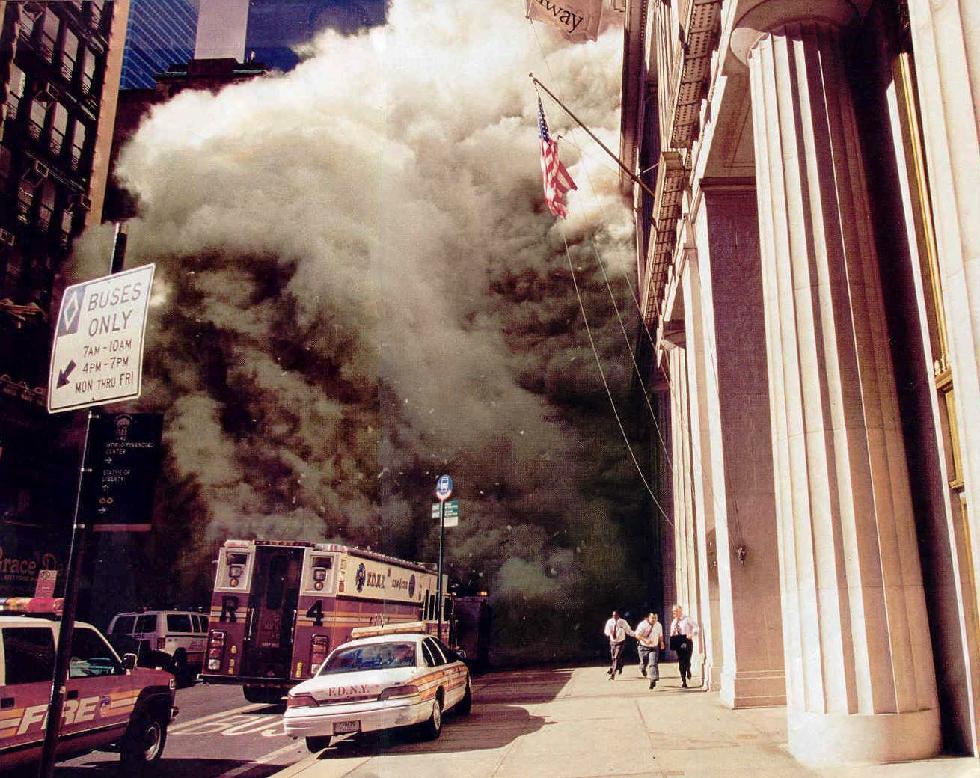
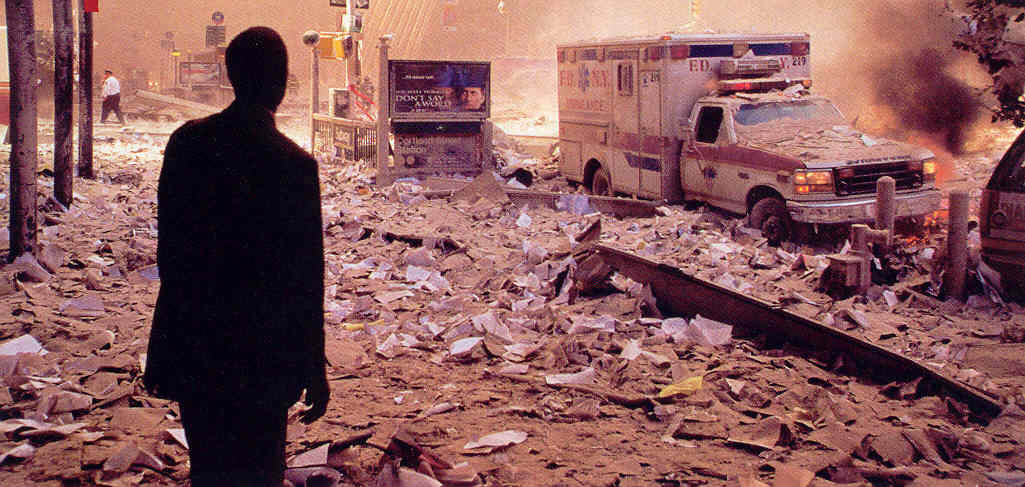
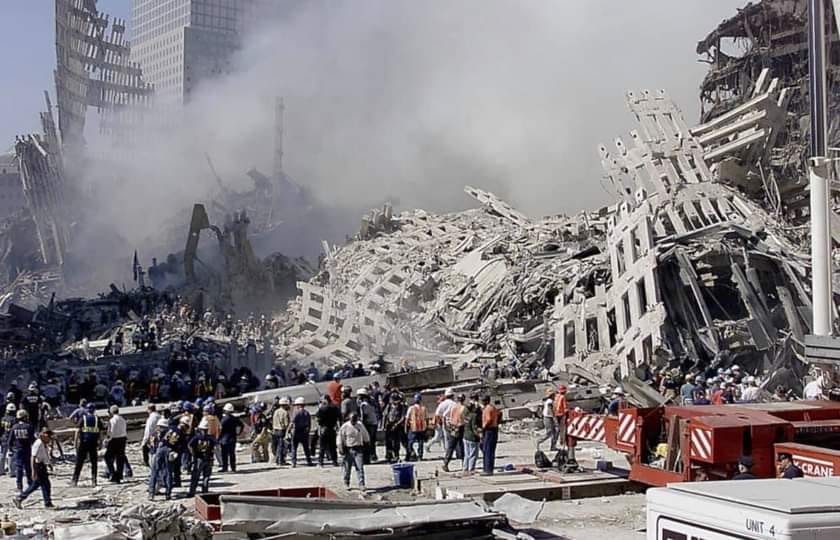
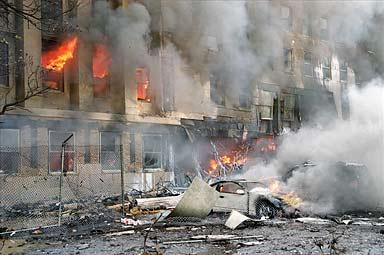
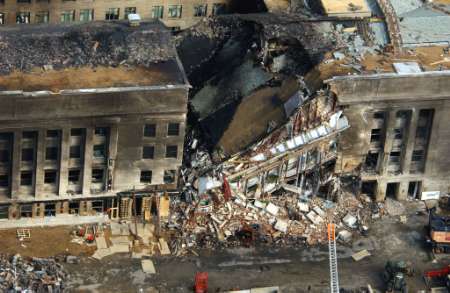
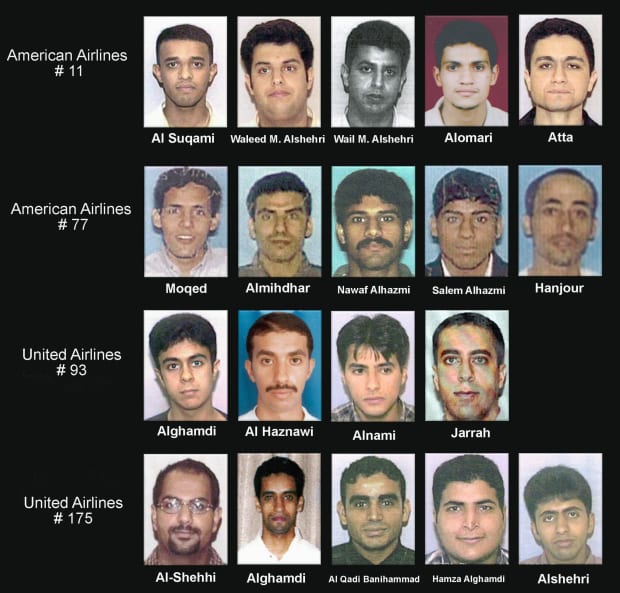
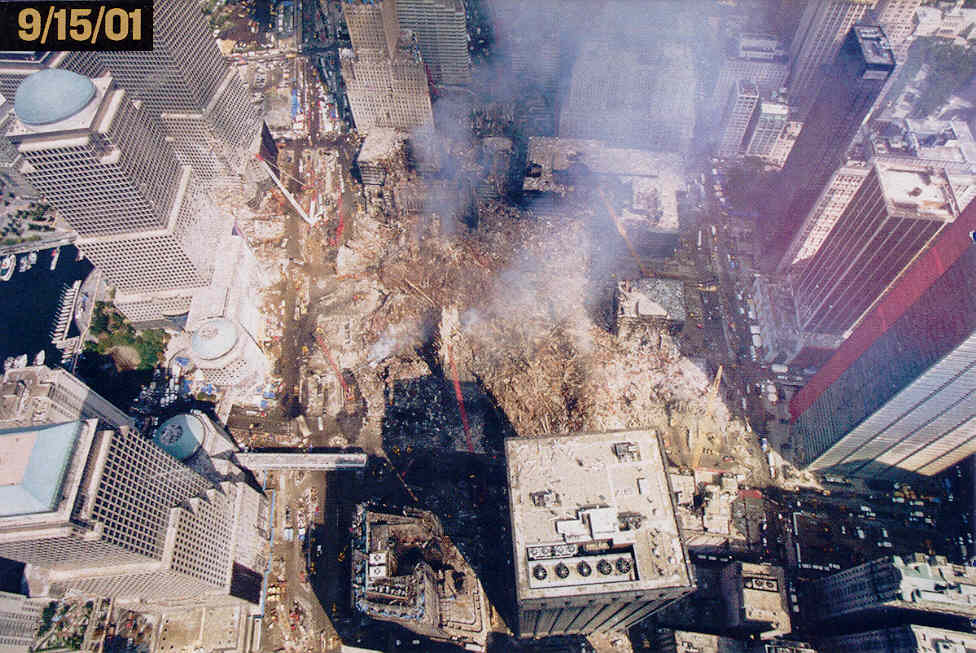
Four
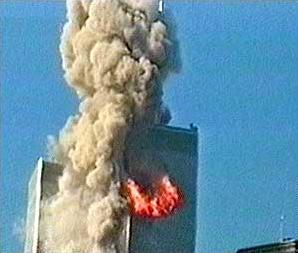
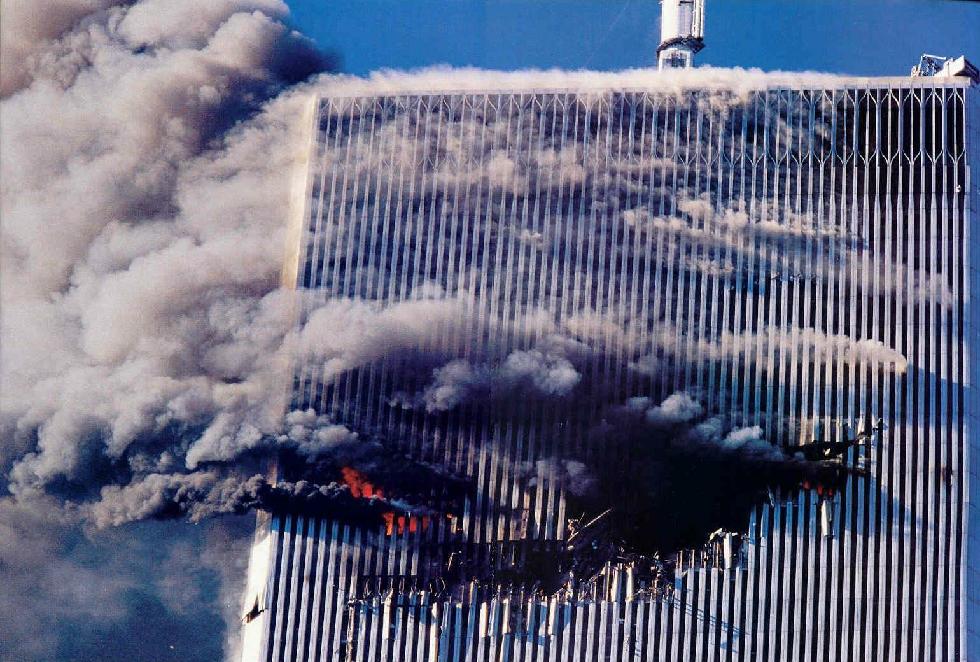
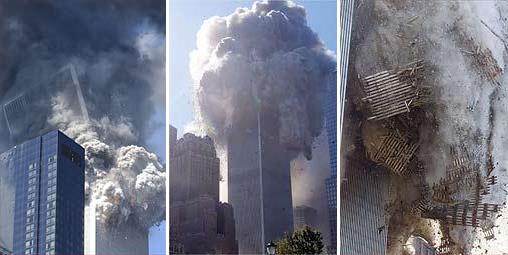
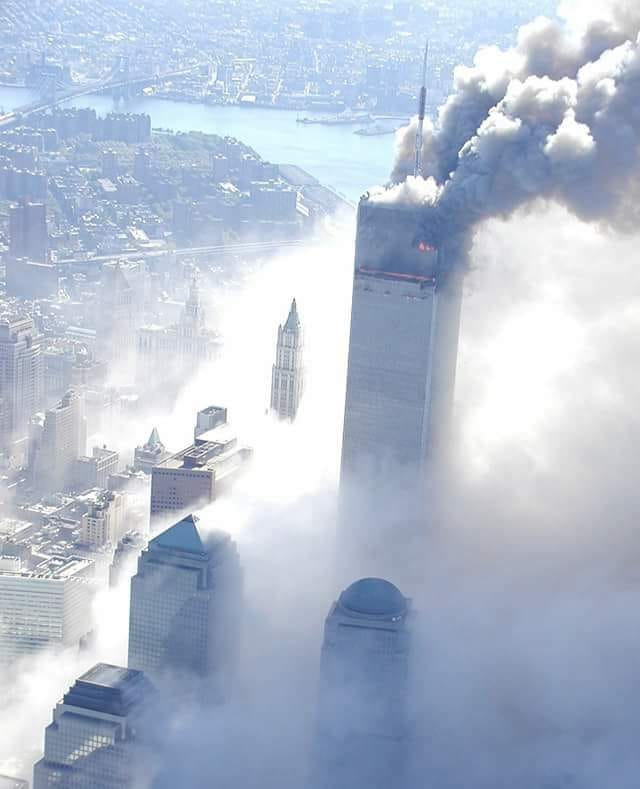
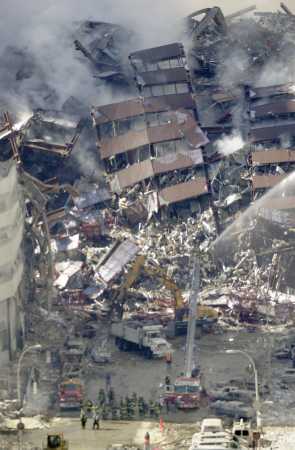
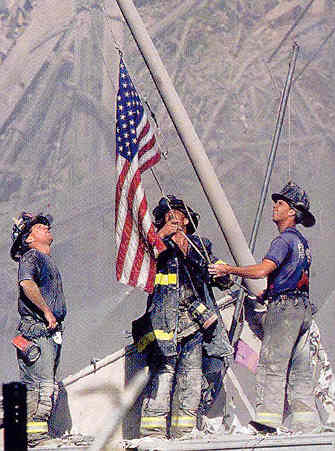
commercial airplanes had been hijacked by al-Qaeda jihadists. Two planes were flown straight into the New
York World Trade Center buildings, eventually bringing them down, with 2,600
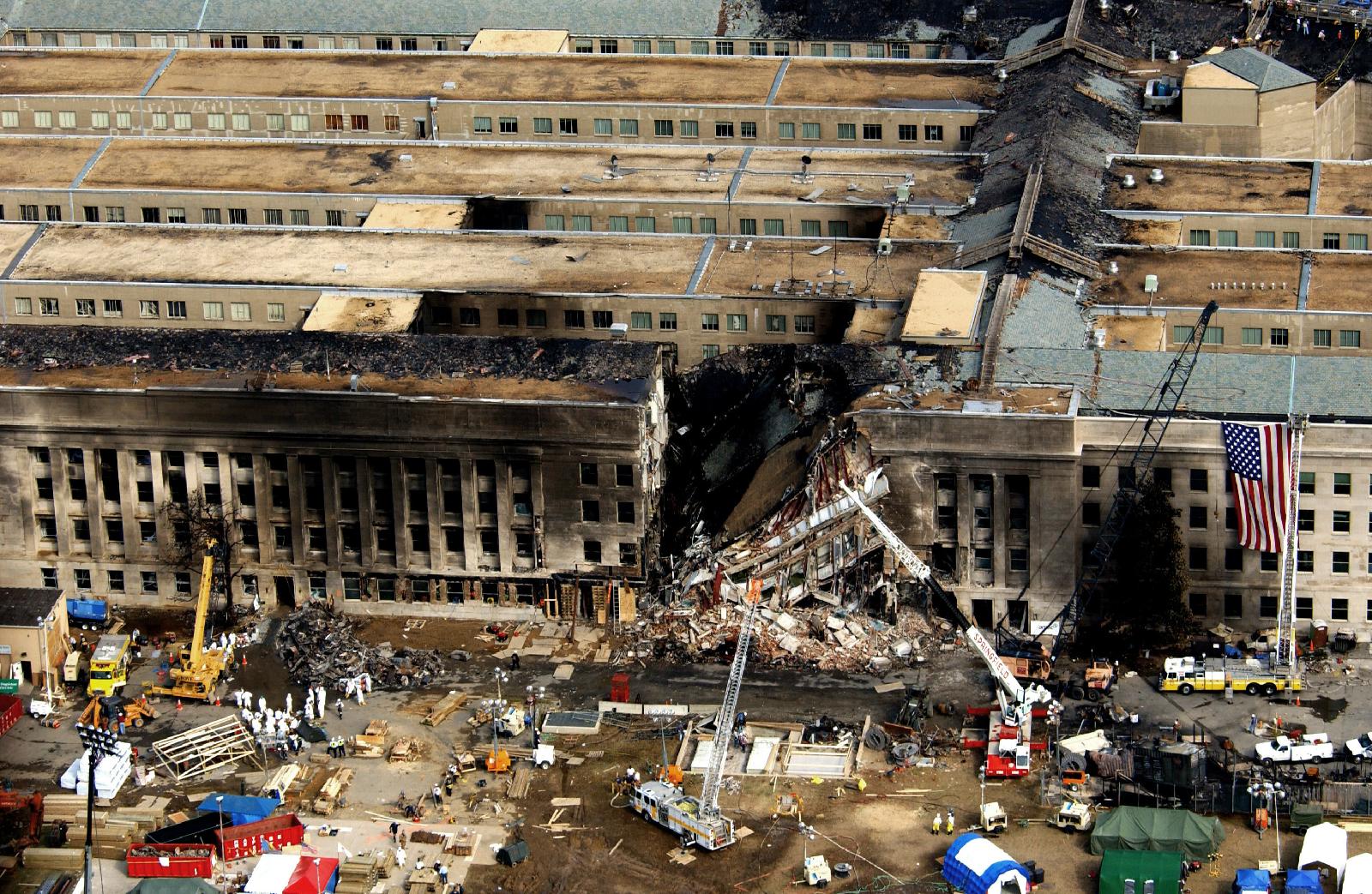
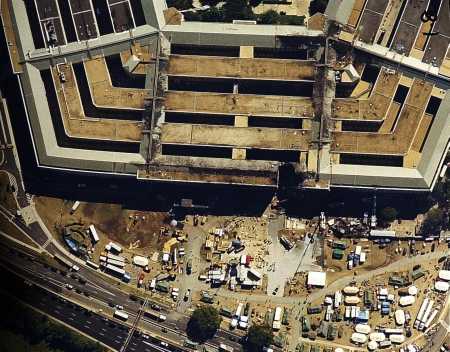
office workers, police and firefighters dying in the tragedy. Another plane was aimed at the Pentagon
building, killing 125 officers and workers there. And one flight – alerted via cell phone by
spouses that their hijacked plane was undoubtedly headed for a strategic site
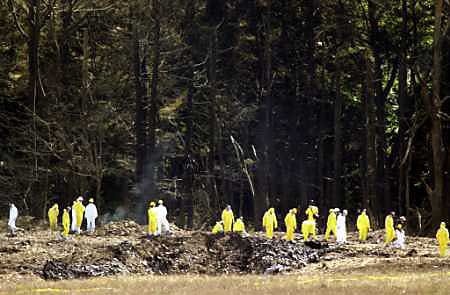
in Washington, D.C. – was brought down in rural southwestern Pennsylvania by
very heroic passengers. All aboard were
killed (40 passengers and crew as well as the hijackers). But either the Capitol Building or White
House (the probable goals of the hijackers) was spared the fate of the Twin Towers and the Pentagon.
America – and the world – was stunned, though parts
of the Muslim world understood the jihadist source of the hit and celebrated
this "victory" accordingly.
It is not that the world should have been completely surprised by
this event.[1] A similar attack had happened only eight
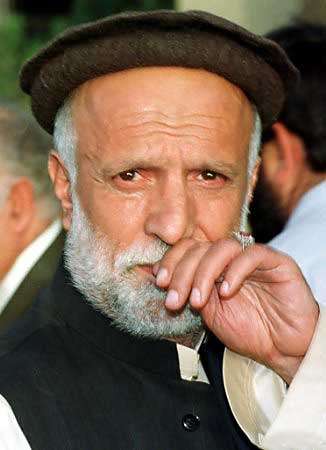
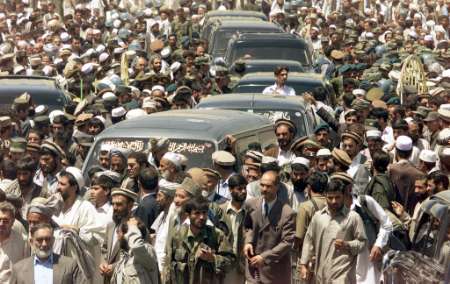
years earlier. And a key Afghan ally of
America's, Massoud, had been assassinated only a
couple of days earlier – and the American intelligence community sensed that
something big might be about to unfold.
But the sharing of intelligence across the many agencies involved in
such national intelligence activity was very poor – actually rather competitive,
thus the subsequent creation of the Homeland Security Office in order to force
better cooperation within the intelligence community.
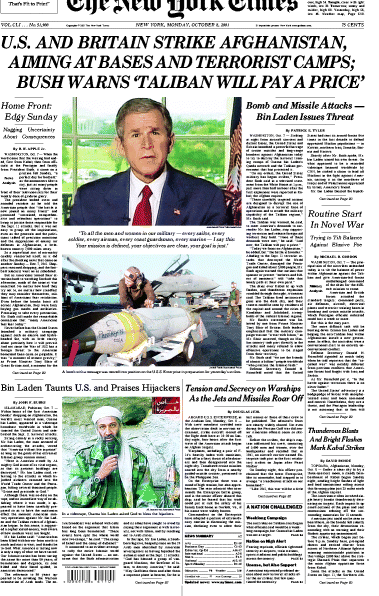
In any case, it took no time to realize that behind
this all was the hand of Osama bin Laden and his al-Qaeda jihadist group. His training camps in Afghanistan were well known
to American intelligence, as well as the even more numerous camps located in
America's supposed ally Pakistan.
| THE "BUSH DOCTRINE" |
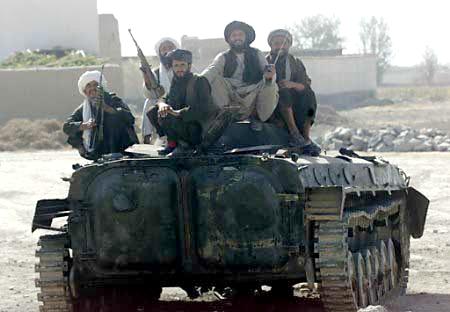
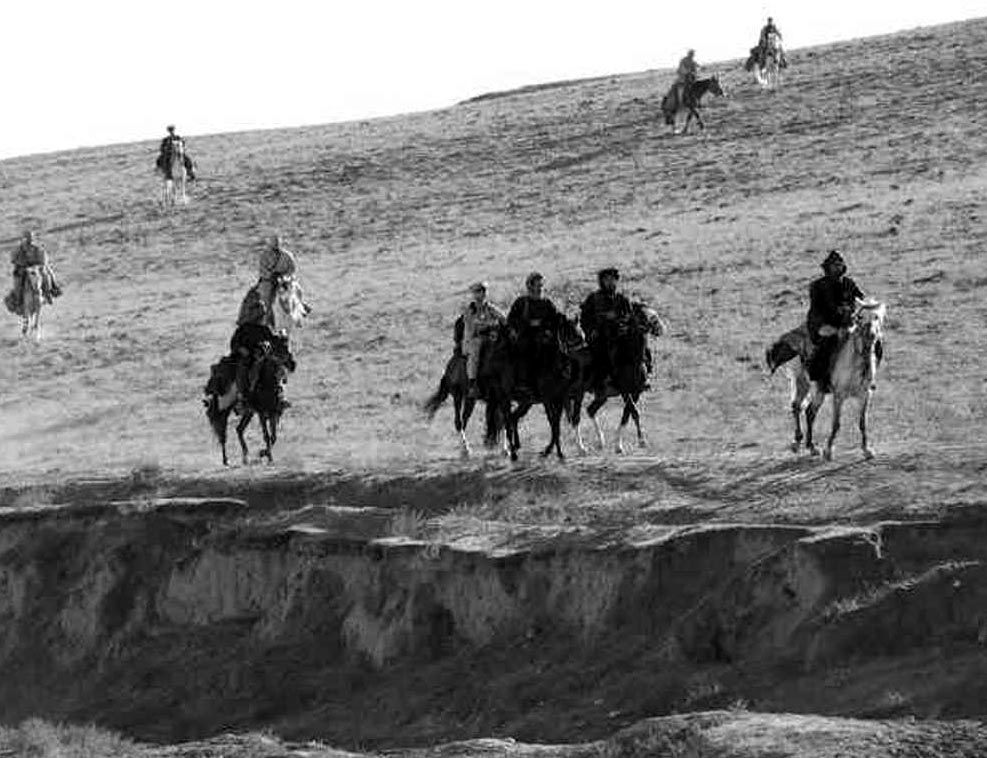
At the time, supposedly the search for bin Laden involved only the Taliban group that had overthrown
Massoud's Northern Alliance group and taken
control of Kabul, the Afghan capital.
But clearly the Taliban were in no mood to give up bin Laden and his terrorist
organization. To them the al-Qaeda terrorists were heroes,
defenders of Muslim integrity.
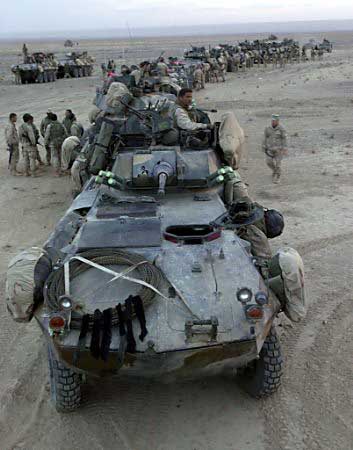
And so the Americans would have to devise
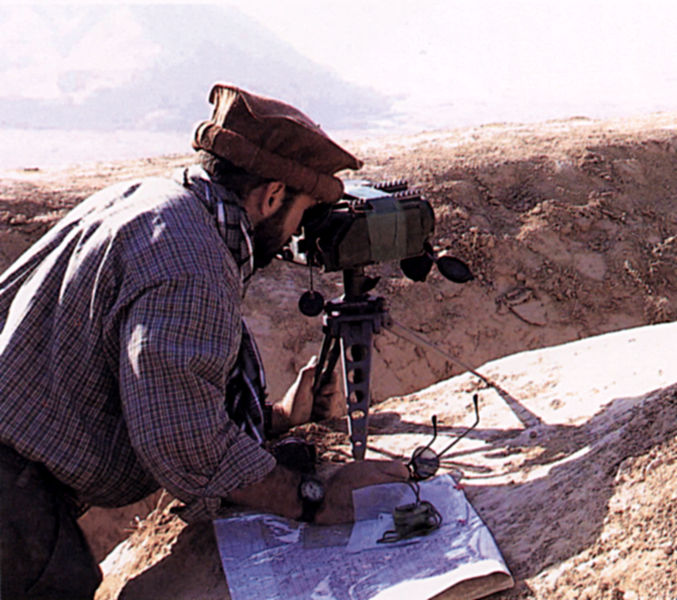
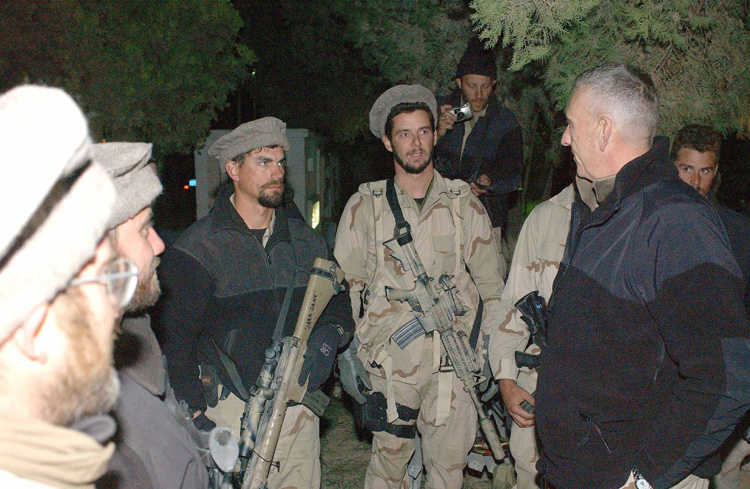
their own way to bring down bin Laden and al-Qaeda. Supposedly this would involve undercover work
of CIA operatives – bribing local clan
leaders to zero in on bin Laden. But even then, such action would involve some
large-scale operations which certainly were going to involve deep conflict with
the Taliban.
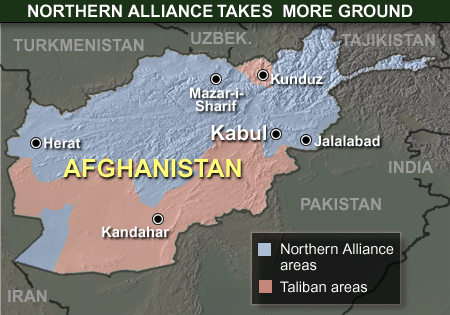
As
it turned out, the Northern Alliance – even with its
leader gone – was able to keep itself organized and, with the aid of NATO airpower, ultimately was able to
chase the Taliban out of the Afghan capital of
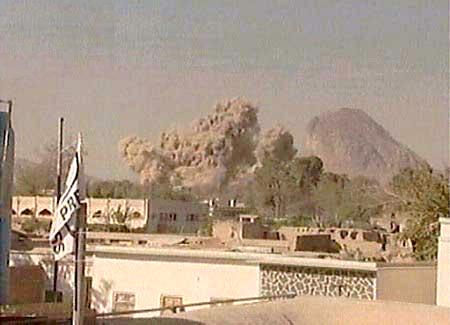
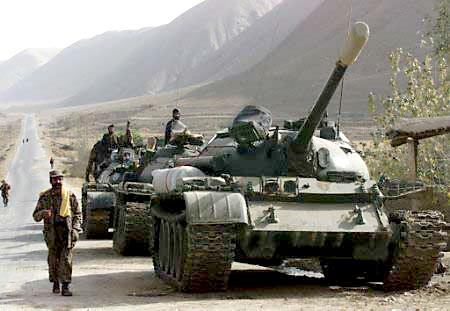
Kabul (mid-November) and off into the Afghan Tora Bora mountains. But still, this did not bring bin Laden or al Qaeda to account.
NATION-BUILDING IN AFGHANISTAN
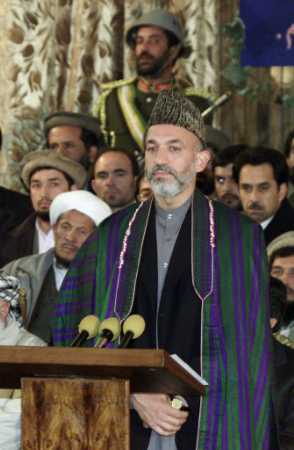
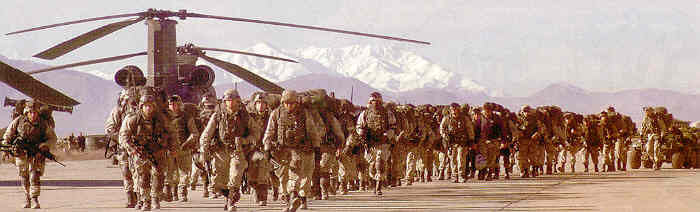
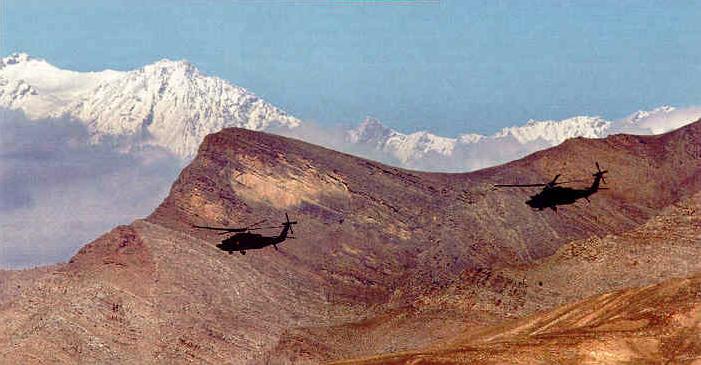
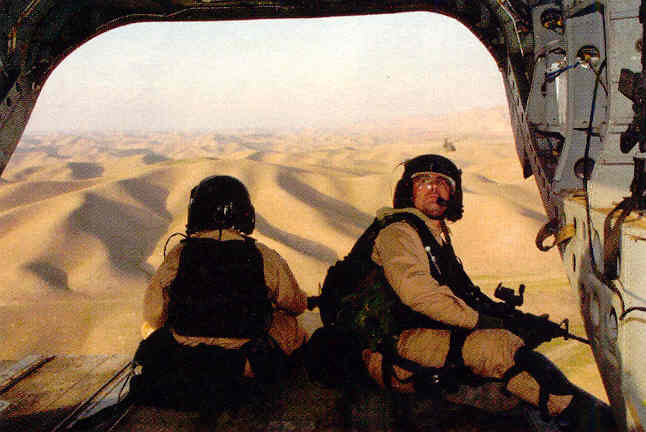
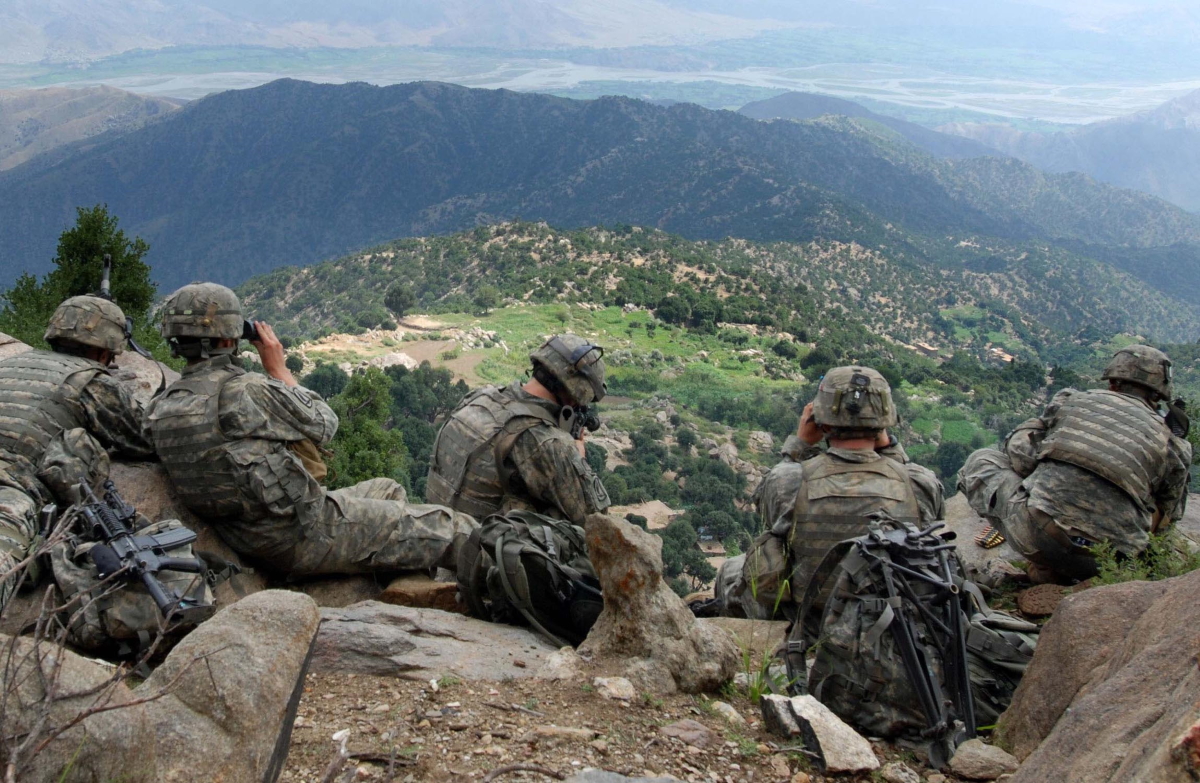
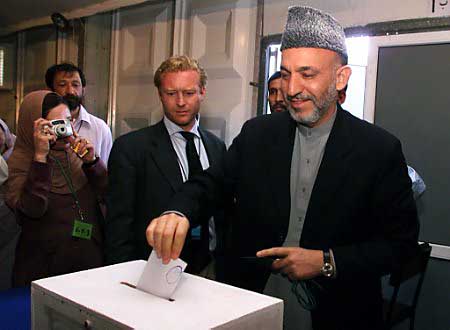
In
short, the Bushes were now focused on "nation-building" in Afghanistan
– a much, much bigger process than simply bringing bin Laden to justice.
While
such talk impressed many Americans and Westerners, it also impressed many in
the Muslim world – except in the very opposite manner. Americans find it virtually impossible to
understand that not everyone else in the world goes at life, or even wants to
go at life, the way they do. Muslims
understand that the good life comes from a universe in which everyone finds a
place of submission to the larger order of things, children to their parents,
wives to their husbands, families to their elders or community leaders (from
tribal sheiks to religious mullahs), regional community leaders to their ruling
or presiding princes, amirs, kings and ayatollahs, and all of them ultimately
to Allah. The central idea in Islam is "to submit." Muslims are "those who submit."
American (especially Boomer) talk about pursuing full
personal freedom from any and all authority shocks Muslims, appearing to them
as something very dangerous to human order, to the good life, especially to the
pleasure and blessings of Allah himself.
Thus when Americans go invading a Muslim country to bring "democracy"
as part of a new nation-building venture, this is not
destined to work the way Boomers believe it is supposed to. "Freedom of choice" to Muslims
means the opportunity to show ever stronger support for those in authority, not
infrequently in opposition to other groups seeking to do the same. If this is not handled carefully, such "democratizing"
can easily plunge a Muslim society into a horrible state of civil war among
local groups that have found no higher personality to unite around. Thus dumping Muslim "dictators" is
a very dangerous program in the Muslim world.
And
America was soon to discover this. And
once again, America would also fail to take note of the actual dynamic –
instead simply pushing ever-harder to make their version of social dynamics
work in a setting where there was no natural inclination of the people
themselves to go the way Americans thought things should go! Therefore, things would get very brutal, very
fast.
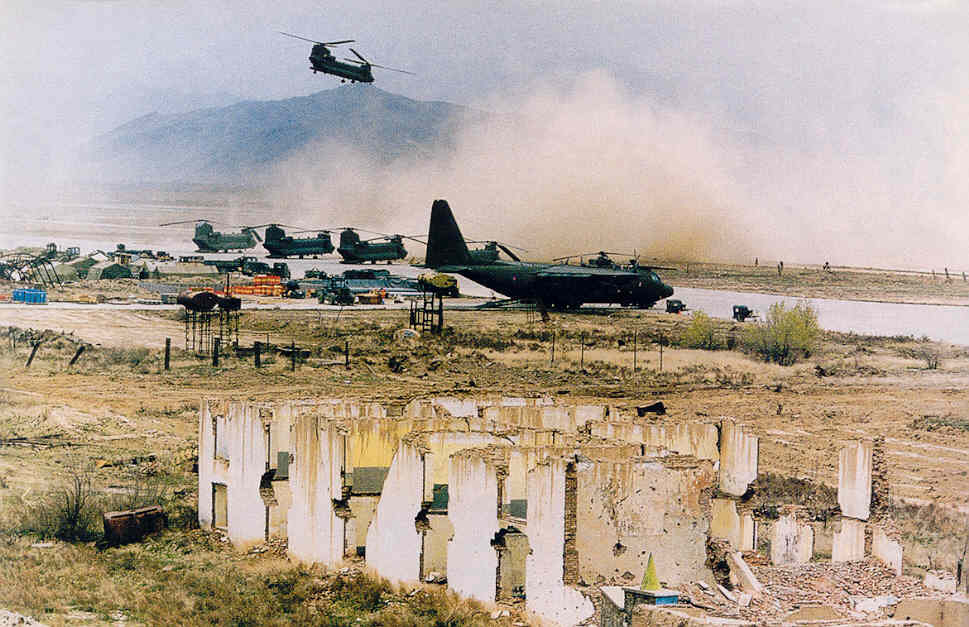
With
the decision to go to full nation-building in Afghanistan the
operation was taken out of the hands of the CIA and put under direction of Donald Rumsfeld and his Department of
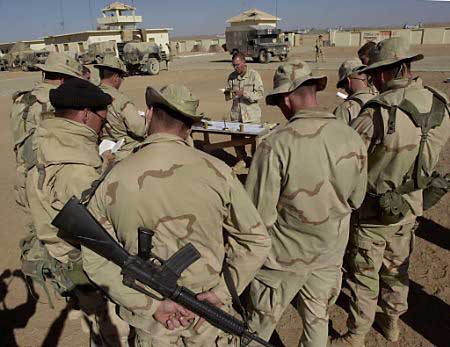
Defense – that is, the American military establishment. But of course the U.S. military was by no
means battle-ready at a moment's notice for such an operation, and would need
weeks of preparation, during which time bin Laden naturally slipped into the
mountains – and then probably back into Pakistan.
And
there in Pakistan, where the Americans had no authorization to pursue him, he
would be safe from the American military's effort to hunt down him and his
organization. Because Pakistan was a supposed American ally, and because it was
a nuclear power, and because Pakistan made it very clear that they too would
under no terms give bin Laden and al Qaeda over to the Americans, Pakistan was
one place – the key place in fact –where the Bush Doctrine did not apply. Thus in terms of political reality, the "Bush Doctrine" had no real
meaning.
But
in any case, the "democratization" of Afghanistan would supposedly
justify any and all American political and military operations in Afghanistan –
even if all that ultimately had nothing to do with bringing bin Laden to justice.
This
would prove to be a major American foreign policy distraction –along the lines
of Johnson's Vietnam program – one which would
prove very costly to the Americans, and to the Afghans. And it had strikingly similar qualities to
the (failed) Soviet efforts earlier to bring Afghanistan into their political
orbit. But Bush took no notice of the dynamics
that made his program there look extremely costly – with little real political
benefit likely to come from the effort.
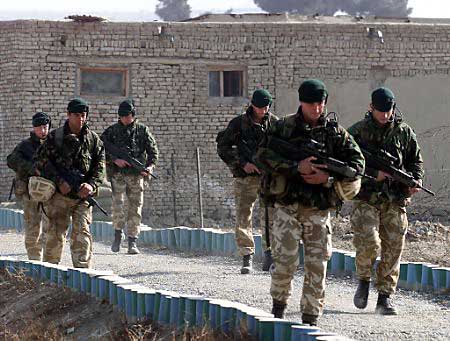
But
oddly enough, America had the rather substantial assistance of a number of its
European NATO allies, in part due to the fact
that they too had lost some of their own citizens in the Twin Towers tragedy. But what that had to do with Bush's program of democratizing
Afghanistan was just as remote for them as it was for America.
NATION-BUILDING IN IRAQ
But
unlike his successful efforts in enlisting allies for his Afghan program, he
got very little support from the international community (Britain would however
join Bush in this enterprise – at great
loss to both Britain and its Prime Minister Tony Blair). At first Bush tried the "Bush Doctrine," claiming Saddam's support for al-Qaeda, and thus candidacy for
American retribution. But nobody bought
that explanation. Then in September
2002, Bush went before the United Nations
General Assembly to put forward the claim that Saddam was violating the
international restrictions he had been placed under since his rebuke over
Kuwait – that Saddam was secretly developing
weapons of mass destruction (WMDs).
But
as we have seen, he overstepped himself in Kuwait and he and his army got
burned badly. He was put under all sorts
of military quarantine which restricted his venturesome ways – though not
necessarily his language, used to keep himself "important" in the
eyes of his own people. Bush Sr. had not bothered to do more
than kick him out of Kuwait, but had gone no further in the matter of hemming
in the loud dictator. As his then Secretary
of Defense Dick Cheney would later explain, to have
gone deeper into Iraq would have amounted to entry into a "quagmire." Nothing would be gained – at great expense to
everyone concerned.
But Bush Jr. somehow decided that the
world would be a better place if Saddam were to just disappear. And it would also offer Iraq the opportunity
to go "democratic." That, to Bush, justified the huge
enterprise. He was determined to go nation-building in Iraq, no matter
what the cost involved.
But Bush's cabinet seemed to be less than
unanimous about undertaking this project.
However, Dick Cheney, now Bush's Vice President and closest
advisor, was changing his tune – and was now fully in favor of jumping into the
quagmire. Likewise his Secretary of Defense, Donald Rumsfeld, not only had the U.S.
military standing in readiness, but had the perfect candidate in mind, Ahmed
Chalabi, to lead Iraq to "democracy."
And the U.S. Congress, in October of 2002, not wanting to appear to be
unpatriotic, authorized exactly such action in Iraq – by a huge majority:
297-133 in the House and 77-23 in the Senate.[2]
The
physical evidence in this claim offered by U.S. intelligence was very
questionable – and it quickly appeared that the larger world was not buying his
story. Ultimately the UN simply decided
to send more inspectors into Iraq to see what evidence they themselves could
find on this matter.
But
when, after months of searching Iraq, the UN inspectors were unable to come up
with any such WMD evidence, an anxious Bush saw his case before the court of
world opinion weakening rapidly. Thus he
made one more effort to win the world to his cause, using the excellent
international reputation of his Secretary of State, Colin Powell, to make a hopefully
compelling presentation in February of 2003 before the United Nations on this WMD matter. Bush also had an American proposal
put before the UN Security Council authorizing action against Saddam. But when it became apparent that France,
Russia and Germany were strongly opposed to this, he had the proposal
withdrawn.
Bush thus decided that he was going to take out Saddam anyway, no matter what the rest of the world's
opinion happened to be on this matter.
All but 8 of the 213 Republican congressmen approved the resolution;
but 126 of the 208 Democrats did not. In
the Senate, all but one of the 49 Republicans voted for approval. But so did 29 of the 50 Democrats (one
independent voting "no"), those voting in favor including Hillary Clinton,
John Kerry and Charles Schumer – who would of course later try to backtrack
on that unfortunate decision of theirs.
INTO THE QUAGMIRE
Then
the quagmire revealed itself. Looting and ransacking of Baghdad got
underway as people scrambled to get what they could of items before the economy
shut down. Then the three major ethnic
groups that had been held together only by Saddam's tough hand fell into
fighting among themselves: the Sunni Kurds in the North, the Sunni Arabs in the West, and the Shi'ite Arab community in the East
and South. And the Turks next door –
America's long-standing NATO ally – became intensely upset
with Bush and his American invaders
because Iraqi social breakdown also jeopardized the social order in heavily
Kurdish south-eastern Turkey. This would
mark the beginning of the Turkish pull-back from its formerly close
relationship with America.
MISSION ACCOMPLISHED?
But
at this point nothing except disaster had been accomplished! And that would immediately be worsened even
further by Rumsfeld's envoy, Jerry Bremer, sent
to administer Iraq as Bremer himself saw the need. In early May, Bremer issued fundamental
Orders 1 and 2. The first declared that
anyone formerly connected with Saddam's Ba'athist Party (virtually every
professional in the country) would be prevented from serving in their former
capacity in the "new Iraq."
And the second order, issued over the objection of the U.S. military
commanders who had called on the service of the Iraqi army to keep some degree
of order in the country, was to disband the Iraqi army – to un-employ hundreds
of thousands of young men with rifles, and the knowledge of how to use
them. So upset was the U.S. military
command over this huge political blunder that all of the top generals chose to "retire"
– leaving the new military matters in the hands of a very inexperienced
American one-star general (actually Rumsfeld would direct overall U.S.
military policy from DC anyway).
It
was also at this point that anger aimed by the Iraqis against their fellow
Iraqi social-cultural opponents now got turned on the occupying Americans and
British, especially against the Americans.
At this point the real Iraqi war got underway. And it would drag on for years – a true
American (and British) quagmire.
Ultimately,
Americans never came up with any evidence of Saddam having been developing WMDs.
However, Saddam himself was finally captured,
sentenced and then executed – for committing crimes no worse than the ones Lincoln had committed in order to
preserve the unity of the U.S. against Southern rebels. Then Americans directed those Iraqis willing
to take up the task of putting together a new Iraqi constitution – something
that supposedly would finally justify this grand misadventure.
But
politically speaking, all that would develop from this effort to "democratize"
Iraq was to shift power from the Sunni Arab portion (about 20%) of the
population, the sector that Saddam had counted on for his
political support, to the Shi'ite Arab portion of the
population (about 60%), the largest of the social groups and the one that had
suffered minority status under Saddam. But oddly enough there was little gratitude
from the Shi'ites for their "liberation"
by the Americans and the British.
Instead they simply took this opportunity for revenge against the Sunnis, and then turned on the
Americans and the British when the latter group tried to settle the angry Shi'ite community down. And then
there were the non-Arabic Sunni Kurds (another 20%), who had been waiting for
decades for Kurdish independence (much to the anger of the Turks next door),
the only group that showed some degree of real support of the American presence
in Iraq.
Thus exactly how leaderless "democracy" was going to
restore social unity in Iraq instead of merely intensifying these deeper social
divisions would remain a mystery to Iraq's American and British "liberators."
None of the Iraqis had ever even heard of Rumsfeld's presidential candidate
Chalabi (!!!) and so coming up with a leader was going to become
difficult. Finally (October 2005), under
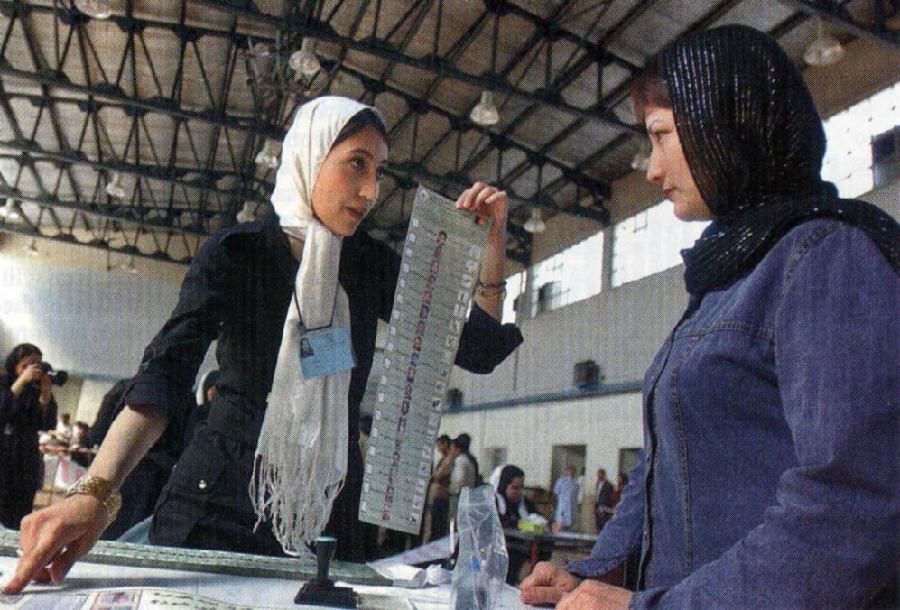
the new constitution, national elections were held (boycotted by most all of
the Sunni Arabs) and a Shi'ite, Nouri al-Maliki, was put forward as a leader
of a coalition and thus also as prime minister.
But
this in no ways settled down the violence that consumed Iraq. In 2006 the situation worsened deeply when
some group blew up the al-Askari or Golden Dome in Samarra, one of Shi'ite Islam's most holy sites. Shi'ites turned on Sunni mosques and murdered the imams
found there. Soon death squads were
roaming the country, especially in the Sunni West where American troops were
expected to keep some kind of order (although Rumsfeld was trying to maintain a "small
footprint" by keeping U.S. troops mostly restricted to the U.S. military
bases in the country).
And wouldn't you know, all this chaos (thanks to Bush)
would allow al-Qaeda and other Sunni jihadists finally to make their way to Iraq and
begin to base their operations there, a much more strategic location than
Afghanistan or Pakistan in making anti-Western mischief throughout the Arab
Middle East. Thus it was that the only
true "mission accomplished" that occurred in Iraq was the one gained
by the anti-American Shi'ites (religious kinsmen of the Iranian Shi'ites next door, Muslims pledged to bring "death
to the Great Satan America") in the Iraqi East and South, and the
anti-American Sunni jihadists in the West and Northwest of the
country.
POLITICAL REPERCUSSIONS BACK HOME IN AMERICA
[3]Scandal rather than serious news filling America’s media front-line
reporting was not a new thing. Grocery
store checkout stations had long been loaded with "newspapers"
reporting such things as: "I was raped by a monster from Mars";
"Dog gives birth to a puppy with two heads"; etc. But when the nation’s prestige papers began
to undertake this same behavior, along with national TV feeding sensationalist
"news" to the public 24/7 as simply another form of entertainment,
America’s news industry became itself a much-degraded American
institution. The Walter Cronkite days of
CBS news were clearly over.
But
the 2006 Congressional elections would hit the Republican hard. They lost their majority in the House to the
Democrats and had their position in the Senate reduced further, with also the
two Senate independents tending to vote with the Democrats.
It
was at this point that Bush got rid of Rumsfeld. He had removed Rumsfeld's cabinet rival Powell back in 2004. But Bush was now reversing course (too
late for Powell however) in getting rid of Rumsfeld. But the Republicans were very upset: why hadn't Bush done this before the elections,
when it would likely have helped the Republicans considerably?
THE 2007 "SURGE" IN IRAQ

Go on to the next section: Economic Catastrophe (2008)
Miles
H. Hodges