<


13. AMERICA STUMBLES

ECONOMIC CATASTROPHE (2008)


CONTENTS

The "easy money" disaster

Market saturation bursts the speculative bubble

Panic sets in (2008)


The textual material on this webpage is drawn directly from my work
        America's Story – A Spiritual Journey © 2021, pages 421-425.

THE "EASY MONEY" DISASTER

But at this point, Bush had big problems at home to deal with – actually huge problems, because the American economy was facing a meltdown, such as it had not seen since the early 1980s, and possibly even since the days of the Great Depression.  Much of the cause was foolish economic policies undertaken by the Bush Administration when the long economic growth experienced since those early 1980s and extended through the 1990s seemed to lose considerable steam in the early 2000s (the rapid expansion of the computer/electronic media industry had slowed up considerably, again because of relative market saturation).  To encourage continuing economic growth, Bush decided to set aside regulations carefully put in place in the early 1930s – regulations designed to protect the American financial world from falling into a speculative bubble, such as the one that burst at the end of the 1920s.  And yes, at first it looked as if the new "freeing up" of the world of American finance was giving the American economy the medicine it needed to get up and moving at the pace it had been doing so formerly.

But this was timed with (and part of the cause) of another economic issue developing at the time:  the huge growth in the American 
national debt.  It went from 57% of the nation's total economic output per year to 70% of that amount in Bush's eight years in office, actually doubling from $5 trillion to $10 trillion in that same time.  So critical had the national debt become that it looked as if merely paying the interest at the normal rate of about 6% on that debt would take up most all of the federal government's discretionary funding (the part that is not already mandated, such as Social Security funding, and thus not accessible for government spending) leaving little funding available for the government's operational programs – including the very, very expensive war in Iraq.

So a simple solution was offered by the Federal Reserve Bank:  to lower the Fed's discount rate – that is, the interest rate that the Federal Reserve charges the banking world for the financial backup banks need to conduct their own financial operations (a complete reversal of the high interest rate strategy enacted 30 years earlier by Federal Reserve chief Volcker!).  Reducing that rate would also lower greatly the interest rate that the government would have to pay to cover its own enormous (and rapidly growing) debt.  And thus it was that the Federal discount rate steadily came down, to a point where by 2008 it was running at the unheard of rate of less than 1%!!!

This cheapening of dollar-financing not only helped the federal government cover its growing debt expenses, and not only did it help America's world of financial capital (the bankers) give a boost in supporting America's world of industrial capital (the producers), it also gave ordinary Americans a major incentive to finance the purchase of a new car (why not an expensive SUV?) or a much nicer and bigger home.  With car and house loans running at amazingly low interest rates, why not?

And thus there was a rush to purchase these new goodies – especially in a hungry housing market moving faster than the rate of production (at first anyway) of these items, driving up their prices steadily (the price of a typical house would double over a ten-year period from the mid-1990s to the mid-2000s). Nonetheless, with interest rates so low, and with Americans now believing that financial indebtedness was simply a natural part of American life, Americans jumped into the market anyway – to pick up these items before the prices got any higher.

Banks also jumped into the frenzy, not wanting to be left behind in the buildup of their "assets" (the number of loans and mortgages they were holding), to make themselves rank higher in the numbers game played in the heart of this competitive financial world.

And now, with financial restrictions greatly eased, they could even extend "
subprime" home mortgages to borrowers whose actual financial abilities (the ability to continue to make regular payments on loans over a 15 to 30-year period) were at best very shaky.  This was most unwise.  But the logic was that if the holders of the loan found that they could not continue to make payments, then the house could be sold – and, with the continuing rise in the cost of houses, everyone could even make a bit of a profit in the deal.

But wasn't this cultivating exactly the same philosophy or financial mentality that led America into the grand stock-market crash of 1929?


MARKET SATURATION BURSTS THE SPECULATIVE BUBBLE

Unsurprisingly, once again, market saturation entered the picture.  Contractors had jumped at the opportunity to build new homes.  Build, build, build.  The housing market was hot, very hot.

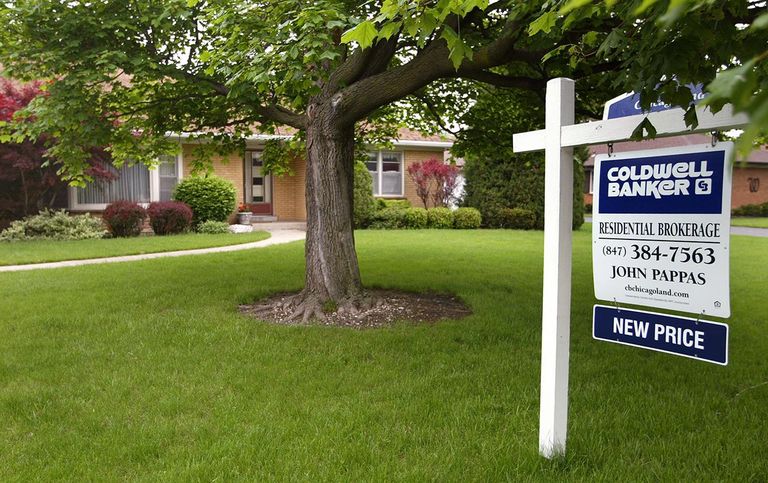
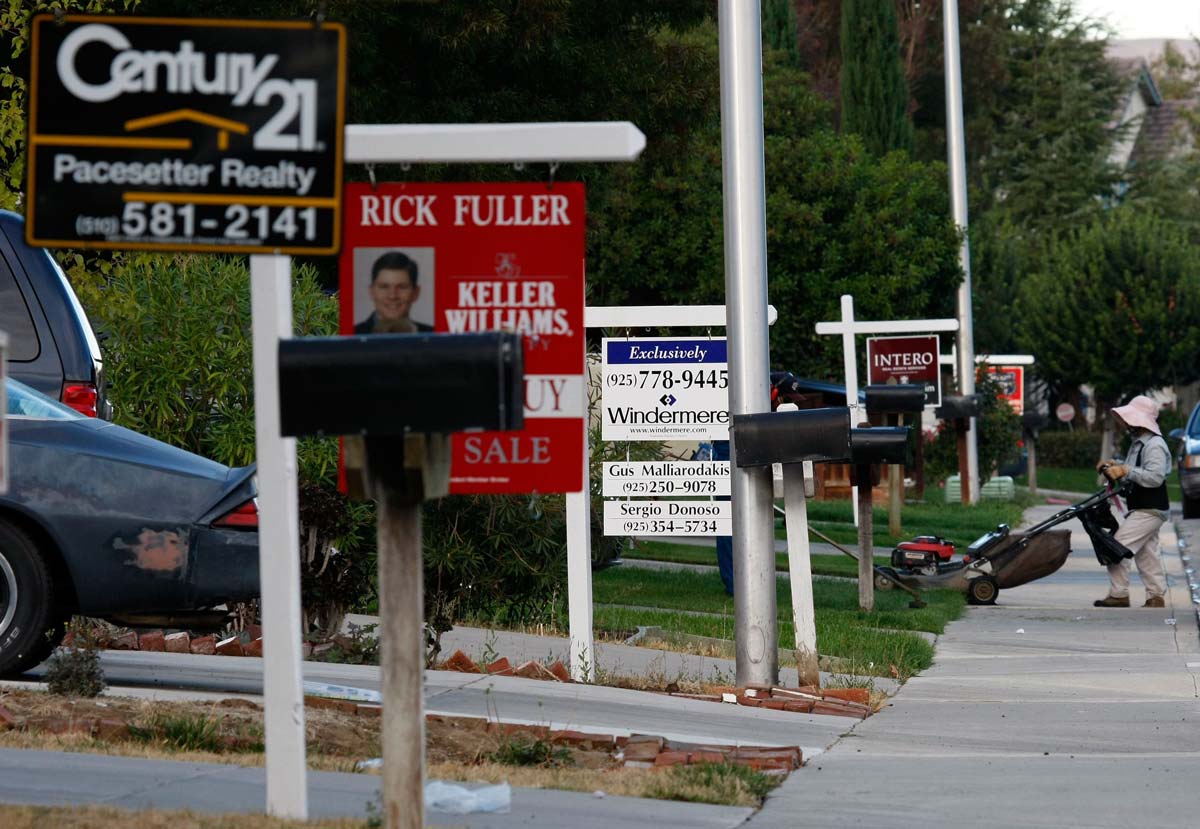
But by 2006 there appeared a slowdown in the housing market, as contractors were finding a growing number of their new homes were simply sitting there empty, unsold – with little apparent prospect for a purchaser in sight.  By 2007 it was quite apparent to all that that they simply had overbuilt housing units well beyond the interests or abilities of the world of home purchasers, even despite these low interest rates.  Consequently, there was only one thing to do at that point:  reduce prices in order to lure people to buy these unsold homes.  But once one contractor did so, thus so did another, and then another.  Suddenly the pricing or value of these homes begin to drop – dramatically.

At this point the presumption disappeared that subprime-mortgage holders, unable continue to make house payments, would be able to easily sell off their houses and walk away with a small profit.  With the dramatic drop in housing prices, people's mortgage commitments now exceeded the actual market value of their homes.  People now found themselves trapped financially ... able to escape that trap only by simply walking away from their home, losing whatever they had previously invested in that home, leaving their home now in the hands of the mortgage bank to deal with.  And many people began to do just that.

But whereas a borrower could walk away with the loss, a bank could not.  The house was the bank's problem now – a huge financial problem now that the market value for that house had fallen well below what the bank itself had originally invested in it by way of the original home loan.  The banks too could rid themselves of these liabilities only by trying to sell them off in a very horrendous housing market, involving huge financial losses with each house that they had to unload.

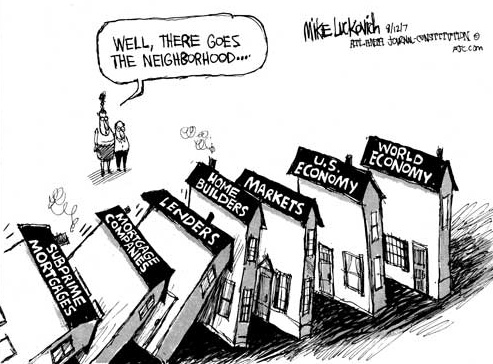
But banks are in the business to make money, not lose money.  Thus banks now found themselves in trouble, deep, deep trouble.  The speculative house-financing bubble had burst and the results were very, very ugly.


PANIC SETS IN (2008)

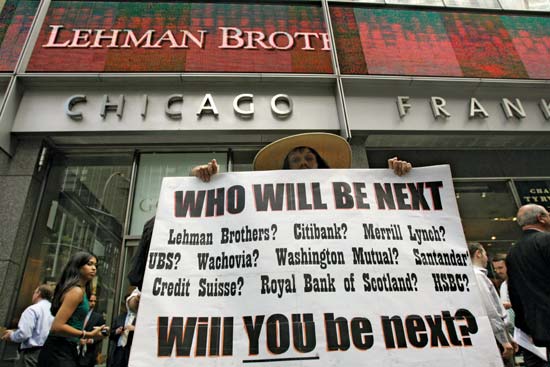
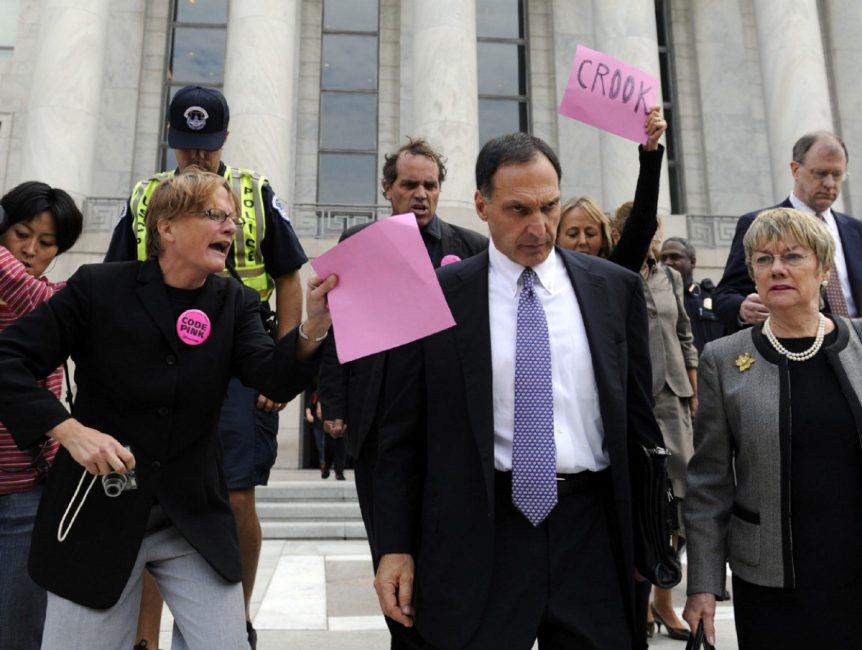
At first the huge investment bank Bear Stearns was in deep trouble.  JP Morgan (supported by a $30 billion federal loan) agreed to buy out Bear Sterns, thus avoiding a catastrophe, and calming down the nervous stock market (for a while anyway). Then by the summer of 2008, America's biggest mortgage companies, the Federal National Mortgage Association (Fannie Mae) and the Federal Home Loan Mortgage Corporation (Freddie Mac)[1] were on the edge of bankruptcy.  Here too the federal government stepped in to offer $100 billion to get these two companies going again.  Then in September Lehman Brothers was in similar trouble.  But no purchaser could be found to buy out the company, even at a greatly reduced rate.  Bankruptcy resulted.  Likewise, the stock brokerage company Merrill Lynch and the huge banking company Washington Mutual collapsed.  Then the Federal Reserve itself stepped in to bail out ($180 billion) the massive insurance company, American International Group, when the AIG found itself facing bankruptcy.
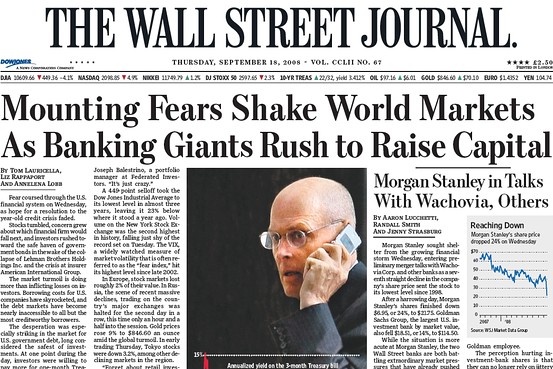
But the Republicans were ready to let the companies fall into bankruptcy (and restructuring); the Democrats however wanted to save the companies – and thus the jobs of all the workers whose support they depended on politically.

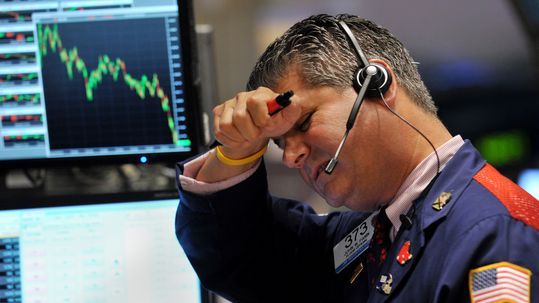
But by this time the stock market was finally in full panic mode.  
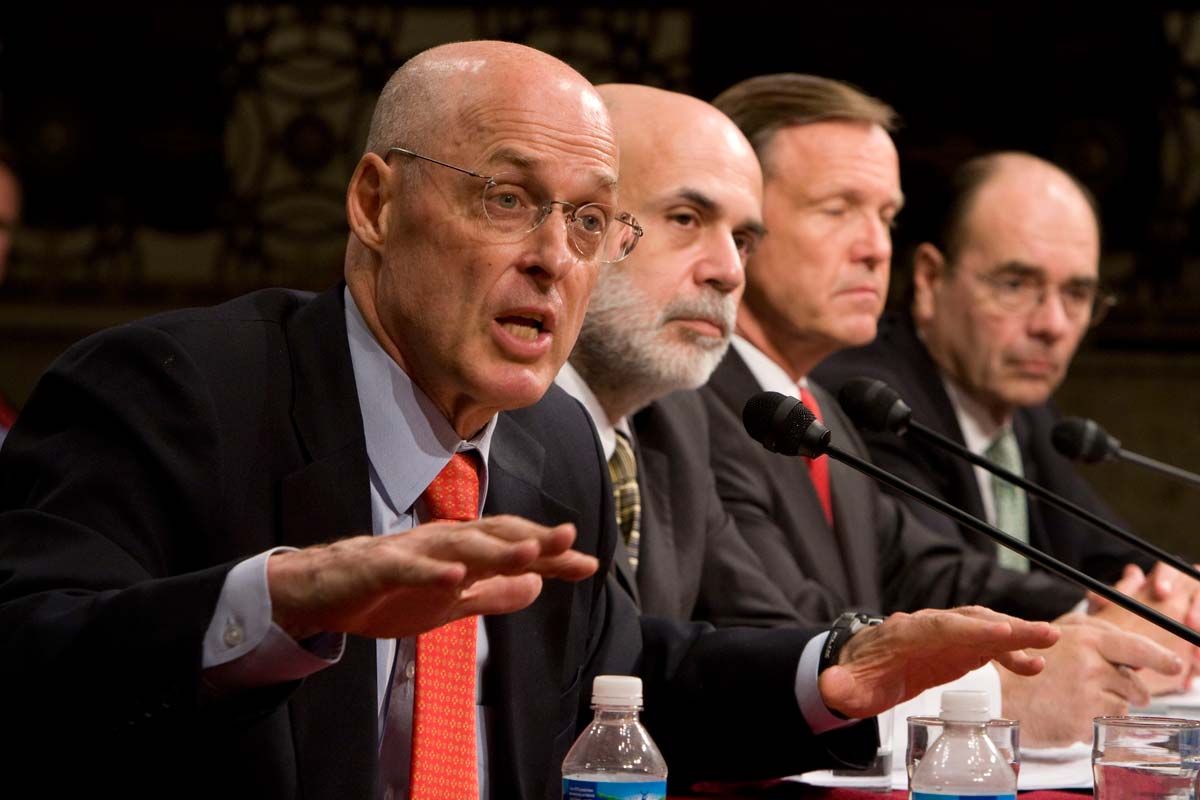
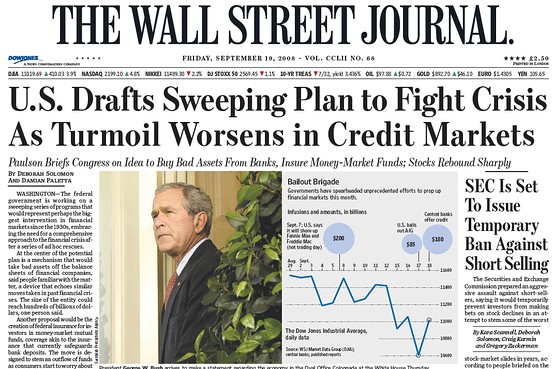
Bush then stepped into the picture in late September, presenting to Congress a request in the form of a $700 billion Troubled Assets Relief Program (TARP), to extend federal loans to troubled companies. The Republicans at first balked at this "socialist" idea.  But when in response to this "no" the very next day the Dow Jones Stock Market index lost 778 points (the worst single-day drop in the history of the stock market), the Republicans were forced to back down and accept TARP.
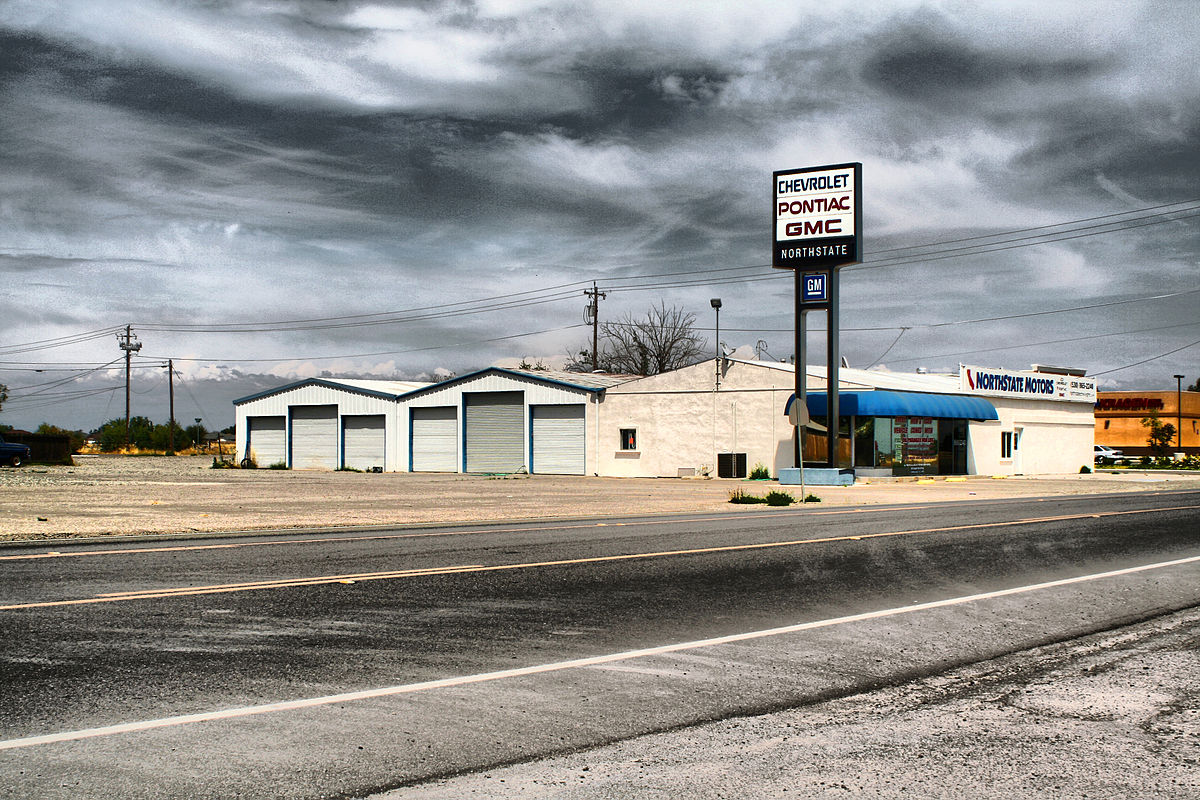
But it was not just the housing industry that was behind this crisis.  The same was happening in the automobile industry.  The "Big Three" Detroit auto manufacturers (
Ford, General Motors and Chrysler) were also having big problems selling their cars.  Gas prices were running at a high of $4 a gallon, causing a drop in the sales of Detroit's best-selling SUV and pickup trucks (the big money-makers for Detroit).  Where there was still any action in the automobile sector it was in the realm of the small sedans – where German and Japanese companies were actually doing quite well, especially with the models manufactured in America by a younger workforce (lower salaries and less expensive health and pension benefits required).  These foreign companies had over the previous ten years increased their percentage of overall car sales from 30% to 47%.  Detroit was falling into deep trouble.  And thus it was (again despite Republican resistance) $17 billion of the TARP funds were directed to helping Detroit – with the proviso that the unions would be willing to accept cutbacks on their wages and benefits.
And then Bush left the office as American president.  It would be somebody else's job to steer the country through what remained of this economic mess.


[1]Despite the names, these are not federally-owned or federally-operated mortgage companies, only federally-originated – but definitely privately-run banks, operating like any other mortgage bank.



Go on to the next section:  The Courts as America's Supreme Law-Making Bodies


  Miles H. Hodges