Thus in 1607 another attempt to secure an English position along
the North American coast took place, as a English party of three ships and
their men (no women this time) – financed by a group of London "Adventurers"
(investors) constituting the Virginia Company – arrived in America to begin the
search for America's fabled gold. They
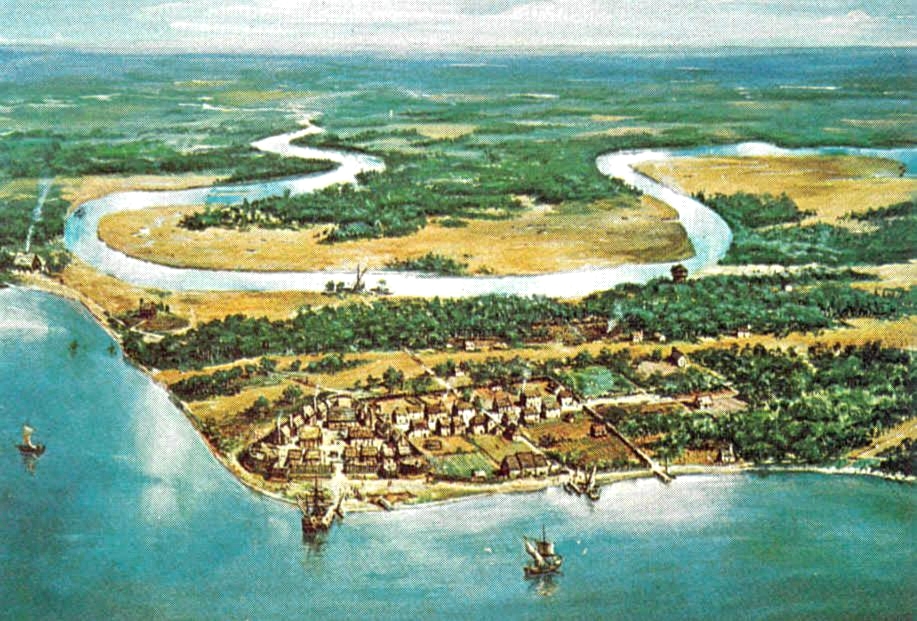
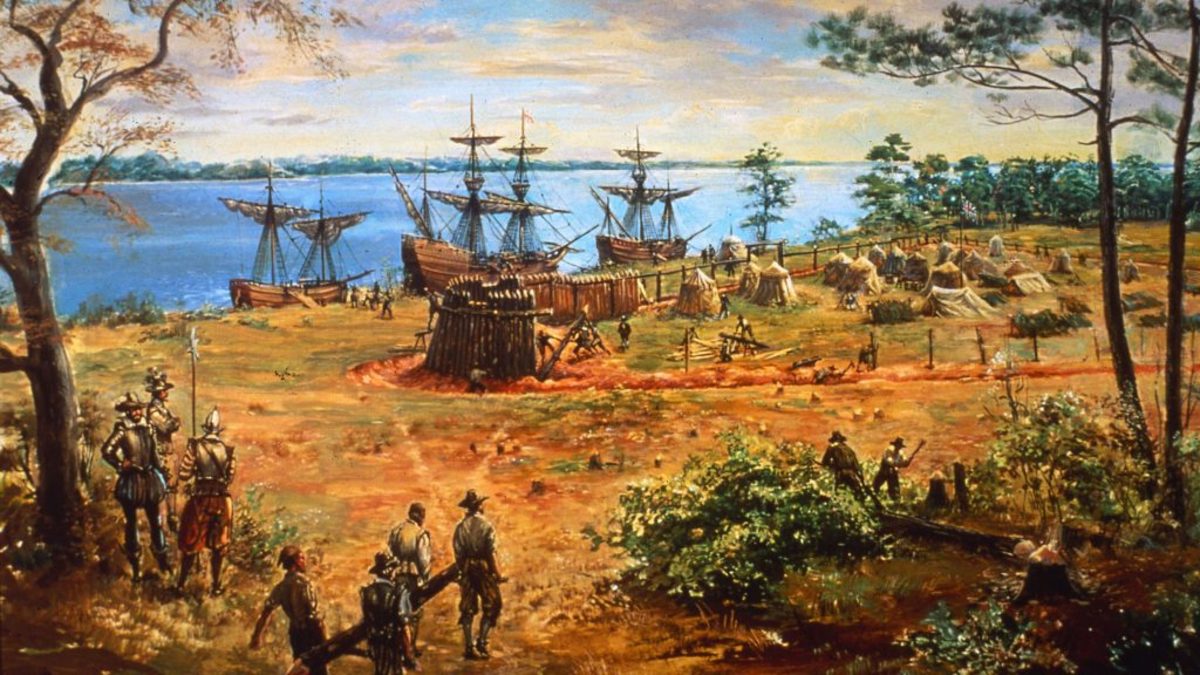
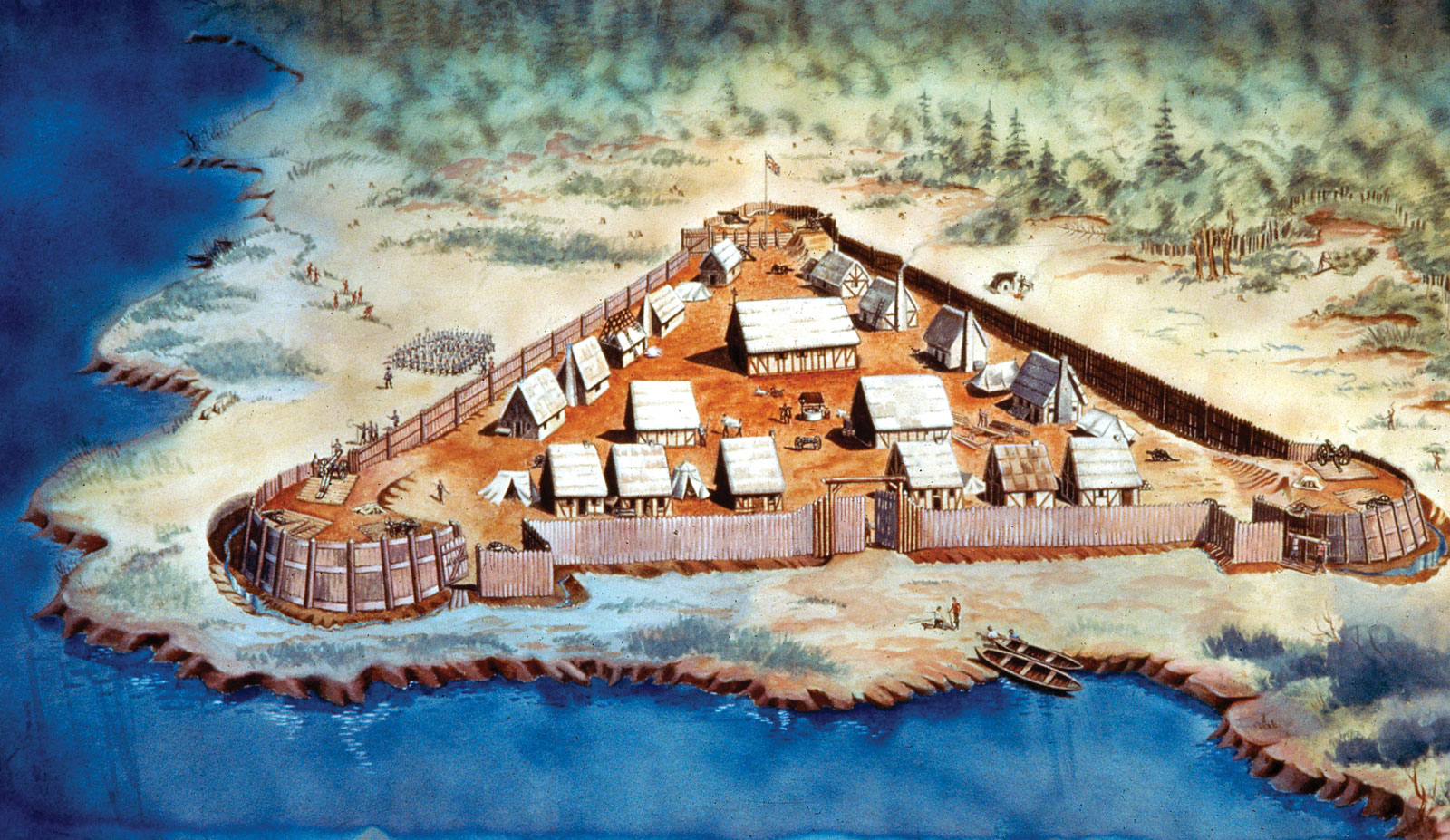
immediately built a wooden fort on a small island upriver along the banks of
one of the wide rivers feeding into the Chesapeake Bay, honoring their English
King James by naming the fort Jamestown and the river the James
River.
"Gentlemen just do not dirty their hands in common labor."
But they had made no plans to work together as a community beyond the
building of the fort. Instead they
headed out to look for the gold that would make them rich (and status-worthy). Thankfully they had enough food supplies
brought with them (or stolen from the local Powhatan tribe) for them to survive
the first winter's rigors. But with the
arrival of the next summer, no effort was made on their part to grow the food
they would need to get through another winter – for, like the conquistadors of
Mexico and Peru, they were busy looking for the wealth in gold that would allow
them to purchase land rights, which in turn would bring them into the status as
"gentlemen." And besides,
English gentlemen just simply did not debase themselves by dirtying their hands
in common labor. So, no one bothered to
grow the food the colony would need to survive.
 A big part of the problem was that the colony lacked true
leadership, the kind that could get these Englishmen to work together. Captain John Smith led the Council briefly,
though he preferred adventure (and gold-hunting) over administrative work, and
anyway was wounded and had to return to England in 1609 – returning the colony
to a leaderless existence.
A big part of the problem was that the colony lacked true
leadership, the kind that could get these Englishmen to work together. Captain John Smith led the Council briefly,
though he preferred adventure (and gold-hunting) over administrative work, and
anyway was wounded and had to return to England in 1609 – returning the colony
to a leaderless existence.
Consequently,
by the third winter of 1609-1610, they nearly all starved to death (420 of the
480 colonists died). In fact the 60
survivors were in the process of abandoning the Jamestown project when they were
intercepted in their departure by the arrival of a new shipment of 150 men and
more supplies. The colony survived at
that point – only by coming under the discipline of a new director, Lord De La
Warr (Delaware).
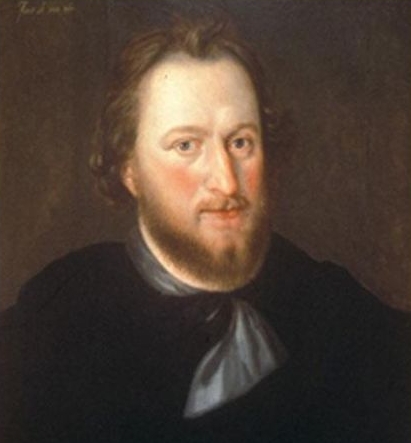
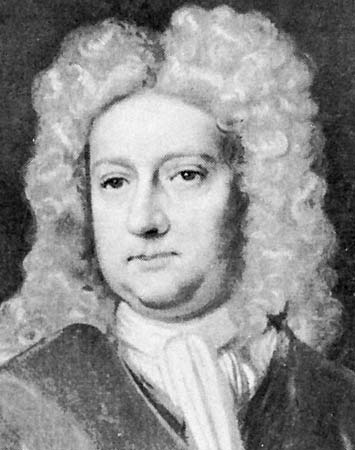
Thomas West, Lord De La Warr saved Jamestown
Indenture. More men (and eventually women) were
subsequently brought in – as indentured workers. These were common
laborers obliged for seven years to do the physical labor required to support
community life, as payment for their passage to America and for the tools and a
small allotment of land they would need to get their own lives started up in
America when the term of indenture was completed. Finally, under this new dynamic, the Virginia
colony began to grow.
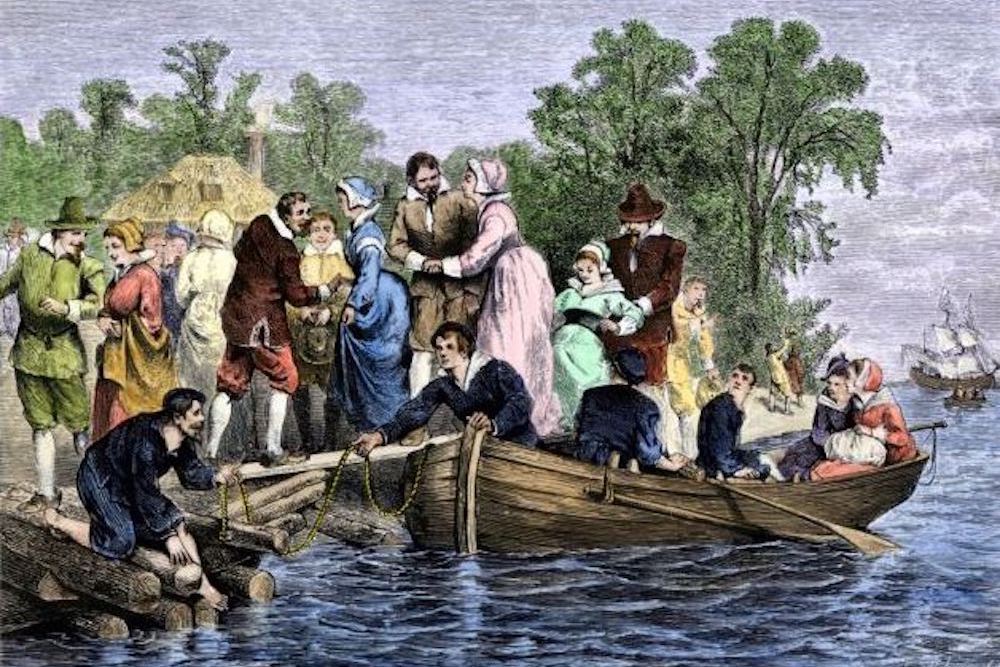
"Mail-order" brides brought to Jamestown in 1620
to start actual families in Virginia
Tobacco. Also, it was soon discovered that although no
serious amount of gold was to be found in the colony of Virginia, tobacco,
brought to Virginia by the enterprising John Rolfe, proved to be a huge seller
back in England.[1] Considerable wealth could be secured
simply by growing and shipping back to England this valuable drug. Thus vast acres of land were cleared to make
way for this single crop – one vital to the growing Virginia economy.
John Rolfe. Rolfe's passage to America had not been easy. His ship was hit and destroyed by a
hurricane, leaving Rolfe, his wife and baby stranded in Bermuda (where
both wife and child died). It was here
that Rolf discovered the tobacco seed that the Virginia economy would
eventually be based on. Finally having a
new ship constructed from the wreckage, he made his way to Virginia. Here he met and in 1614 married Chief
Powhatan's daughter Pocahontas, bringing some degree of peace between the
English and the Powhatan Indians. But
two years later in a special trip the two of them made to England to publicize
the Virginia venture, Pocahontas died, and Rolfe had to return alone to Virginia. And Rolf would live on only for a half-dozen
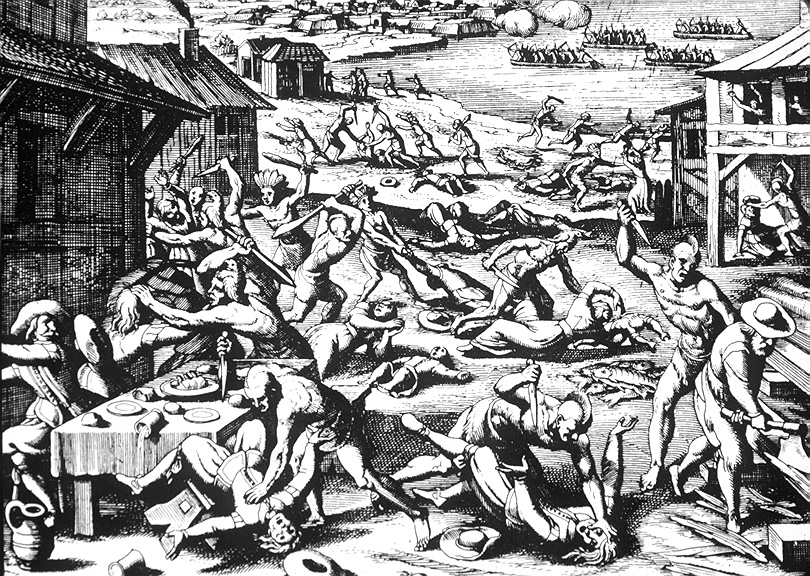
more years, possibly killed in the Indian uprising of 1622.
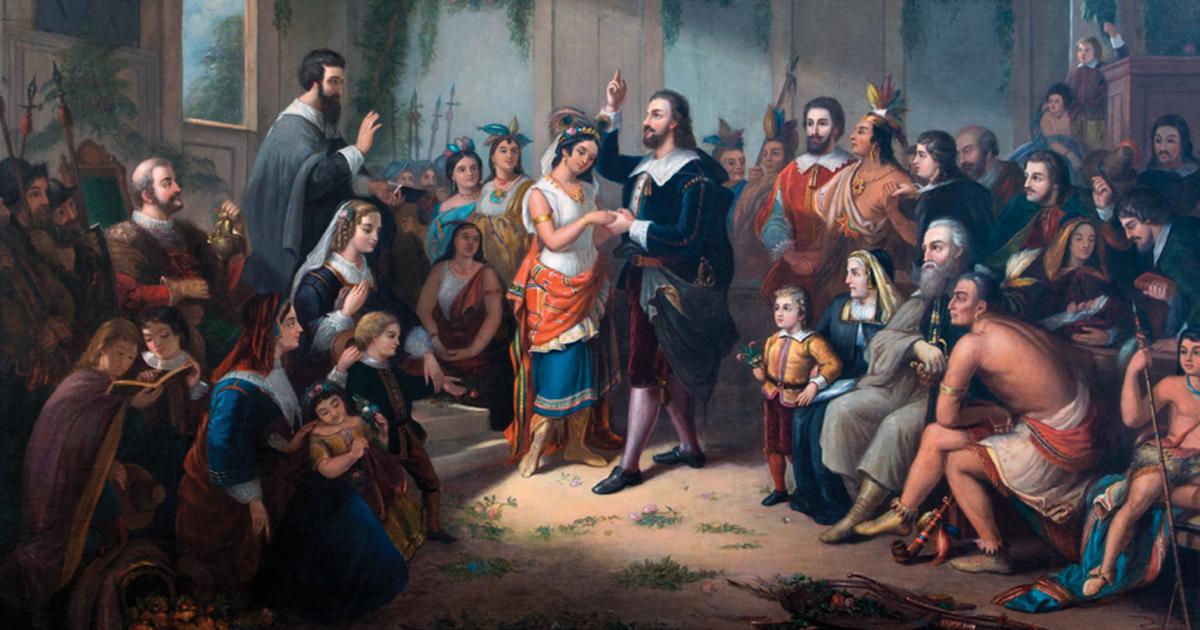
Tobacco farmer John Rolfe and Pocahontas marry (1614)
helping to settle relations (for a while anyway) between
the English settlers and the Powhatan Indians
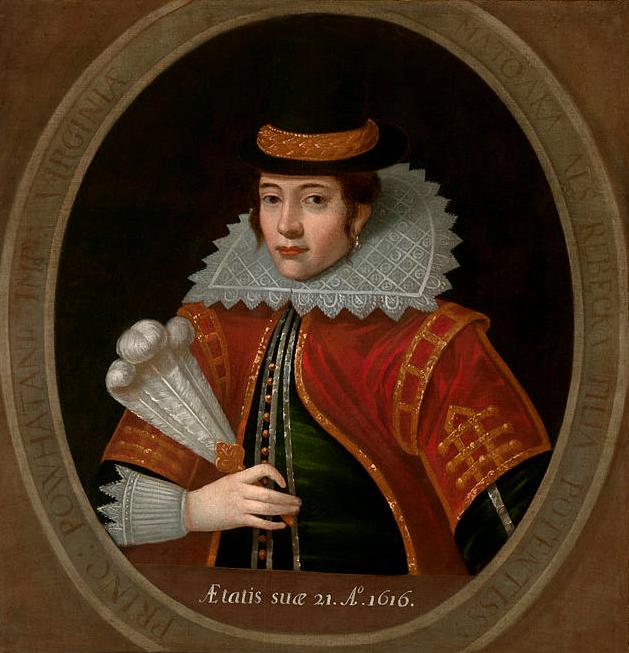
Powhatan Princess Pocahontas – dressed as an
English lady
National Portrait Gallery
- Smithsonian Institution, Washington, D.C
Jamestown –
1630s
National Park Service
[1]Sugar was, at the time, an even vastly more valuable commodity,
produced mostly in the Caribbean. But
the Virginia climate was too cool for sugarcane to thrive there.
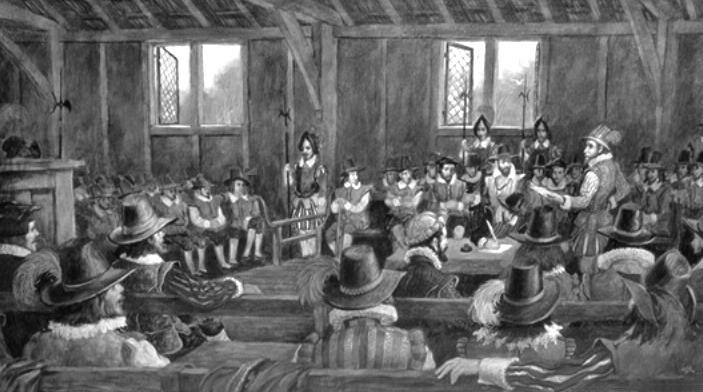
| SOME SOCIAL-POLITICAL REFORMS |

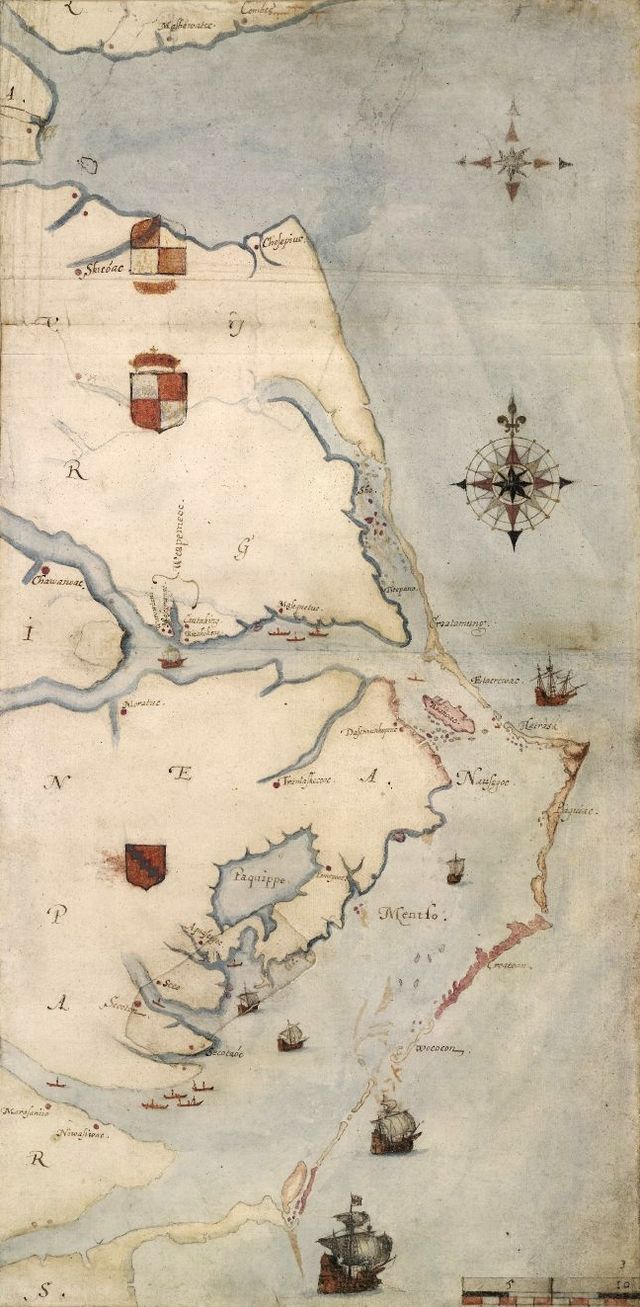
 The "Lost Colony" at Roanoke
 The Virginia Colony at Jamestown
 Some social-political reforms
  Troubles with the Indians
  Feudal Virginia
  Christian Virginia