5. CIVIL WAR ... AND RECOVERY
|
| COMPARING NORTH-SOUTH LEADERSHIP |
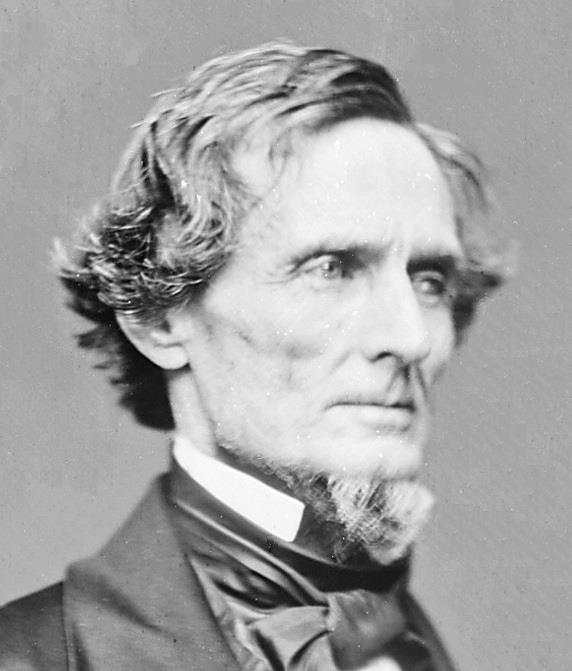
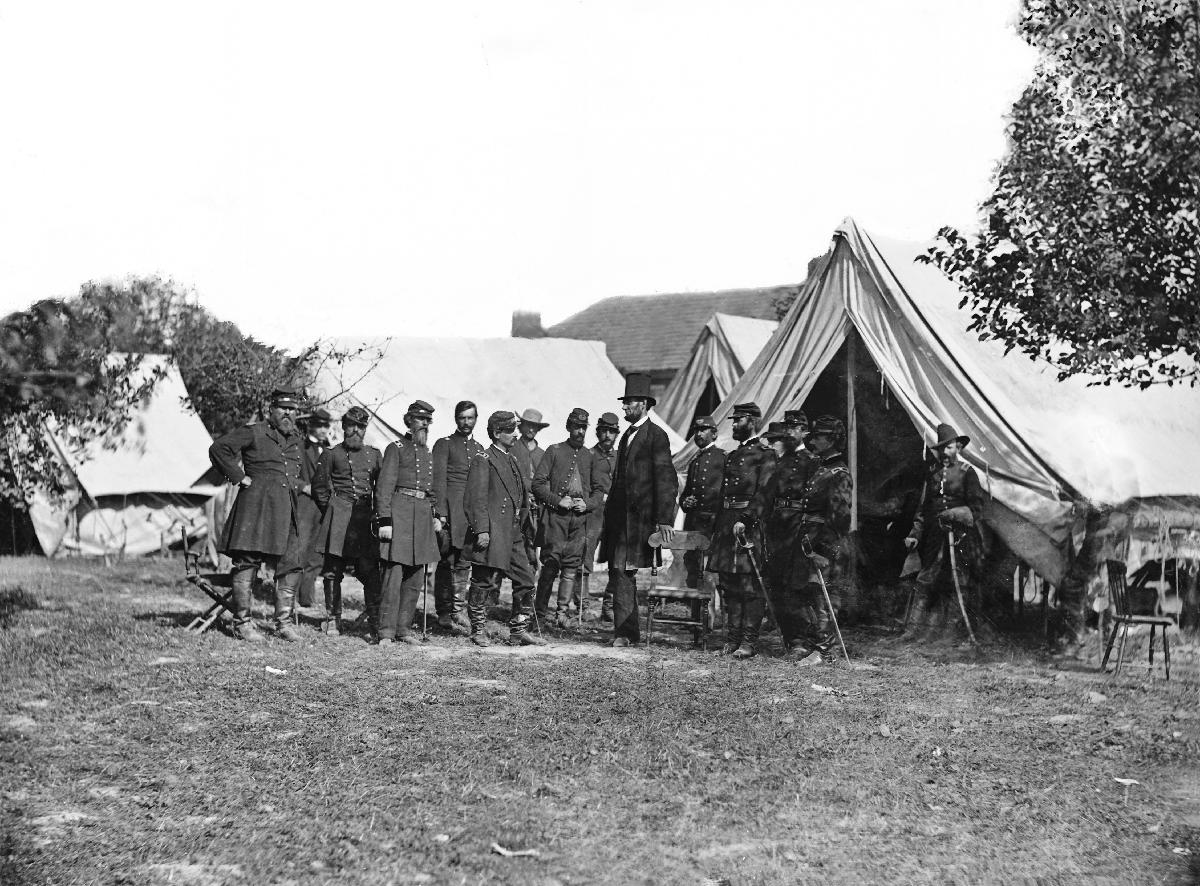
Lincoln – and Davis. In contrast to his new adversary, Jefferson Davis, Lincoln had only his limited war
experience in the Black Hawk War, and no formal military training. Davis however was a graduate of West Point
and a commanding officer (colonel) in the Mexican-American War. But Lincoln had a keen mind for strategy,
a deep insight into the character of others, and an awareness that he needed
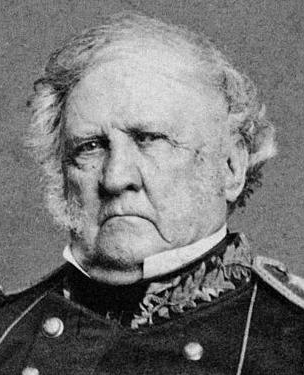
wise war counsel – which he got from the elderly Winfield Scott and eventually from his war
cabinet. And Lincoln thought through objectives
better than the majority of the military men serving under him – who tended to
think mostly in terms of battle strategies – designed to win battles. Lincoln however thought in terms of
war strategies (economics, diplomacy, ideology, morale – as well as military
engagements) – designed to win a war.
At
the same time, the very looseness of the Confederacy required as a matter of
extreme necessity a strong, commanding hand to hold it together. Thus in the struggle of the South to secure
its independence militarily, Davis and his administration would have to take on
almost unlimited powers.
Lincoln's Christian faith. But there was more to Lincoln than just profound
political-social wisdom. Lincoln was a man of deep spiritual
character, founded not on human support but instead on Divine support. Like Washington before him, Lincoln was fully aware of the huge
trust that had been placed on his shoulders.
He knew that thousands, even hundreds of thousands, of young men would
die because of the decisions that he himself would have to make. Previous presidents had shrunk back in the
face of this growing social division – precisely because of the obvious social
costs involved in finally resolving the matter.
Lincoln of course would have his
supporters. He would also have his
detractors – and not just in the South.
He even had this problem at home – a wife who very soon tired of the
stress his position placed on their family (she wanted Lincoln just to drop the war effort
so that their family could get back to normal).
We
cannot say that Lincoln going into office was a man
of deep Christian faith. But we can
certainly say that as the war progressed, Lincoln found himself turning more
and more to the very special support that God provided him during the very dark
days of the war (a darkness that lasted almost up until the war's very last
days). Ultimately it was his deep faith
that kept him going – when others would have quit. His faith, not human support, is what kept
his leadership of the country strong during these most trying of times. It was indeed Lincoln's deep Christian faith, even
more than his profound political wisdom, that made Lincoln the truly great man that the
world would eventually come to appreciate – appreciate as one of America's
greatest presidents (some might even say the greatest of all).
| SOUTHERN OR DIXIE "NATIONALISM" |
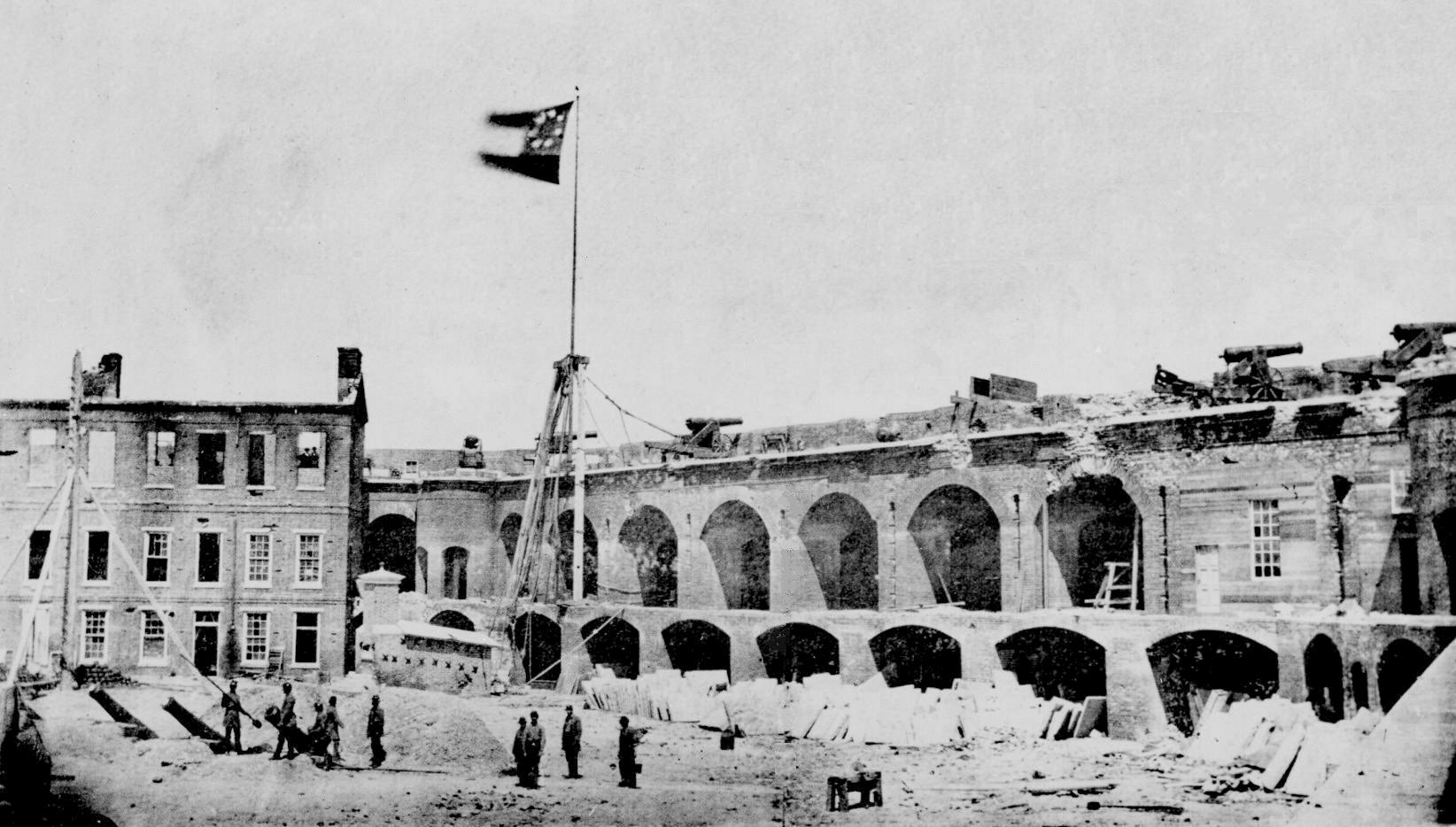
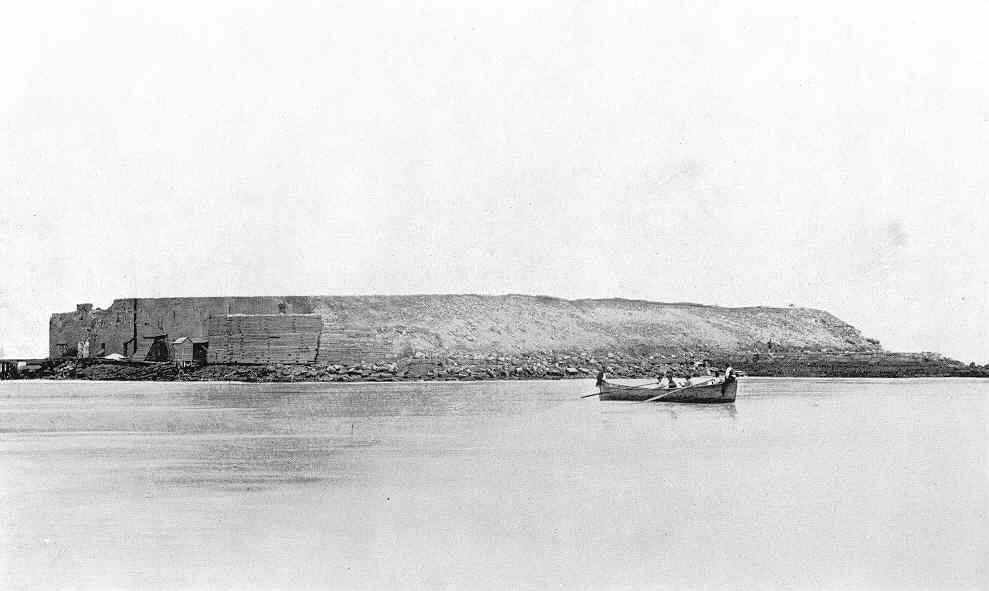
1861: THE FIRST SHOTS OF BATTLE
THE STRATEGIES OF WAR
For
the South, the strategy was quite straight-forward: simply pull out of the Union, and then dare
the North to try to do something about it. Were Southerners truly expecting the
all-out war that Lincoln called the Union to? Possibly not.
For
the North, the war was a much less straight-forward matter. Was it just about
preserving the Union? Did it have to
involve the highly contentious issue of slavery? Or was it ultimately all about slavery in the first place?
In
short, there was by no means unity of purpose in the North, making Lincoln's job extremely
difficult. Making Abolition the primary goal would
undermine Lincoln's support in certain circles
in the North – and likely drive the people (such as the Kentuckians) along the
neutral border regions separating the North and the South into the arms of the
South. It would also merely strengthen
the resolve of the South to fight on.
After all, the purpose of the war was to weaken the resolve of the
Southern adversary – not harden it.
For
the time being, at least in the initial stages of the war, Lincoln kept matters focused merely
on breaking the resolve of the Confederate states to secede from the Union – to
force them back into Union membership. To do this, he would have to break their
ability to hold out against his efforts.
His major strategy was simply to close down the Southern economy – by
surrounding the entire region by land and sea with his army and navy, cutting
off the South's ability to break out of this economic strangulation (the
Anaconda Strategy) in order to sell the cotton that its dream-world so
completely depended on.
This
was going to hurt the textile mills of the North, which depended heavily on the
ability to acquire Southern cotton. But
that would be merely one of the many costs of war. And Lincoln was aware that this war was
going to be costly – very costly – on a number of fronts. But the Union had to be preserved at all
costs – or there would be no very good future for any of the states, North or
South.
But Lincoln was well aware of the fact
that military challenges also stood before him.
An invasion of the Southern heartland itself would ultimately be
necessary to finally break the Southern will. But here is where he was
handicapped. America's best officers
tended to be Southern, not Northern – well experienced from recent service in
the Mexican-American War. Sadly for Lincoln, his most capable general,
Winfield Scott, was growing old and would soon
have to be replaced by younger blood.
But finding an equally capable replacement would be a trying matter for Lincoln – who would have to go
through the less-than-impressive service of a number of commanding officers
until finally (roughly two years into the war) he came up with the talent (Grant, Sherman, Thomas, Sheridan and others) capable of
handling this enormous military challenge.
Thus
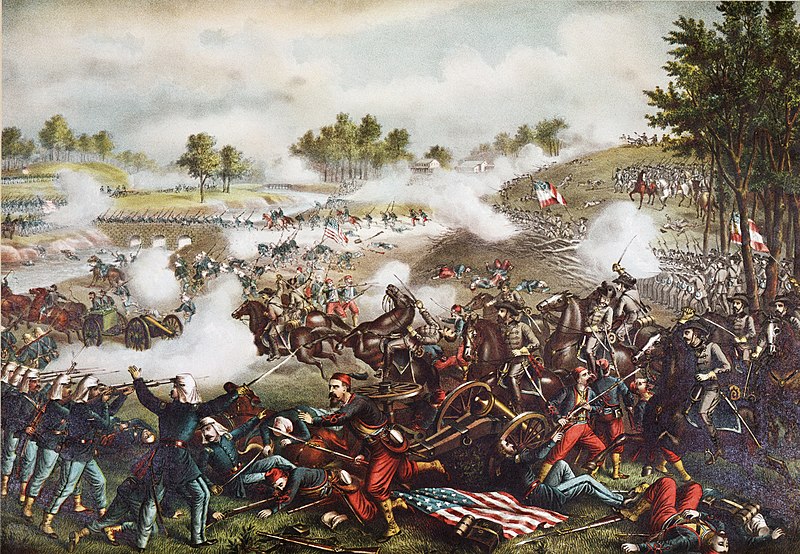
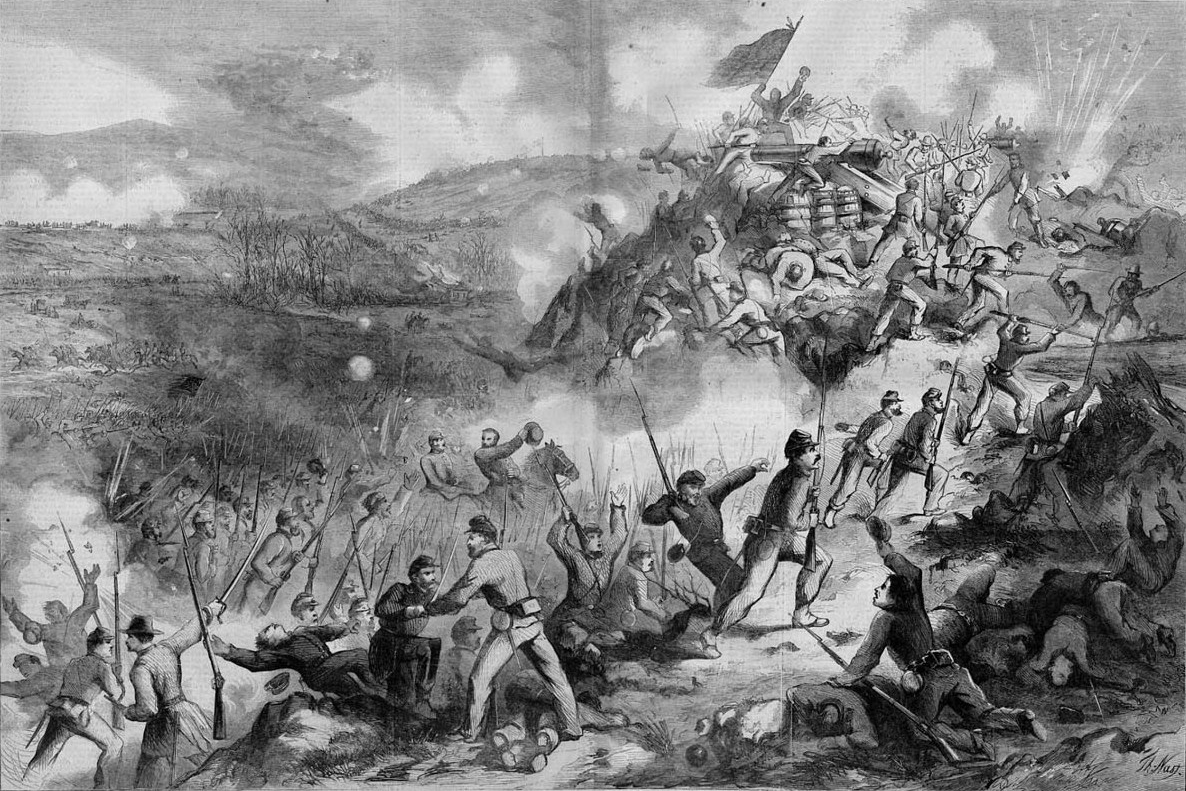
at first the North seemed outclassed by the Southern armies. At the first major battle, Bull Run (July 1861, just south of
D.C.), the Northern armies were routed – and the good D.C. citizens who had
come out to watch the battle as if it were some kind of sporting event, found
themselves fleeing back to the safety of the capital (itself well protected by
a ring of forts surrounding the city).
By the end of 1861 it became quite apparent that there
was going to be no quick end to this growing civil war.
1862: BLOODY STALEMATE
1863; THE NORTH BEGINS TO DOMINATE
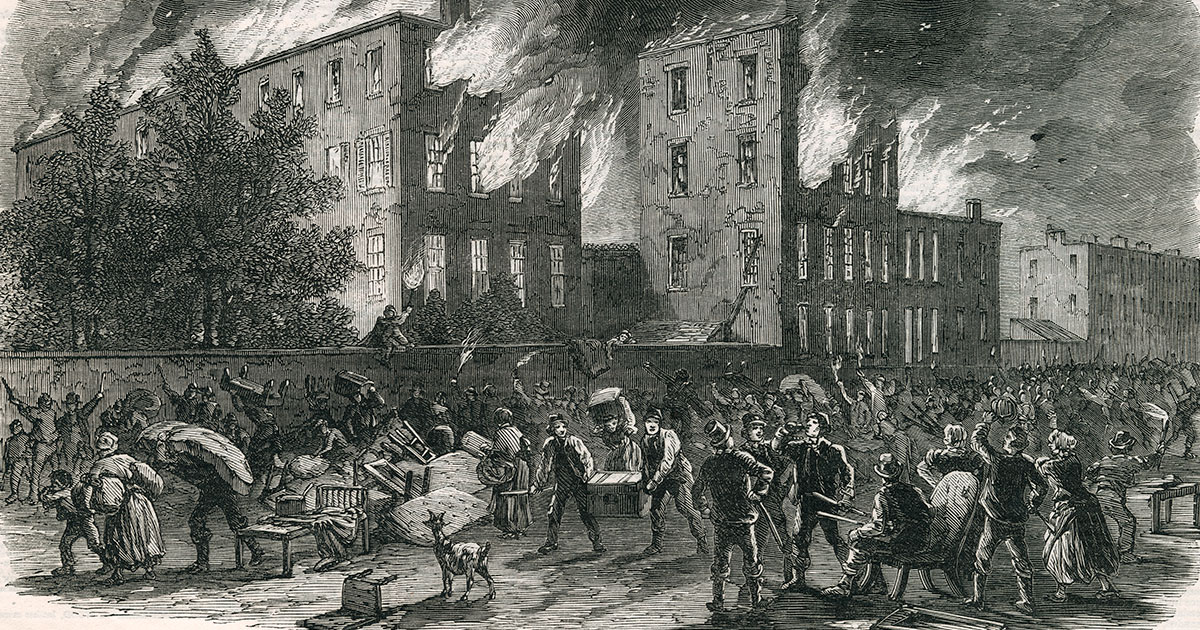
Resistance
to the draft (which both North and South had instituted in order to keep their
ranks full) turned violent in New York City when Irish immigrants discovered
that in applying for citizenship they had also signed themselves up for the
draft – at a time when wealthier Americans could buy their way out of the
draft. To the Irish this smacked of the
treatment they had received from the English upper class who dominated their
lives back in Ireland. They were
livid. Troops finally had to be called
in to help the police put down the rebellion.
Also,
a group labeled "Copperheads," headed up by the politically ambitious
Clement Vallandigham, had been
working fervently to deepen further an anti-war mood growing in the North. Vallandigham was ultimately forced to escape
to Canada. But Lincoln was well aware that this
would hardly be the end of the growing anti-war fever infecting the North.
Vicksburg and Gettysburg.
But finally, two major events broke in clear Northern favor on virtually
the same day, the 4th of July, 1863 – the news adding tremendously to the
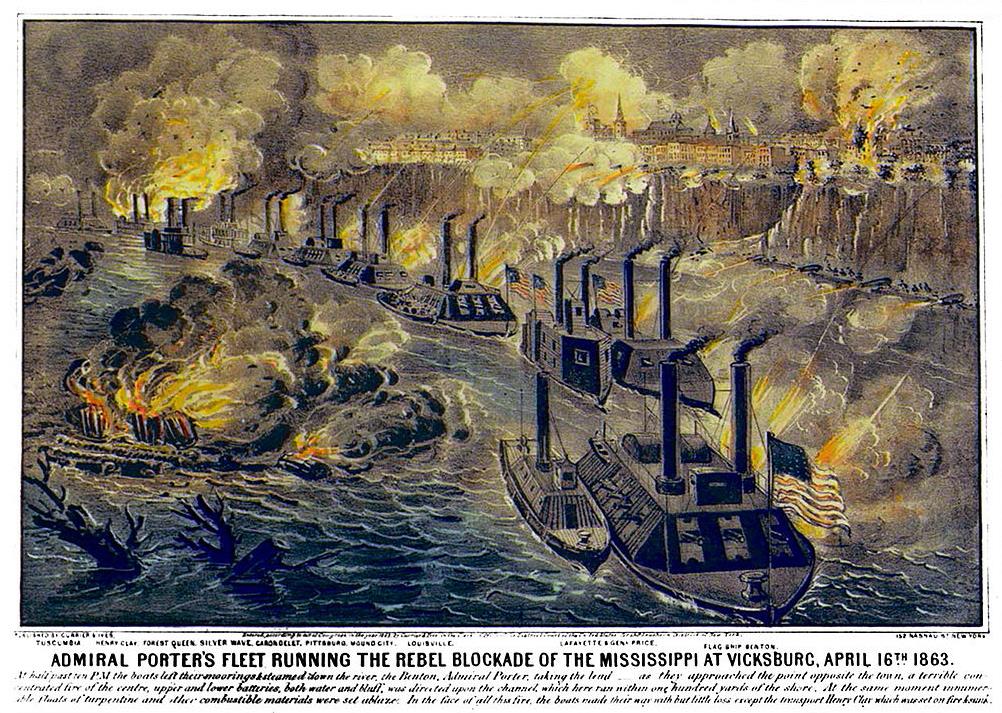
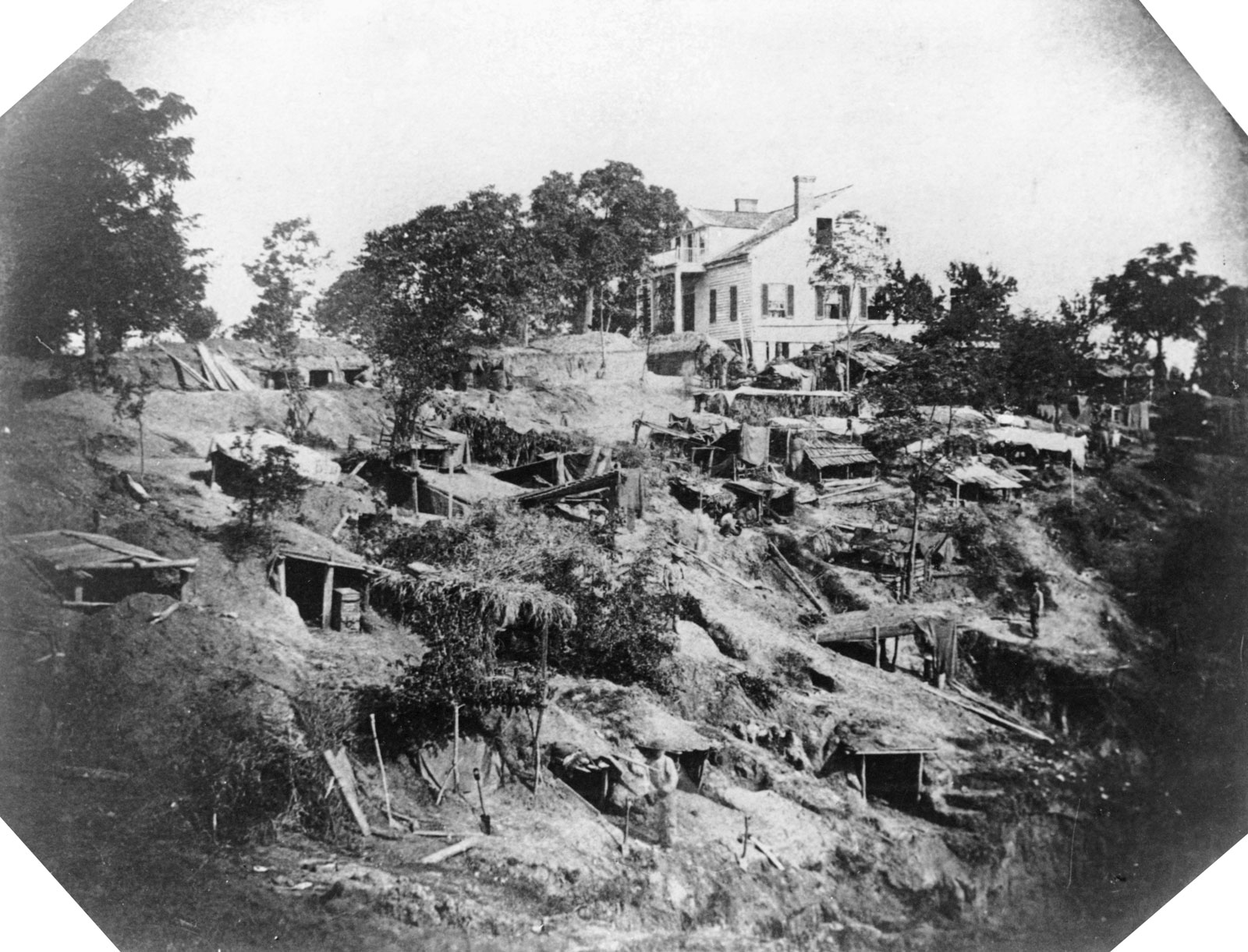
country's (the North's anyway) national holiday! The Rebel (Southern) position along the
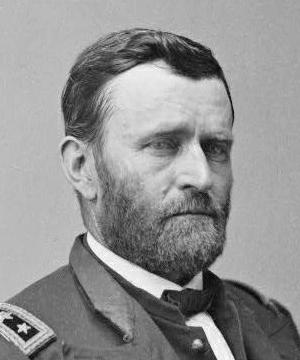
Mississippi River had been cleared earlier by Union General Ulysses S. Grant – except for the strategic site
atop huge cliffs towering over the river at Vicksburg. Grant had been trying since January
all sorts of maneuvers to bring down this last Mississippi stronghold – and
finally on the 4th of July brought Vicksburg to surrender – and sent the news
to Lincoln to give him finally something
to cheer about.
But
also on that same day ended finally the four-day battle at Gettysburg
(Pennsylvania) which had erupted when Union forces stopped Lee's Confederate
army in its second attempt to take the war into Union territory (Lee had been hoping to encourage the
growing movement in the North of simply quitting the war effort and letting the
South go on its way with its slaves). It
was a great victory for the North. But
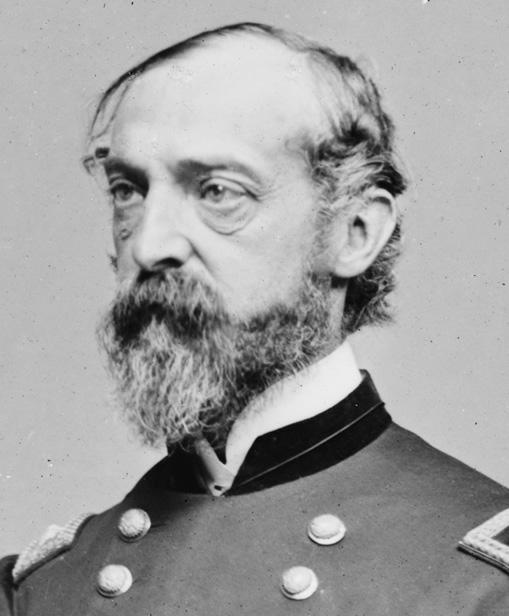
once again, the commanding Union General, George Meade, decided to let his troops rest
from their exhausting victory – and consequently let an even more exhausted Lee
escape to the South – to fight another day.
This inevitably led Lincoln to replace Meade with the
tireless and relentless Grant.
At
this point, with two key victories and a truly strategic Grant at the head of the Union
armies, the fortunes of war began to turn decidedly in favor of the North.
Meanwhile
Northern and Southern forces clashed repeatedly at the front along the
Tennessee River in the middle of the states.
The battles began as another Southern offensive – but instead resulted
in a very costly stalemate at Chickamauga (September) and a rout of the
Southern troops at Chattanooga (November), forcing Southern General Longstreet
to have to give up his effort to take Knoxville from the North.
1864; THE SOUTH UNDER SIEGE
Meanwhile
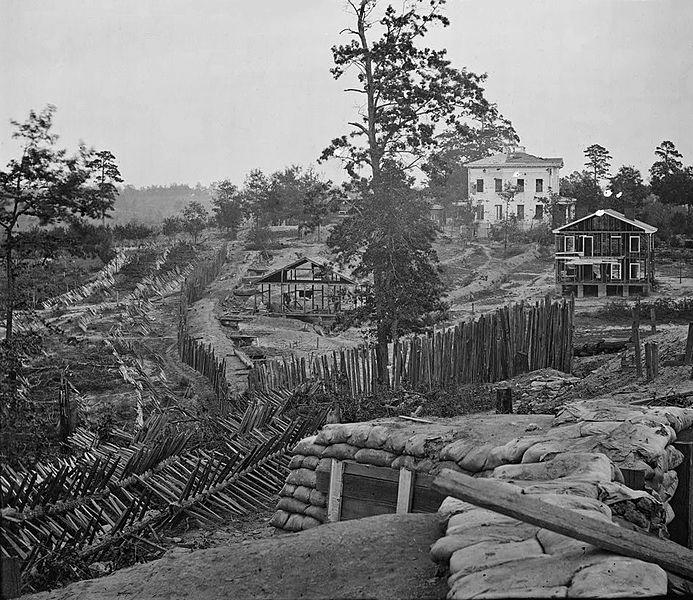
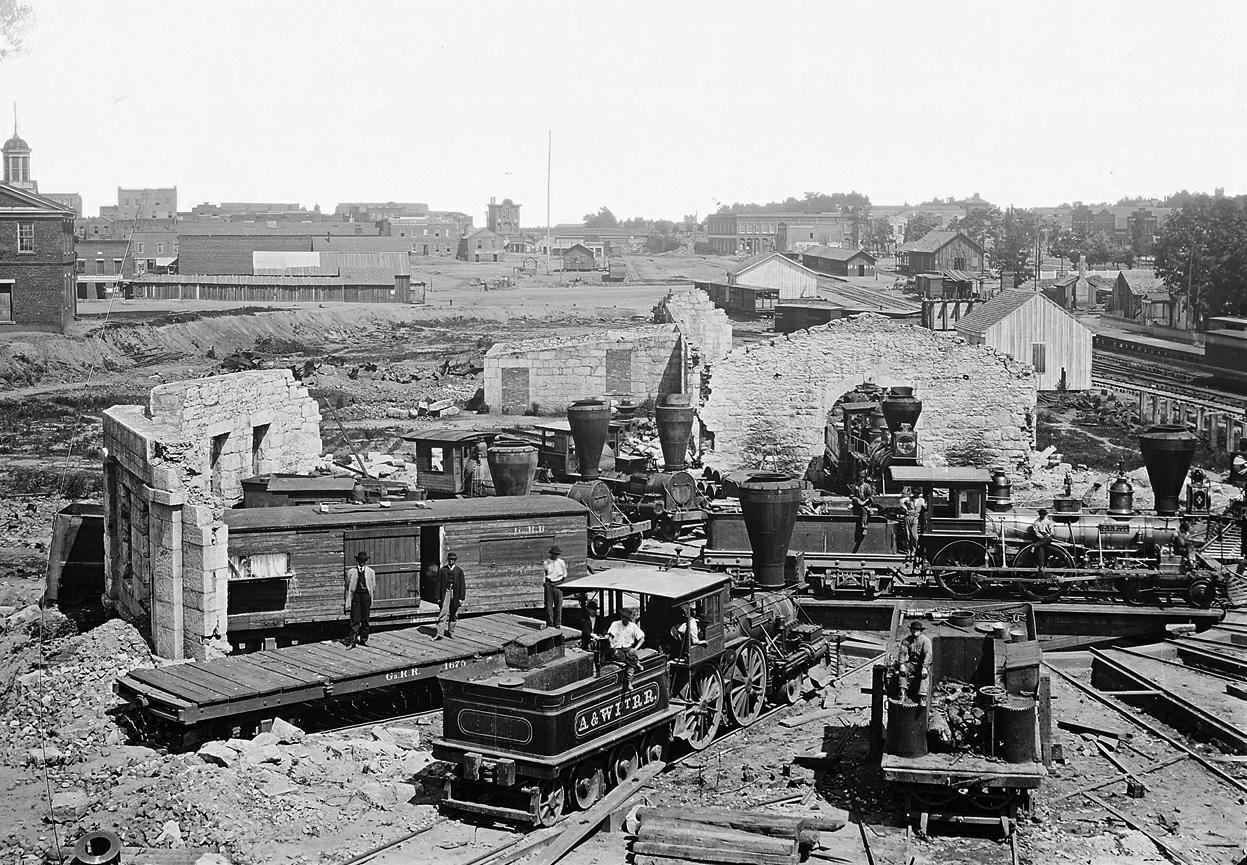
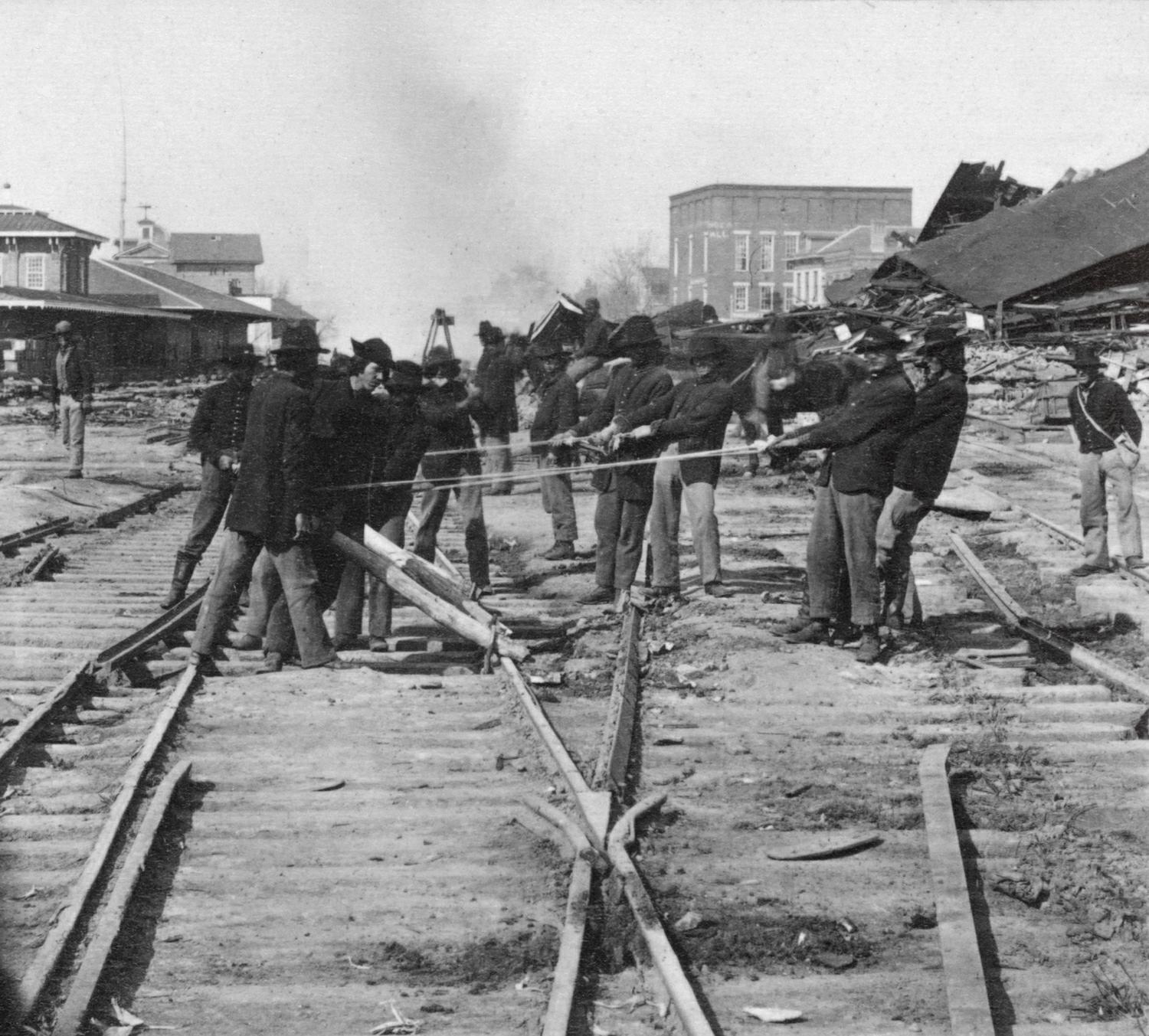
Union General William Tecumseh Sherman was ordered
to slice through the middle of the South, starting at the Union position in
Tennessee and swinging south from there to Atlanta – which the Union forces
were able to take in September after a long summer-time assault on this key
city in Georgia. From there they then headed southeast (November-December) to
the town of Savannah on Georgia's coast, Sherman's troops cutting a 60-mile
wide swath of destruction along the way – in order to break the spirit of
Southern resistance.
1865: LINCOLN ... AND THE END OF THE WAR
If we shall suppose that American Slavery is one of those offences
which, in the providence of God, must needs come, but which, having continued
through His appointed time, He now wills to remove, and that He gives to both
North and South, this terrible war, as the woe due to those by whom the offence
came, shall we discern therein any departure from those divine attributes which
the believers in a Living God always ascribe to Him? Fondly do we hope –
fervently do we pray – that this mighty scourge of war may speedily pass away.
Yet, if God wills that it continue, until all the wealth piled by the bond man's
two hundred and fifty years of unrequited toil shall be sunk, and until every
drop of blood drawn with the lash, shall be paid by another drawn with the
sword, as was said three thousand years ago, so still it must be said "the
judgments of the Lord, are true and righteous altogether." But he then turned to this matter of the task facing the nation,
one to which God had called all Americans:
With malice toward none; with charity for all; with a firmness in
the right, as God gives us to see the right, let us strive on to finish the
work we are in; to bind up the nation's wounds; to care for him who shall have
borne the battle, and for his widow, and his orphan – to do all which may
achieve and cherish a just, and a lasting peace, among ourselves, and with all
nations. This was another example of how Lincoln had developed the ability to
persevere in the face of all this massive uncertainty and risk, simply by
trusting that he was merely a servant of God himself. He made very clear his personal understanding
that it was up to God – not Lincoln – to bring the true and the
good to bear in this covenant nation that God himself had, centuries earlier,
called into being.
The Collapse of the
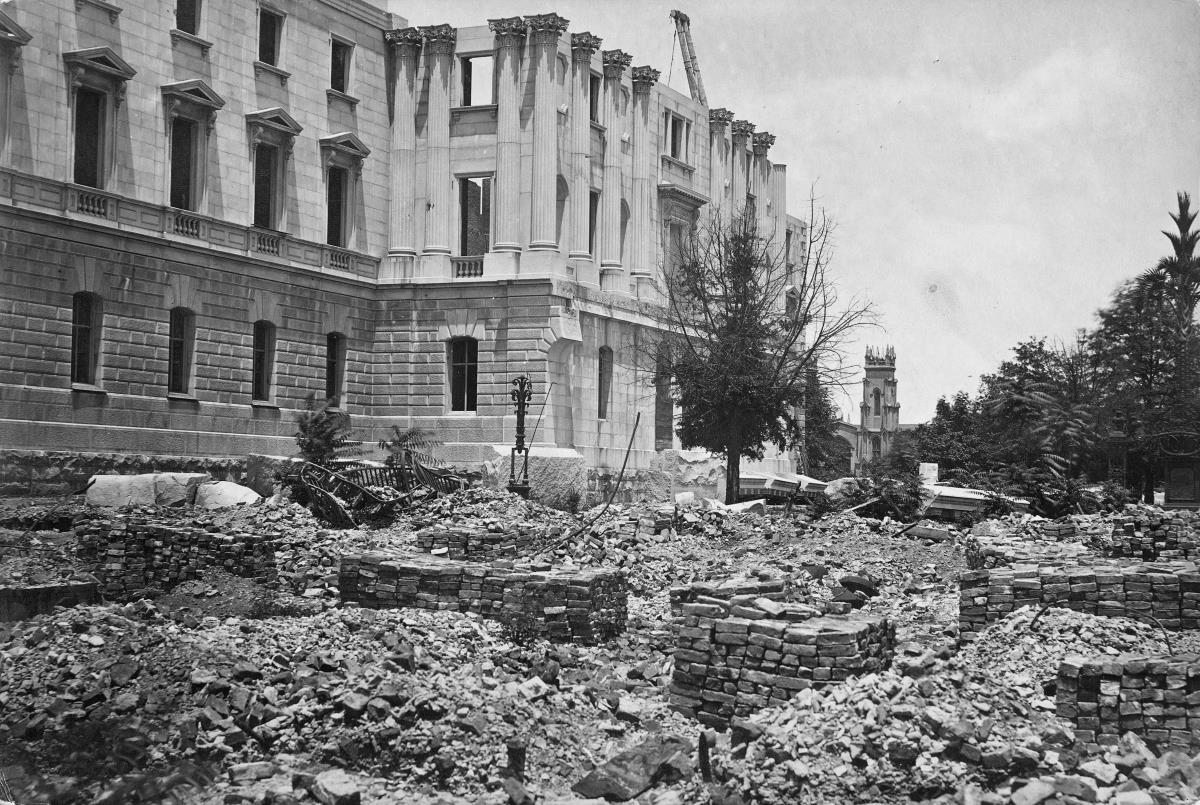
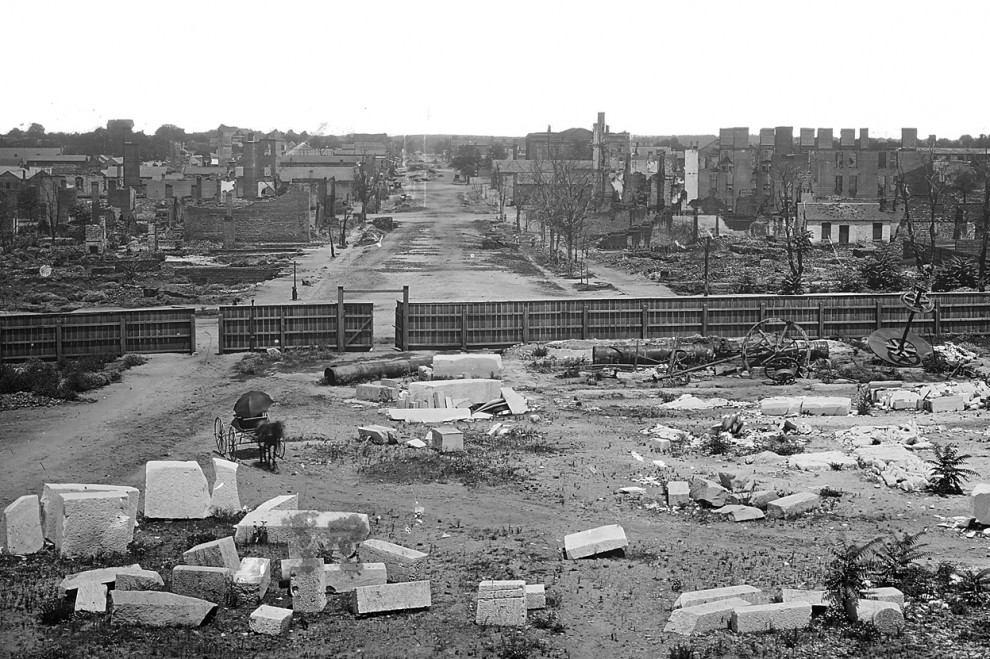
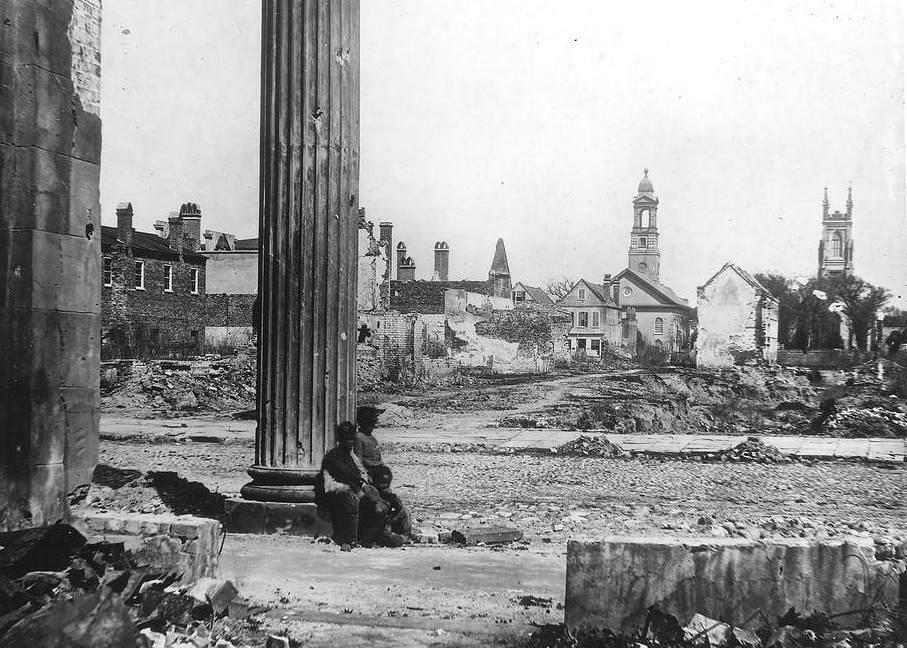
South. Once in control of Savannah (Christmas 1864),
Sherman turned his army and headed it north through the Carolinas, again
burning and pillaging as it went – to arrive at a besieged Petersburg from the
south. Very little Southern opposition
at this point seemed to block Sherman's path.
Lincoln's 2nd inaugural address
(March 1865). At Lincoln's ceremony inaugurating his
second term in office, Lincoln presented the nation with an
address (found today etched on the north wall of the Lincoln Memorial in D.C.), focusing
the entire second half of the speech on the role of God and his judgment in
shaping past events and future responsibilities – and thus the necessity of all
Americans moving ahead together to bind up the nation's wounds and get on with
the larger call by God himself to greater things as a nation.
At
first his address surveyed the war experience that the nation had gone through
– and God's hand in the matter:
Indeed, this was the kind of personal wisdom and spiritual
strength that few American leaders after Lincoln would be able to match, even
on a partial basis, a wisdom and spiritual strength matured out of having to
face overwhelming obstacles, a wisdom and spiritual strength that had brought
the Union through very, very dark times, to resolve finally a very, very
divisive issue. Lincoln was truly a gift of God to
the American nation.
April 9th: The collapse of the South's rebellion.
While one Union army was smashing South through Alabama (destroying the
last of the South's industrial capacity as it went) Lee's army was finding
itself overrun in the East at Petersburg, forcing Lee to pull out of both Petersburg
and Richmond. Lee was attempting to link
up with other Confederate troops trying to escape further South – but instead
found himself surrounded at Appomattox.
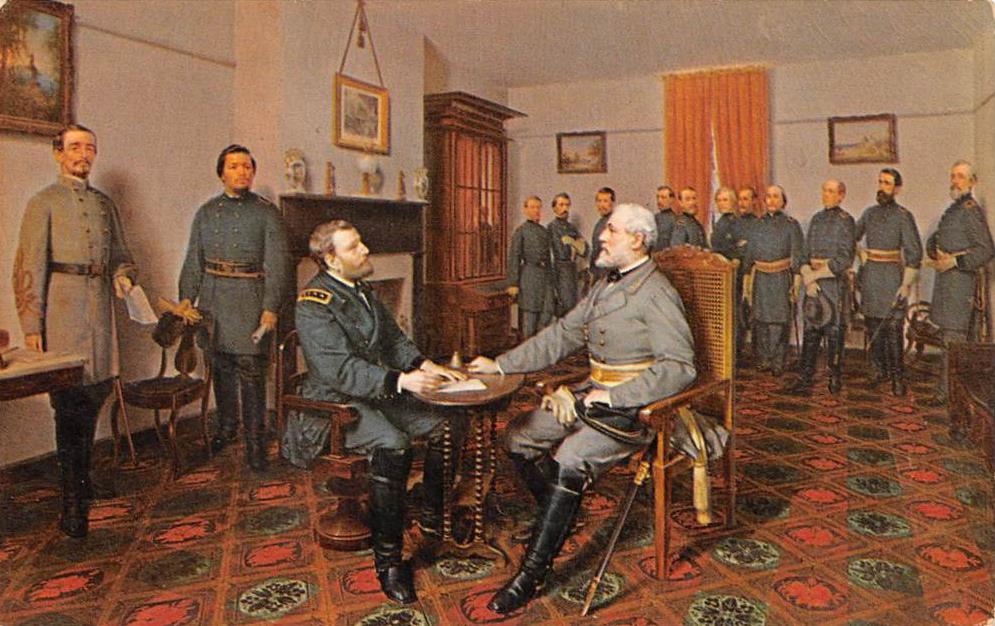
Thus on April 9th, Lee surrendered himself and his army to Grant.
Although
this did not mark the official end of the war (local skirmishes would continue
for a while longer) – for all practical purposes the war was finally over.
April 14th: The assassination of Lincoln. Lincoln was already at work seeking
ways to bring the nation back together – minus slavery. The 13th Amendment to the U.S. Constitution,
ending slavery anywhere within the United
States, had been ratified by the Senate all the way back in April of 1864 and
in the House of Representatives at the end of January, just a few months
earlier. It was yet to be submitted to
the states – Northern only at that point – for their ratification. But the amendment was expected to be easily
approved by the states.
As Lincoln had stated in his 2nd
inaugural address, he was indeed looking for ways "to bind up the nation's
wounds; . . . to do all which may achieve and cherish a just, and a lasting
peace ..." That would not be an
easy task, given the level of hatred still smoldering in many Northern hearts –
and given the bitterness Southerners felt about their humiliating loss to the
Unionists. However, achieving a just and
lasting peace was where he was now directing all his efforts.
But
success in that endeavor was not to be.
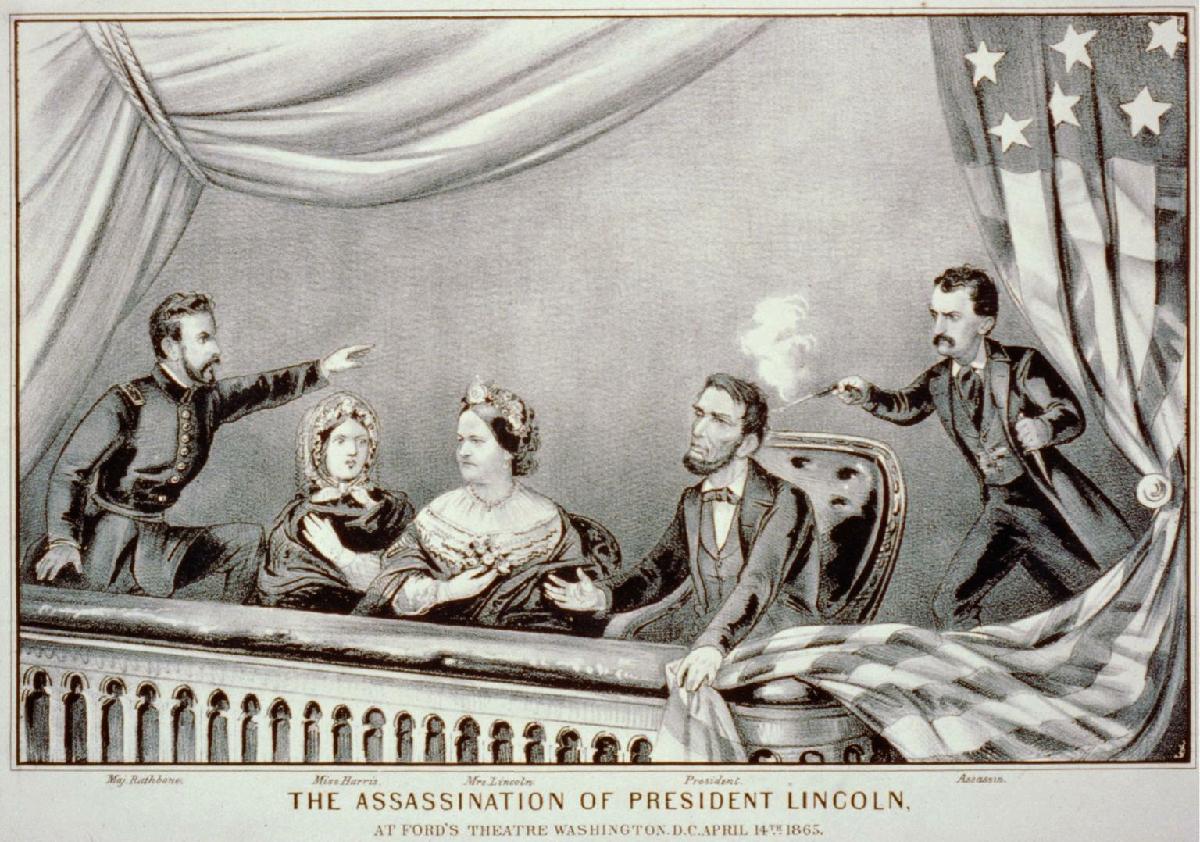
On the night of April 14th the actor John Wilkes Booth was able to
complete part of his plot to kill Lincoln and Grant while attending together the
play Our American Cousin at Ford's Theater in Washington (but Grant had instead left to visit his
children in New Jersey) – as well as Vice President Johnson and Secretary of
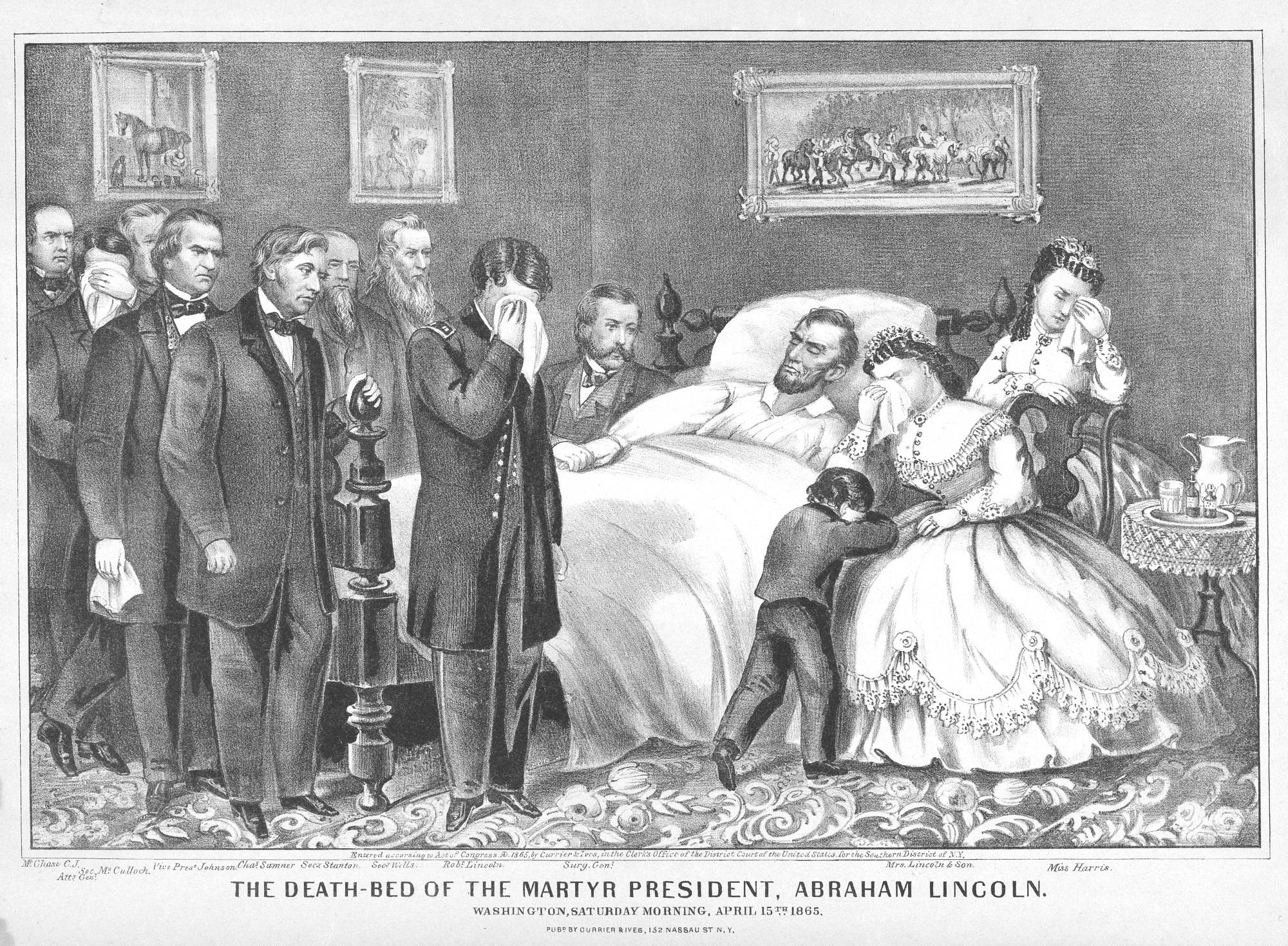
State William Seward at their homes. Lincoln was shot in the back of the
head, Booth escaped by leaping from the balcony to the stage and then fleeing
the city. Lincoln died early the next
morning. Meanwhile Seward was attacked and nearly killed
the same night by another of the plotters, who after repeated attempts to stab Seward to death finally fled into the
night when confronted by other members of Seward's family. Seward survived.
Booth was found with a co-conspirator in Virginia
twelve days later, surrounded and shot.
Arrests of other members of the plot soon followed. On July 7, four of the conspirators were
hanged.
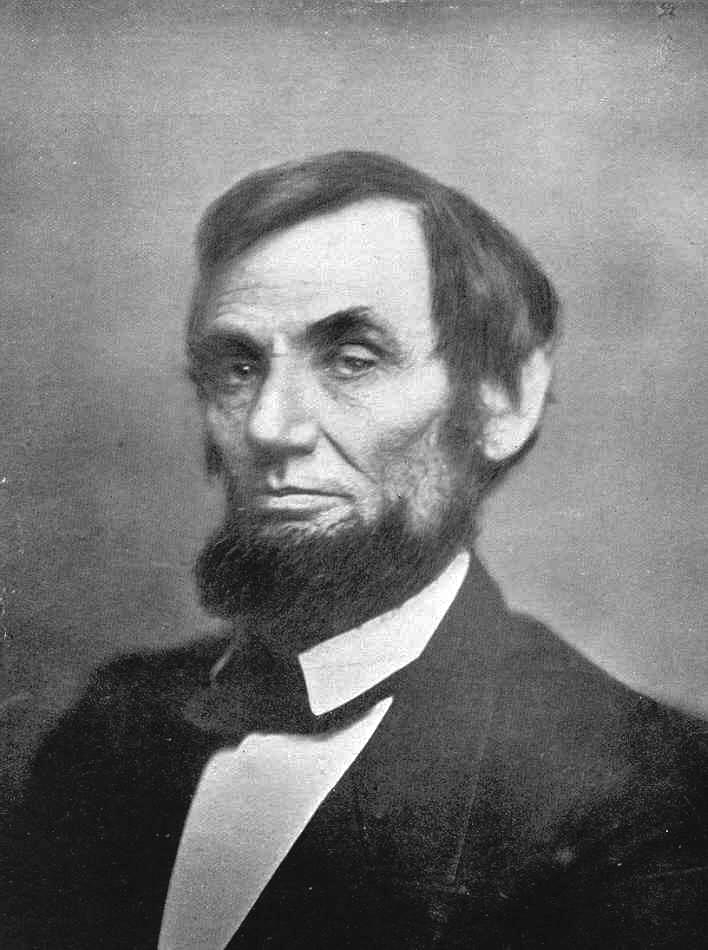
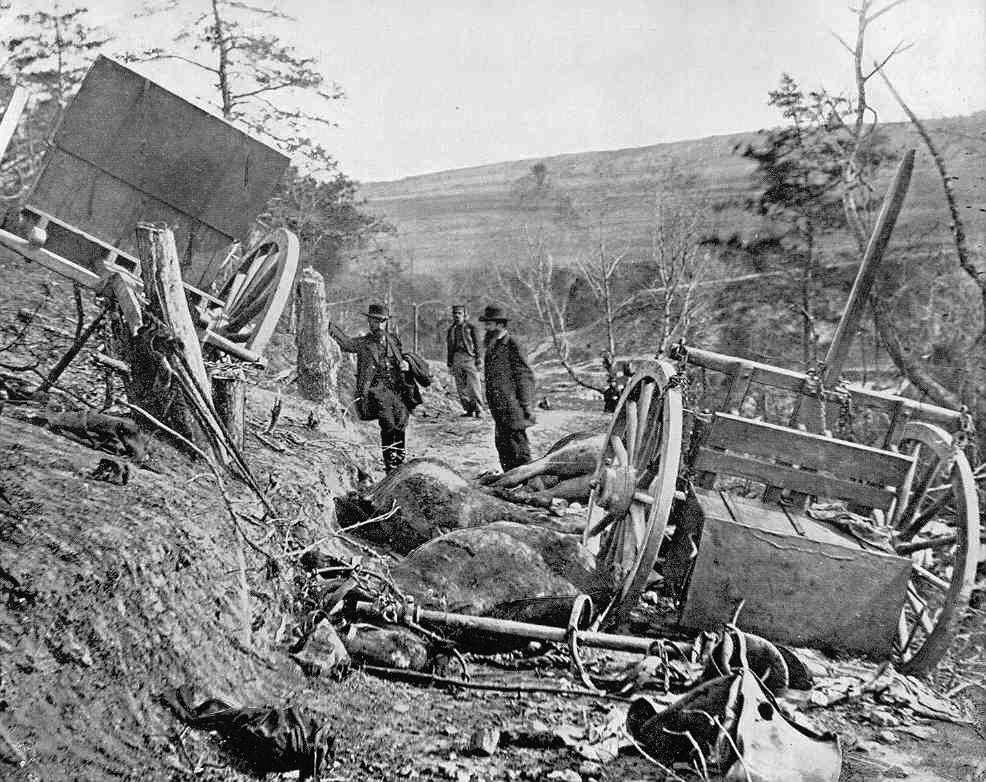
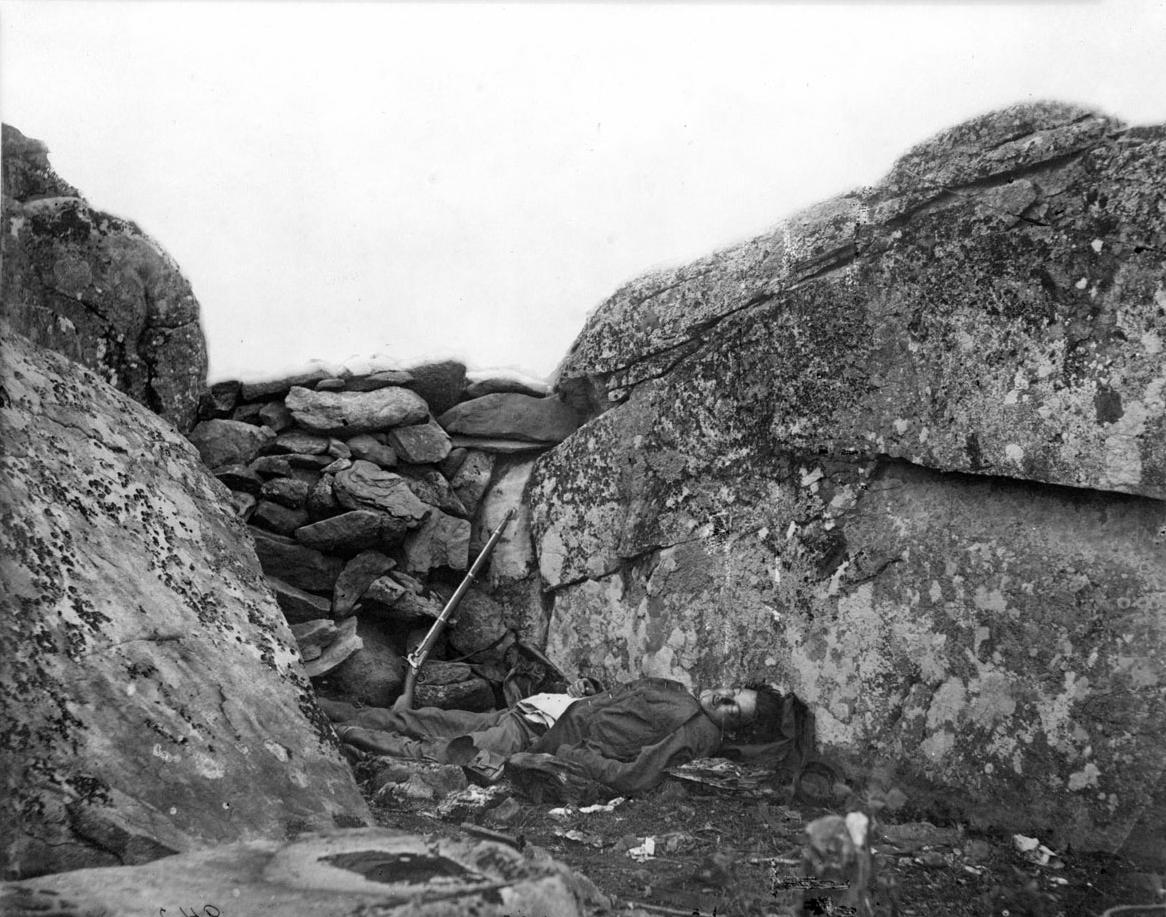
TAKING STOCK OF IT ALL
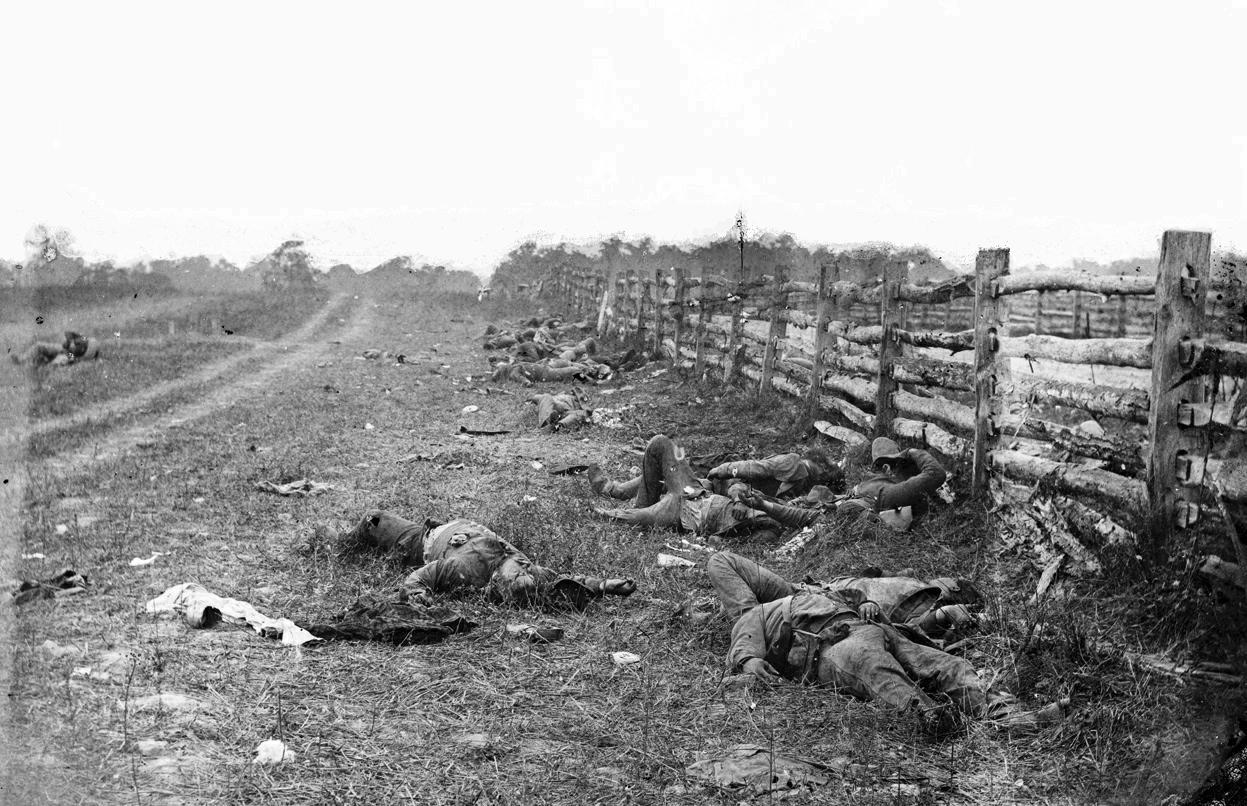
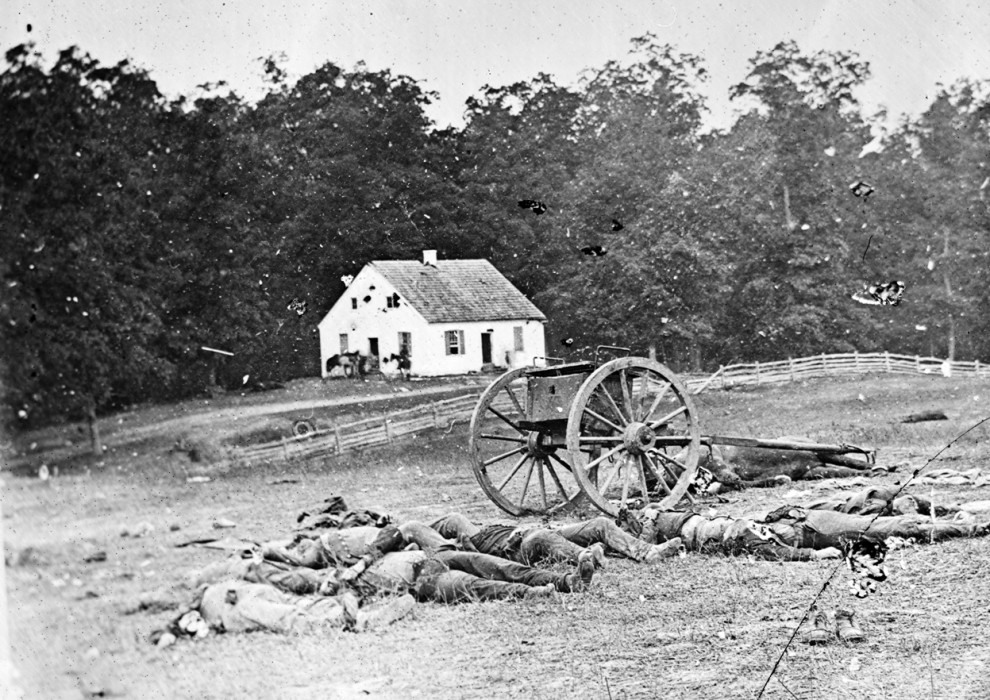
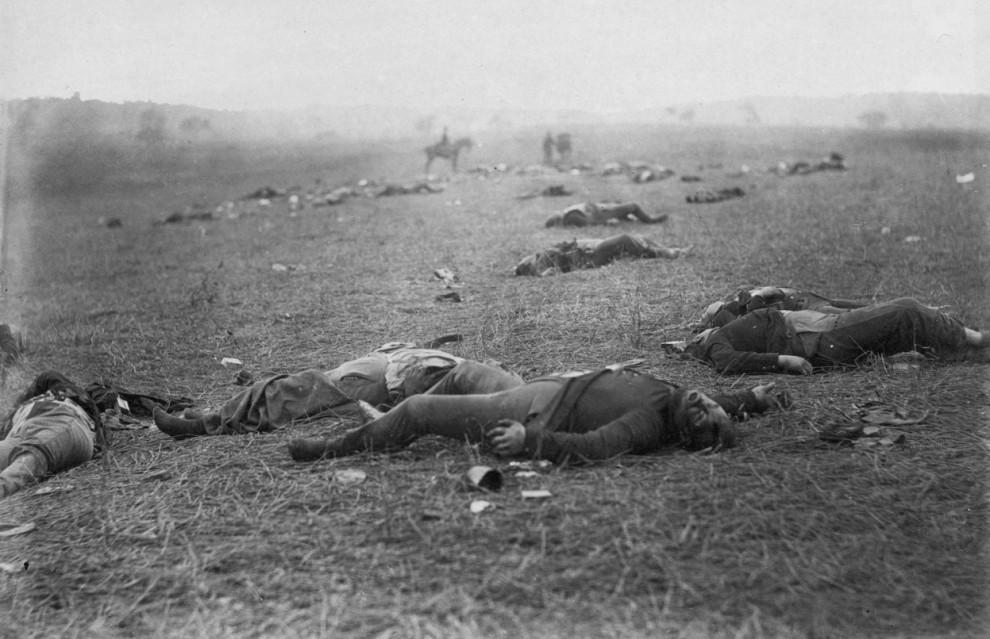
[1]Of the 2.6 million who had enlisted in the Union army and the 1
million in the Confederate army, 364 thousand Union and 260 thousand Confederate
soldiers had died, and approximately 400 thousand each of Union and Confederate
soldiers had been wounded for their respective causes.
It
finally took not political reason, but war and devastation of monumental
proportions to bring this burning issue to a resolution. But so often is this the case. Passion, not reason, plus the mysteries of
circumstances seemingly beyond human control, quite frequently bring human
crises to a resolution – not pretty, but well resolved.[1]
Most
tragically of all, a Southern bullet had taken the life of the one person who
could have healed the nation's wounds and brought the South back to life more
quickly than turned out to be the actual case.
As it was, that bullet left many in the North without pity for the South
and its vast suffering – and left the South itself to begin a process of
recovery that would take generations to complete. Such is the irony of history.

Go on to the next section: America Recovers
Miles
H. Hodges