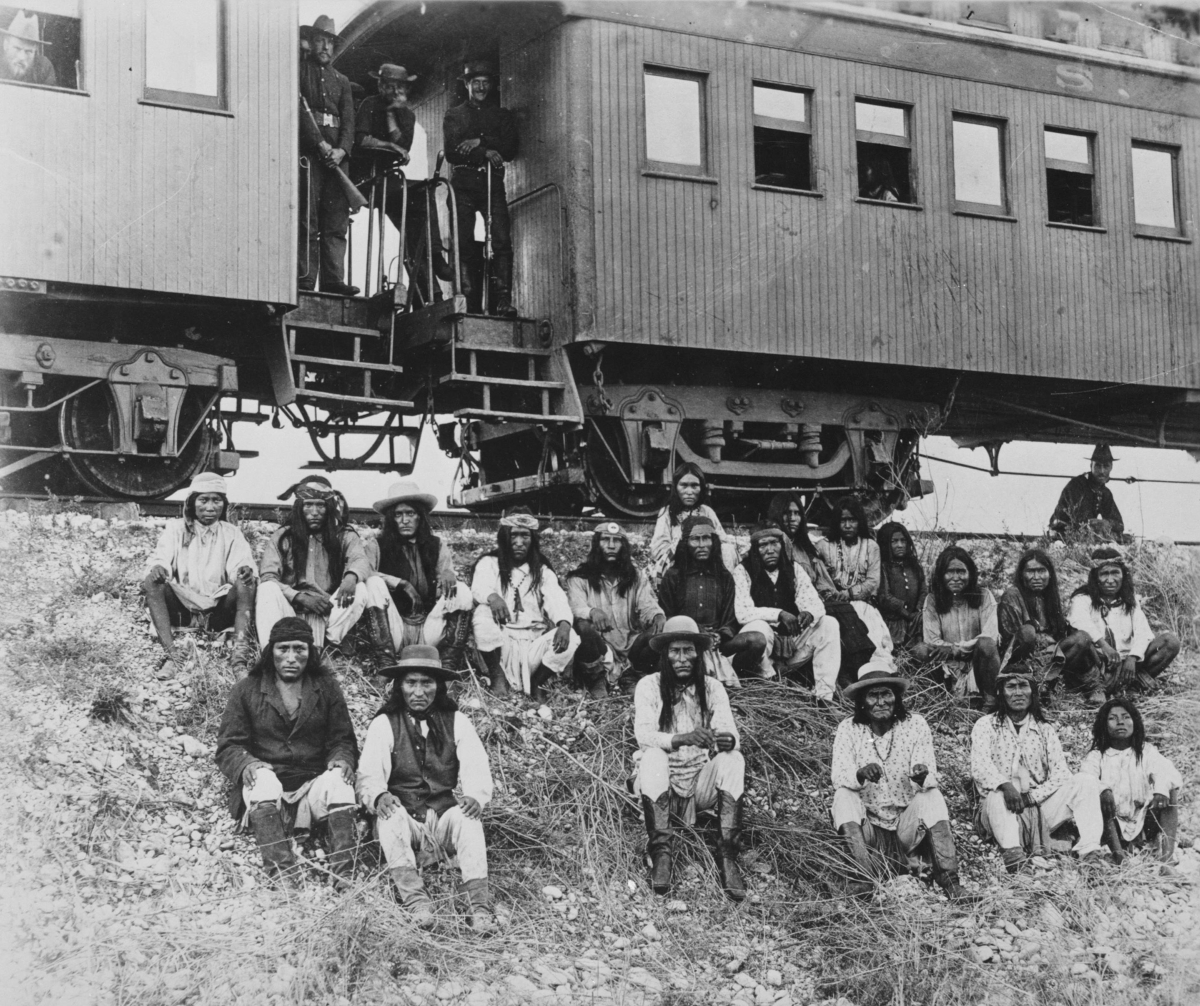
On they came – White men, women and children – by steamer or river
barge (as far as the rivers would take them westward), then by wagon train,
following trails set out by trail blazing frontiersmen – and then by train as
the American railroads pushed West and Southwest deep into Indian lands. They laid claim to railroad land and set up
their own farms – and towns to service the fast-growing farming world of the
West.
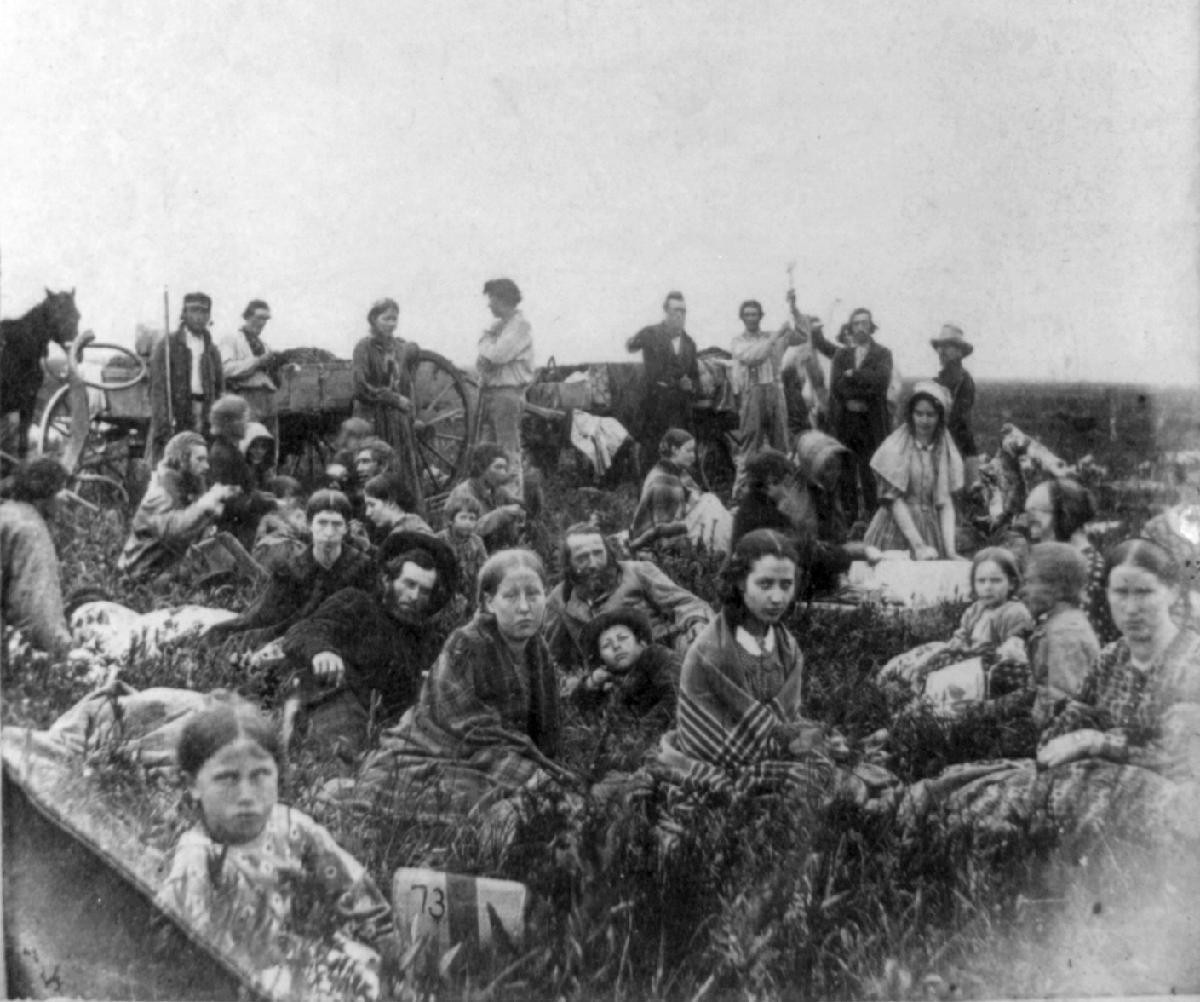
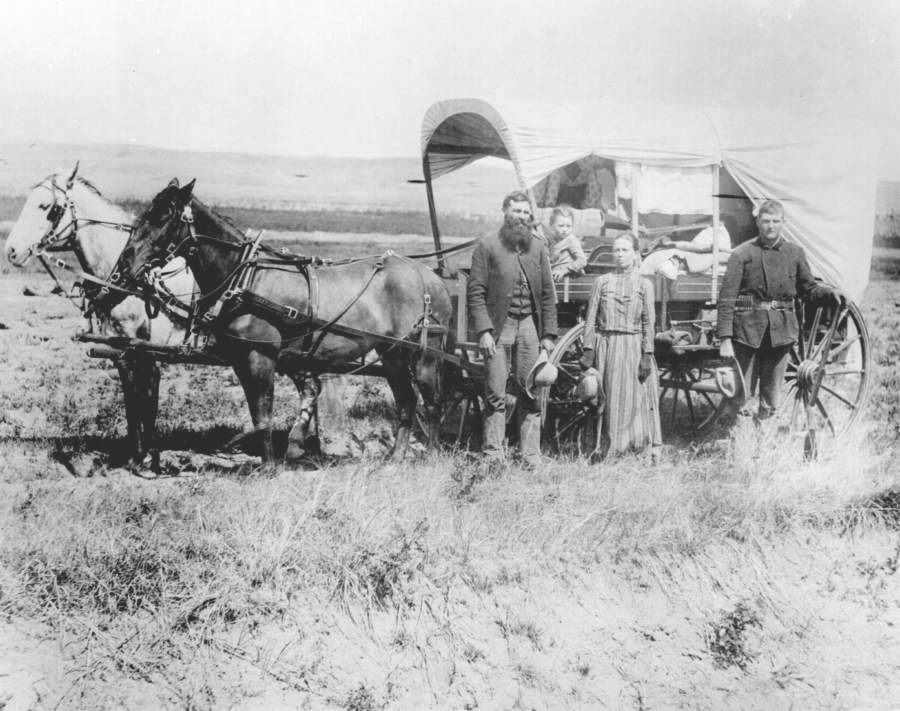
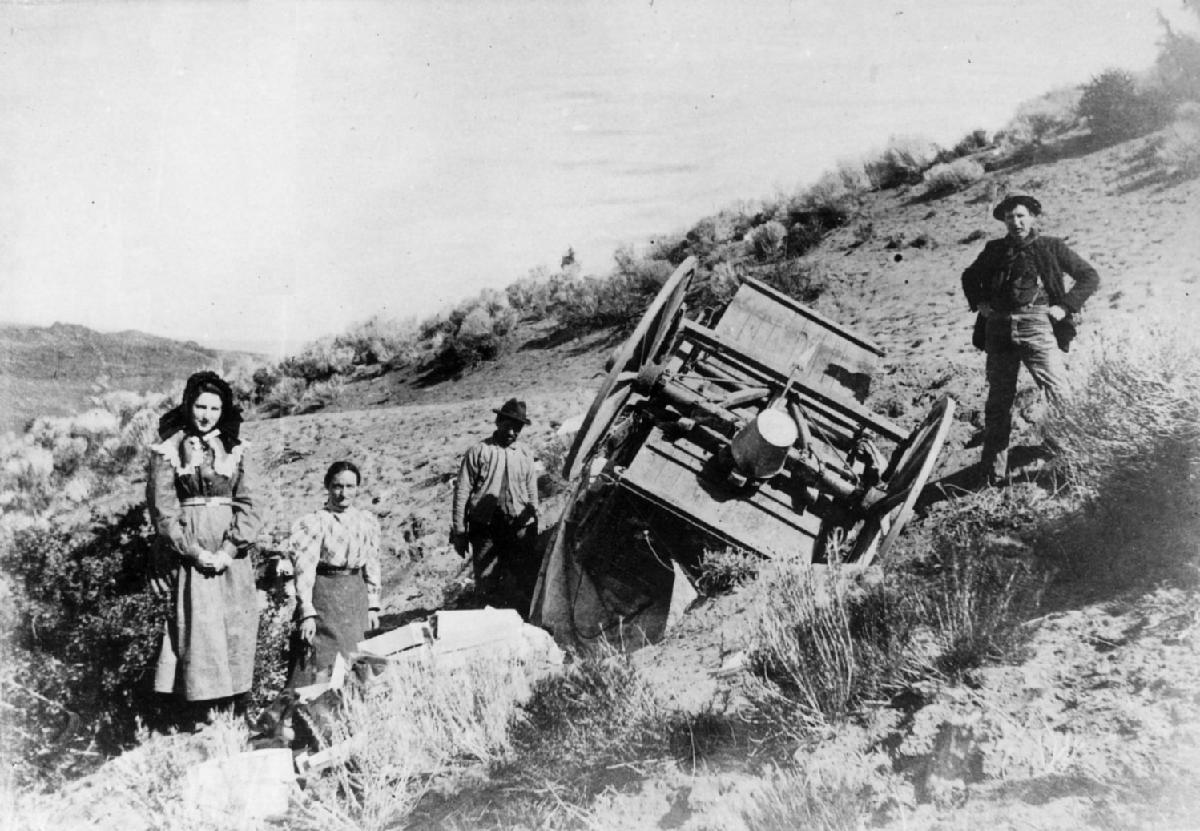
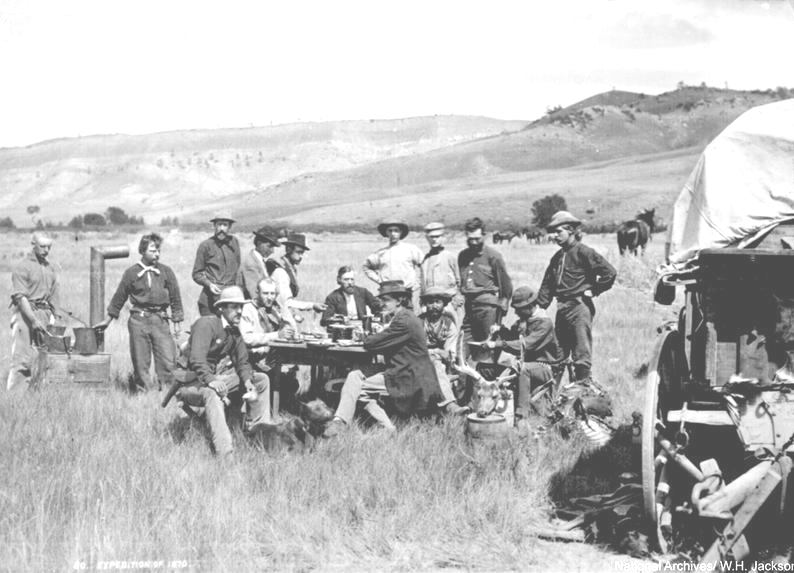
Many came simply as participants in a major wagon train
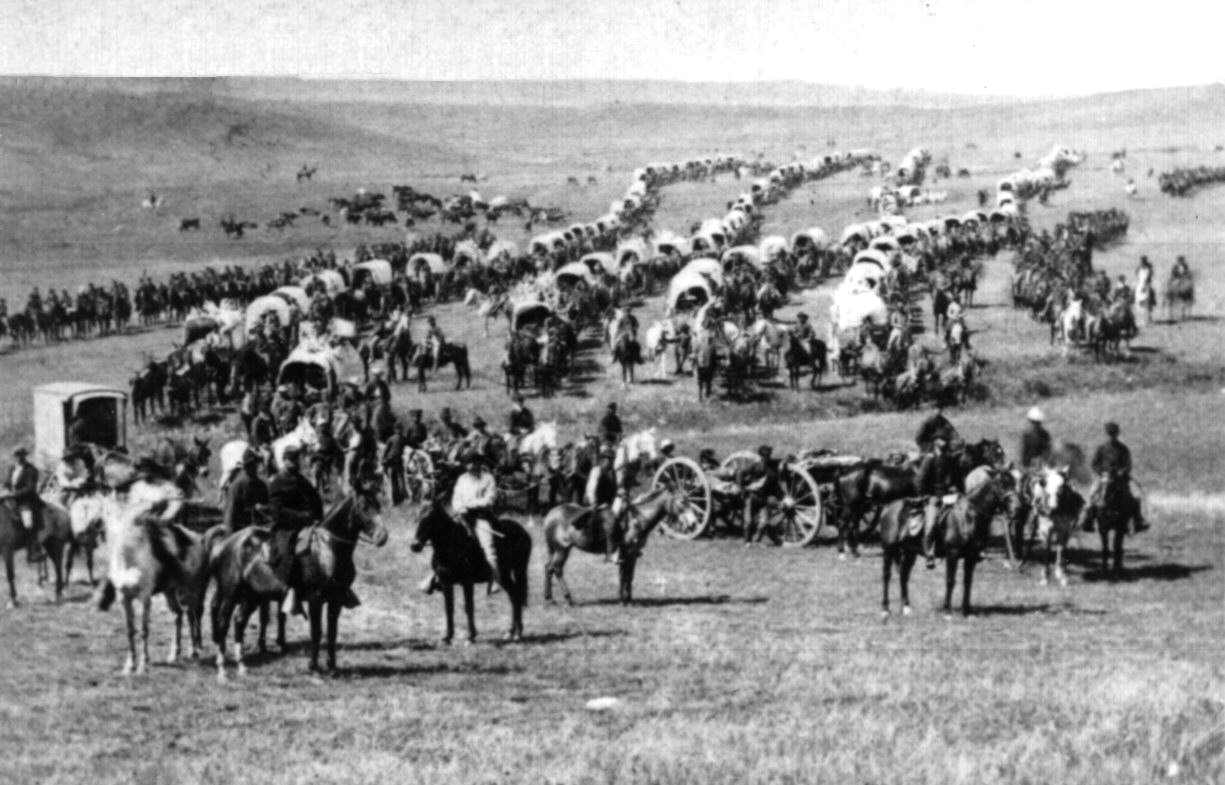
A column of cavalry, artillery, and
wagons, commanded by
Gen. George A. Custer, crossing the plains of Dakota
Territory – 1874 Black Hills expedition
The National Archives
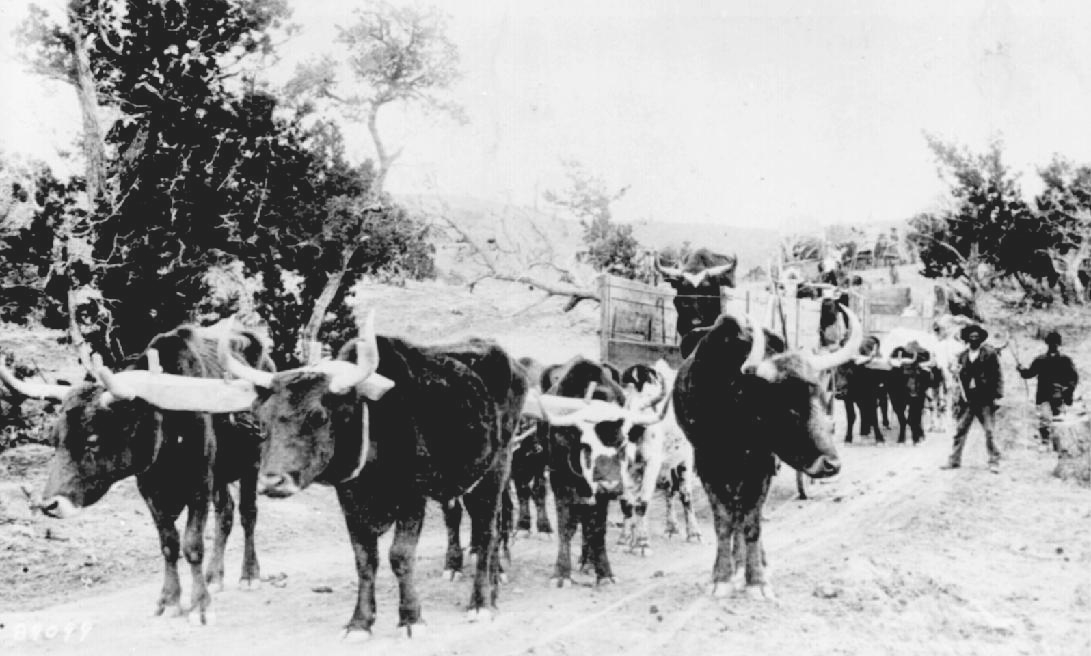
An ox train used to transport supplies
in the
Arizona Territory – 1883
The National Archives
Even better, some were privileged to come by train
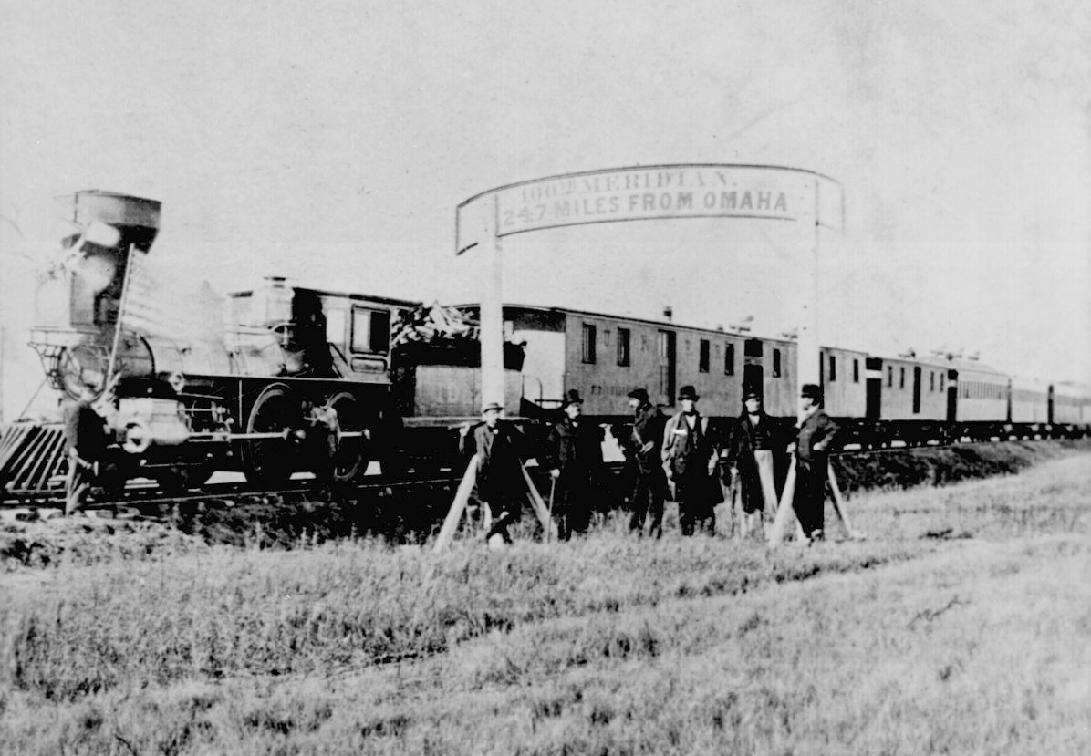
Directors of the Union
Pacific Railroad, approximately 250
miles west of Omaha -
1866. The train in the
background
awaits the party of Eastern capitalists, newspapermen and
other
prominent figures invited by the railroad executives
The National
Archives
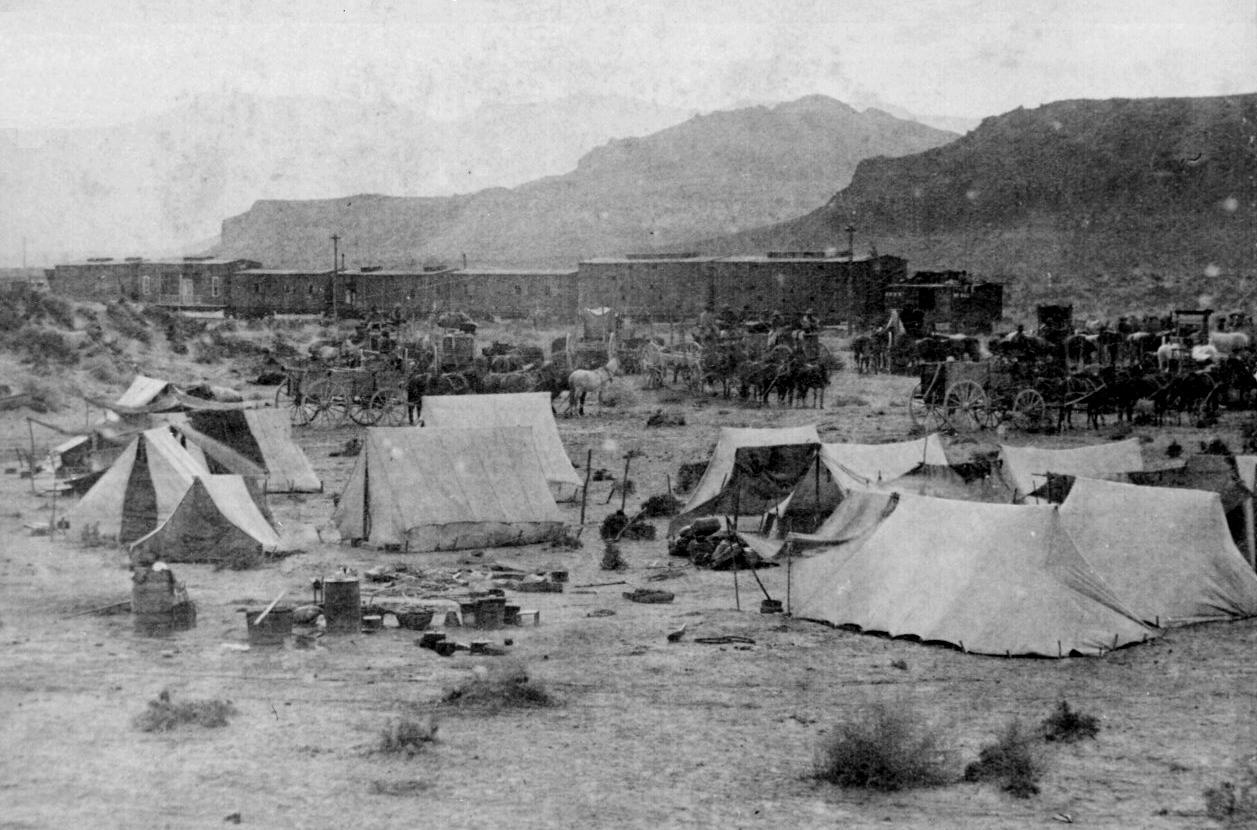
End of the track – near Humboldt River Canyon -
1868
Campsite and
train
of the Central Pacific Railroad at the foot of
mountains
The National Archives
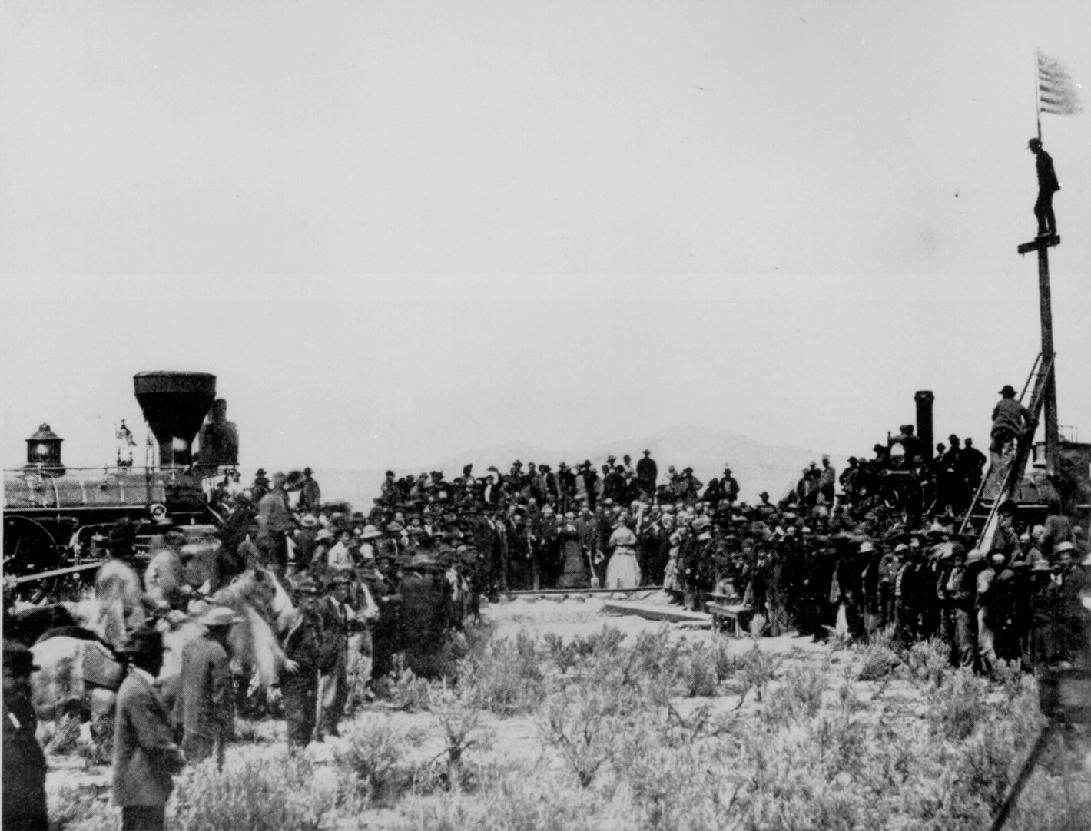
Joining the tracks for the first
transcontinental railroad,
Promontory, Utah Territory – 1869
The National Archives
Many
came as Mormons, developing communities
centered on their City of Zion of Salt Lake City (founded by Young in 1847), but reaching far and
wide from Utah into Idaho, Arizona, Nevada, California, Colorado – and even
northern Mexico.
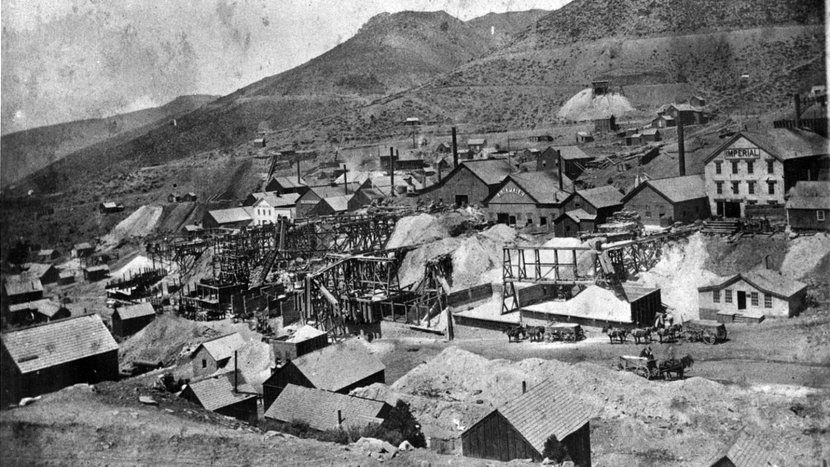
The rumors of gold (but also silver and copper) also
brought Americans west – though not usually entire families, but instead merely
single male fortune hunters. States such
as California, Nevada (with its fabulous Comstock Lode), Montana, Idaho and
Washington were states particularly sought out by these fortune hunters.
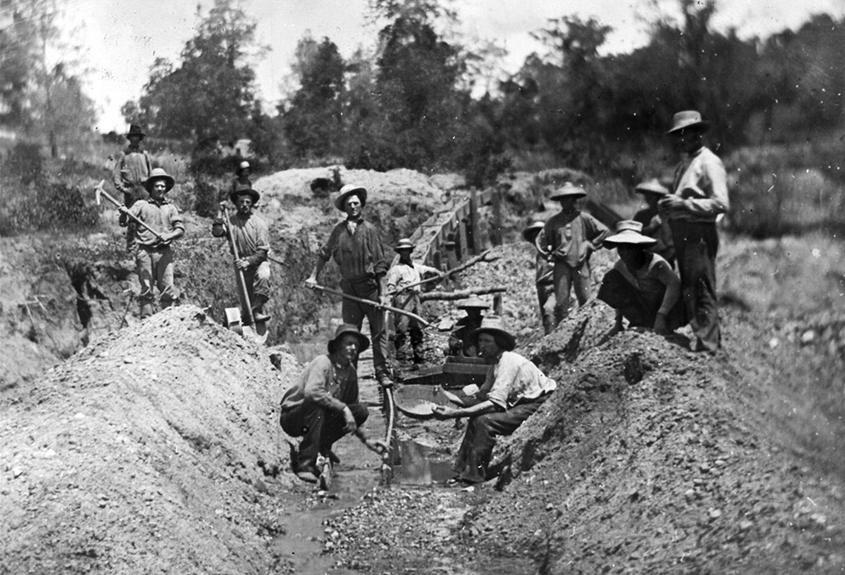
Gold had been discovered in 1848 at Sutter's Mill, California
and soon thousands of "Forty-Niners" were making their way
to California in the hopes of getting rich. Only about one in
a hundred made any real money from the venture
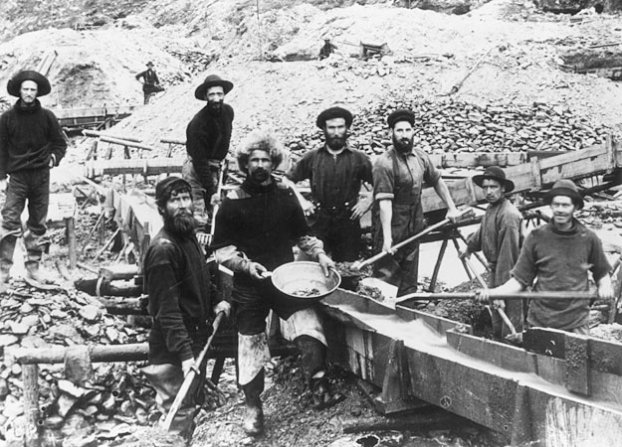
Towns would quickly appear wherever mineral
sites were discovered, bringing not only the fortune-hunting miners, but also
bartenders and prostitutes to keep the miners happy, but also bankers, clergy,
and general store operators to bring some degree of American civilization to
the towns as well.
Quartz mining in Gold Hill, Nevada
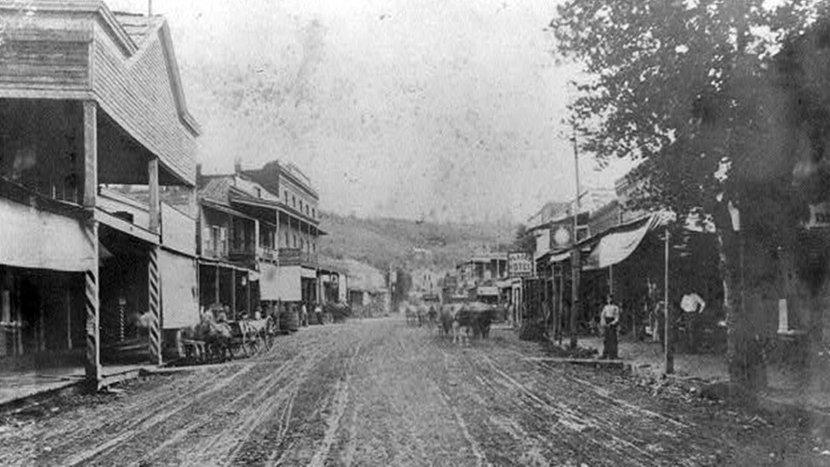
Placerville, California during the boom times
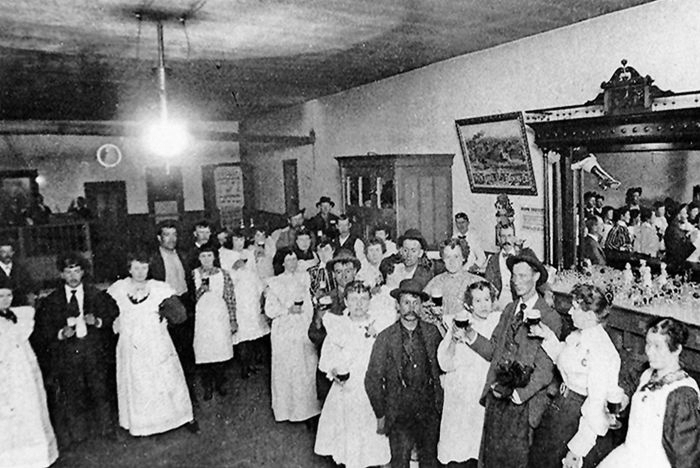
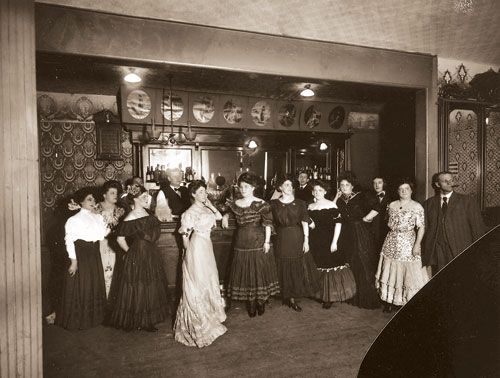
A saloon (with attentive ladies) in Cripple Creek, Colorado.
And a brothel in Montana to entertain the boys
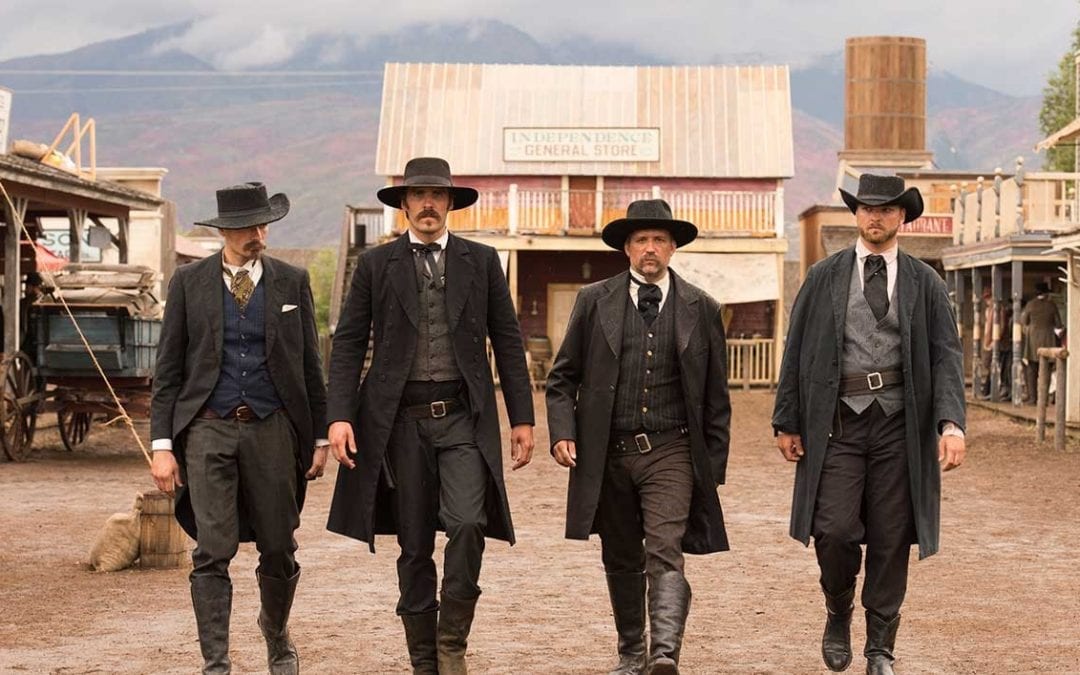
And lawmen to keep some semblance of order in the midst of the rowdy crowd
Then when the mines
yielded up all their bounty, everyone moved on to opportunities elsewhere – and
another bustling mining town turned into a deserted ghost town.
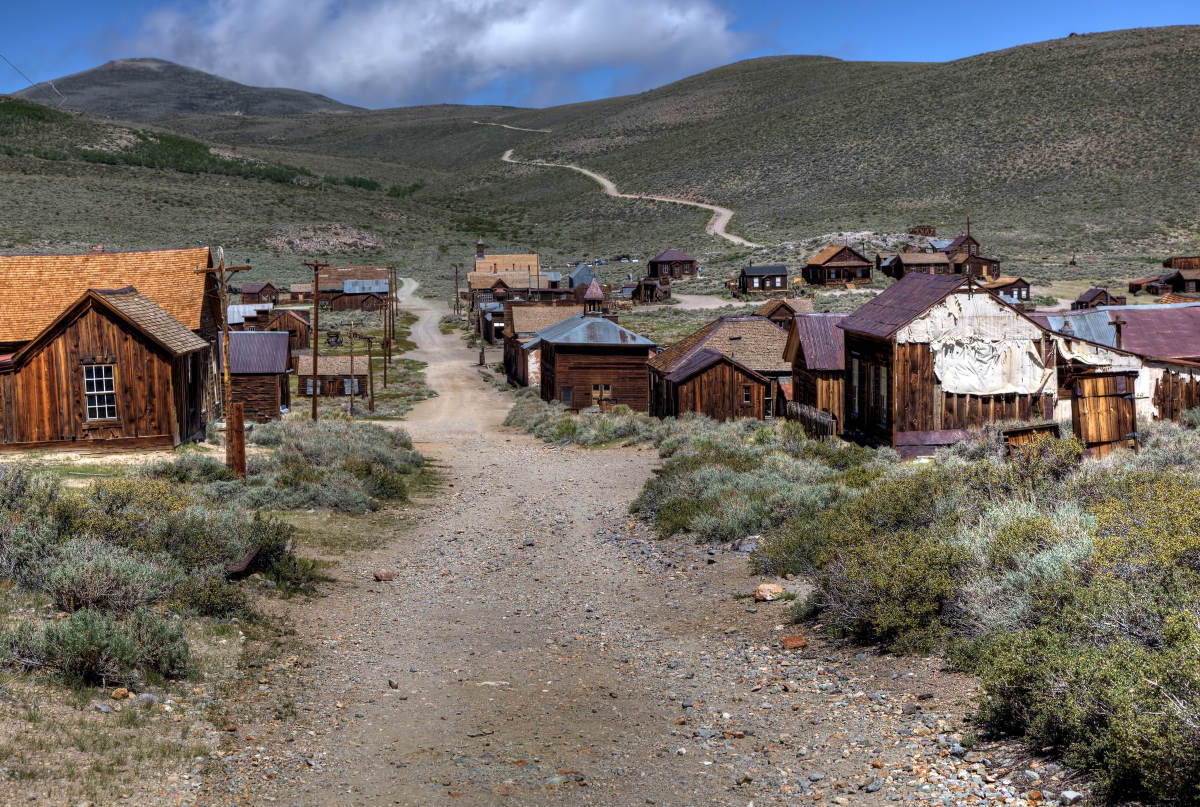
Bodie, California – a ghost town when the mineral wealth ran out
Founded with the discovery of gold in 1859, at its peak it had 10,000 living there
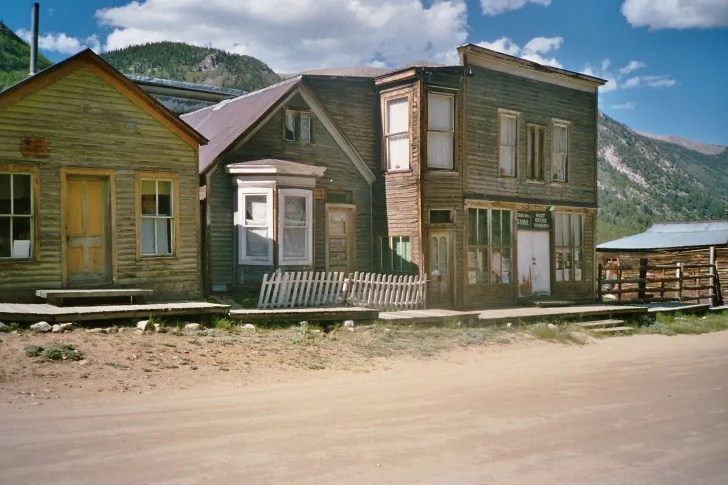
St. Elmo, Colorado – another ghost town shaped by the fortunes
of gold and silver. At its height in the 1880s it had about 2,000
people living there
| COW TRAILS AND CATTLE BARONS |
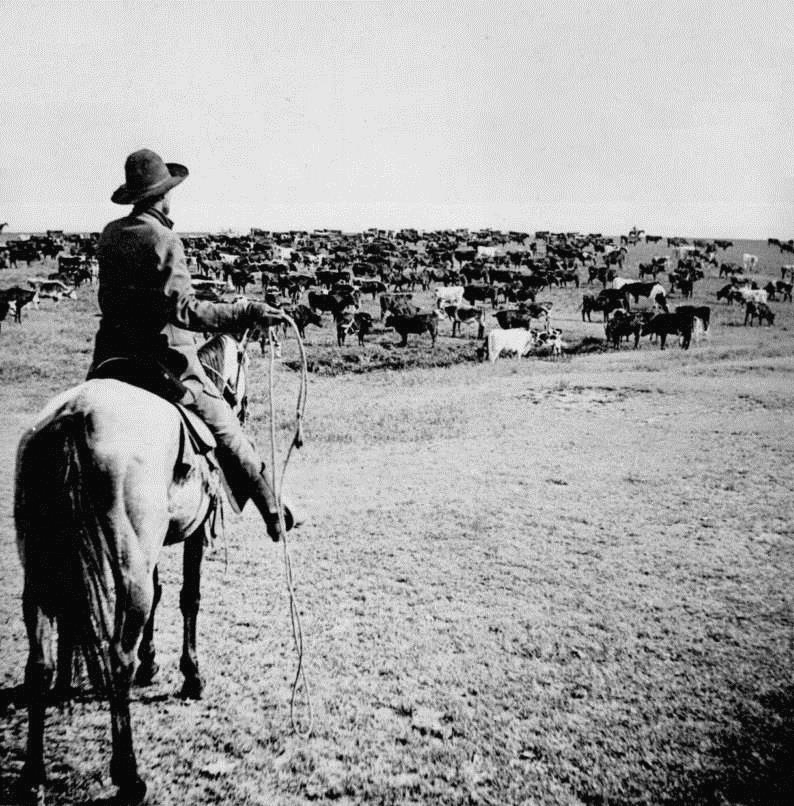
With the advent of the railroad into the West, new opportunities
opened up for the lucrative trade in beef cattle. Thousands of cattle could be herded north out
of the grasslands of Texas, through the Indian territory of Oklahoma, to the
various railheads of the Kansas Pacific Railroad. For instance in 1867, when the new Chisholm
Trail was first laid out, 35,000 head of cattle were brought up from Texas to
the railhead at Abilene, Kansas, in that first year alone. The cattle were then herded onto box cars and
shipped up to Chicago – or west to Denver for shipment to the Pacific
coast. In Chicago the slaughterhouses
would be kept busy preparing meat to be shipped up the Great Lakes waterway to
the populous Eastern cities.
From
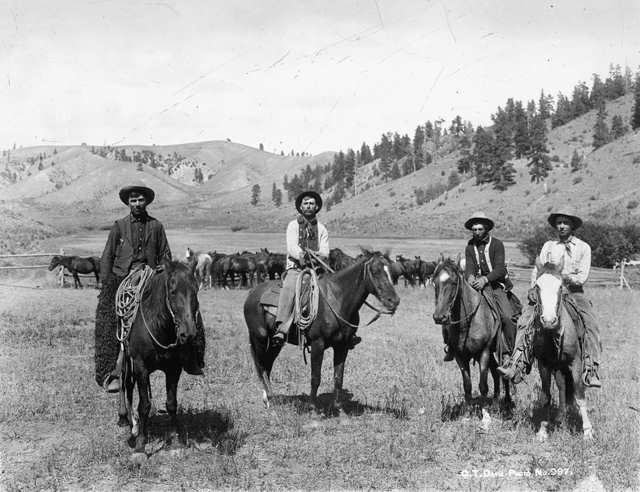
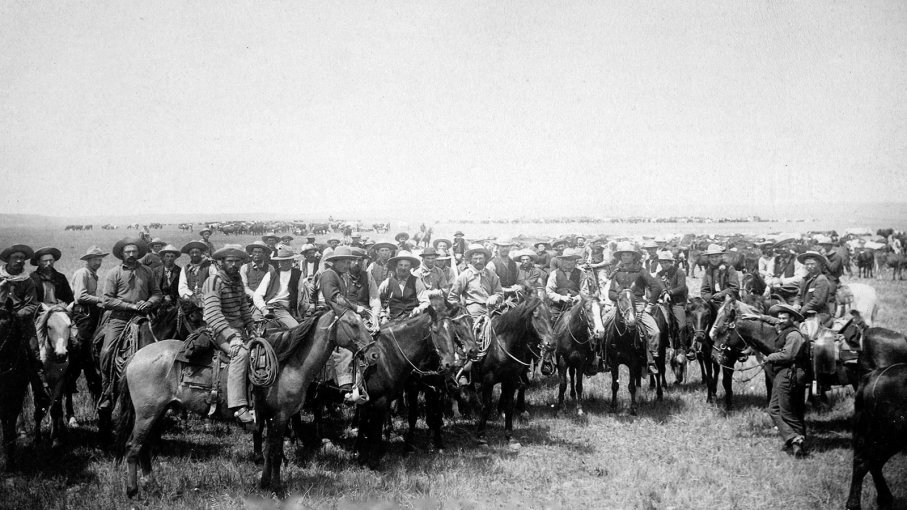
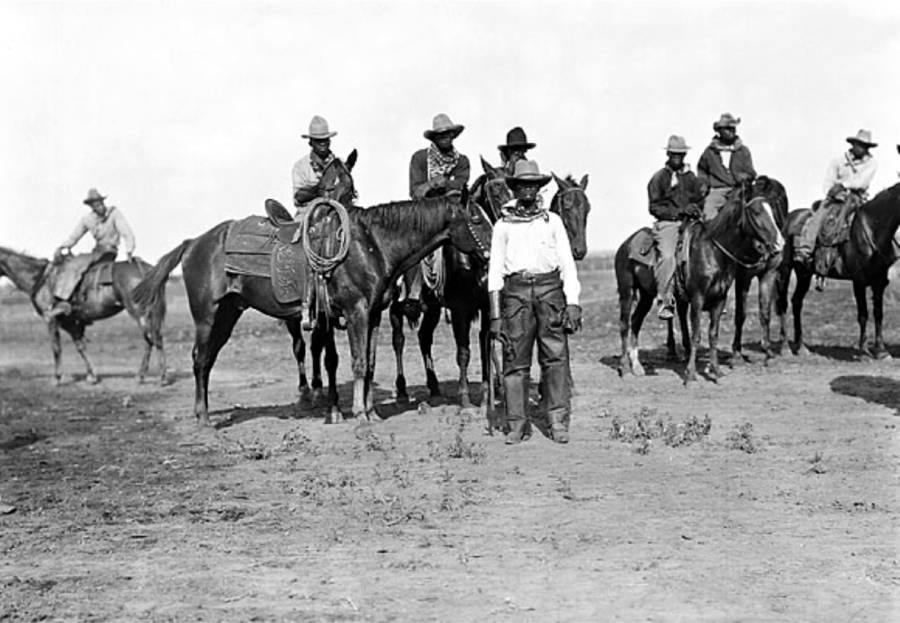
the end of the Civil War to the mid-1880s the cattle business boomed, making a
lot of cattle barons very rich – and creating a fabled American proto type, the
American cowboy.
| THE END TO THE ERA OF THE GREAT CATTLE KINGDOMS |
But three things would bring this era to a close: the steel plow, the barbed wire fence, and
the overgrazing of the cow trails. The
grassy plains through which the cattle trails led were covered by a thick
undergrowth of tough grass with deep roots, which made the land prohibitively
difficult to plow – that was until the steel plow began to come under wide
usage (sometime in the 1870s and 1880s).
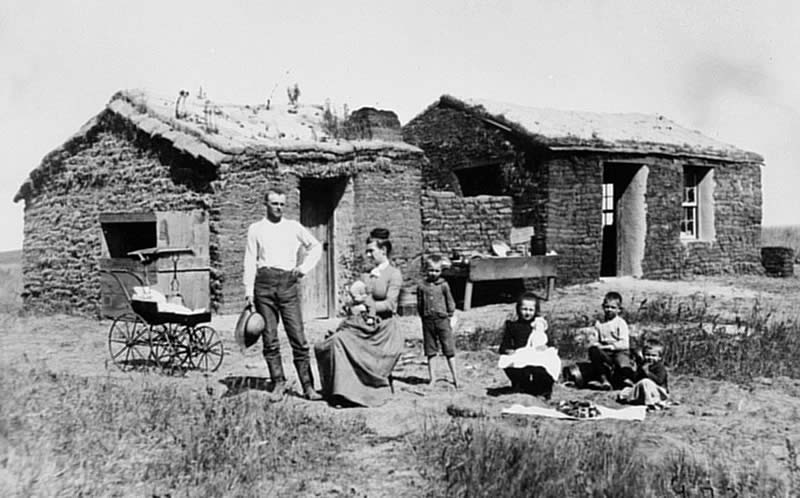
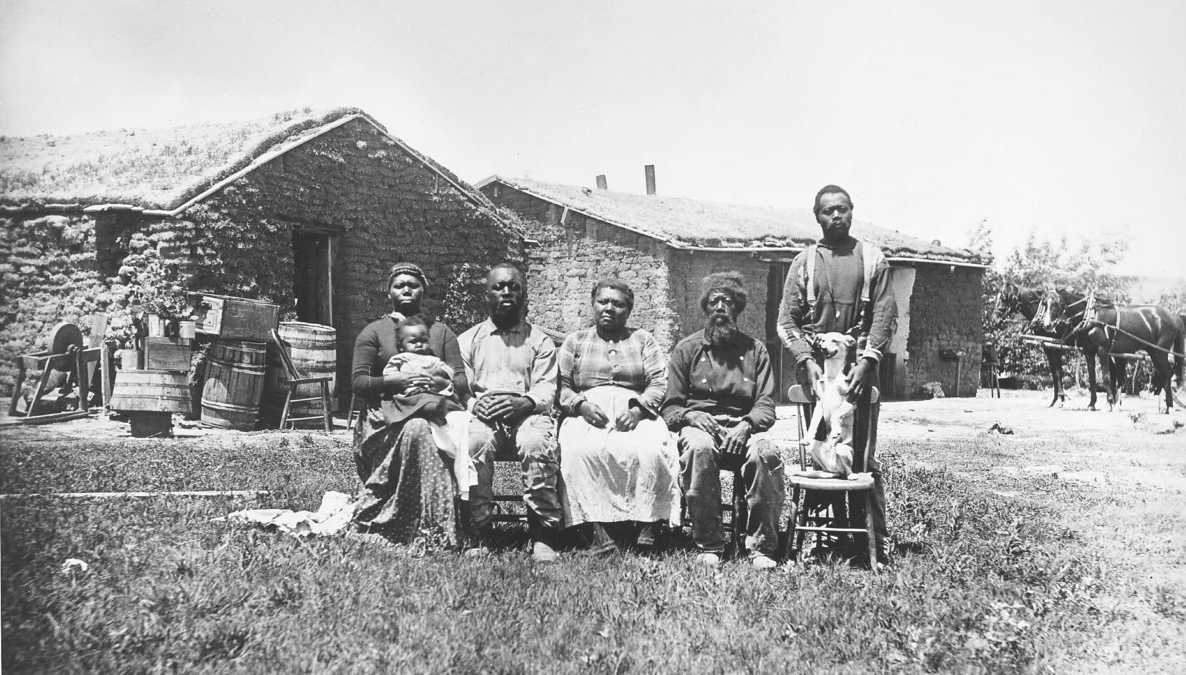
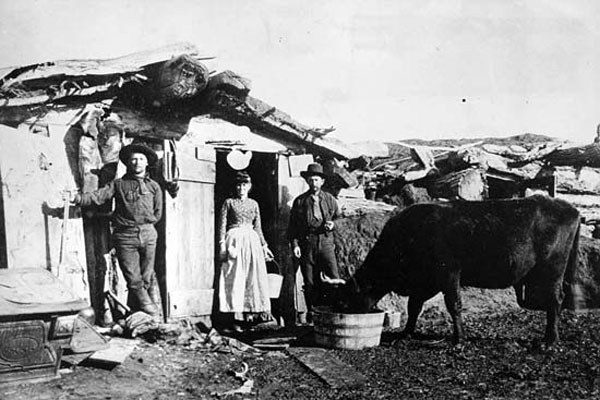
With this invention, homesteaders could now begin to settle the plains,
with their plowed fields and domestic animals able to support the lives of
their families. To protect their
investment, they began to secure their landholdings by the relatively cheap
means of the new barbed wire fencing (developed in the mid-1870s).
Now the cattle herds found their paths along their cow
trails blocked here and there by these fenced-in homesteads – and trouble began
to brew between these two categories of Westerners, the farmer and the
cattleman. For years the cattlemen had
been allowed freely to graze their herds on the vast Federal lands of the Great
Plains (reaching from Texas to the Dakotas).
But now homesteaders were rapidly filling these open lands.
Little by little the cattle herding business
was pushed further westward, increasing the difficulty and costs of the herding
itself. And then a very bad winter hit
in 1886-1887, with hundreds of thousands of cattle dying – bringing a number of
the former cattle kingdoms to ruin.
| THE RISE OF THE AMERICAN FARMER |
In the meantime, American farming was becoming a very big business
– the Western farms fully able to feed the Eastern cities which were also
growing rapidly in size. Indeed, America
began to see huge industrial farms grow in number during the latter part of the
1800s.
At
the same time, towns located along the growing number of rail lines
crisscrossing the American Great Plains or Midwest began to develop quickly as economic and social centers for the
agricultural industry of entire counties.
Thus as the farming business boomed, churches, schools, banks, and
general stores began to appear in these towns, bringing American civilization
to the American West. In many ways this
too, along with the cowboy, was fast becoming a major cultural symbol
representing the young and fast-growing America.
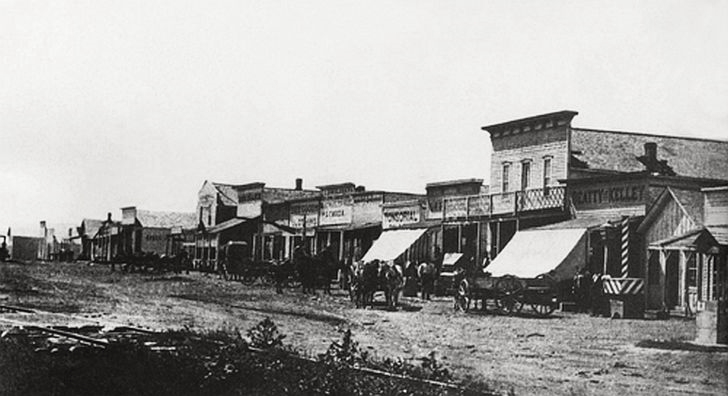
Dodge City, Kansas 1876
| THE INDIANS' "LAST STAND" |
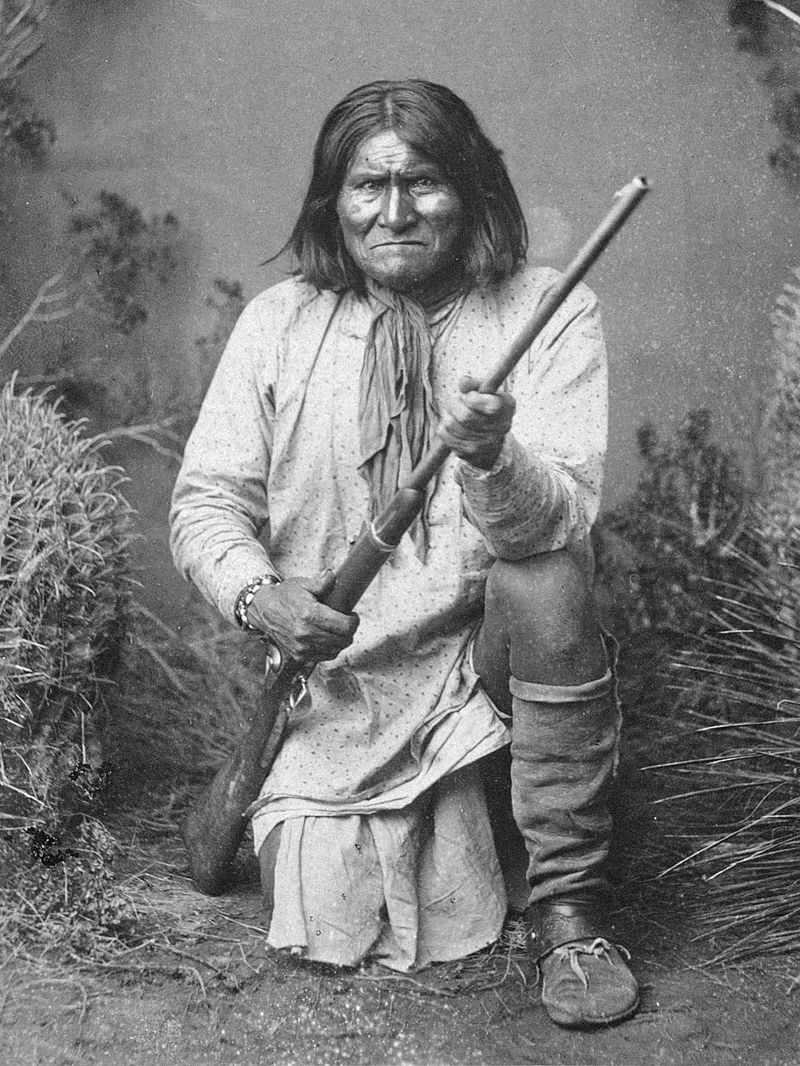
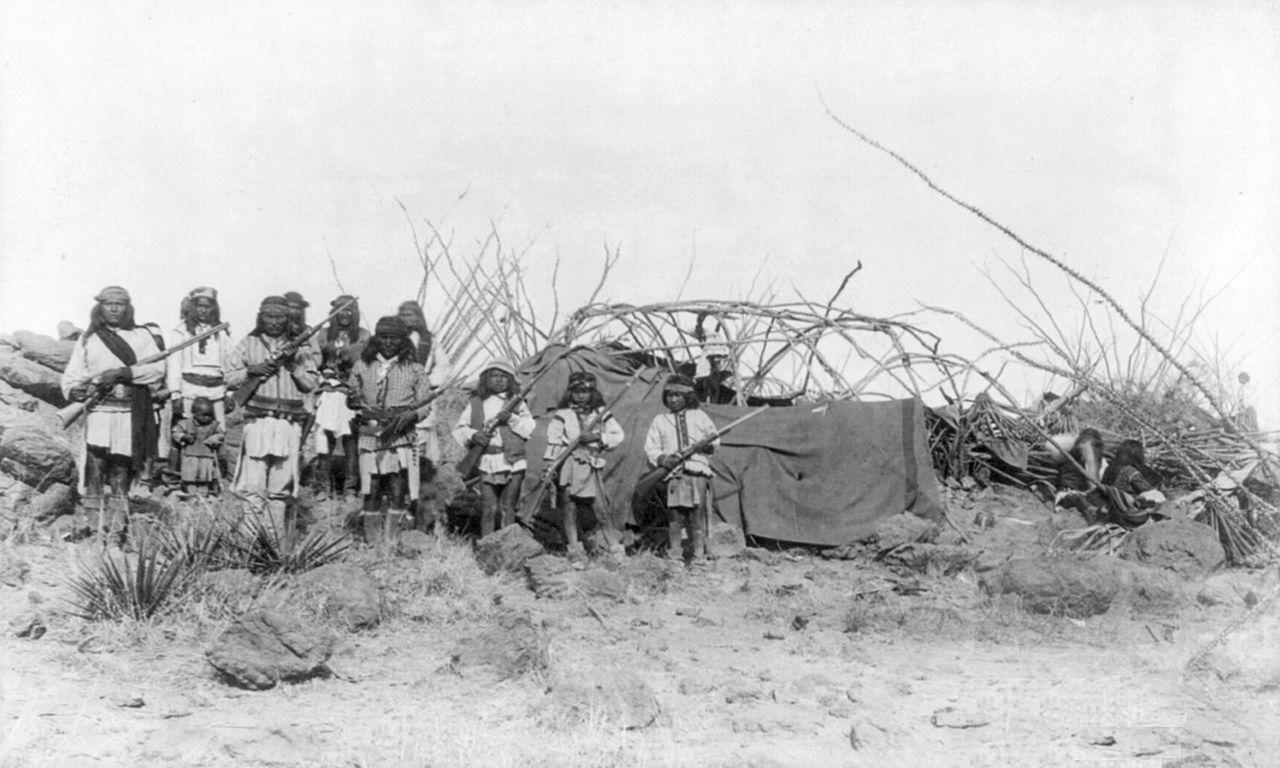
Things were growing desperate for the declining Indian tribes of
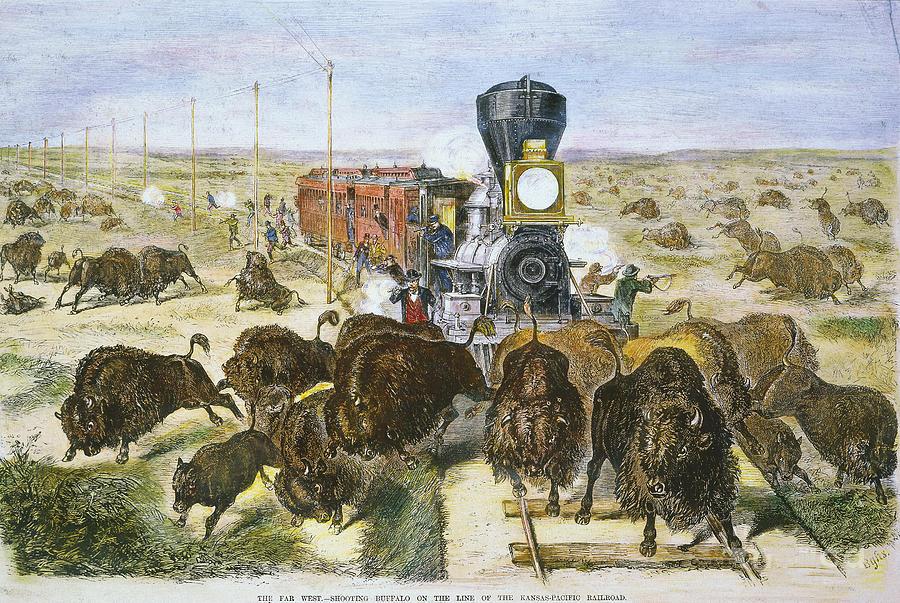
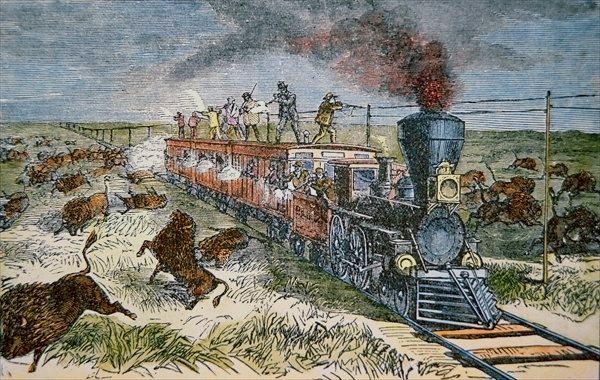
the West. The huge buffalo herds that
had sustained the Indians' hunting economy were dwindling rapidly in size –
thanks to both the Indians' greater killing ability with the new repeating
rifles – and the interest of Whites in killing the buffalo simply for sport
(sometimes simply from train windows as they passed the buffalo herds).
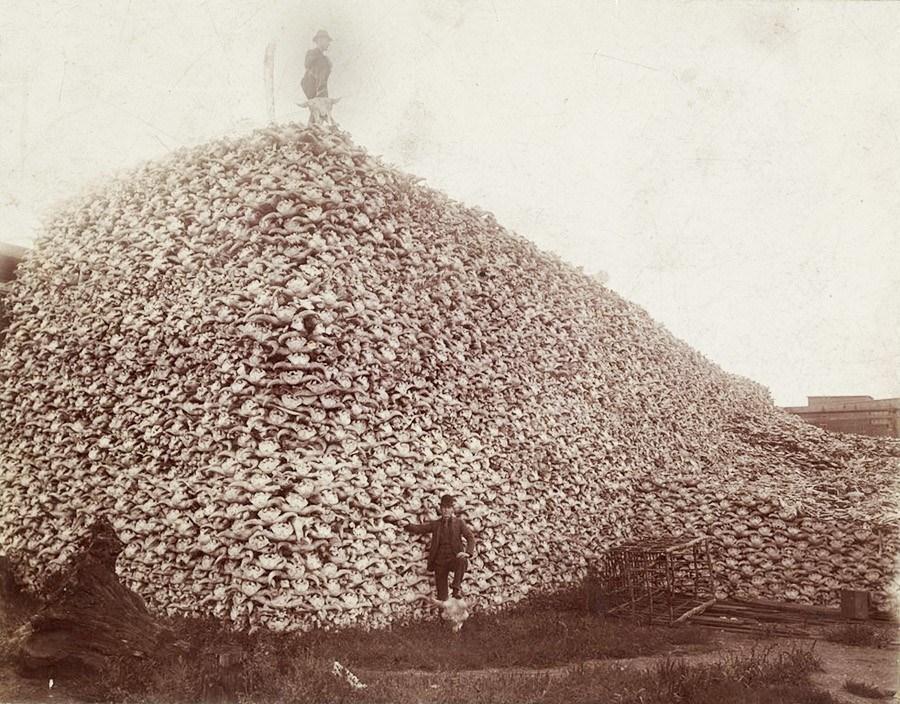
Can you imagine how many buffalo were killed
in order to create that mound of buffalo heads?
Then there was also the interest in Christian
missionaries in bringing the Indians to Christian ways – meaning a cultural and
economic lifestyle similar to that of the "Christian world." Reservations were also being chipped away at
by land hungry Whites – despite treaties that had guaranteed the land as Indian
territory in perpetuity. But events
showed quickly that there was no perpetuity when it came to Indian property
rights.
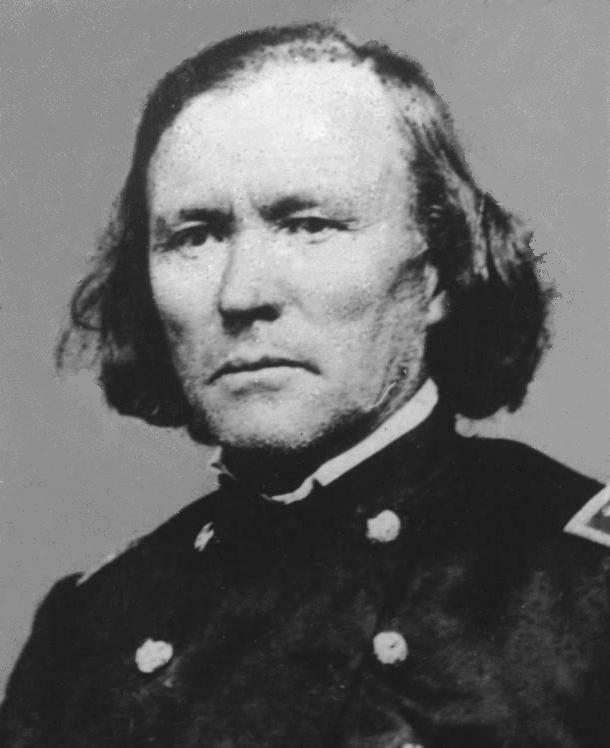
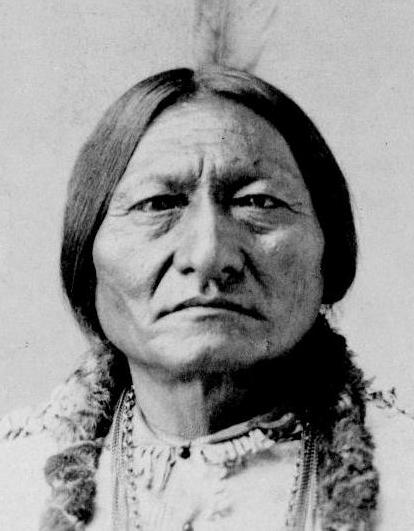 Custer's "Last Stand." In 1875 Sioux (or Lakota) Chief Sitting Bull and his tactician Crazy
Horse decided it was time to leave the Dakota Reservation to take the offensive
against settlers invading the Dakota Black Hills – sacred Sioux land.
Custer's "Last Stand." In 1875 Sioux (or Lakota) Chief Sitting Bull and his tactician Crazy
Horse decided it was time to leave the Dakota Reservation to take the offensive
against settlers invading the Dakota Black Hills – sacred Sioux land.
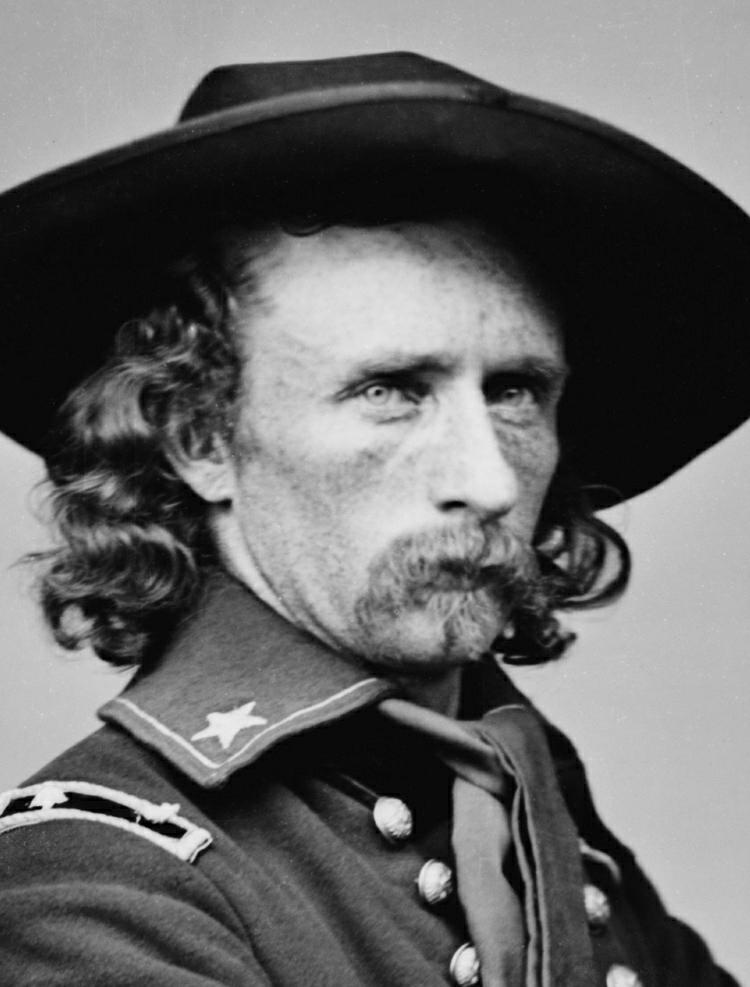 The next year they were joined by Cheyenne
and Arapaho warriors – which in turn brought Civil War Cavalry General Sheridan west to force them back onto
their reservations. But the Indians
proved quite resistant. And worse for
the American troops, a detachment of several hundred soldiers led by Colonel
George Custer got itself surrounded by Crazy Horse's warriors – and all were
either killed or badly wounded at the Battle of the Little Bighorn (1876).
The next year they were joined by Cheyenne
and Arapaho warriors – which in turn brought Civil War Cavalry General Sheridan west to force them back onto
their reservations. But the Indians
proved quite resistant. And worse for
the American troops, a detachment of several hundred soldiers led by Colonel
George Custer got itself surrounded by Crazy Horse's warriors – and all were
either killed or badly wounded at the Battle of the Little Bighorn (1876).
But
instead of breaking the will of the White soldiers, the slaughter of Custer and
his men became a rallying cry for the White nation to take revenge. At this point Sitting Bull decided simply to
return his people to their Dakota reservation.
One last effort of Indians to clear the land of Whites occurred in
1890, when, getting caught up in the Ghost Dance craze, they came to
believe that the performance of this ritual would finally clear the land of the
White man – even believing that the wearing of special shirts would make the
Indians invulnerable to White man's bullets if it should come to armed
conflict. And it soon came to such
conflict – in which Sitting Bull was killed along with a dozen of his
warriors. Then the 7th cavalry was sent
in to impose order, and, at the Wounded Knee Creek, fighting
accidentally and tragically broke out – in which possibly 150 to 300 Sioux men, women and children were
killed (no one is sure of the count) – along with 25 U.S. soldiers.
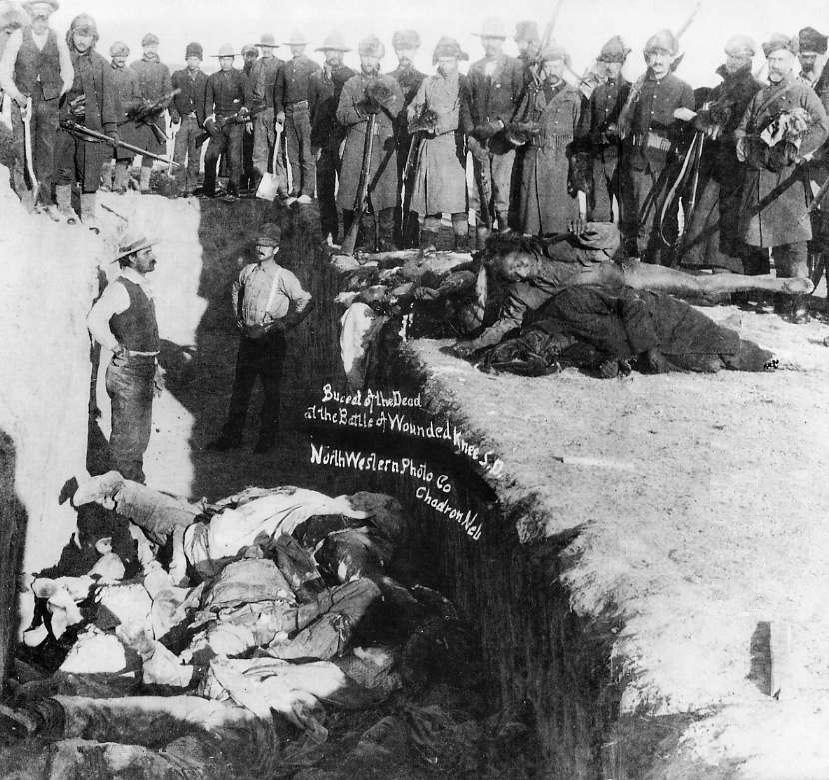
Indian bodies gathered for mass burial
after the
battle at Wounded Knee Creek – 1890
It would be
the last sad such episode in the long-standing feud between the American Indian
and the American White. Indeed, the "Indian
Problem" had now been solved, definitively.
Go on to the next section:
America Comes of Age
 Miles
H. Hodges
Miles
H. Hodges

 The battle continues during the years of the Civil War
 Westward Ho!
 Cow trails and cattle barons
  The end to the era of the great Cattle Kingdoms
  The rise of the American farmer
  The Indians' "Last Stand"