<


6. AMERICA COMES OF AGE

AMERICAN PROGRESSIVISM


CONTENTS

The Progressivist Movement

Jane Addams

William Jennings Bryan

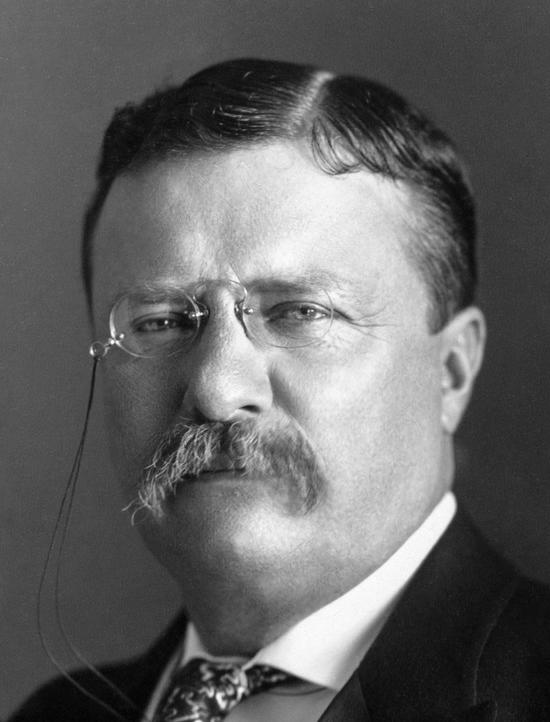
Theodore (Teddy) Roosevelt

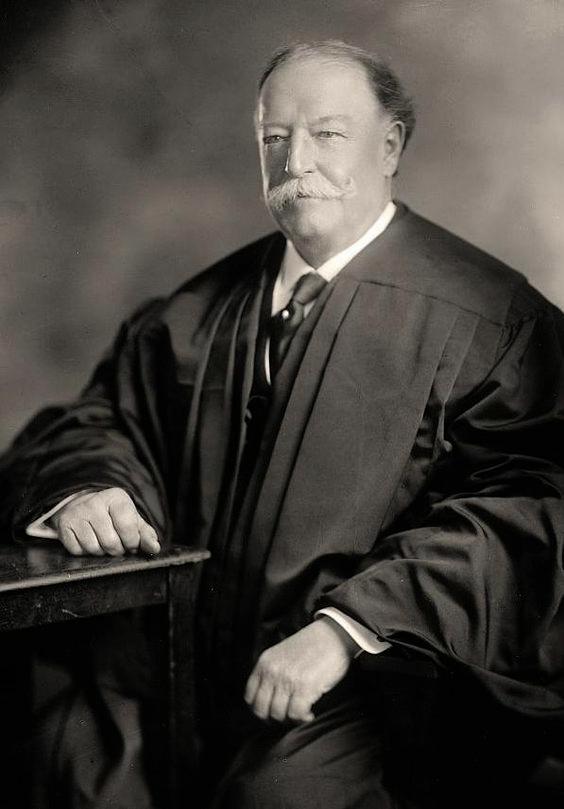
William Howard Taft

Their Christian faith


The textual material on this webpage is drawn directly from my work
        America's Story – A Spiritual Journey © 2021, pages 182-192.

THE PROGRESSIVIST MOVEMENT

Meanwhile, over in America, by the time the country reached the point of entering the 20th century, there was something of its own social "Awakening" well underway in the country.  The industrial revolution had produced deep changes in America's traditional social profile – some of these changes of a very dark nature.  Numerous individuals urged the nation to take on these issues and correct them – helping the county to move forward, to progress.  Thus they advocated certain "progressive" social programs, when possible even followed up by "progressive" legislation.  And so it was that they became identified as "Progressivists."

Their 
Progressivist Movement took on many social dimensions.  Most understandably, Progressivism demanded better working conditions for all laborers. Progressivism also fought to place restrictions on child and women's labor in the factories and mines.  Progressivism was also dedicated to the goal of improved public education, especially for the poor living in urban slums.  It fought for quality control of foods, especially meats, sold to the public.  It pursued a fight for greater protection of the natural environment against the wholesale plunder of the nation's natural resources.  And it included the ideas of turning prisons into reformatories that would reform rather than just merely punish offenders of the law.

Progressivism sought to make local government more democratic and more efficient (often contradictory concepts!) by introducing the ideas of popular recall of corrupt public officials, by putting in place the party primary which allowed the voter rather than the city machine to choose the local candidates for public office, and by the idea of hiring a professional city manager who would be "neutral" in the realm of party politics – as if political neutrality itself was truly attainable by those wielding significant social power.

Secular or Humanist  Progressivism.  Such Progressivism was not the program of any particular social group – or even political party.  The state itself played a rather minimal role in designing 
Progressivism's many initiatives – although the state did tend to follow up on social initiatives in many cases with legislation solidifying the gains of the Progressivists.

The Church also played a minimal role directly – although to most people, what motivated all of this 
Progressivism was the Christian spirit of charity for all, especially the poor and downtrodden.  And as most Americans at the time considered themselves as "Christian," Progressivism needed no special affirmation as a Christian movement (although the WCTU was very explicitly "Christian").

However, others reacting to the social problems around them were more inspired by a rising Humanism that was once again capturing numerous American hearts.  These Humanists were generally professional intellectuals – writers, journalists and educators for instance – who attempted to support those "less fortunate" than themselves.[1]  Their caring generally took the form of calling for social justice through governmental action or legal reform.  God's justice played no necessary role in this matter.  It was all simply a case of employing human logic – or "social science," as this logic came to be termed.

Such Humanism was very Rousseauian, in that the Humanists had little doubt about the basic goodness of man.  They were not at all supporters of the old Christian idea of a person's own "original sin" as the major handicap facing human life.  Humanists were convinced that if given the right opportunity, humans would naturally demonstrate an amazing goodness of spirit and action.

To the Humanists, all that stood in the way of bringing such human virtue to light was a corrupt society built on corrupt laws and consequently corrupt social practices.  Society needed only to reform the social laws that enabled and encouraged these corrupt practices – and the utopian bliss which Humanists were positive awaited mankind would dramatically appear of its own accord.


[1]As intellectuals, they typically approached life through carefully designed programs – rather than direct or personal involvement with the "victims" of society.


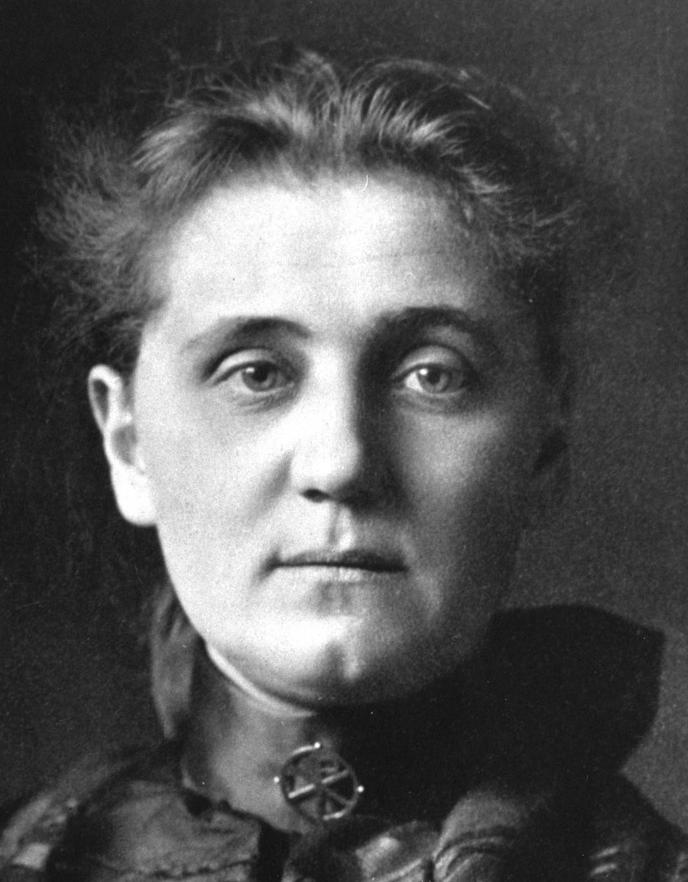
JANE ADDAMS

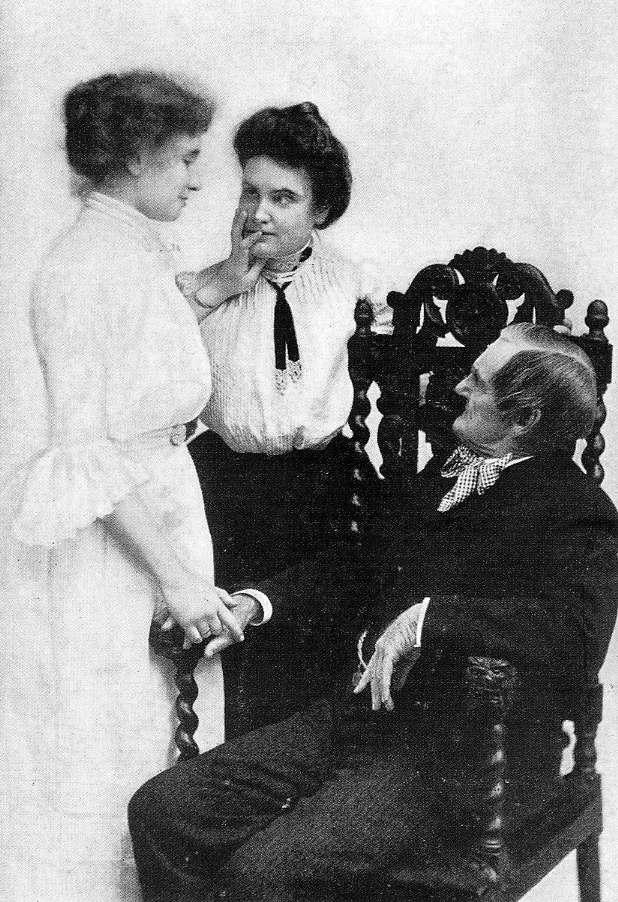
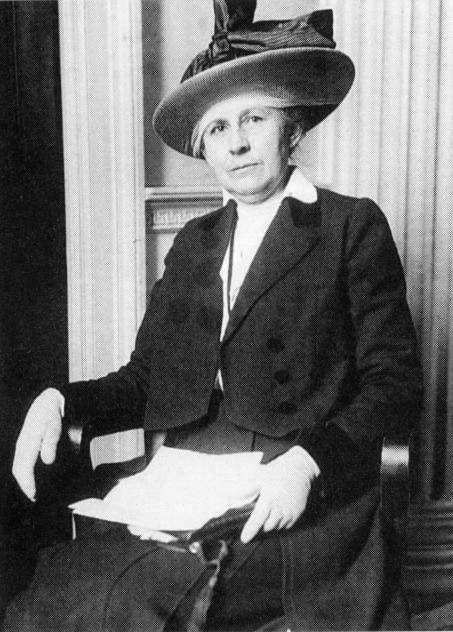
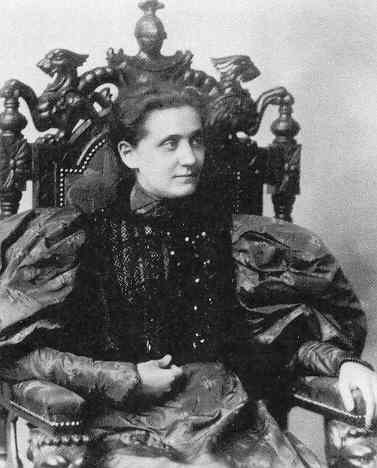
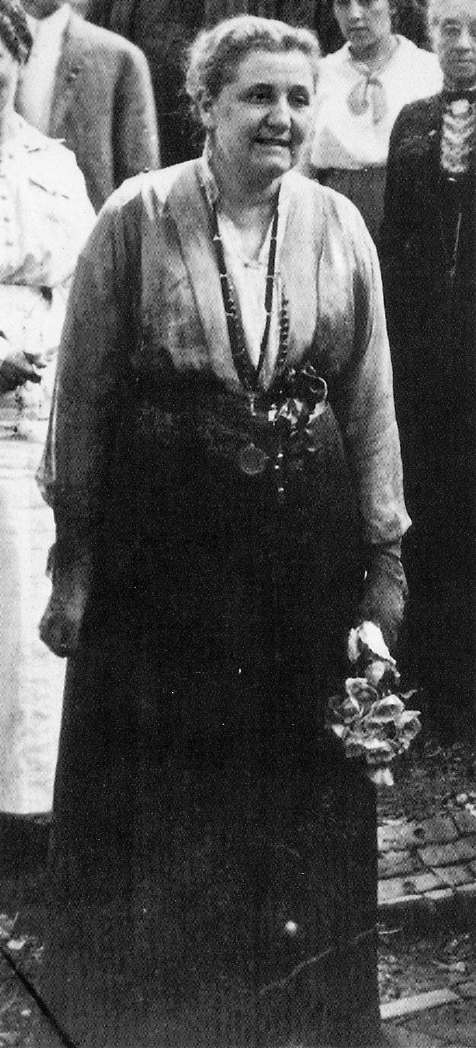
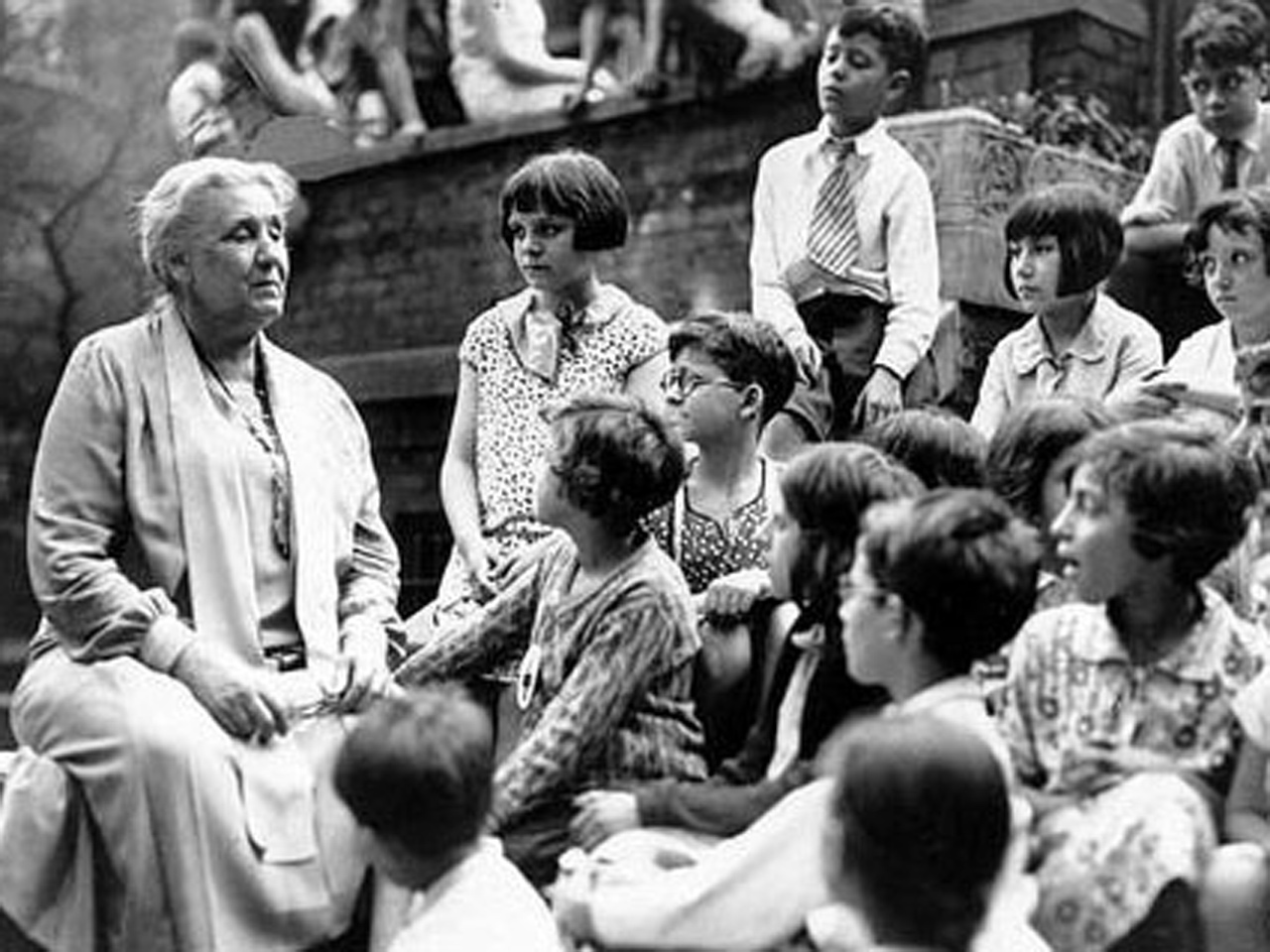
One of these Progressivists was a most amazing woman – who did not follow the tendency of other Progressivists to be rather socially abstract in their Progressivism (working in support of categories of people rather than with distinct individuals) – Jane Addams.  She was a woman of enormous personal warmth, achieving amazing social impact through simply that personal warmth of spirit.

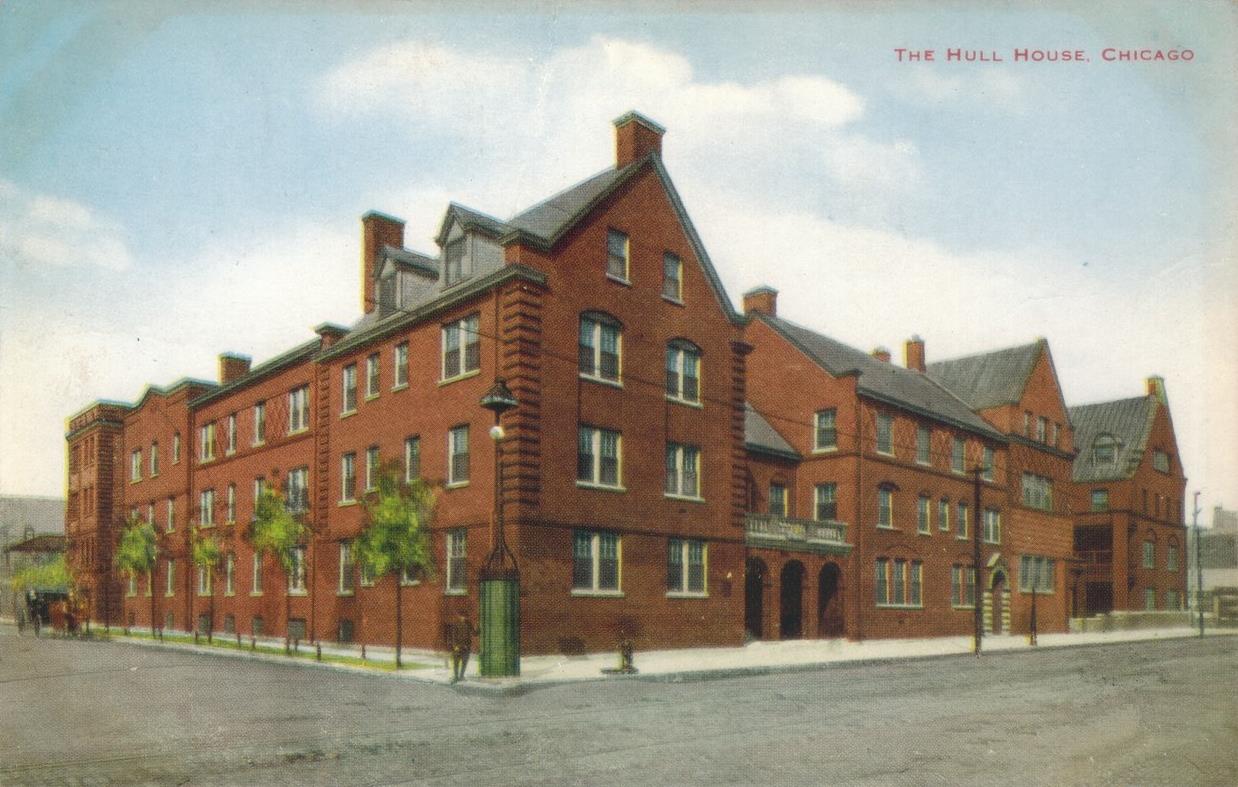
With her mother having died when she was only two, she was raised by her older sisters and a loving father, a very successful Illinois businessman, who himself then died in 1881, leaving her $50 thousand (roughly $1.23 million in today's dollars).  She was thus able to follow a childhood dream of studying medicine in Philadelphia – with the intention of eventually serving the poor, though the dream ended when she had to return to Illinois because, in part, of ongoing back problems acquired when she was a child.  But two years later she was able to travel to Europe, and in England became inspired by Toynbee Hall – where, quite exceptionally for the times, various social classes – ranging from aristocrats to the very poor – lived, learned, and worked together.  This would become the model for her when she returned to the States and used her money in 1889 to purchase a run-down mansion, the Hull House, in Chicago.

Here too, members of the different social classes[2] (including different ethnic groups) learned to share their worlds, their dreams, their actual futures ... from childhood onward.  Hull House included, besides a school, an art museum, a library, and a theater, eventually thirteen separate buildings and a playground.  Here Progressivism took on a very distinct, very strong, personal quality.

Later in life, when World War One broke out in Europe in 1914, her strong pacifism led her to be elected chairman of the Women's Peace Party, and the following year also to become a leader in the International Congress of Women – a group trying to find ways to end the war.  Sadly, when American President Wilson decided in 1917 that he would be doing everyone a great favor by sending American soldiers to kill Germans in Northern France, her pacifism became viewed as being highly unpatriotic, and she was treated harshly.

After the war she continued her world peace program , and in 1931 she was voted the Nobel Peace Prize by the awards committee virtually unanimously, capping a long career which exemplified in so many ways the very heart of Progressivism.  Four years later she died, deeply mourned by the American nation which saw in her only goodness in inspiring hope to the world, much needed at a time when America was going through the Great Depression.


[2]She was able to get a good number of socially prestigious women to roll up their sleeves and join her in her ground-level work among Chicago's poor!


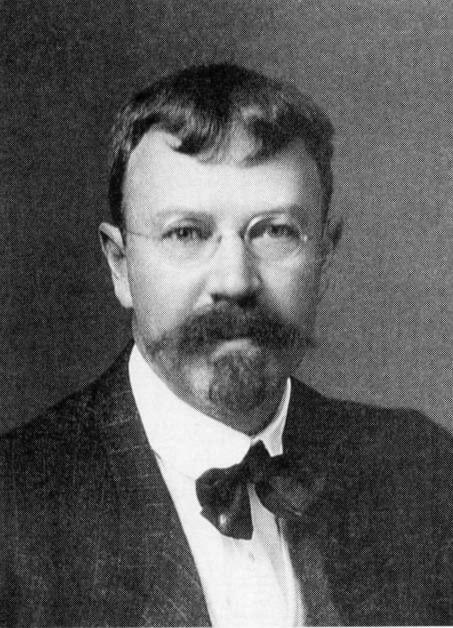
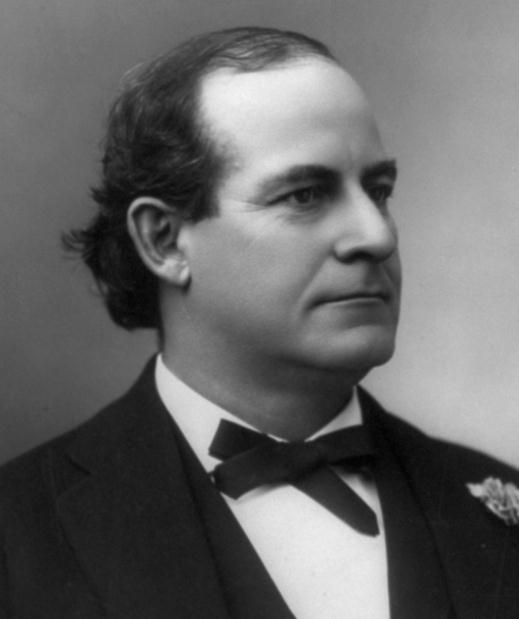
WILLIAM JENNINGS BRYAN

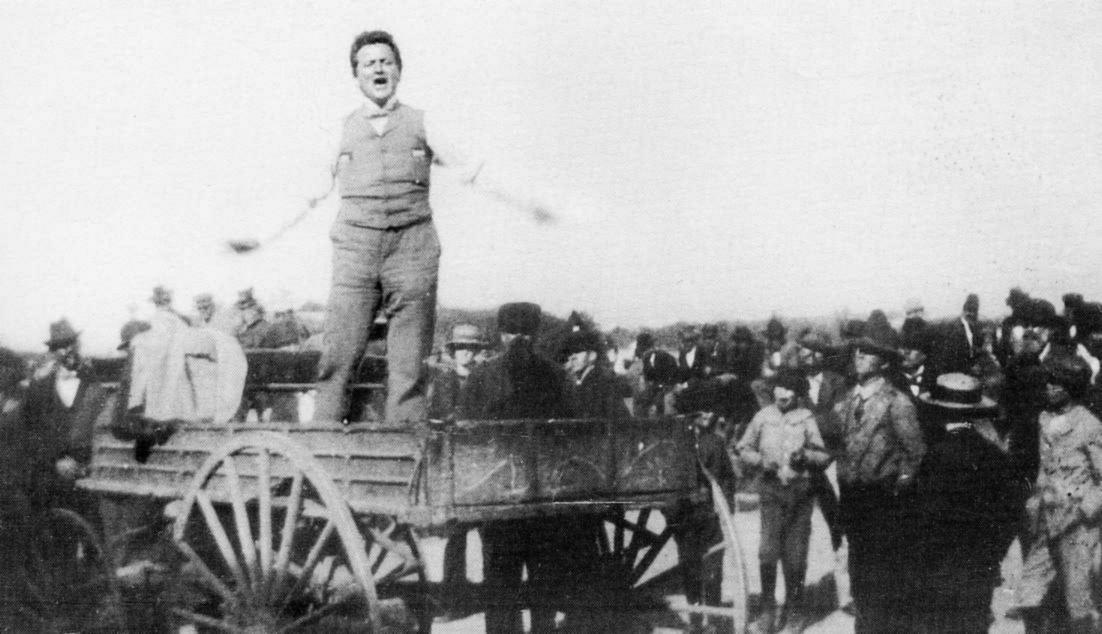
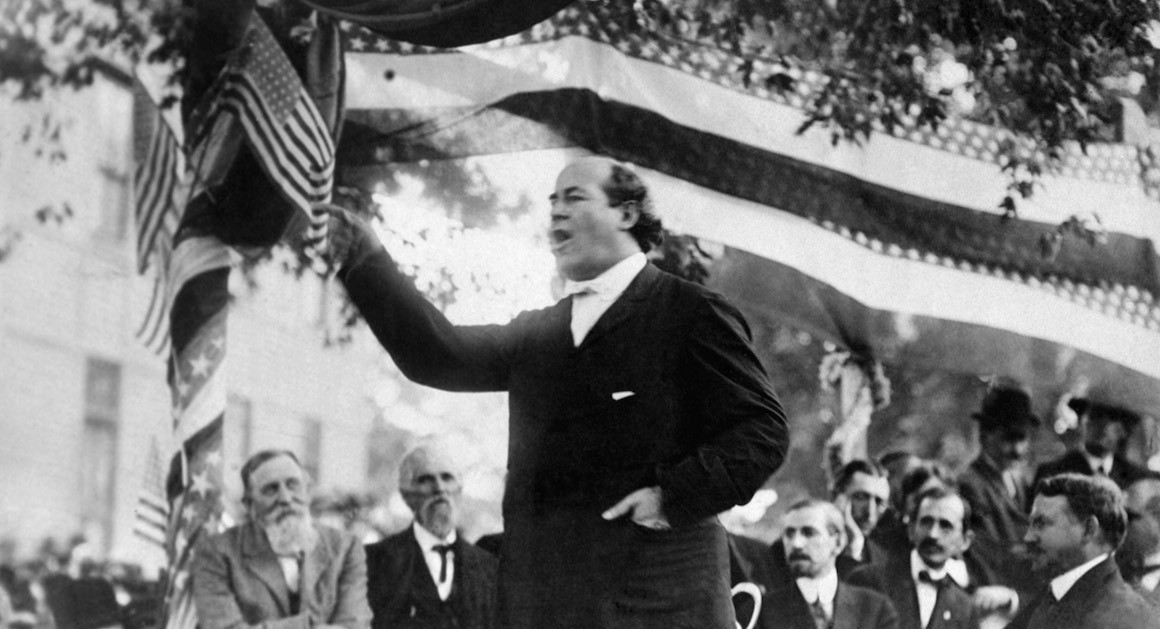
We have already met Bryan, the Democratic Party's presidential nominee in 1896, who captivated the convention with his "Cross of Gold" speech.  He too took up the Progressivist crusade, inspired from an early age when he became a "born-again" Christian, building on that character by study at the Presbyterian Illinois College, where he developed a strong sense of the need for greater social justice in America.  This then led him to law school, and then subsequently the law practice.  But he and his wife, Mary (also a lawyer), felt that greater opportunities awaited them in Nebraska, which they moved to in 1887.  There he soon became involved in local Democratic Party politics.  He was elected and served as a US Congressman, but then lost the Senate election in 1894 when the Republicans took control of the Nebraska legislature.[3]

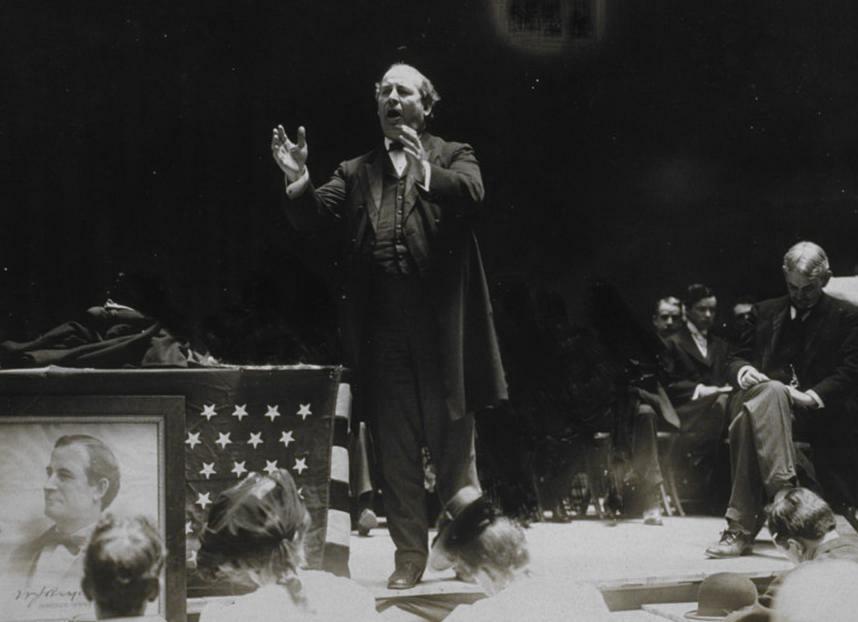
But Bryan was a restless crusader – and an excellent speaker – who at that point decided to take to the lecture circuit, to press his case for social justice, especially concerning this matter of how the very wealthy lorded it over America's poor.  And as the 1893 crisis was understood as being essentially a matter of gold versus silver as the backing of the U.S. dollar, Bryan took on that subject … enthusiastically.  And thus it was that in 1896 he was chosen by the Democrats to run for the U.S. Presidency.

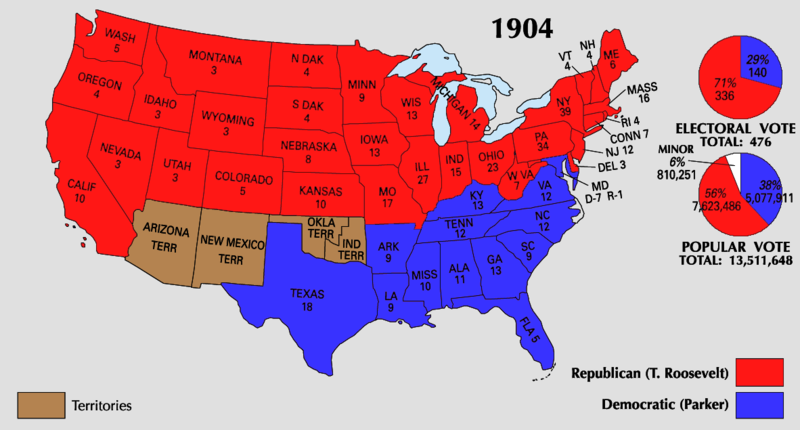
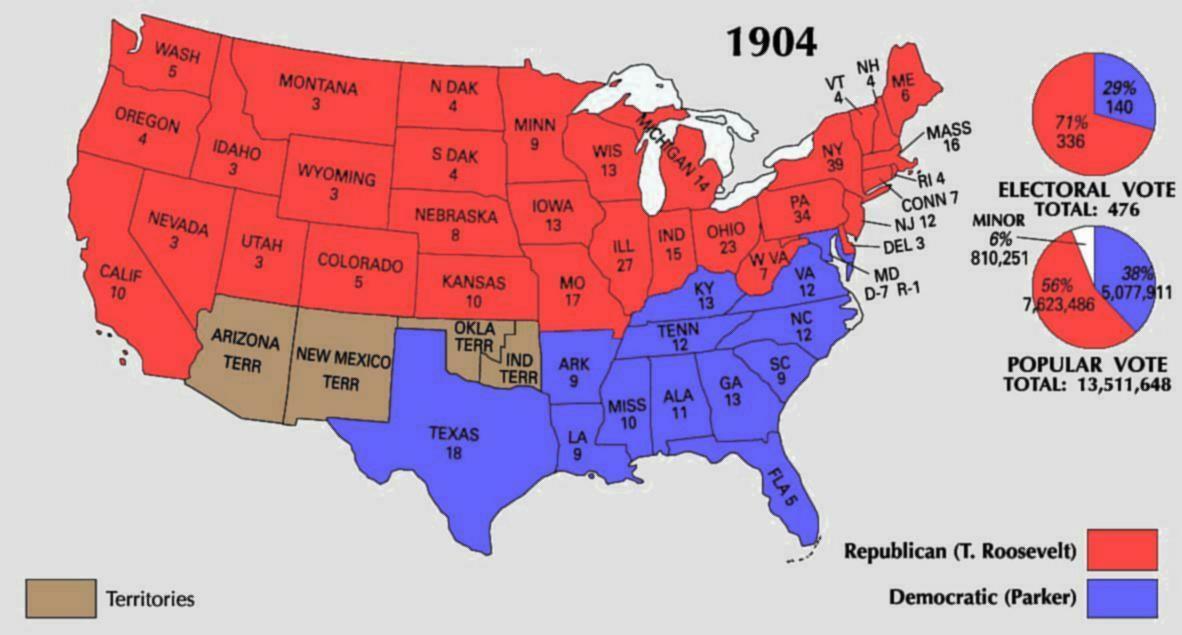
He lost the national election that year to McKinley but was re-nominated four years later – again losing to McKinley.  By the time of this second election in 1900, the economy had already picked up, and his social advocacy no longer had the urgency about it that it did four years earlier.  He would sit out the 1904 election (which Roosevelt won) but run again four years after that in 1908, this time losing to the Republican candidate, Taft.

Part of Bryan's problem was that he had been clearly an anti-imperialist, at a time when the glories of imperialism were shining brightly, not only in Europe but in America as well.  He hated the 
Darwinism that stood behind this urge, namely the right of the strong to dominate the weak – yea even the necessity of the strong dominating the weak – in order to promote historical "progress."  But he was also at the time a Democratic Idealist, believing religiously that bringing the world to democracy, even by military intervention if necessary, would be the one certain way of progressing the world to a state of true justice, true harmony, true peace.  Thus he supported America's intervention in the Spanish-American War, drawing criticism from fellow anti-imperialists.  In short, he found himself standing politically in the middle on the key issue of imperialism, or basically nowhere special.

But he would still be a major party figure four years later when, at the Democratic Party National Convention of 1912, he finally threw his support to Woodrow Wilson (on the 46th ballot!), and was then rewarded by Wilson when Wilson became president – by being brought on Wilson's cabinet as Secretary of State.  But Wilson and Bryan had very different opinions about exactly how America should get involved abroad, especially as Bryan truly wanted America to stay out of World War One, and Wilson favored deeply the "democracies" Britain and France in the contest.  Clearly Bryan had moved on past his Democratic Idealism, whereas Wilson was lost in such Idealism.  So 
Bryan resigned his position in June of 1915.

But he did not put his crusading heart aside, especially when he saw Christian morality being undercut by the Darwinist spirit which hit America hard after the war.  And thus he finished out his life defending his faith, in the famous "Scopes Monkey Trial" of 1925.


[3]The election of the U.S. Senators by the American voter (rather than by the state legislatures, in accordance with the U.S. Constitution's Article 1, section 3) would not take place until the passage of the 17th Amendment in 1913.


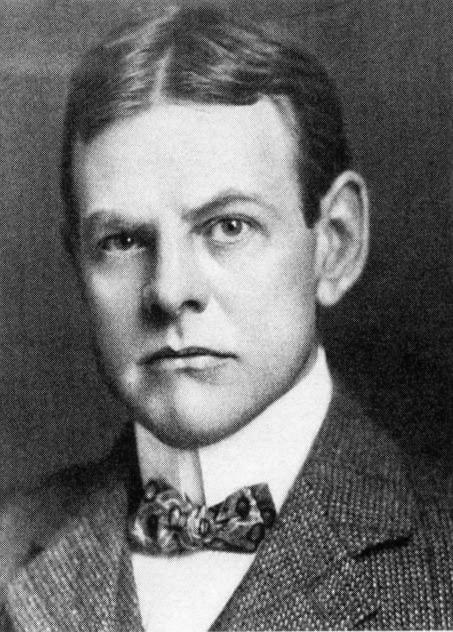
THEODORE (TEDDY) ROOSEVELT

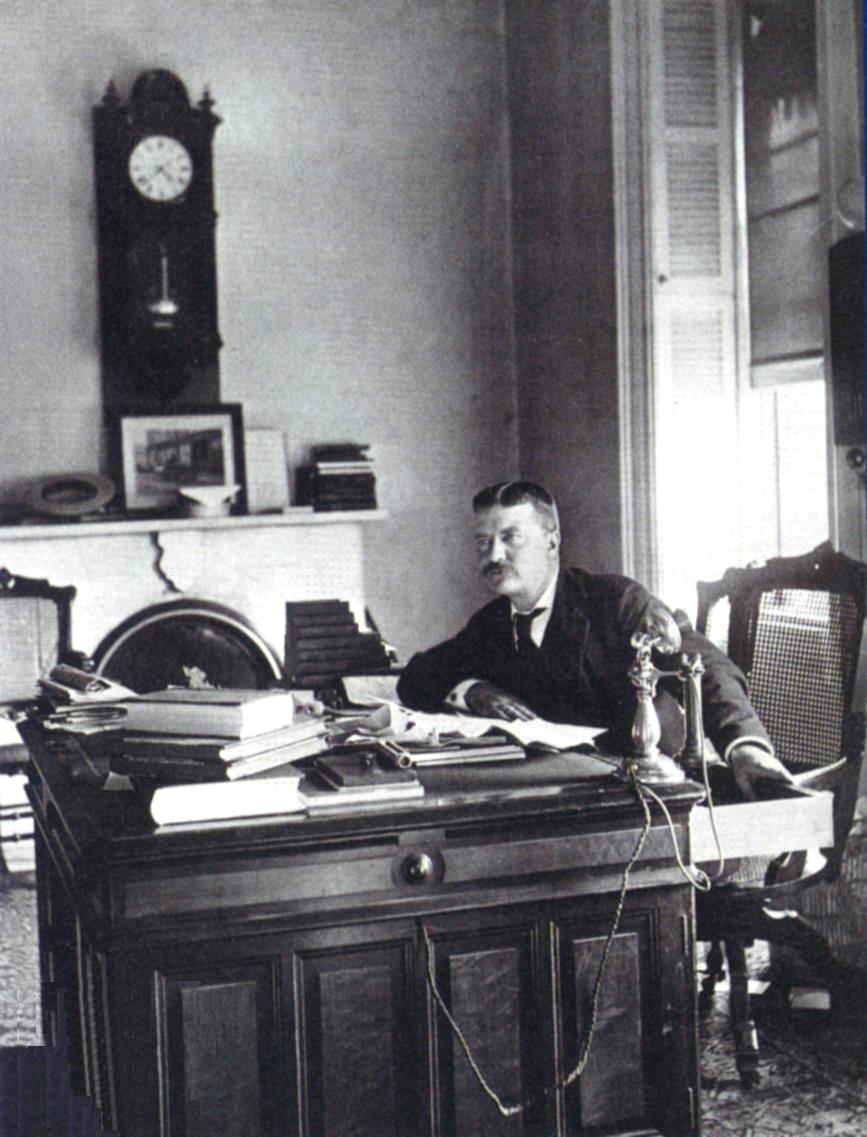
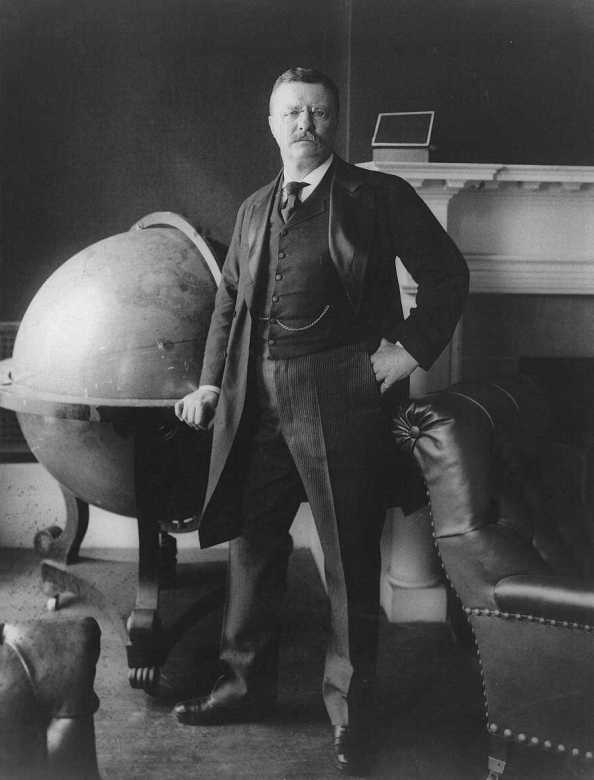
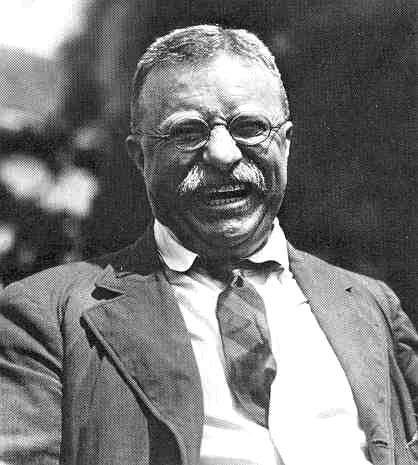
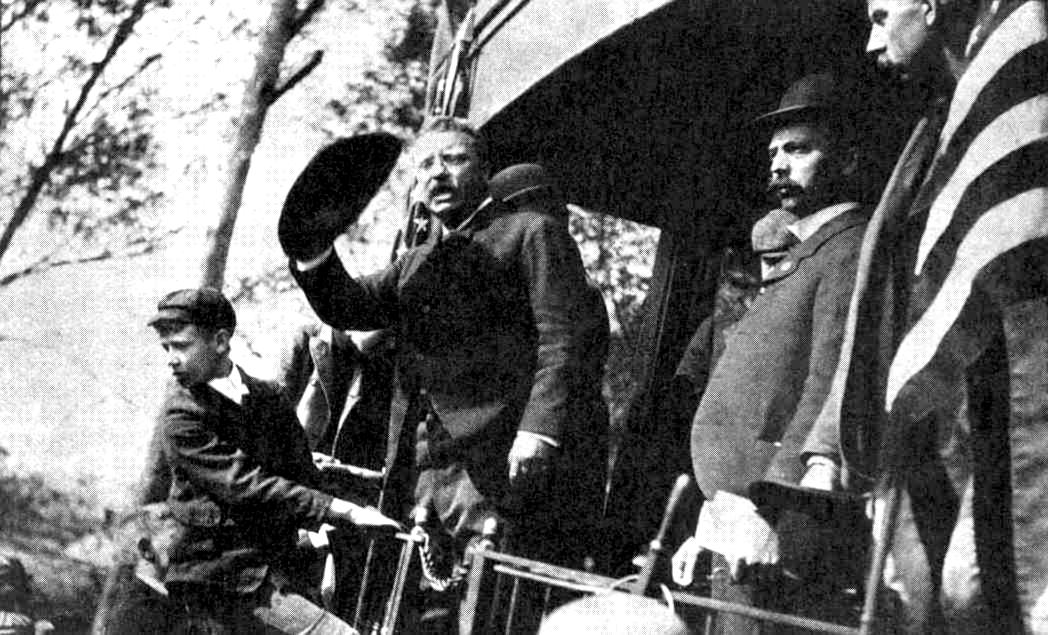
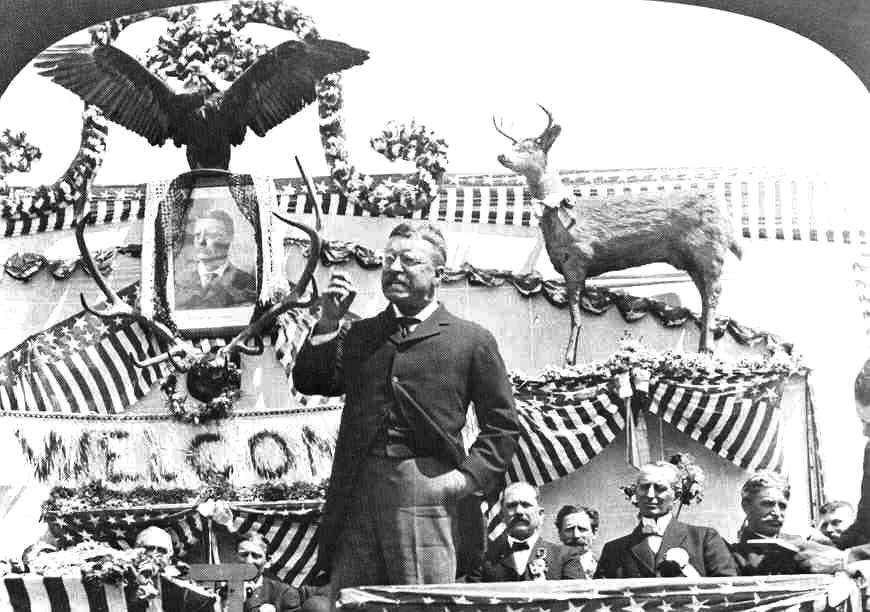
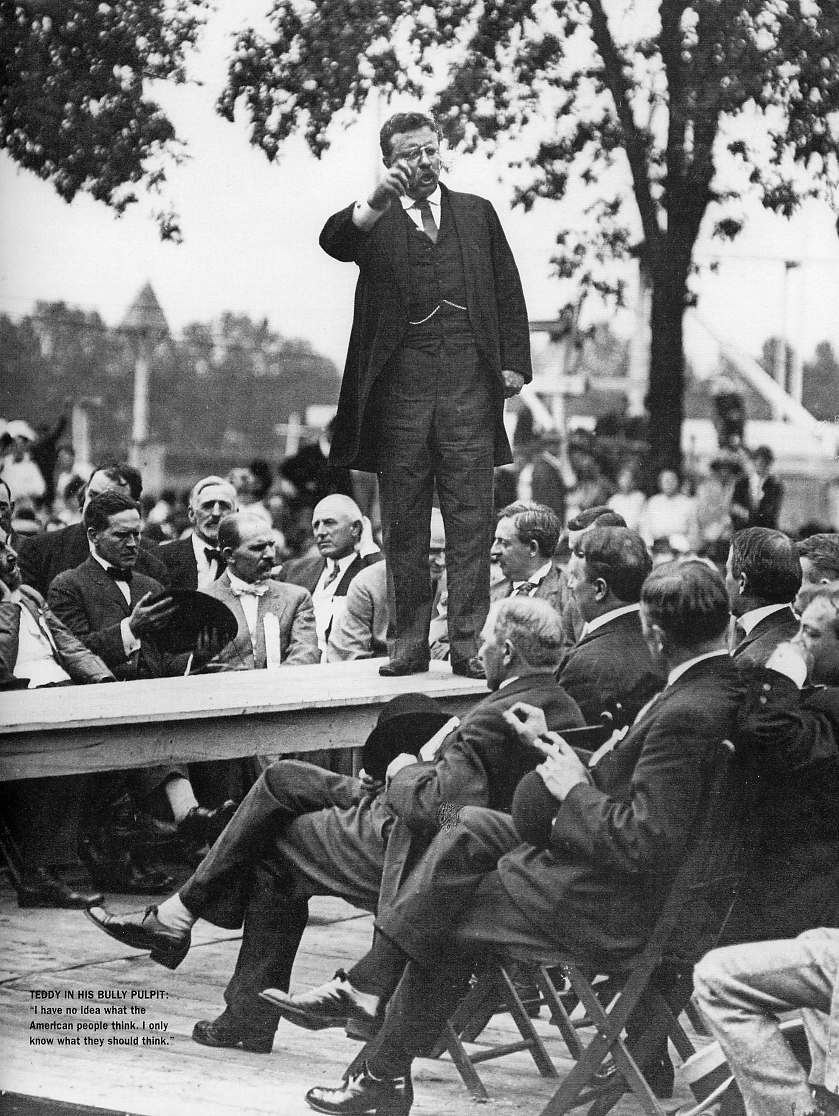
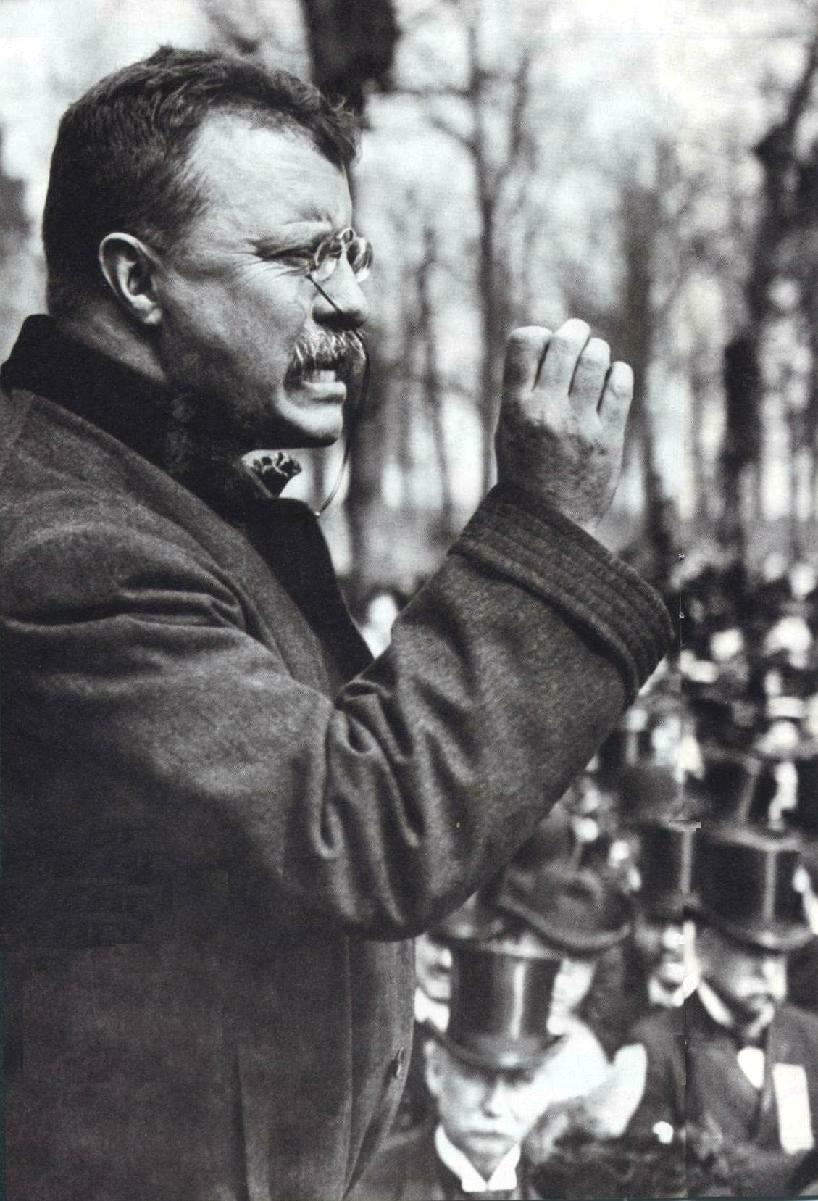
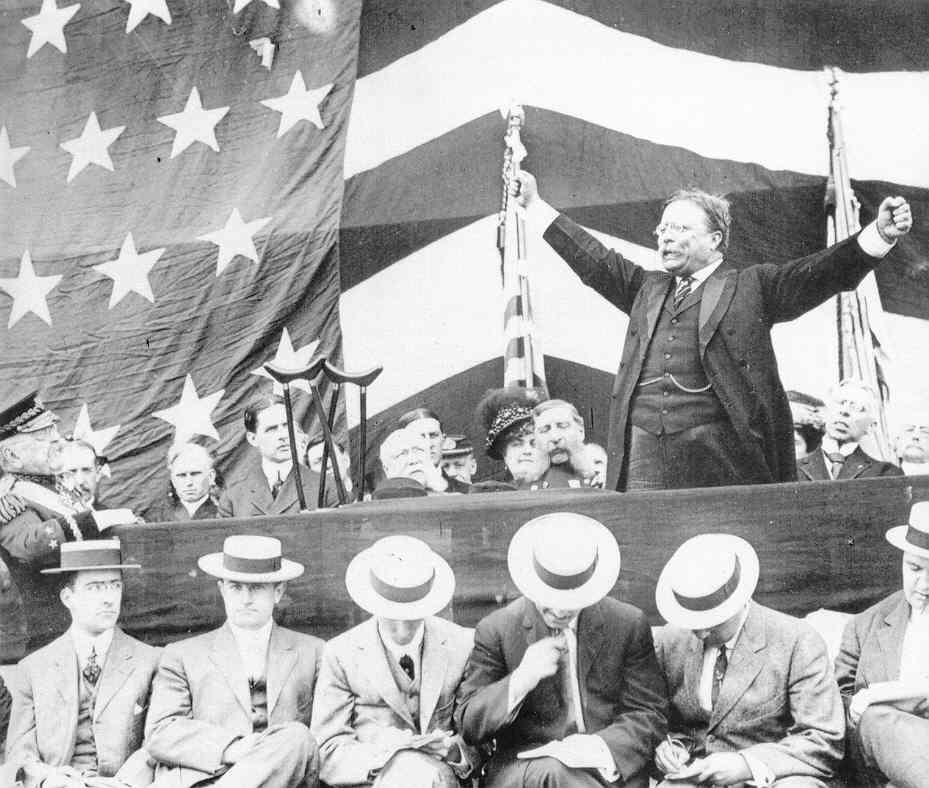
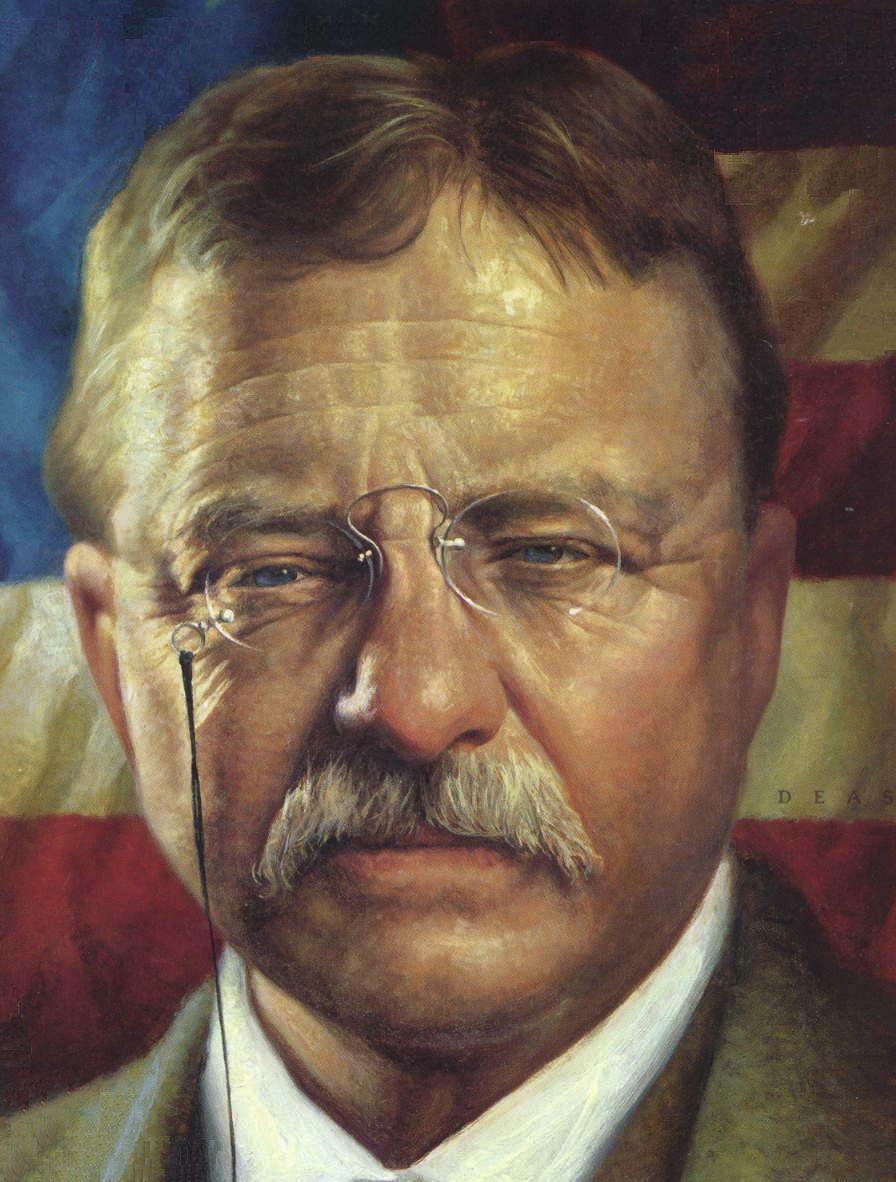
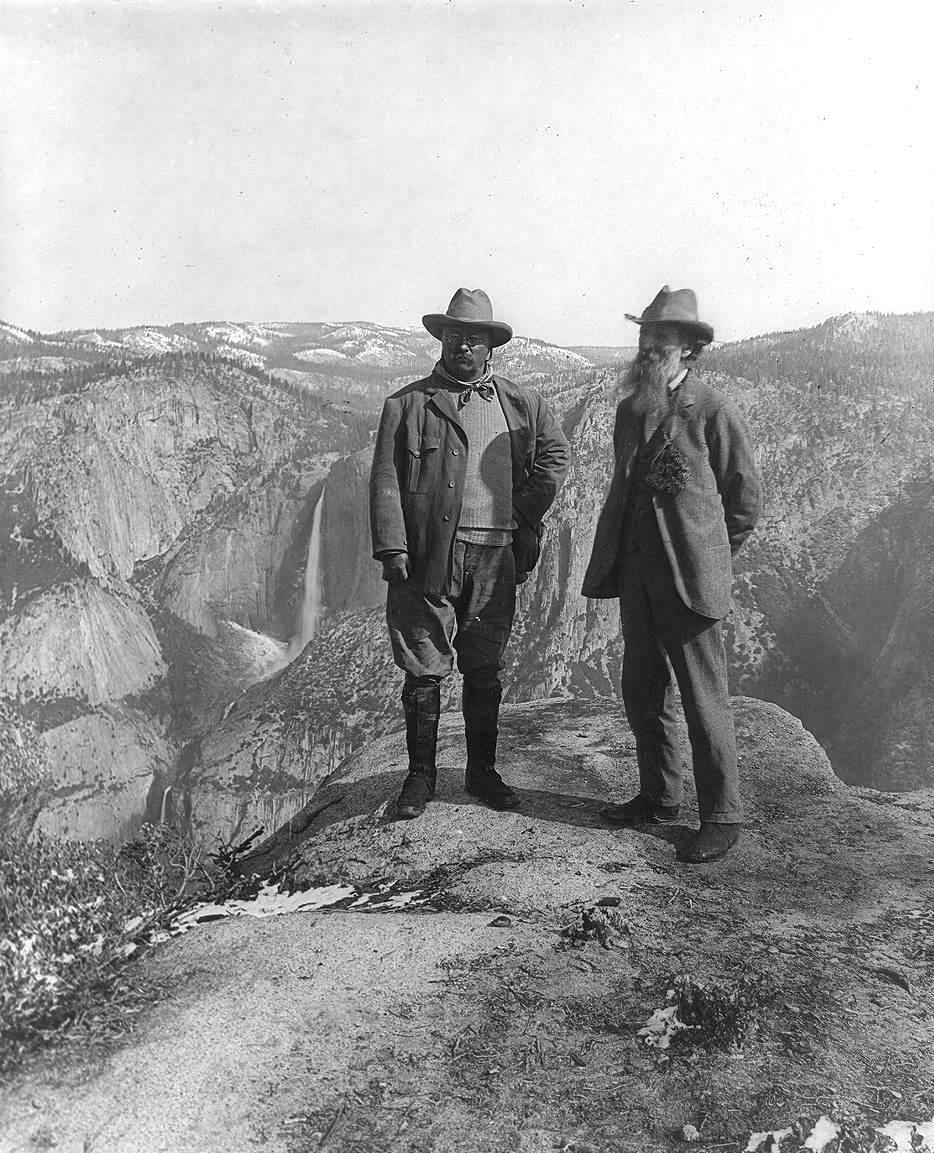
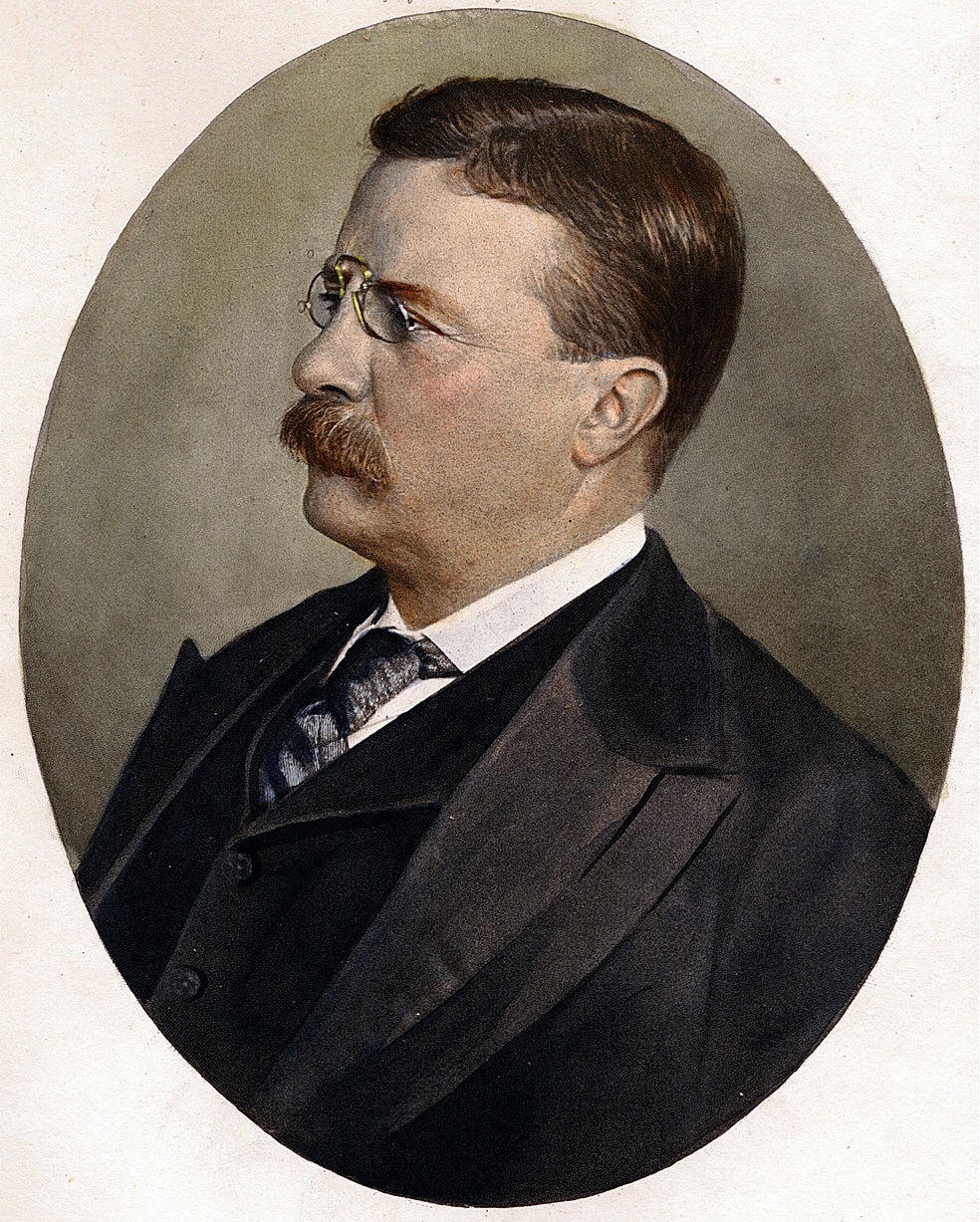
Another major figure in the Progressivist Movement was none other than President Teddy Roosevelt.  He too was an individual involved in almost every aspect of Progressivism, including its more militant varieties.  Personally, he was himself a militant when it came to a cause, any cause.  Like the robber barons – with whom he often battled (when not befriending them) – he was the picture of Darwinian fortitude, pressing, pressing, pressing forward whatever agenda he happened to be involved with.

Roosevelt was well familiar with struggle in life, fighting to overcome asthma – compensating by becoming a serious athlete (mountain climbing, boxing).   But not only was he athletic, he was quite the scholar, editor of the Harvard Advocate, and graduating Phi Beta Kappa and magna cum laude in 1880.  He also did research at that time on the War of 1812, which he eventually published (still considered even today as one of the best in print on that war).

He was also quite familiar with personal family loss.  His much beloved father had died in 1878 during his second year at Harvard, leaving him deeply stunned.  He married four years later in 1882 at age twenty-two, but his wife died two years later in delivering their first child, Alice.  Furthermore, his mother had just died in the same house, only eleven hours earlier.

But from all this he came to understand that the only intelligent response to such events in life, no matter how tragic, was never to quit.  It was of critical importance to get back on your feet and continue to press forward, more determined than ever not to be defeated.  Thus the same year as his wife and mother's deaths (1884) he was also elected to the New York State Assembly and joined the New York National Guard as a second lieutenant.

He rose quickly in public life, headed up the New York delegation to the 1884 Republican Party national convention where he delivered a keynote speech.  But, when Democrat Cleveland won the national elections that year, he retired and headed West to become the "Dakota Cowboy."  Two years later he would marry in London, Edith, who would provide him five more children.  And soon after that he was back in full swing in the world of national politics serving in Washington, D.C. for seven years on the Civil Service Commission, before, as a major reformer, becoming New York City Police Commissioner.  Then his next step up was to become Assistant Secretary of the Navy, actually advising President McKinley directly on naval events, not only because he was well informed on the matter but because his boss, the Secretary of the Navy, became quite sick.

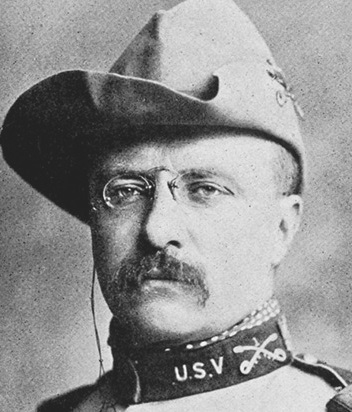
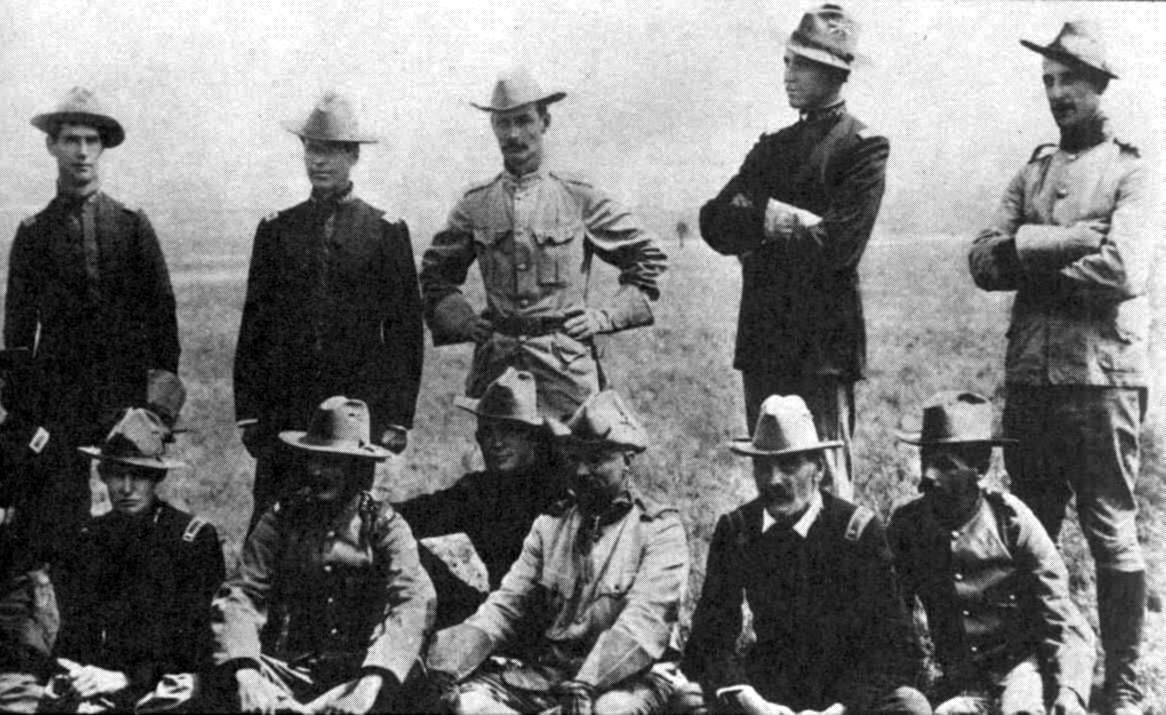
But this was not even enough service to satisfy Roosevelt, who resigned his position on the Cabinet and went West in 1898 to form up his own military unit, the Rough Riders (individuals ranging from Eastern socialites to the roughest Western hunters, cowboys and Indians!) to lead off to Cuba and then the famous charge up "San Juan Hill."

With that accomplishment completed, he ran for – and was elected – New York Governor (1899-1901).  As such, he strengthened his talents as a serious political reformer, just in time to be brought on as McKinley's running mate in the 1900 national elections.   With McKinley's election (his second) Roosevelt was raised from this totally boring job to become U.S. President himself upon McKinley's assassination only 6 months into his new term.

At this point the nation got to see the real reformer in Roosevelt, as he took on "trust-busting" policies to break up the huge concentrations of American wealth in the hands of a very few corporate leaders.  But he also signed into law the 1906 Pure Food and Drug Act, along with other legislation designed to oversee the healthiness of the products of both key American industries.   And he was very active in getting undeveloped land transformed into national parks, national forests and game preserves.

But Roosevelt committed one huge political fumble, one that would not only impact his own political career, but also the way American politics would develop in the near future.  In 1904, as national elections came around, he promised that this second presidential term he was running for would be his last.  He would soon enough regret this promise.

Roosevelt's second term was a bit bumpier.  The Supreme Court blocked as unconstitutional his effort to establish a national income tax (to make the rich give greater support to the nation's public affairs), and for that matter blocked similar efforts of his to bring American social dynamics under greater national supervision.[4]  But his biggest problem occurred when in 1907 a major copper company got greedy and went bankrupt in attempting a monopolistic move on the rest of the copper industry, sending shock waves through the world of American finance.  Stock values on Wall Street fell away, numerous state and local banks collapsed, and finally the huge Knickerbocker Trust Company declared bankruptcy.  America at this point was in full panic mode.  Thus it was that now Roosevelt (like Cleveland before him) turned to J.P. Morgan for help, allowing Morgan to buy out a number of strategic industries facing bankruptcy in order to put them back on their feet.  How ironic it was that during his last years in office the strongly anti-monopolist Roosevelt had to turn to one of his targeted monopolies for help!

[4]Indeed, there really was not (not yet anyway) any constitutional warrant for such political activity, as the Framers of the Constitution had been careful to set up a national government of very limited internal or domestic responsibilities, political, economic, or social.  Those matters were "reserved" (Constitutional Amendments 9 and 10) to the doings of the states or the American people themselves.


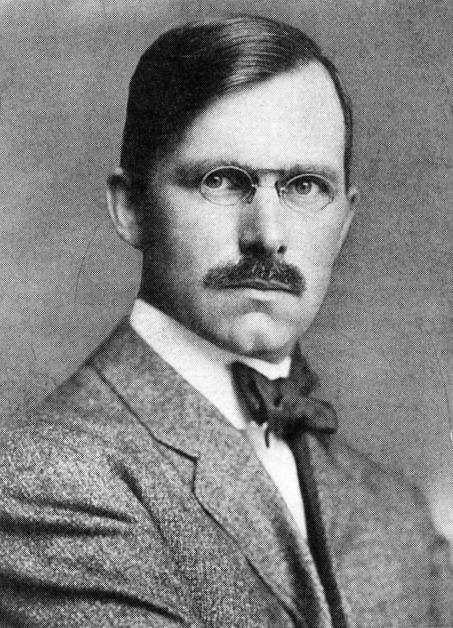
WILLIAM HOWARD TAFT

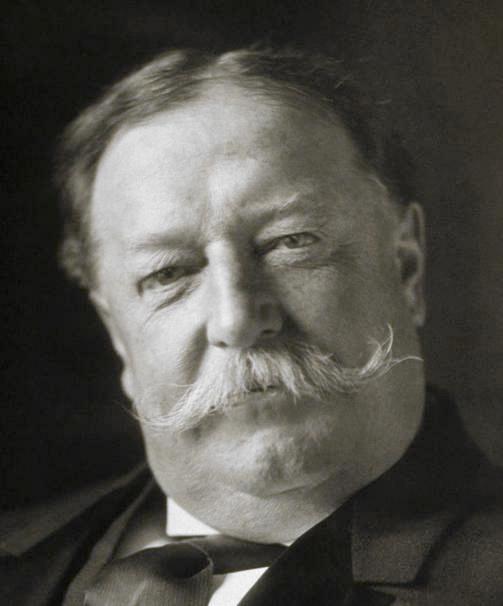
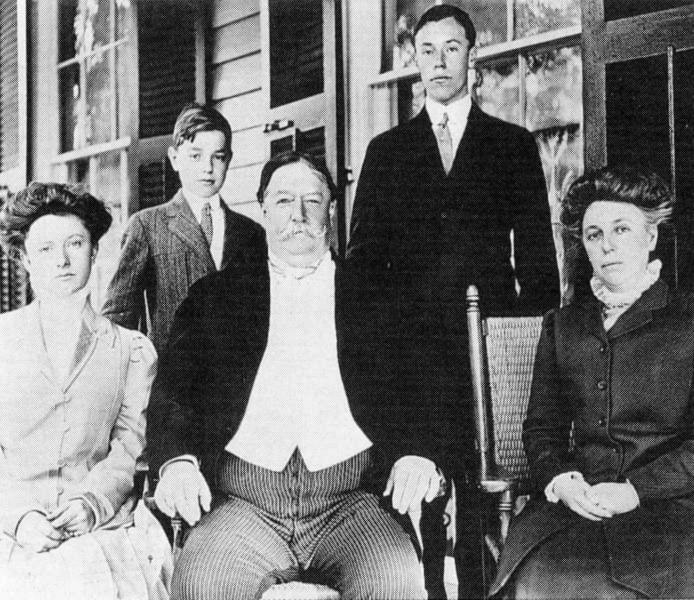
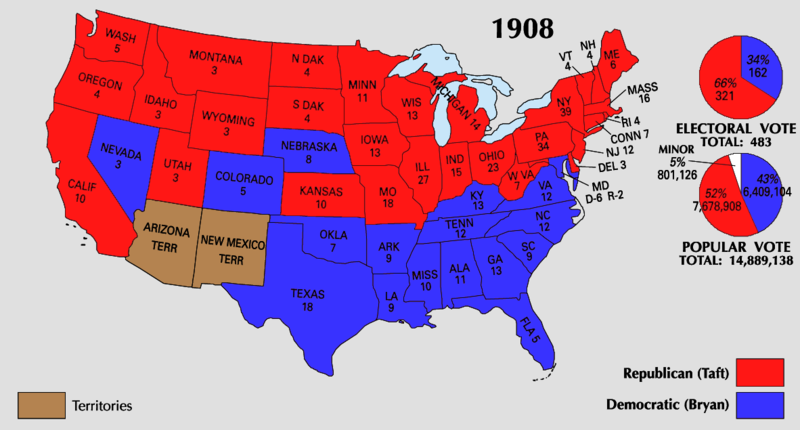
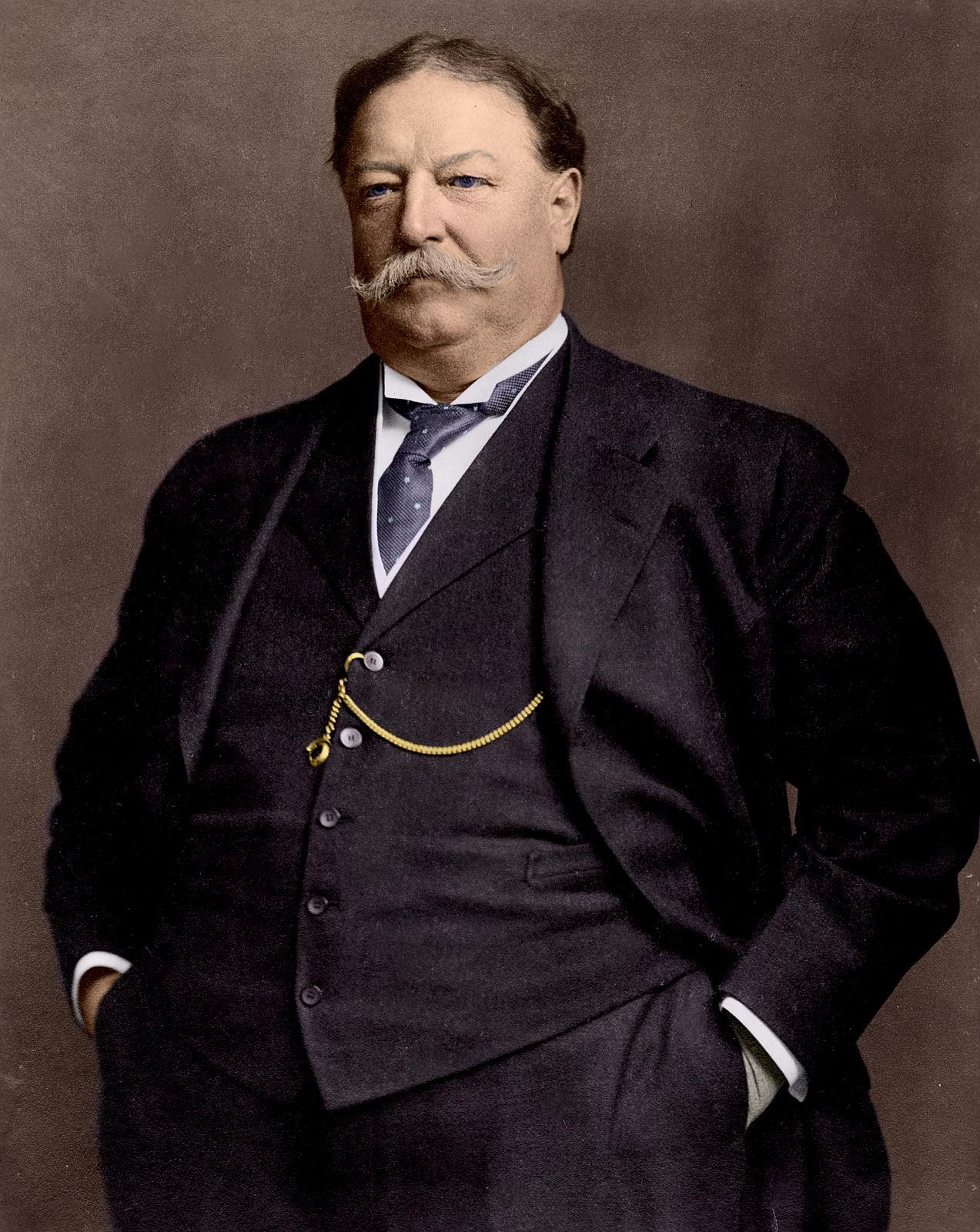
We bring up another Progressivist for close study at this point because he took up exactly at the point when Roosevelt had to make good on his promise and step down from the presidency at the end of his second term.  William Howard Taft was Roosevelt's friend, and a logical successor to Roosevelt in the White House in 1908.  Once again, the Democrats put Bryan in the running as their presidential candidate, and for the third time he went down to defeat, this time by the Republican candidate Taft.

Whereas Roosevelt was the hyperactive individual, Taft was the more quietly determined reformer, like Roosevelt born of a high-status family (Ohio politics) but a Yale rather than Harvard product.  And Taft's interests were more in the field of law, Taft early on hoping to become a federal Justice some day.  He was appointed at age 34 (1892) to the position of  Sixth Circuit Court judge.

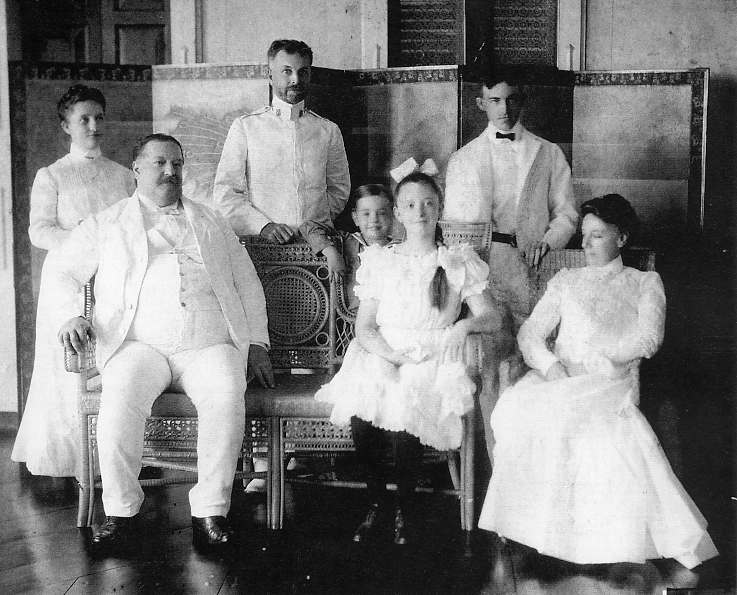
But he was called from the field of law to the world of politics when in 1900 President McKinley asked him to head up a commission to organize a new government for the Philippines (an American war trophy won in the war with Spain).  He accepted, serving the Philippines as something like its own governor, with the understanding that in return, McKinley would make him his next appointment to the Supreme Court. But McKinley's assassination ended that promise.

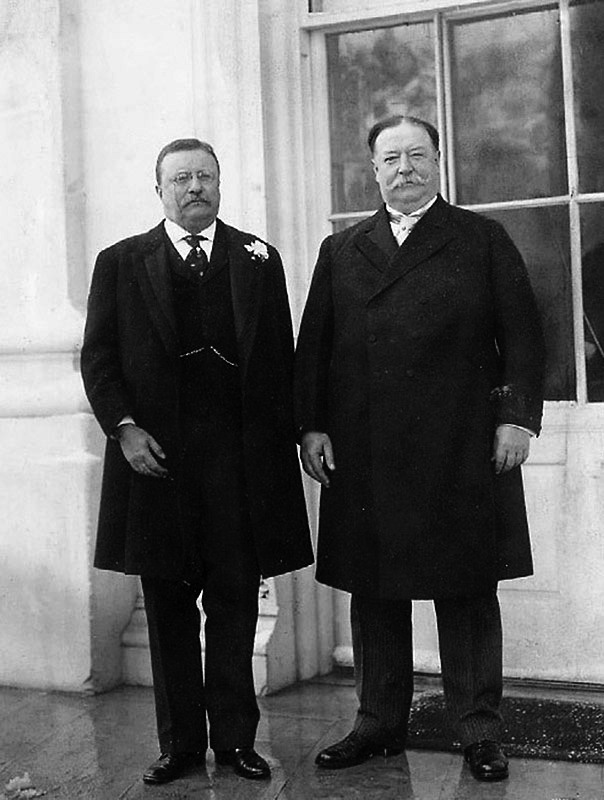
But his close relationship with Roosevelt would take him down the path he would head, all the way up to the U.S. Presidency in 1909.  The two served together in Washington on the Civil Service Commission, and in turn Roosevelt in becoming President commissioned Taft to negotiate with the Vatican the transfer of massive landholdings the Church held in the Philippines, into the hands of the Filipino commoners.  Then, oddly enough, Taft turned down an offer to be appointed by Roosevelt to the Supreme Court, but did accept the request to join Roosevelt's cabinet as his Secretary of War  (like Taft's father under President Grant), because that position also continued Taft as Philippine administrator (the Philippines were under U.S. "protection" at that point).

Actually at that point Taft had become some kind of personal assistant to Roosevelt, sent on all sorts of missions.  So that when Roosevelt ran for election in 1904, he quite naturally asked Taft to be his vice-presidential running mate.  Taft accepted, and for the next four years the two would work together very closely.

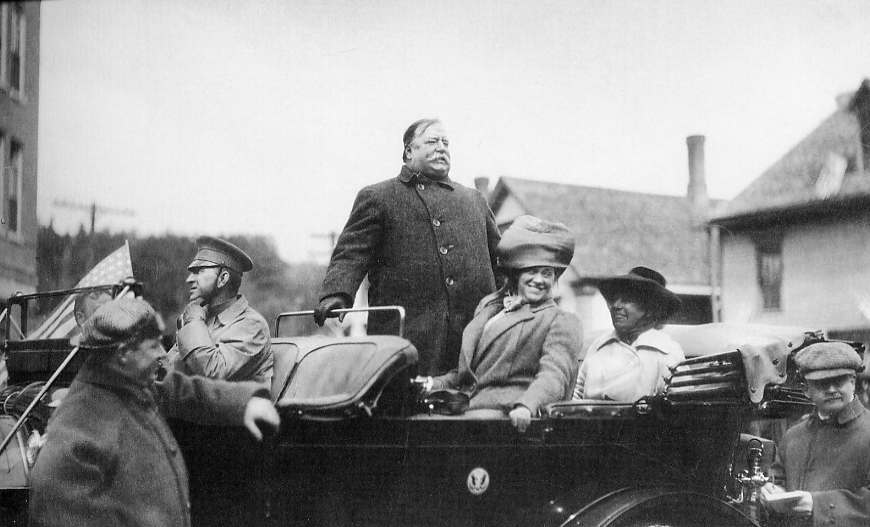
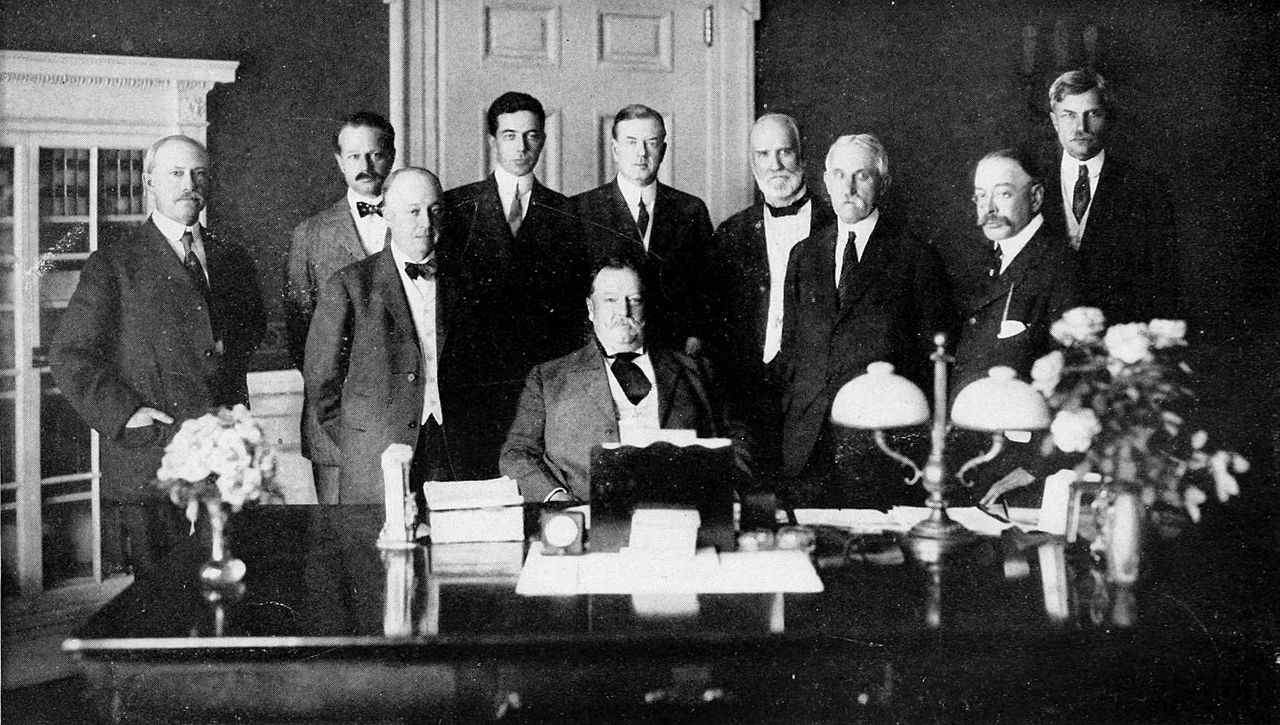
Then when Roosevelt finished his second term, he kept his promise and stepped out of Washington politics, setting Taft up to take his place.  And thus Taft became U.S. President, and an even bigger reformist "trust-buster than Roosevelt.[5]

But Roosevelt was ever so sorry that he had stepped aside, and as the 1912 elections approached, he tried to get Taft not to run again so that he could run as the Republican candidate.  But Taft, now a self-made politician, was not interested in Roosevelt's program, and the two friends parted company, bitterly.  Roosevelt was no quitter, and when he narrowly lost the Republican Party's presidential candidacy to Taft, he and his followers withdrew and set up their own Progressive Party, or "Bull Moose" Party, since the new organization was built entirely on the Roosevelt phenomenon.

But splitting the Republican vote meant only one thing:  this would open the door to the White House of the Democratic Party candidate, in this case Woodrow Wilson, who otherwise would have had no chance of getting elected.

And the Roosevelt-Taft split would never be repaired.  Eventually when the Republicans were returned to power after World War One, President Harding would appoint Taft as chief justice to the Supreme Court, a position Taft would hold until his death in 1930.

Meanwhile Roosevelt would try to get back into the mainstream of national politics, but with no real success at this point. He died just as World War One ended, deeply mourned by the American people.


[5]In his four years in office, Taft undertook seventy trust-busting cases under the 1890 Sherman Antitrust Act, as compared to Roosevelt's forty such cases during his eight years in office.


THEIR CHRISTIAN FAITH

What can we conclude about these key individuals, as to their place in the world of the Christian faith?  Roosevelt was of course a very "practical" man, not given much to the idea of miracles and spiritual insights.  But his practicality was well understood by himself and others to be strongly Christian in character.  He was deeply shaped by Biblical instruction which he received in ample supply (his father in fact taught Sunday School), understanding how "Christian character" stood at the very foundations of American culture.  Indeed, Roosevelt himself stated in a speech in 1901:[6]

Every thinking man, when he thinks, realizes what a very large number of people tend to forget, that the teachings of the Bible are so interwoven and entwined with our whole civic and social life that it would be literally – I do not mean figuratively, I mean literally – impossible for us to figure to ourselves what that life would be if these teachings were removed. We would lose almost all the standards by which we now judge both public and private morals; all the standards toward which we, with more or less of resolution, strive to raise ourselves. Almost every man who has by his lifework added to the sum of human achievement of which the race is proud, has based his lifework largely upon the teachings of the Bible ... Among the greatest men a disproportionately large number have been diligent and close students of the Bible at first hand.

Bryan was most evidently a man of very strong Christian interest, much like Roosevelt's understanding that America was built very strongly on the moral foundations of Christianity.  We find this same viewpoint in Bryan's closing argument in the famous 1925 Scopes Monkey Trial, in which he contests the claim of Secularists that human science alone was about to bring life on this planet to perfection, Bryan seeing in such Secularism a lack of moral restraint – such as has thus been making warfare even more brutal, to the point that civilization seems able to commit suicide:

Science is a magnificent force, but it is not a teacher of morals. It can perfect machinery, but it adds no moral restraints to protect society from the misuse of the machine. It can also build gigantic intellectual ships, but it constructs no moral rudders for the control of storm-tossed human vessel. It not only fails to supply the spiritual element needed but some of its unproven hypotheses rob the ship of its compass and thus endanger its cargo. In war, science has proven itself an evil genius; it has made war more terrible than it ever was before. Man used to be content to slaughter his fellowmen on a single plane, the earth's surface. Science has taught him to go down into the water and shoot up from below and to go up into the clouds and shoot down from above, thus making the battlefield three times as bloody as it was before; but science does not teach brotherly love. Science has made war so hellish that civilization was about to commit suicide; and now we are told that newly discovered instruments of destruction will make the cruelties of the late war seem trivial in comparison with the cruelties of wars that may come in the future.

He sees only the moral teachings of Jesus as able to solve the problems that face the world.

If civilization is to be saved from the wreckage threatened by intelligence not consecrated by love, it must be saved by the moral code of the meek and lowly Nazarene. His teachings, and His teachings alone, can solve the problems that vex the heart and perplex the world.

Although in his long statement he ascribes the power of miracles to God, what he is doing here is essentially defending a Christianity of high moral standards, typical of where Christianity stood in so many American minds and hearts those days.

Addams was actually seminary trained, at her father's insistence attending the Rockford Female Seminary.  But her dream was in personally helping the poor and rejected (her back problems and her lack of feminine good looks caused her to see herself in that same category), as at least a doctor able to tend to the physical problems of others.  We can certainly see strong Christian character in these interests ... although she was much more global in her appreciation of people's ability to love and serve others – for her personally almost a matter of natural instinct rather than any particular religious discipline.  In short, she never saw herself as standing apart from the realm of Christianity.  But by today's standards she would be classed simply as a Humanist.

And for Taft, it is hard to find evidence as to where he stood concerning Christianity.  But we know that he was raised in a home in which his father, a member of the Ohio Supreme Court, dissented strongly in the court's 1870 decision upholding the reading of the Bible in public schools.  Alfonso Taft took the side of Catholics and Jews in the view that this was simply a way of imposing the Protestant faith on America's youth, and in violation of the most basic of all human rights.  He also questioned the accuracy of Biblical translations or the ability of people to understand on their own the meaning of scripture. This does not sound like Taft, Sr., would therefore have been very encouraging of a Biblical upbringing of son William. Again, we would more safely place Taft in the Humanist category.


[6]Christian F. Reisner, Roosevelt's Religion.  Cincinnati: The Abingdon Press, 1922, p. 306.


Go on to the next section:  America Cultivates New Social Formulas


  Miles H. Hodges