Tragically, it seemed impossible for Americans (including the
President – and even his generals) to understand the nature of the political
crisis in Vietnam. The Communist enemy wore no uniforms – and in
fact was indistinguishable from the people America was trying to save for "democracy." Most of the people America was trying to save
were Buddhist, loving neither Communism
nor the Western culture that Americans were trying to uphold in Vietnam. Mostly they wanted to be left alone by
everyone so that they could peacefully tend their rice fields.
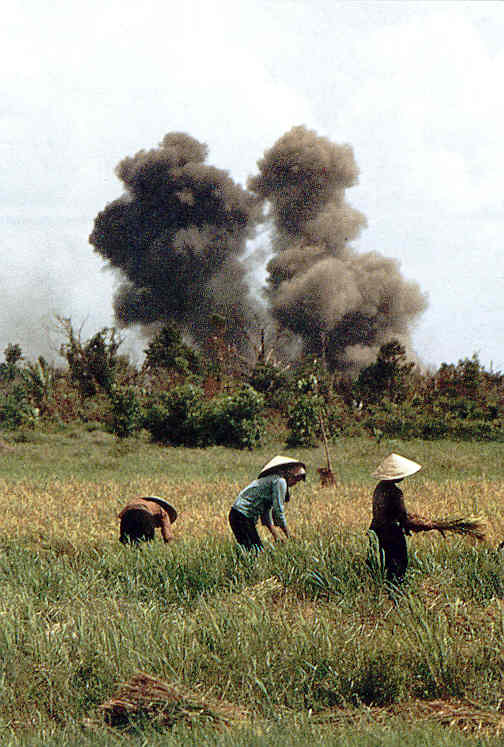
Peasants working in the Mekong
River Delta rice fields
while bombs go off nearby
There
were of course pro-American Vietnamese, located especially in Saigon and some
of the other urban areas of the South.
And the montagnards, the mountain people who centuries ago had
originally inhabited the area but had been driven by invading Vietnamese into
the mountains for survival, were big supporters of the American presence.
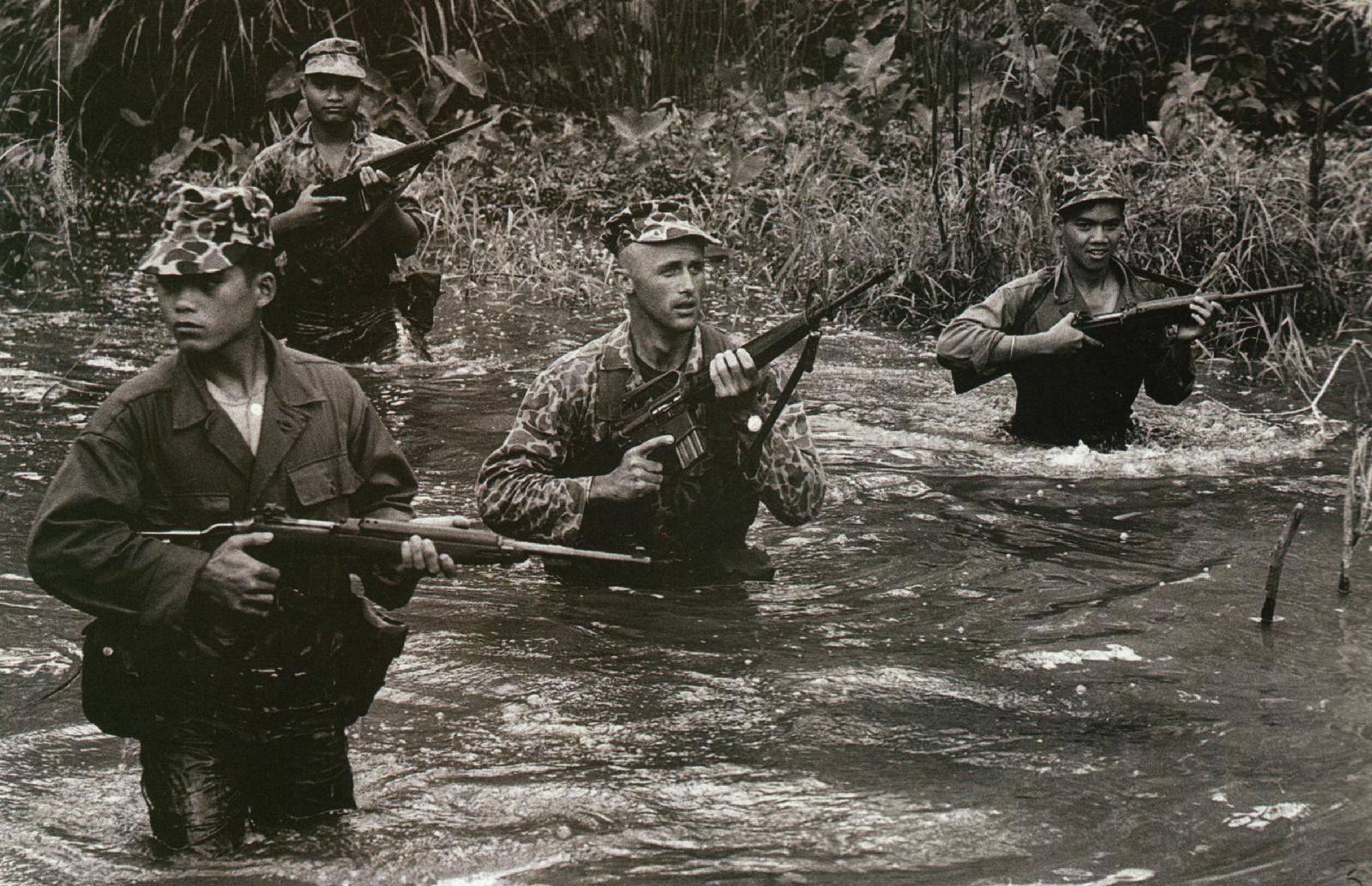
US officer training Montagnard
troops in Vietnam – 1964
But mostly, the Vietnamese were simply proud
nationalists who wanted non-Vietnamese (that would be the Americans), out of
their country – along with the Communist guerrilla fighters – armed with guns
and supplies coming from the North – who were helping to make life in the South
miserable. Saving Vietnam for democracy had little
meaning to them.
Thus
the goals of America's involvement in Vietnam remained unclear. And the means by reaching these unclear goals
were thus equally unclear – especially when it appeared that there were no
front lines the soldiers could expand – as the enemy soon reappeared behind
American lines once the Americans swept through an area. It was a frustrating
war.
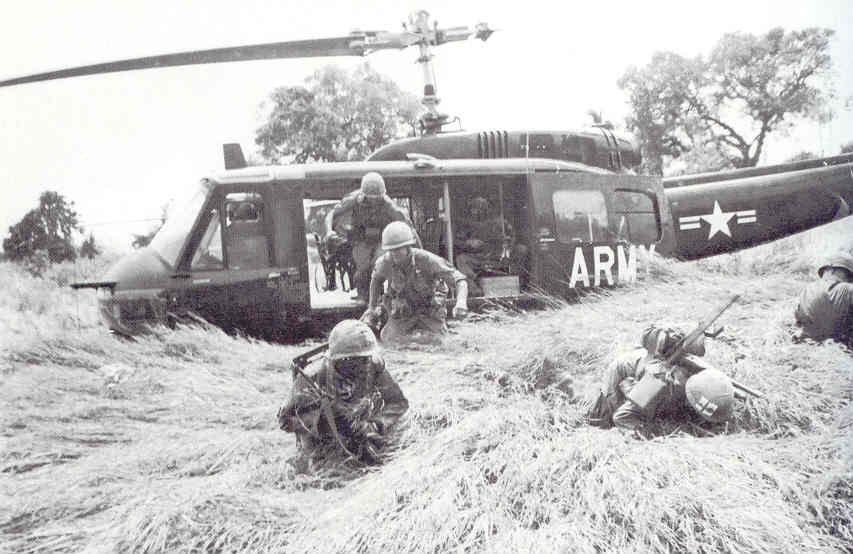
US helicopter and troops
in Vietnam – 1965
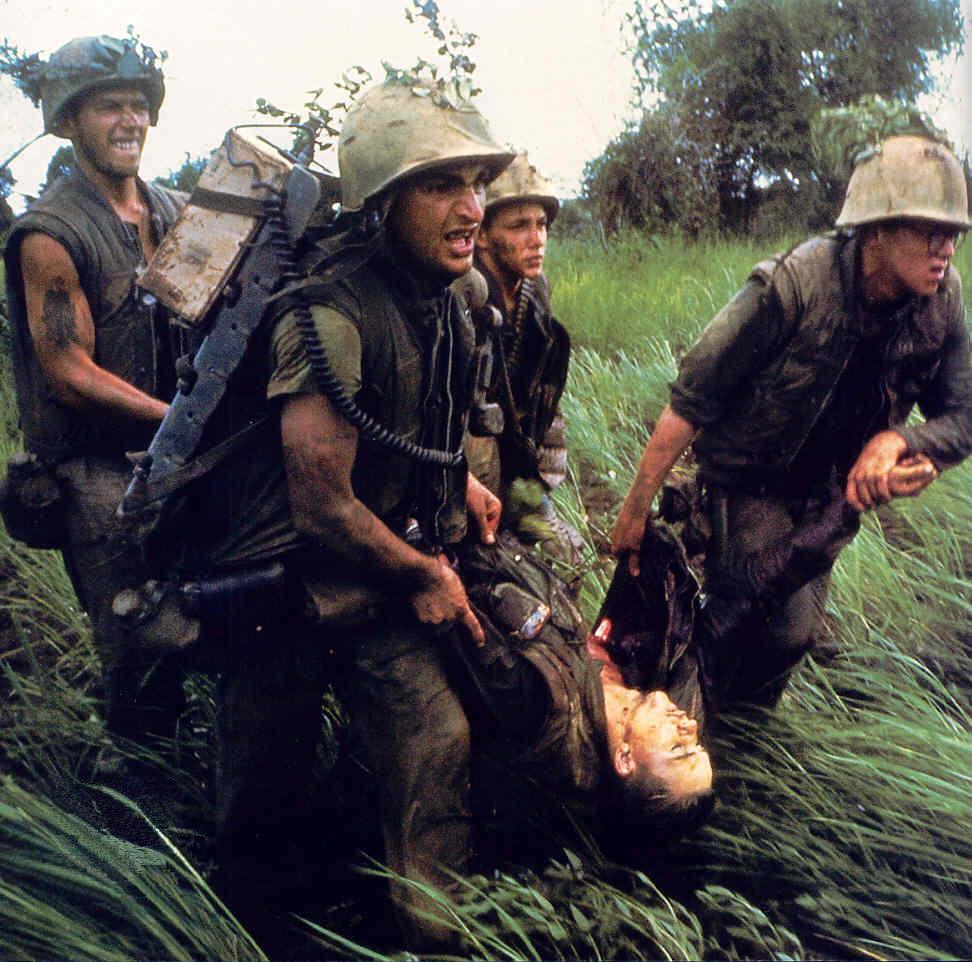
America beginning to realize
that the Vietnam War
was not going to be easily winnable –
1966
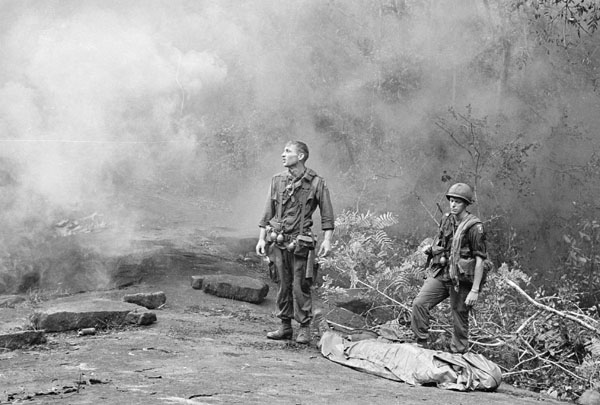
"SP4 Ruediger Richter (Columbus,
Georgia), 4th Bn., 503 Inf.,
173 Abn Bde (Separate),
lifts his battle weary eye to the
heavens, as if to ask why? SGT. Daniel E. Spencer
(Bend,
Oregon) stares down
at their fallen comrade. The day's battle
ended, they silently await the helicopter
which will evacuate
their comrade from the jungle
covered hills in Long
Khanh
Province."
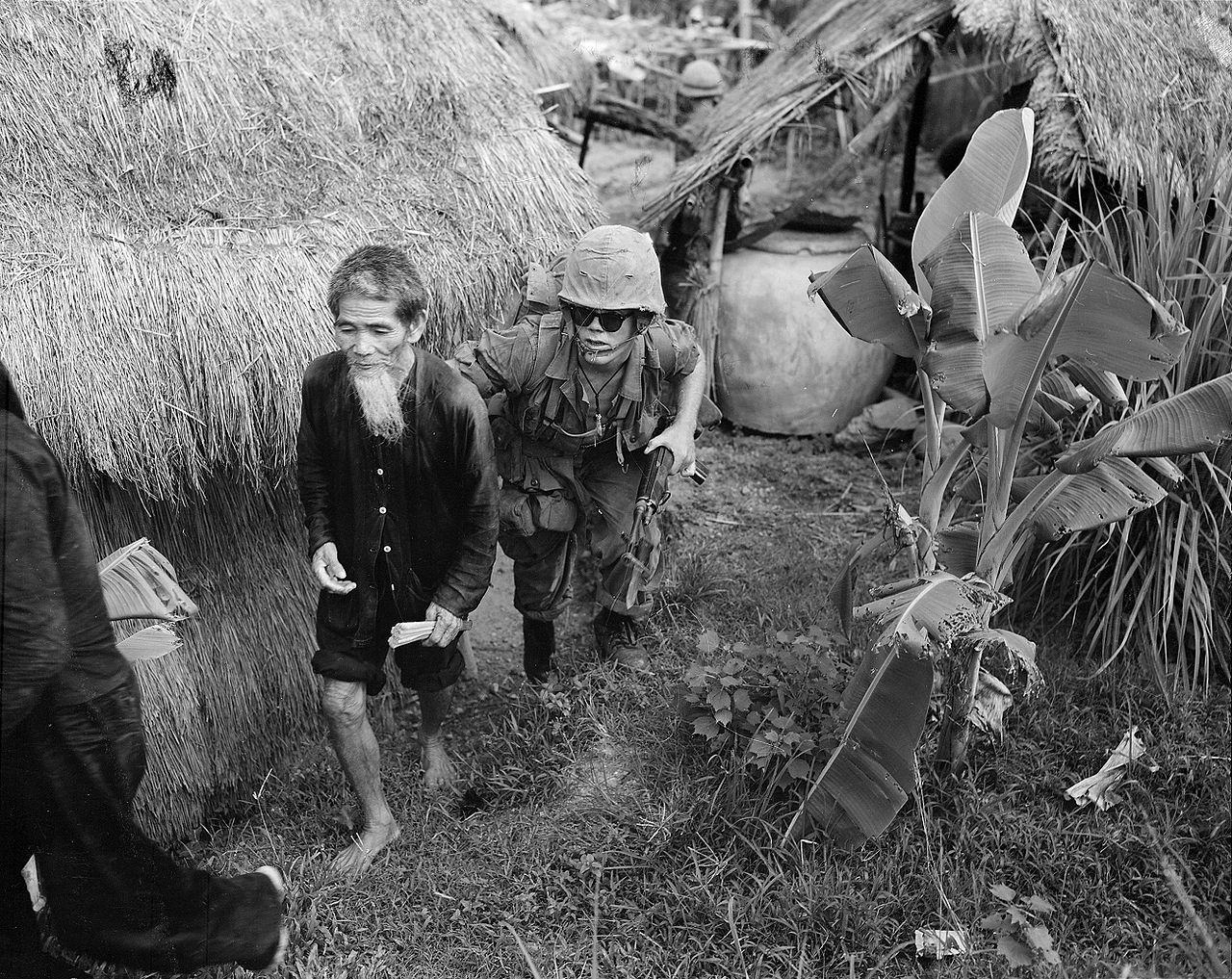
A US Marine moving a Viet Cong suspect to the rear in an
action near the Da Nang Air Base – August 1965
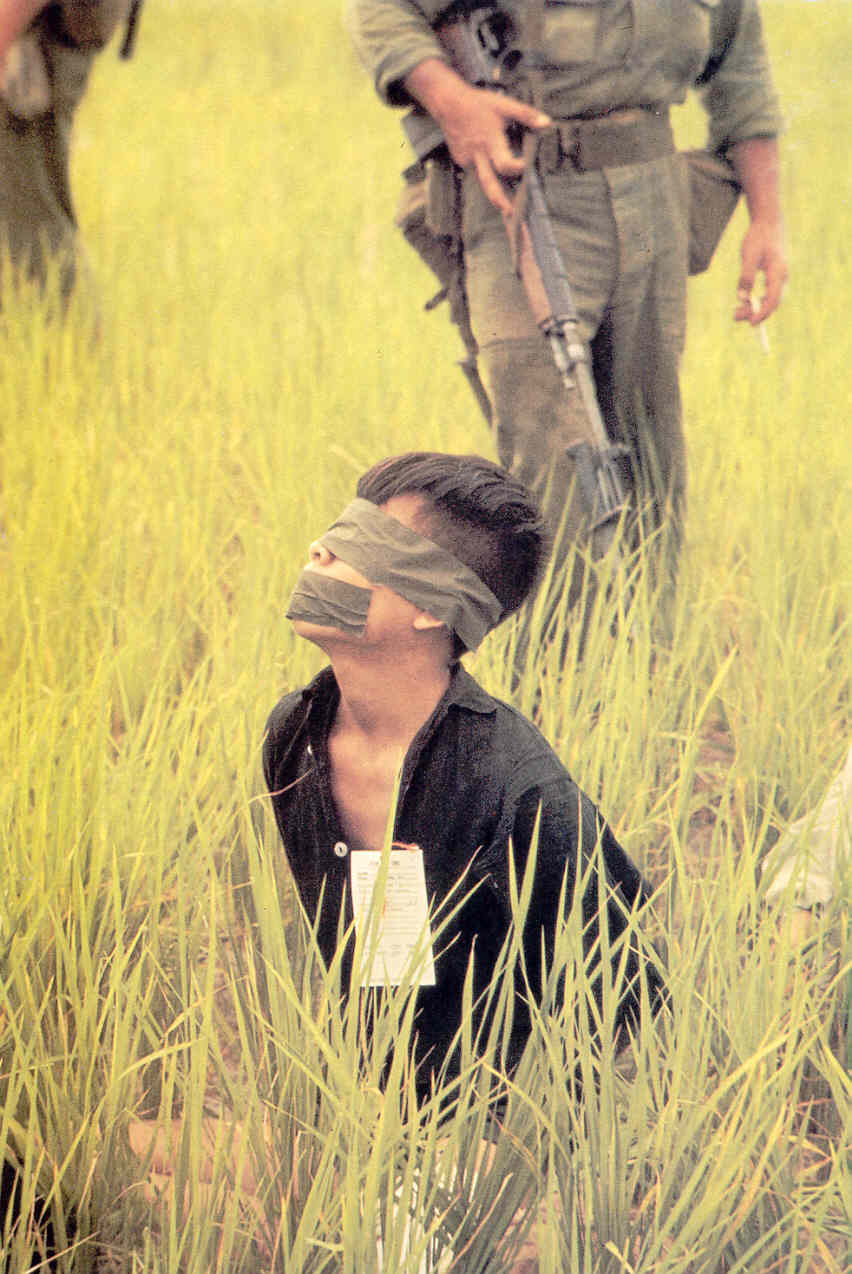
A VC guerrilla captured during
"Operation Piranha"
November 1965So,
contrary to Johnson's original expectations,
America's strong presence in their country did not bring forth exuberant
Vietnamese praising and thanking the Americans for their liberation from
Communism. Nor was it something that could be quickly resolved (as Johnson had originally
expected). Instead American soldiers
found themselves encamped behind barbed wire enclosures, venturing out into the
countryside in search of an enemy they could not distinguish from the general
population, and getting shot at from behind as well as in front. There were no visible lines of military
progression that could be seen on a map – but merely an uneasy occupation of
sections of territory here and there which changed hands constantly.
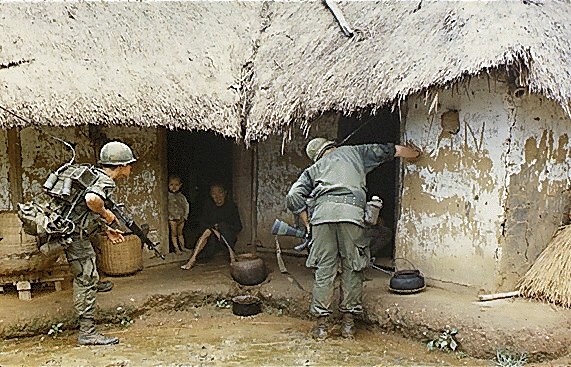
Checking a Vietnamese house in an
anti-VC sweep
in October of 1966
Americans
were getting killed without any visible signs of progress, except that
Americans seemed to be killing more of them than they were killing of the
occupying soldiers – though also there were a whole lot more of them than
Americans to be killed. "Them"
was not a clear concept – and Americans soon found themselves killing anything
that looked suspicious – even whole villages by aerial strafing and
bombing. It was an ugly sight – covered
in gory detail by a watchful American press.
But watching all this very closely were the young
Boomers – now old enough to be drafted into military service.
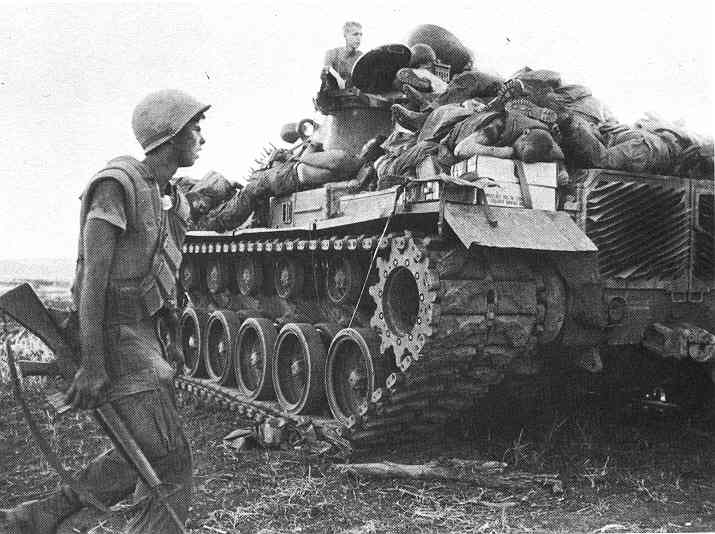
Dead Marines are stacked
on a tank near Con Thien
after hand-to-hand combat
with North Vietnamese regulars
July 1967
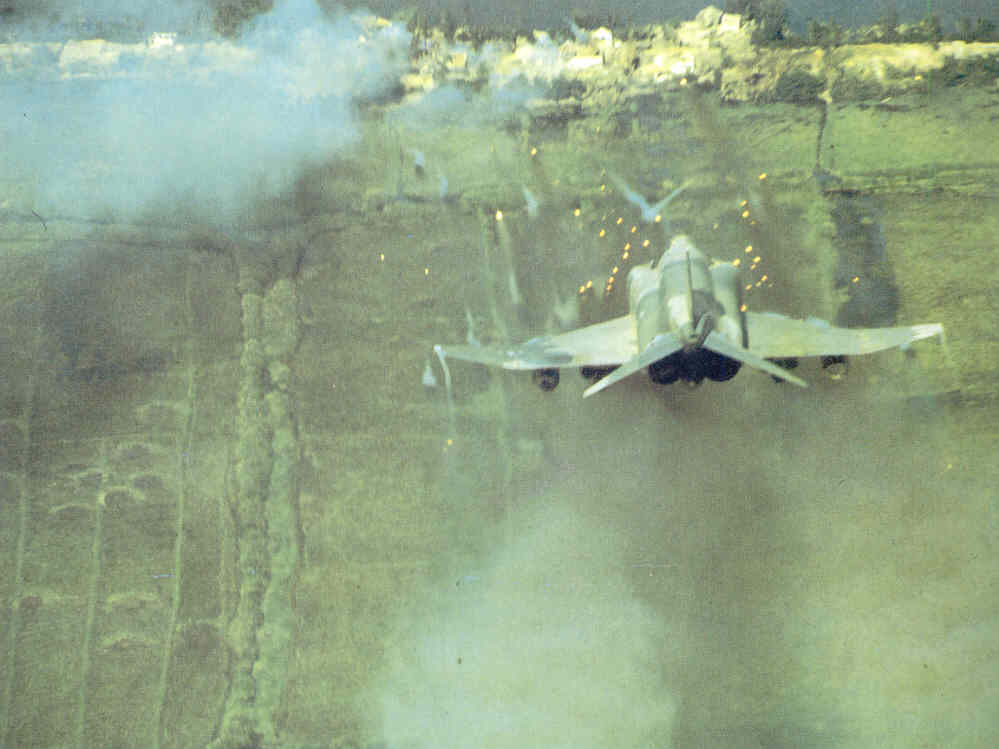
An F-4C Phantom air strike
on a Vietcong-controlled village
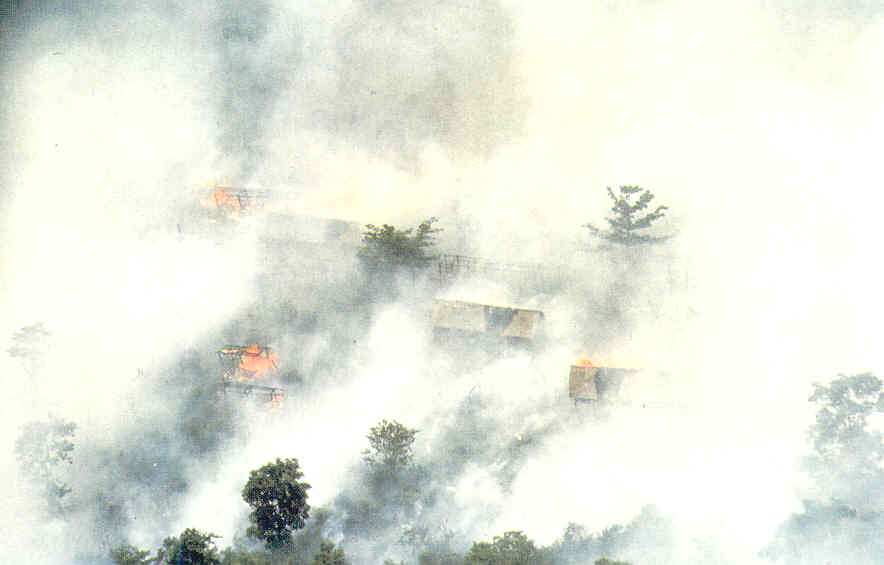
A village after an air
strike
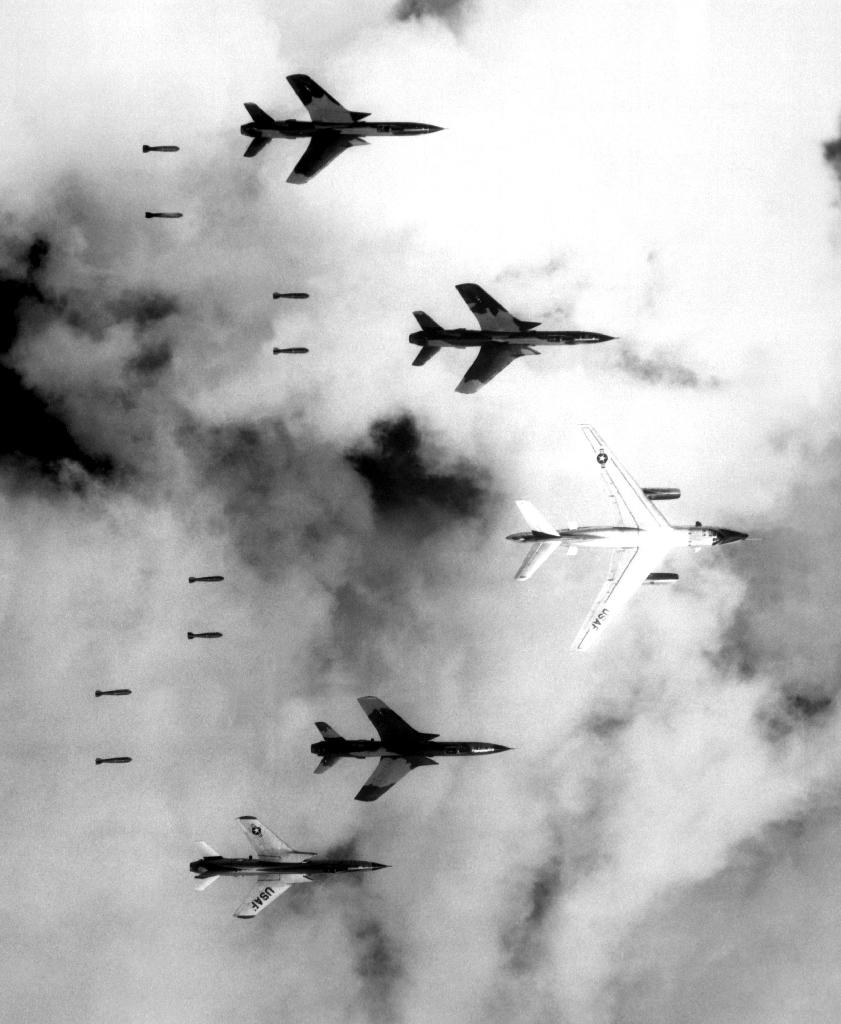
Operation Rolling Thunder
... an attempt to bomb North
Vietnam into submission ... begun in March
of 1965 and
continued until just before the American presidential
elections in November of
1968
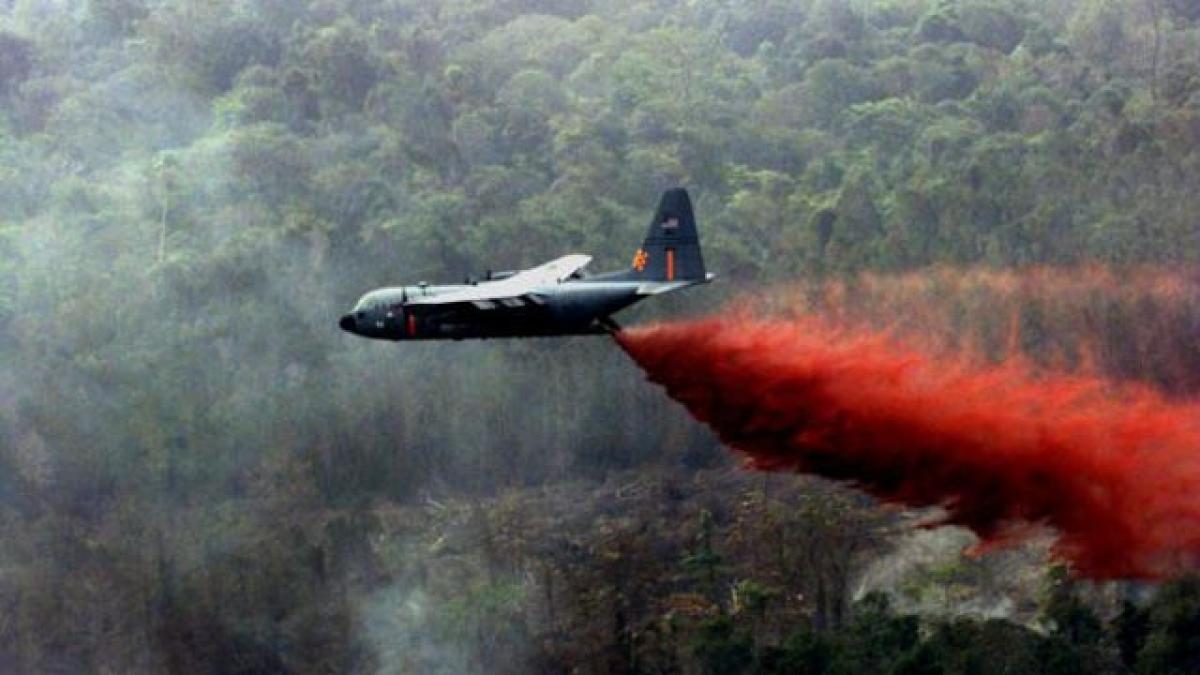
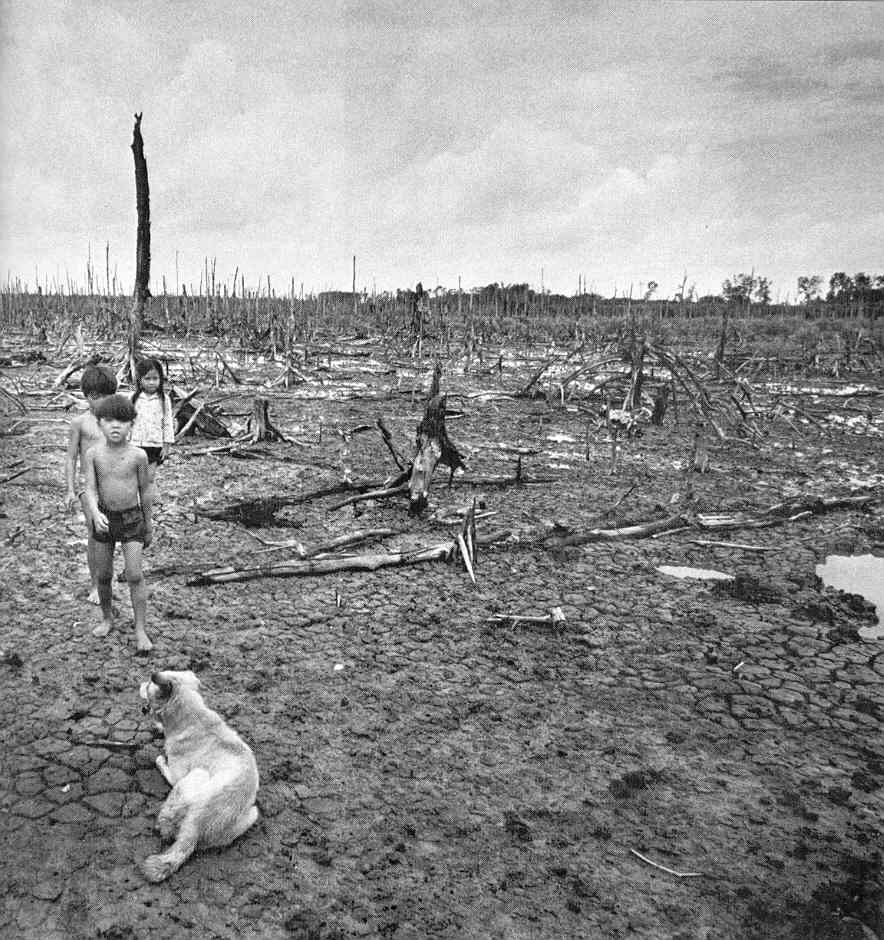
Aircraft spraying Agent Orange to defoliate the forests that
shelter the Viet Cong – used heavily in the period 1966 to
1969 (pure evil!)
The Effects of the defoliant
Agent Orange
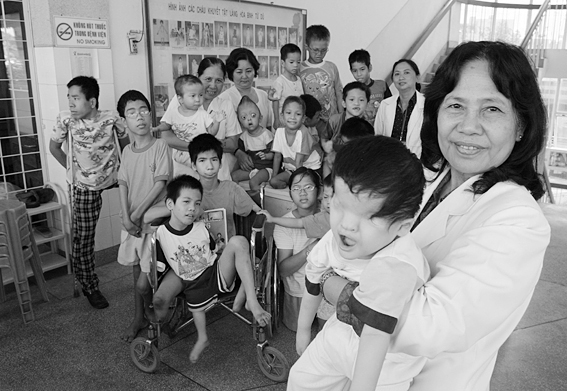
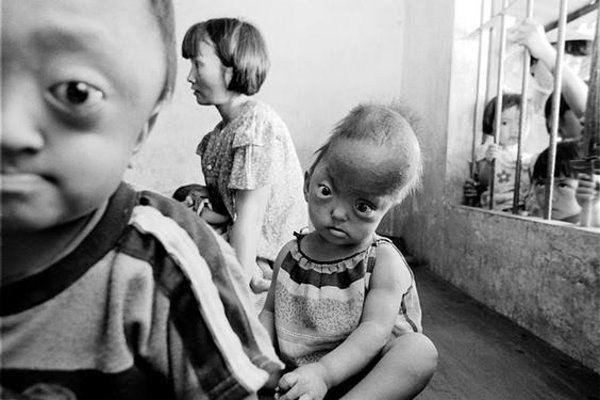
Also ... the effects on the next generation raised on food
grown in the ground attacked with Agent Orange
Meanwhile,
Johnson is hoping that some diplomatic
breakthroughs might improve the
American position in
Southeast Asia. Maybe the Russians (close
allies of North
Vietnam) can offer some assistance
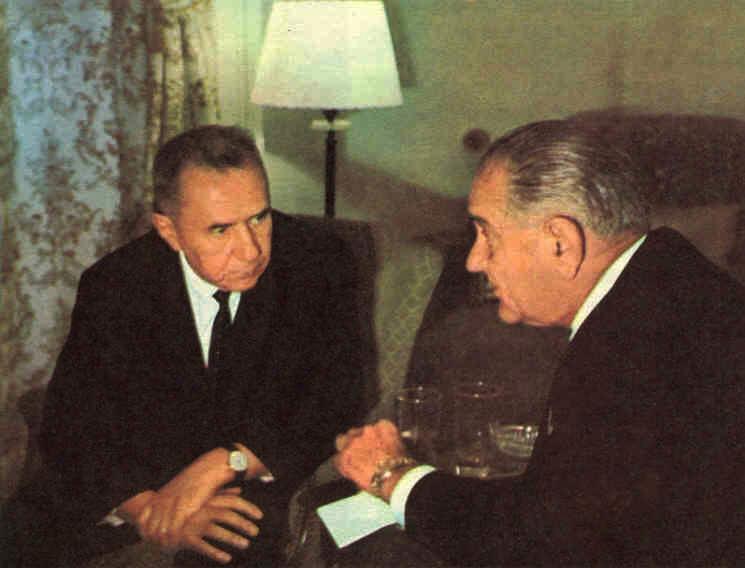
Soviet Premier Aleksei Kosygin
confers with Johnson
in Glassboro, New Jersey – June 1967
Johnson is also looking for some new military and political
strategies to improve the American situation
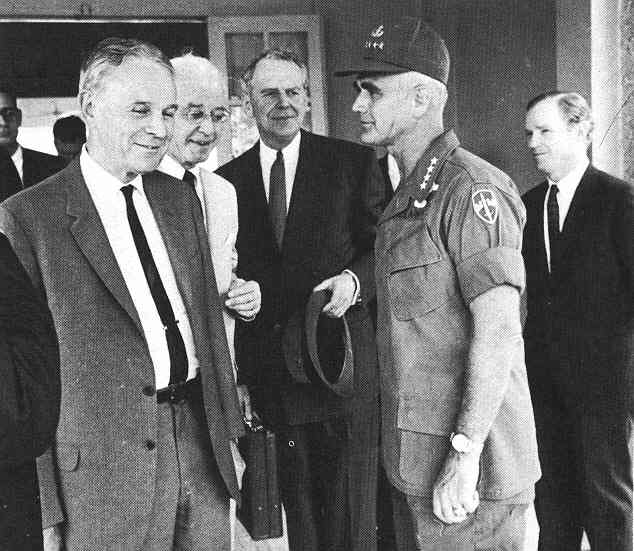
Official inspection tour
of "progress" in the Vietnam war by
US envoys – June 1967.
Seen here conferring are
Ambassador
Ellsworth Bunker (left), Gen. Maxwell Taylor,
Clark Clifford,
and Gen.
William Westmoreland
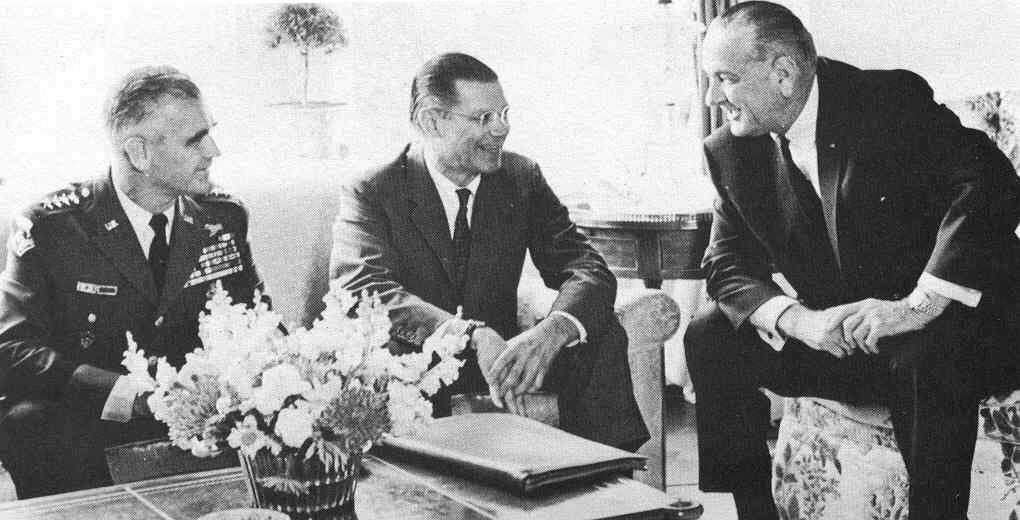
Johnson confers with Gen.
William Westmoreland and
Defense Secretary Robert McNamara – July
1967
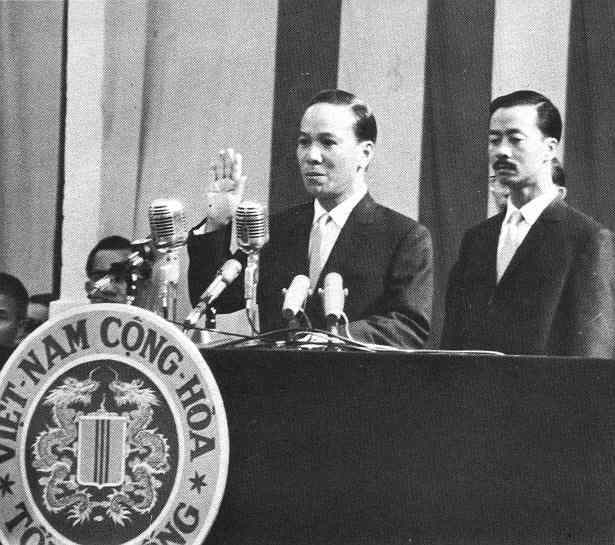 Nguyen Van Thieu sworn in
as S. Vietnamese President;
Nguyen Van Thieu sworn in
as S. Vietnamese President;
Vice-President Nguyen Cao Ky behind him – October
1967
Go on to the next section:
 Miles
H. Hodges
Miles
H. Hodges

 Mass confusion in Vietnam