<


10. AMERICA SHIFTS TO THE HUMANIST LEFT

1968: THE ANNUS HORRIBILIS (THE "HORRIBLE YEAR")


CONTENTS

Tet (January-February)

Johnson's announcement (March)

King's assassination (April)

The hippie takeover of Columbia University (April-May)

The Poor People's March on Washington (May-June)

The second Kennedy assassination (June)

Rioting at the Democratic National Convention (August)


The textual material on this webpage is drawn directly from my work
        America's Story – A Spiritual Journey © 2021, pages 328-331.

TET (JANUARY-FEBRUARY)

1968 was a very pivotal year for the Johnson Administration, because Johnson's >Great Society and his Vietnam "police action" were put to the test, and found wanting.

At the beginning of 1968, the "
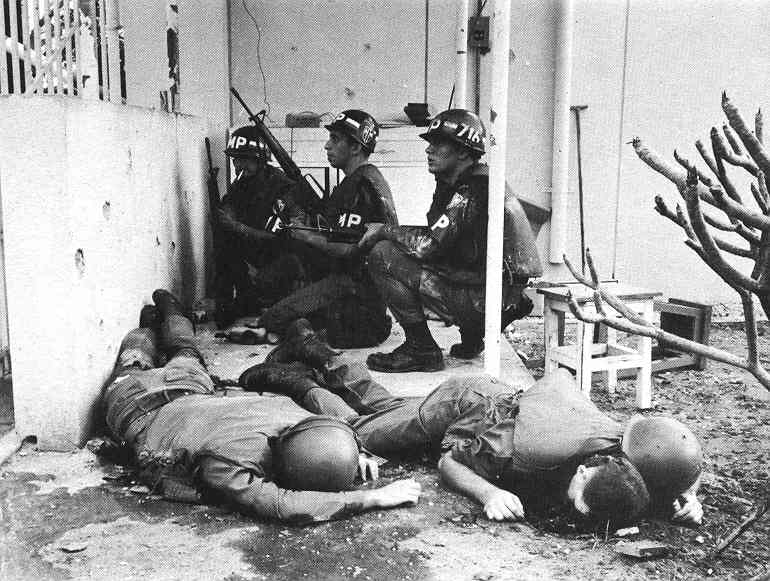
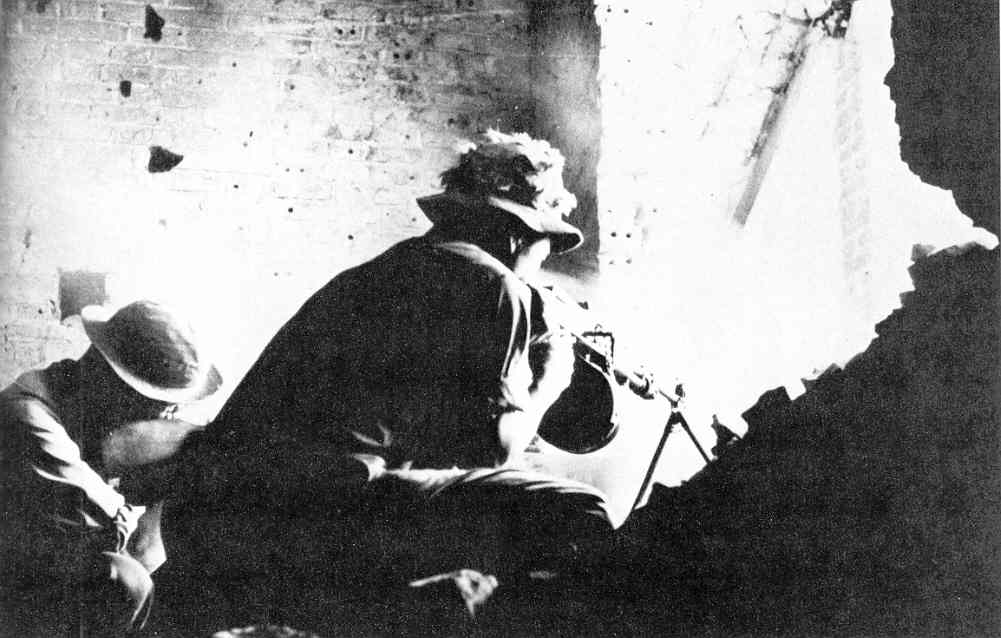
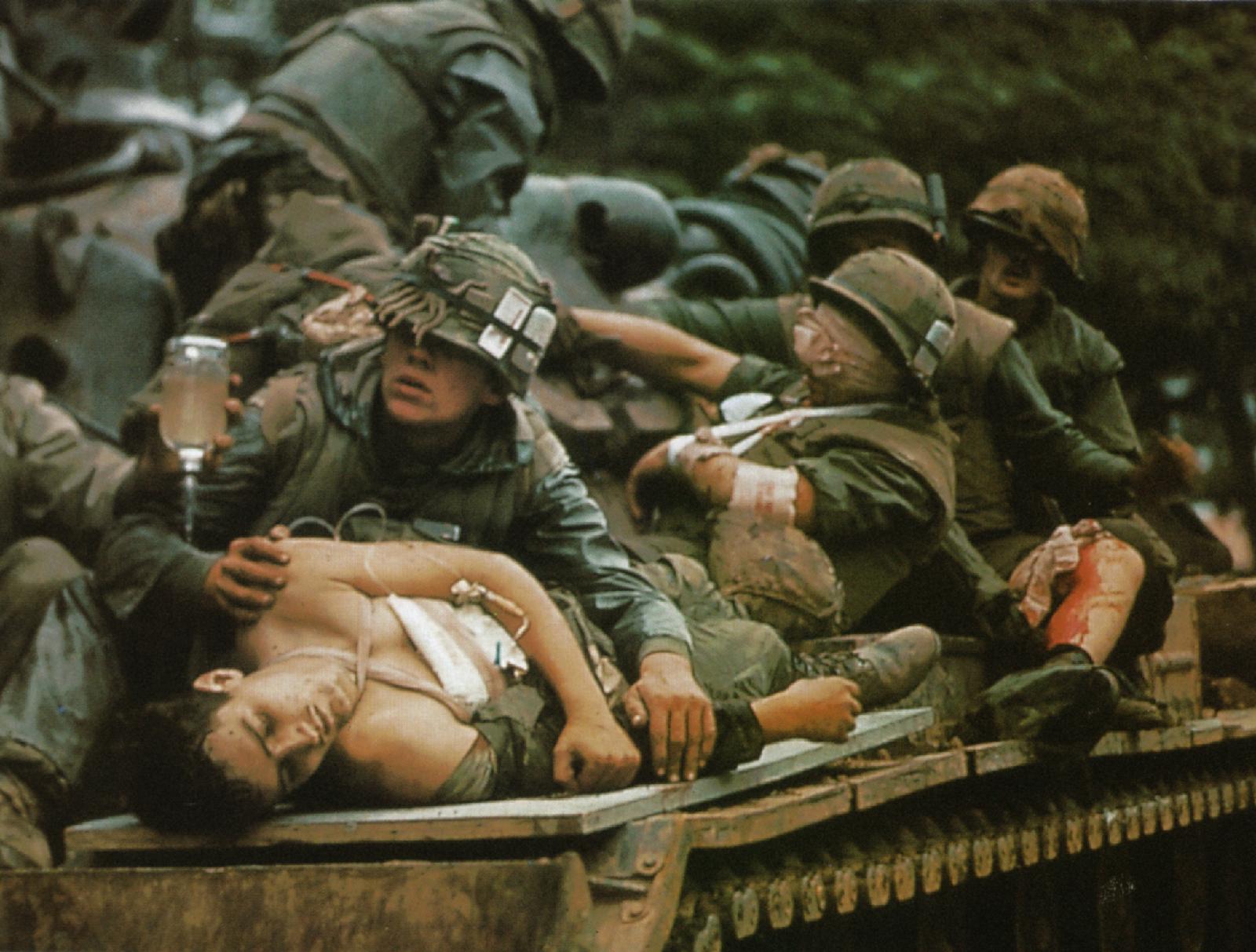
Tet Offensive" of the Communist Viet Cong broke out across South Vietnam, reaching all the way into the supposedly secure capital of Saigon – where even the army guards protecting the American Embassy were shot down.  

MP's returning fire from inside besieged US Embassy in Saigon;
two dead US soldiers killed during the surprise Viet Cong
Tet attack – end of January 1968
   

A North Vietnamese soldier in battle at Hue during 
the Tet Offensive – 1968

US military casualties at Hue during the VC Tet offensive
January-February 1968


Wearied troopers of the US 1st Cavalry Division taking a break
 in action near Hue – mid-March 1968

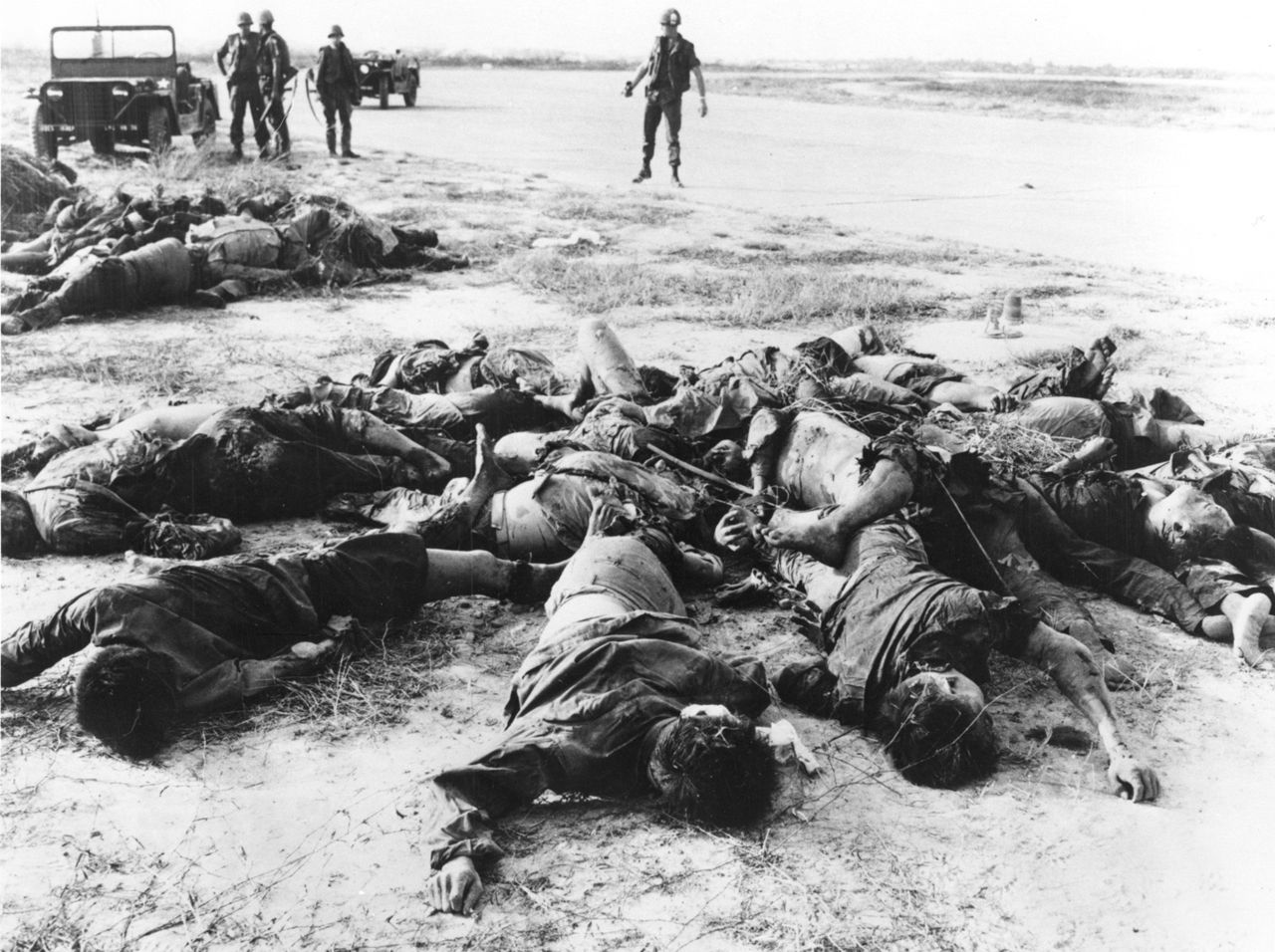
Dead Viet Cong killed outside the perimeter of the
Tan Son Nhut Air Base
during the Tet Offensive (Feb. 1, 1968)
   

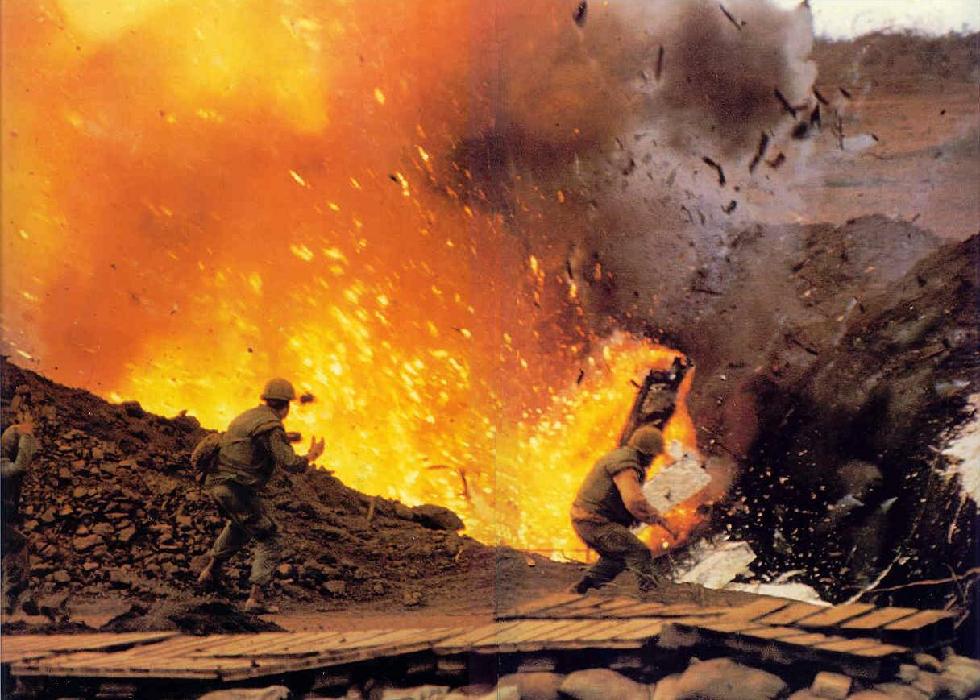
Khe Sanh, Vietnam – 1968 US ammo dump exploding

It was a bold move – a desperate one actually on the part of the Viet Cong, one in which they nearly wiped themselves out in the effort.  But the American media covering (in gory detail) the disaster there had no way of knowing that.  Instead, it was portrayed as a major Viet Cong victory, making Johnson's assurances that America was making great progress in Vietnam appear to be a horrible White House lie.

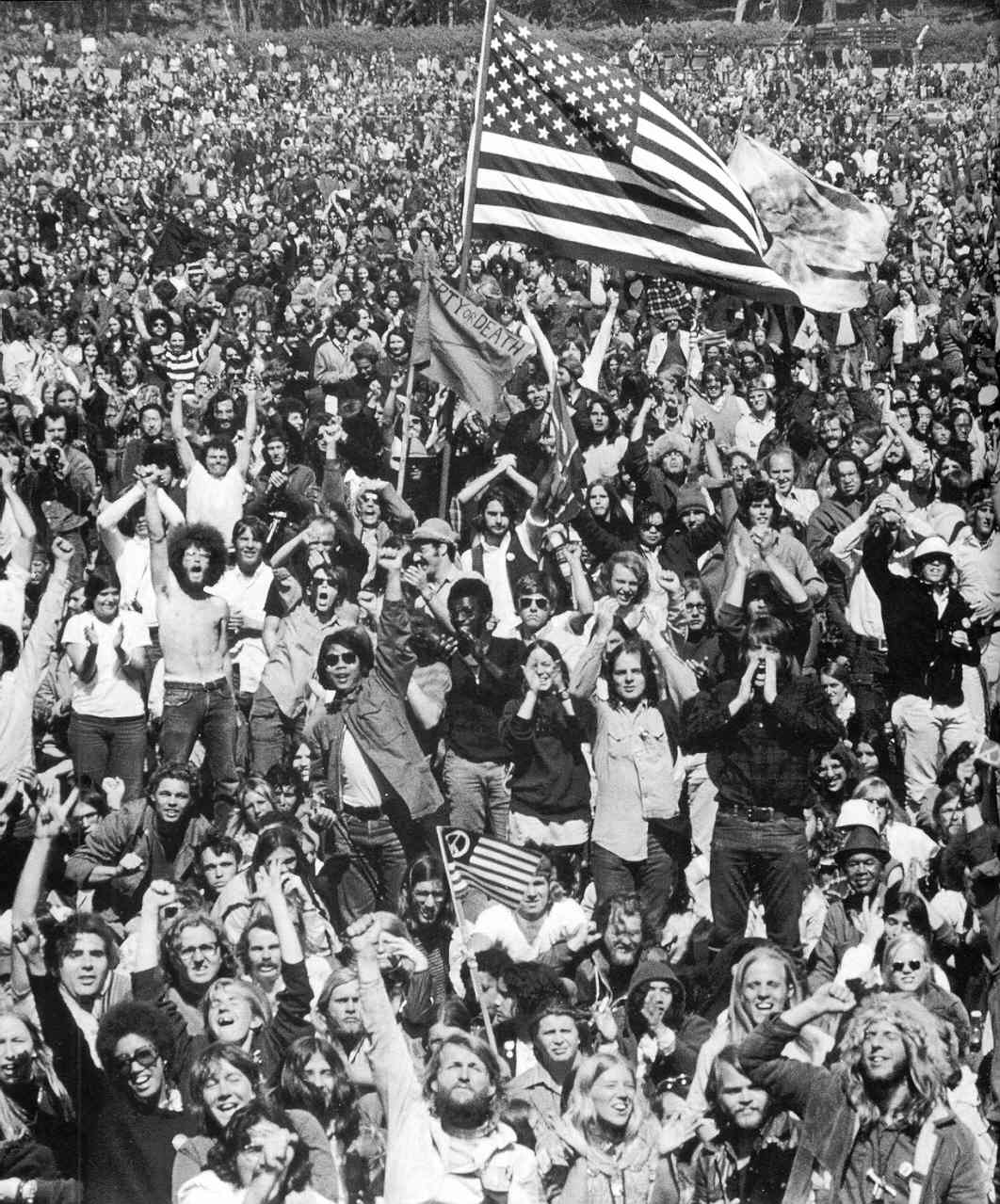
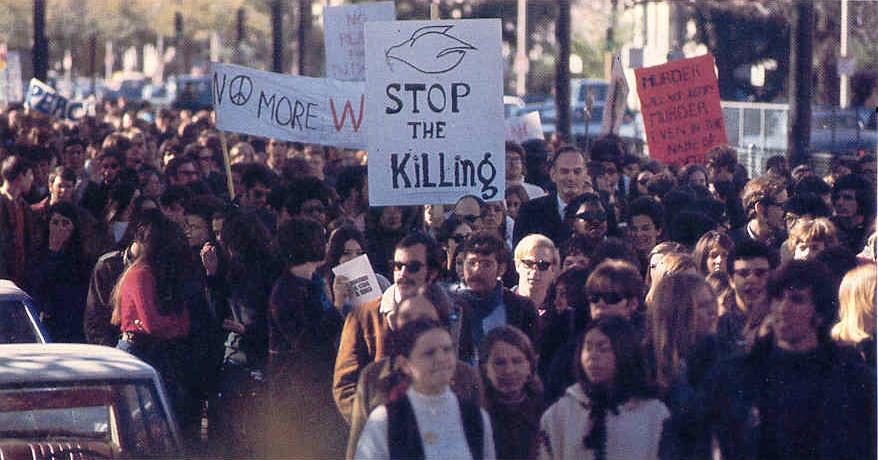
Consequently, the Viet Cong, with much help from the American press, succeeded in the goal of any war:  to make the enemy want to quit.  After Tet, that was exactly what many Americans wanted, especially those loudest in these matters.  Kids poured out onto the streets, even filling the small park in front of the White House with protesters chanting day and night: "Hey, hey LBJ, how many kids did you kill today?"

"Hey, hey, LBJ ... How many kids did you kill today?"
An anti-war protest in San Francisco – 1968

   
Draft-card burning as anti-war action
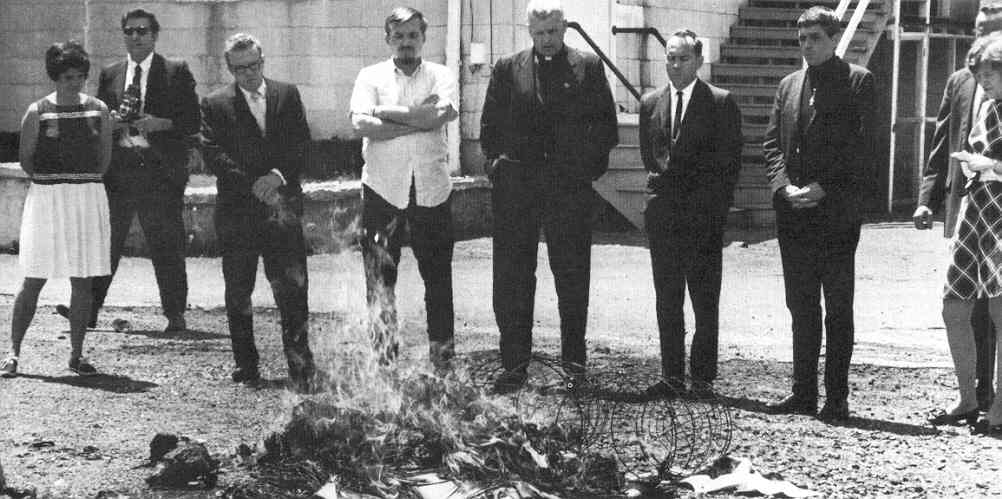
Fr. Philip Berrigan (center), his brother Fr. Daniel Berrigan (right)
 and others of the "Catonsville Nine" watch draft files from the
 Catonsville, Maryland, Selective Service Office being
 burned - May 17, 1968


JOHNSON'S ANNOUNCEMENT (MARCH)

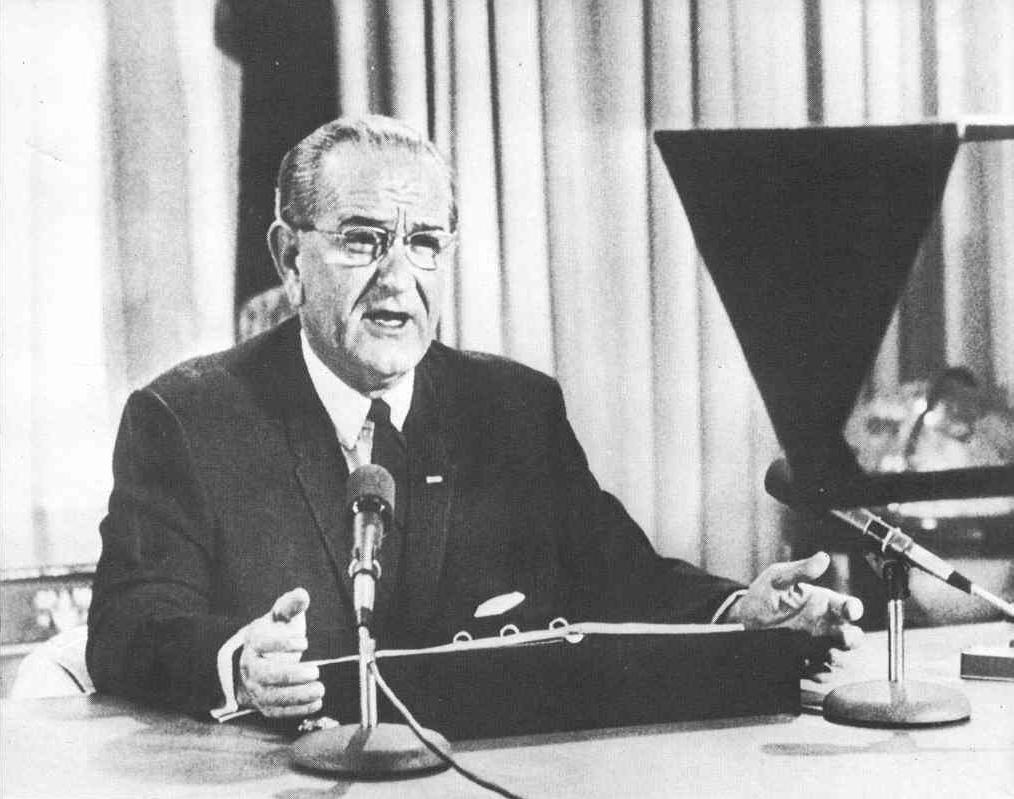
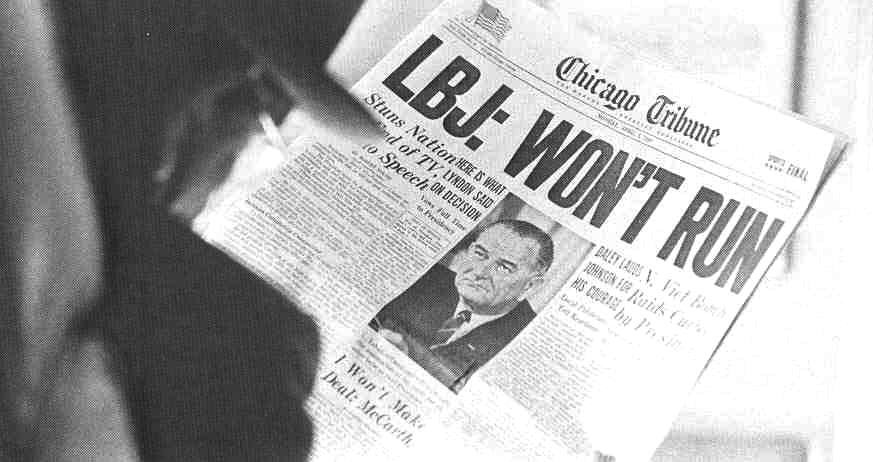
Thus in a regular television broadcast, Johnson surprised the country by announcing (this tidbit was not included in the speech handed out to the press previous to its presentation) that he would not be running for reelection that November.  The country was shocked.  Johnson seemed simply to be bailing out as US President.

   
Johnson announces at the end of a 45-minute TV broadcast
that he will not seek reelection
March 31, 1968
   
   
A stunned nation contemplates LBJ's announcement 


KINGS'S ASSASSINATION (APRIL)

Then in April came the assassination of Dr. King, who was in Memphis supporting a garbage workers' strike (he had switched to supporting all the poor of America regardless of race).[1]   Blacks responded in what was becoming a rather typical fashion now, going on a rampage plundering neighborhoods and then torching them, in American city after city.  Police had to be called in to protect the firemen who were being shot at by the rioters, and afternoon curfews, requiring everyone to be inside their homes, had to be imposed to bring order back to America.  It took several days to get things calmed back down again.

This was definitely not how Dr. King would have wanted to be remembered.  But this was no longer about Dr. King.  This was about Black power, and Black Panther militancy.  White man's world needed to be destroyed.

Thus so much for Federal poverty and educational assistance offered by Washington to the Black minority community in order to put the icing on the cake of the Great Society.  It all seemed so pointless now.
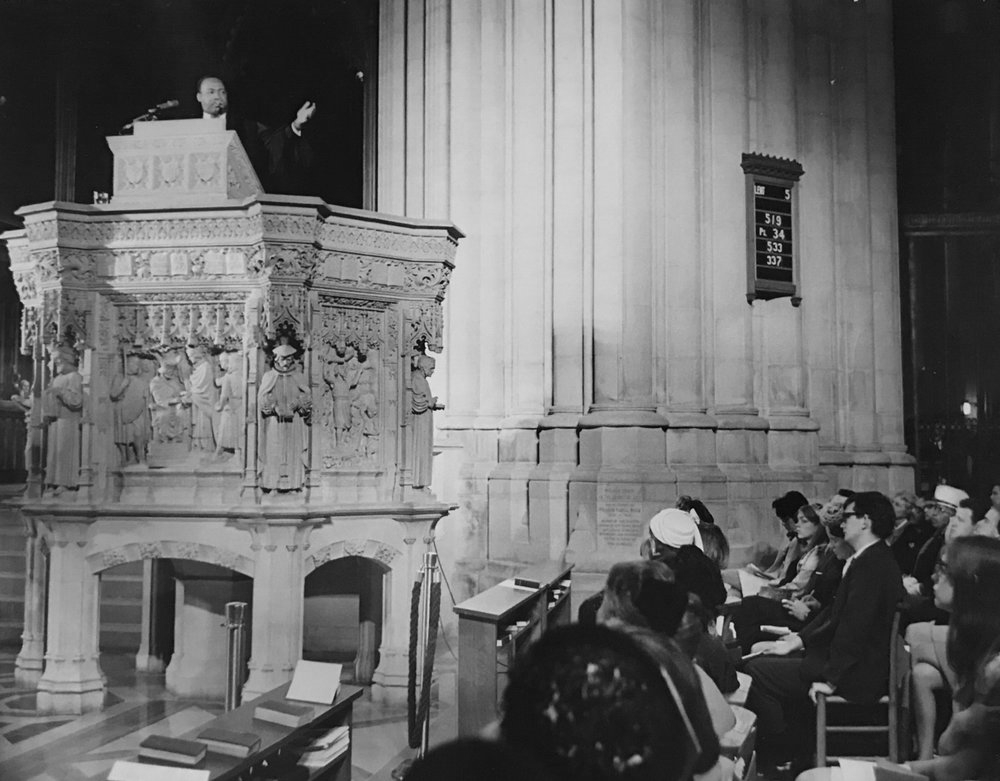

   
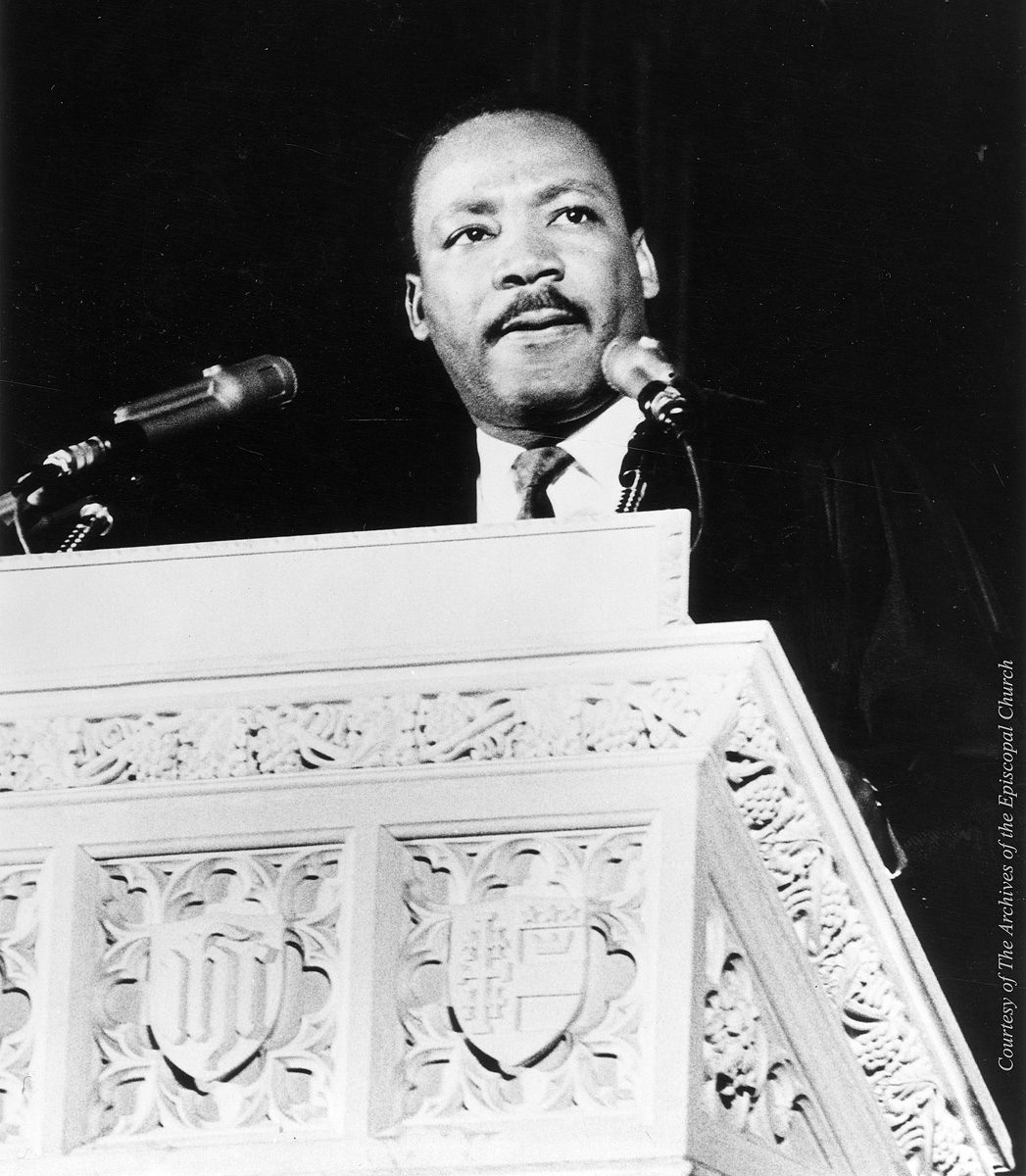
Dr. King's last sermon – Washington National Cathedral – Sunday, March 31, 1968
(and by some act of God, I was there to hear it!)


Most eerily (in retrospect), he spoke very prophetically about
his focus on merely Black civil rights being over (he was not
going to be part of the Black Power takeover of the movement).
Little did he know how "over" that would be.
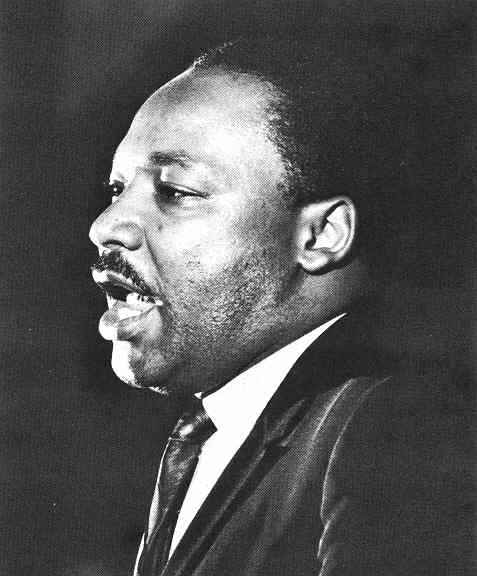
Dr. Martin Luther King, Jr. during his last public appearance
the night before his death – April 1968
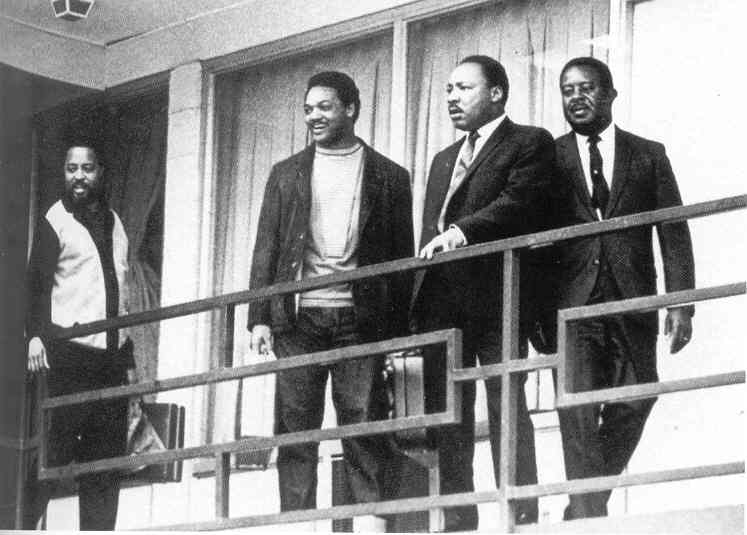
Dr. Martin Luther King on the balcony where he would be shot
on the following day
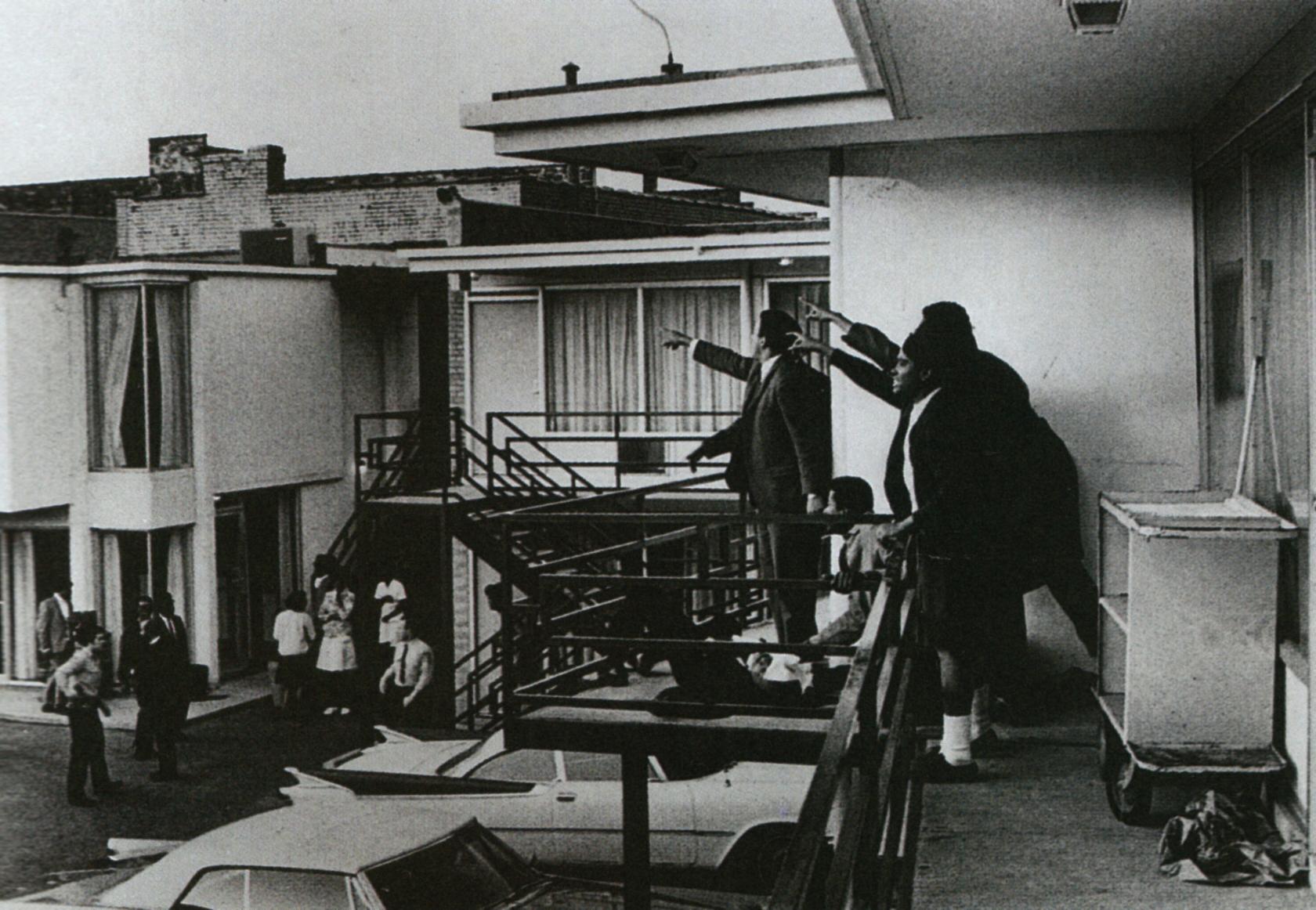
Rev. Dr. King's aides point to where the sniper shot that 
killed King came from
Memphis, April 4, 1968

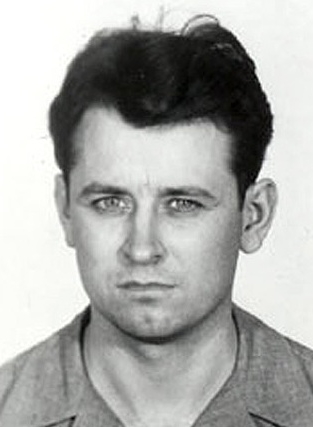
His assassin, James Earl Ray – a hard-core racist ... and 
prison escapee (1967) earlier convicted of fraud, theft and
robbery
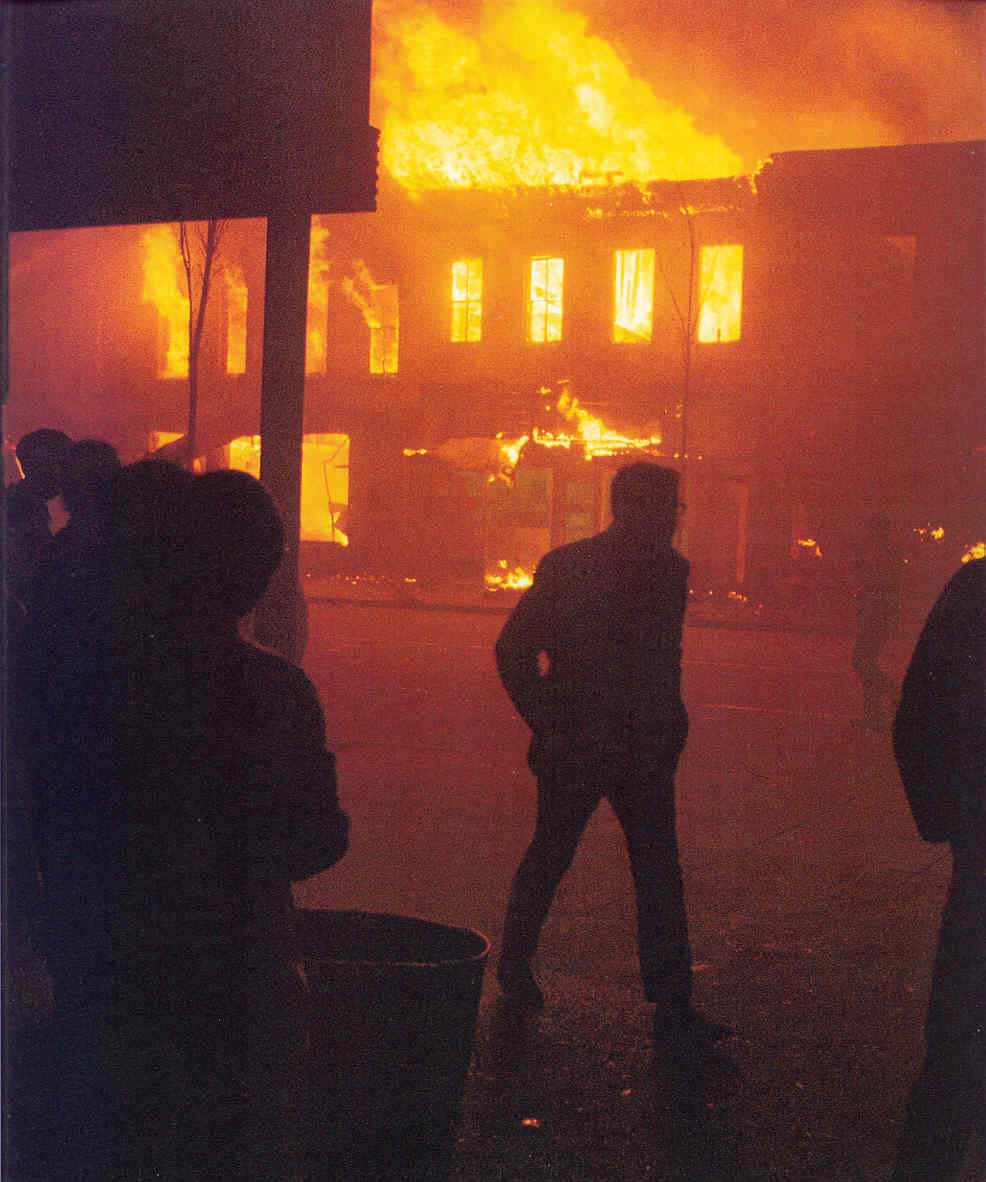
Washington burning in the wake of the assassination of Dr. 
Martin Luther King, Jr. – April 1968
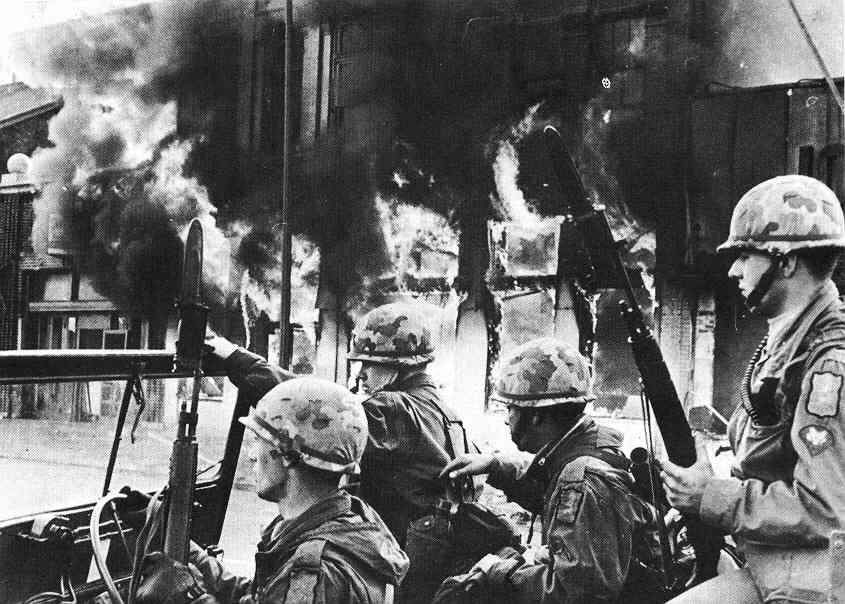
National Guardsmen patrolling a burning section of 
Washington, D.C. – April 1968
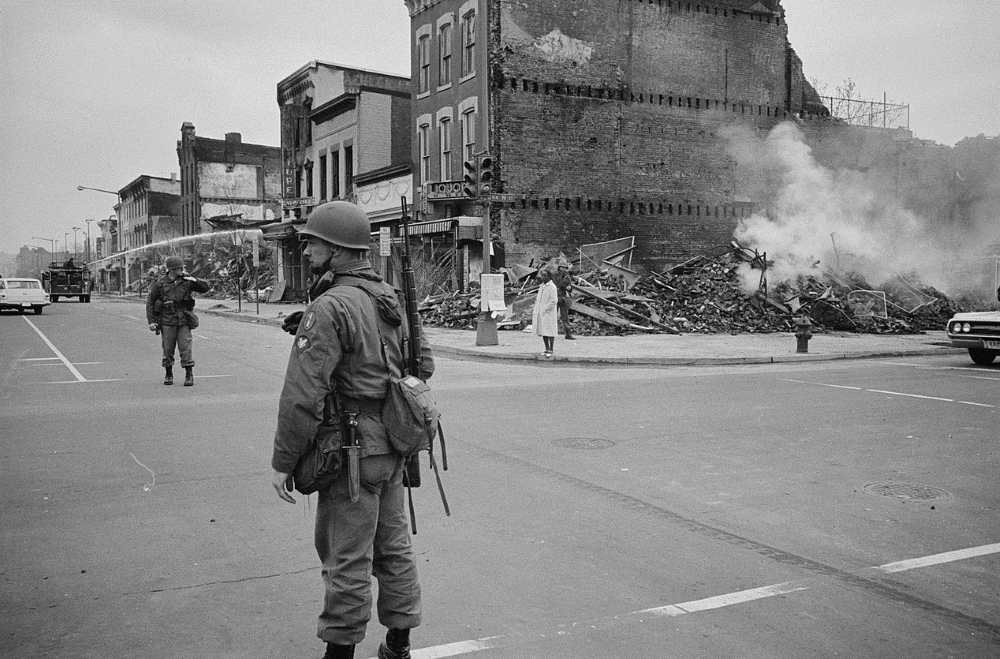
The nation's capital after the riots
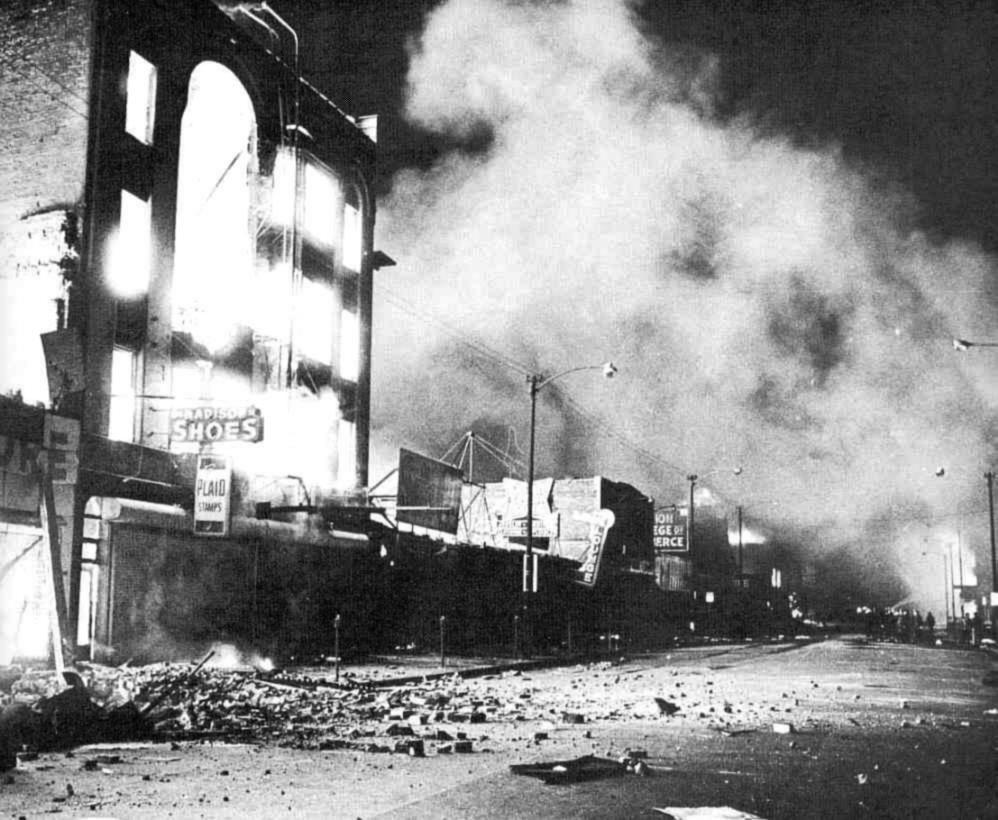
Chicago burning in the wake of Martin Luther King's
assassination – April 1968
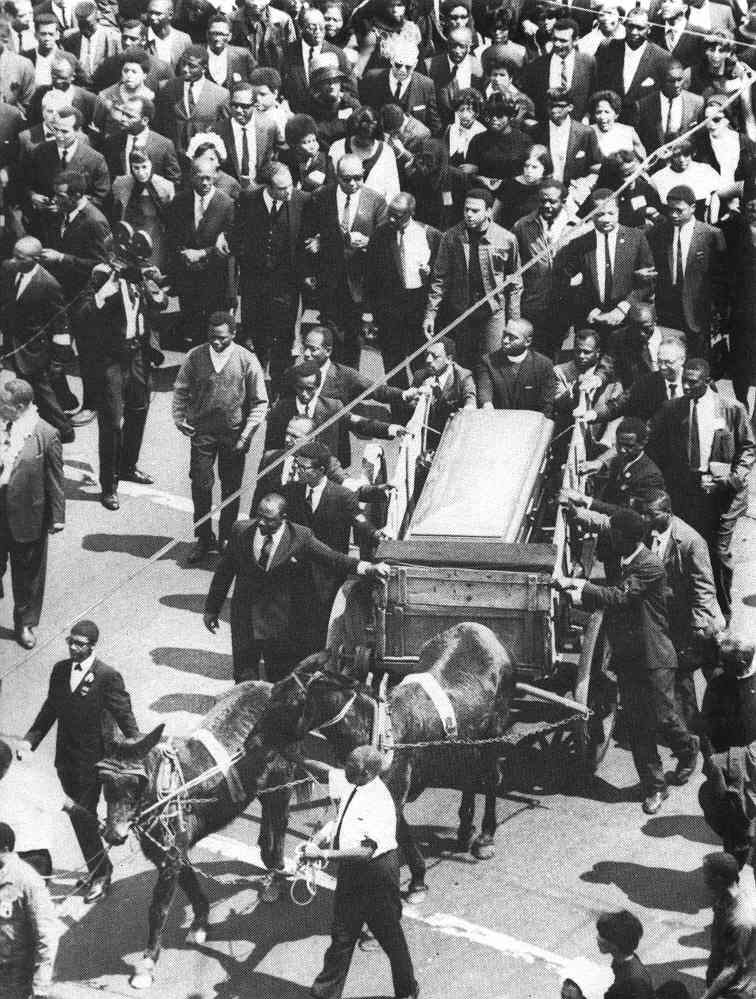
Mules bearing King's coffin through the streets
of Atlanta – April 1968


[1]By another one of those strange interventions of what I at the time called fortuna, I found myself at the Washington National Cathedral the Sunday before King's assassination (at this point attending more for sentimental than for theological reasons), with King as the featured pastor.  He spoke prophetically (as it turned out) about how his focus on Black civil rights was coming to an end, as he took up a new line of work in promoting America's poor, Black and White.  He was in fact, planning a Poor People's March on Washington for the next month (May). He was stepping back from the Black Movement – which had been taken over by the Black Panthers, whose brand of politics he did not approve of.  Tragically he had no idea of how indeed his work in favor of Black civil rights was coming to an end.  And I gave that last prophetic sermon of his much thought that week, as I saw the racial unity that he sought so earnestly go up in the smoke of burning American cities.


THE HIPPIE TAKEOVER OF COLUMBIA UNIVERSITY
(APRIL-MAY)

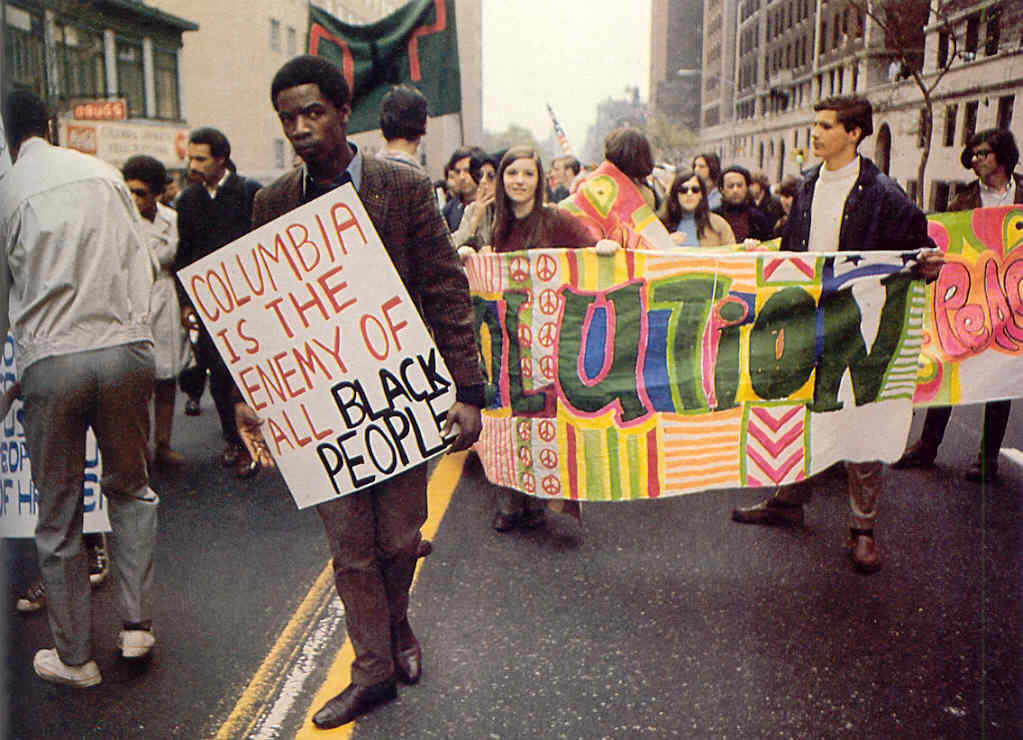
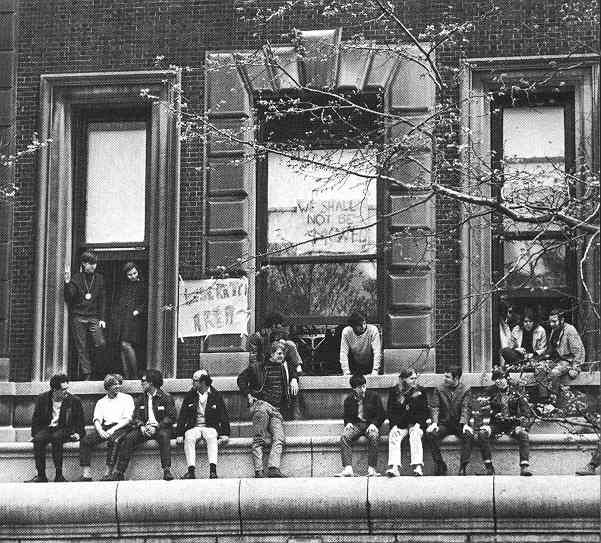
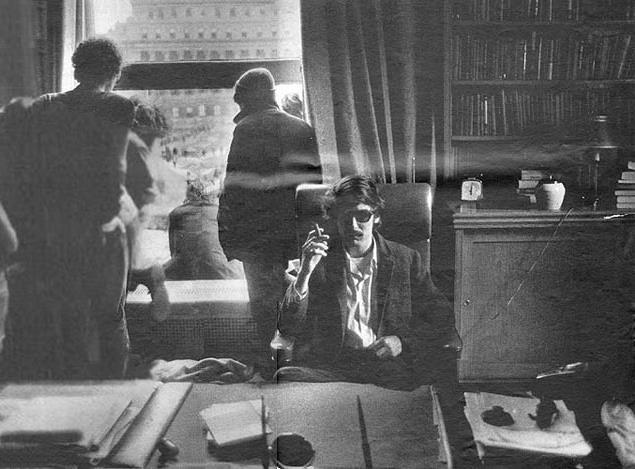
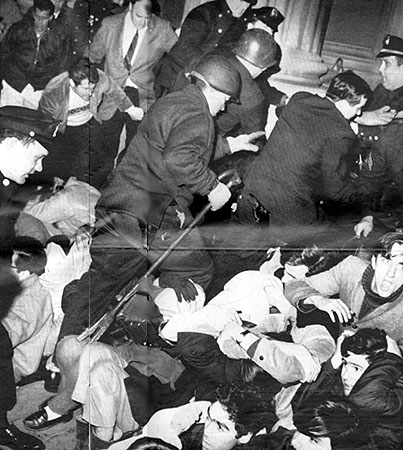
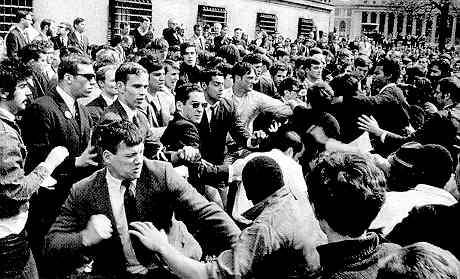
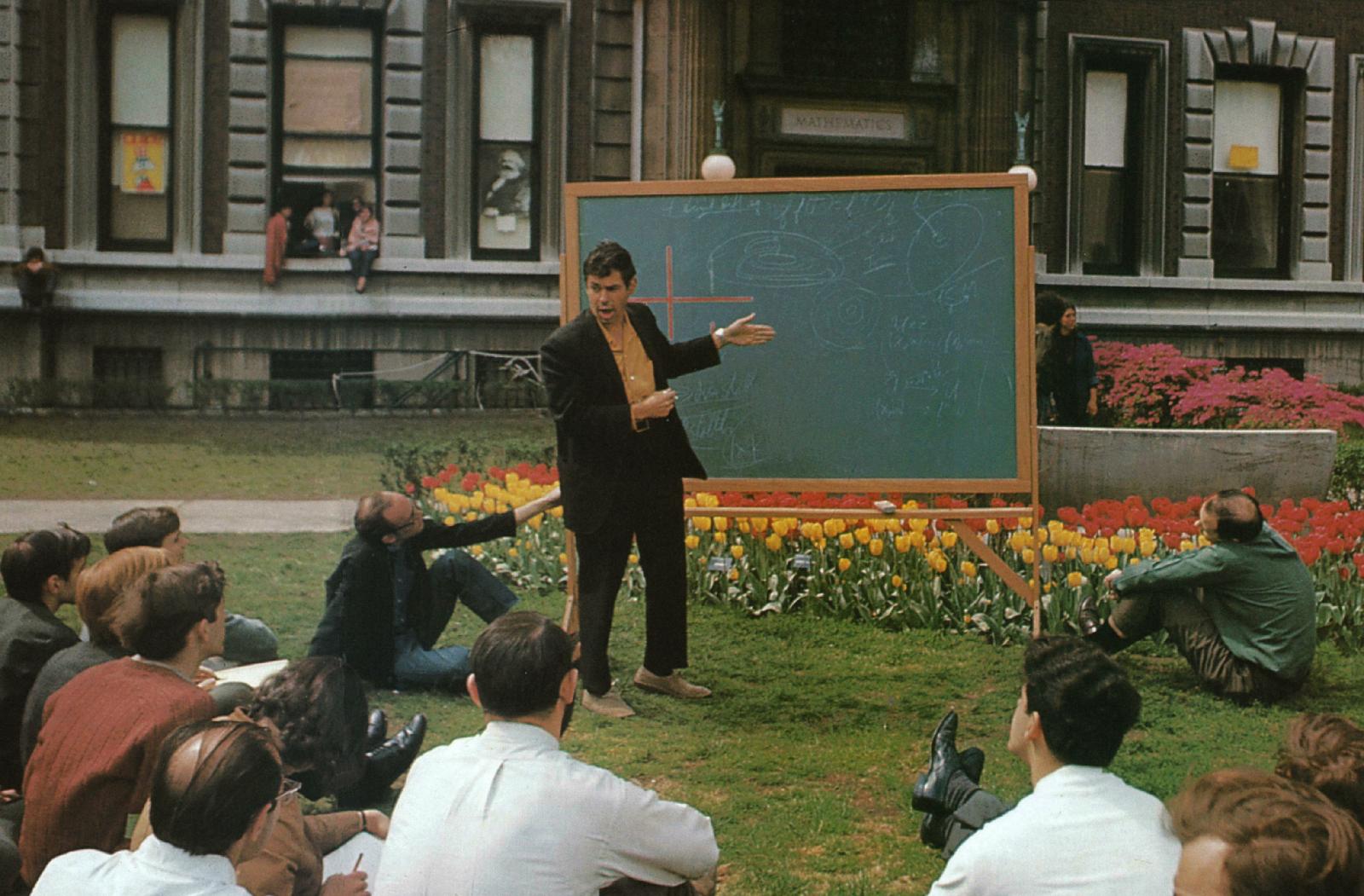
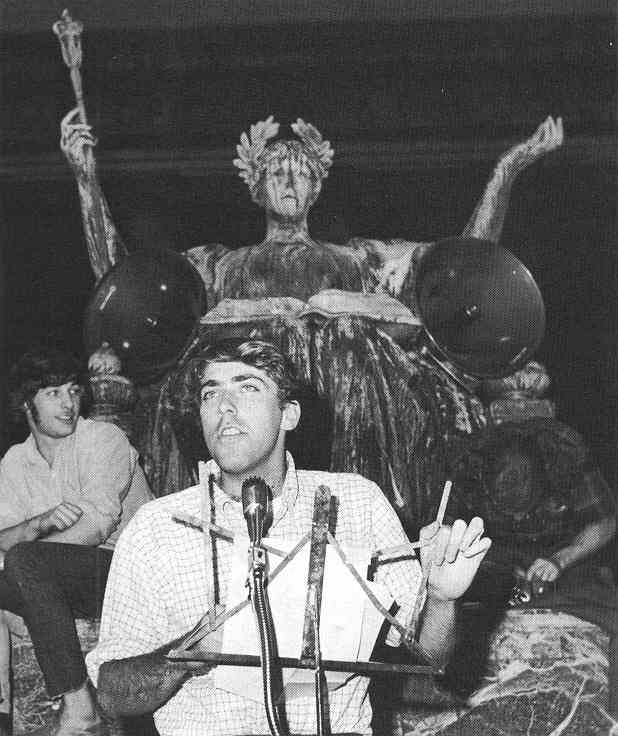
But White Boomers were not intending to be left out of the action.  Thus students took over the offices at Columbia University in New York City in late April – and shut the university down completely, to the anger of those students anticipating graduating soon.  Fighting broke out between student groups.  Finally, the police were brought in to reopen the university.  But it would be a much-changed institution (student applications and alumni financial support would drop away dramatically) as a result.

A protest against Columbia University's decision to build a
gymnasium
in a Black neighborhood in Morningside Heights

Columbia University students occupying the Math building 
in protest against the University's plans to build a new 
gymnasium on land owned by the university, but while idle, 
used by the surrounding Black neighborhood for gardens
April 27, 1968

Students have taken over the office of Columbia President 
Grayson Kirk – April 1968

Police brought in to break up the student takeover
of the campus and buildings

Hundreds of student counter-demonstrators taking on the SDS
("Students for a Democratic Society") radicals

With Columbia University students having taken over the 
university, a professor conducts outdoors class

Columbia University strike leader Mark Rudd in May
calling for demonstrations to continue into the summer


THE POOR PEOPLE'S MARCH ON WASHINGTON
(MAY-JUNE)

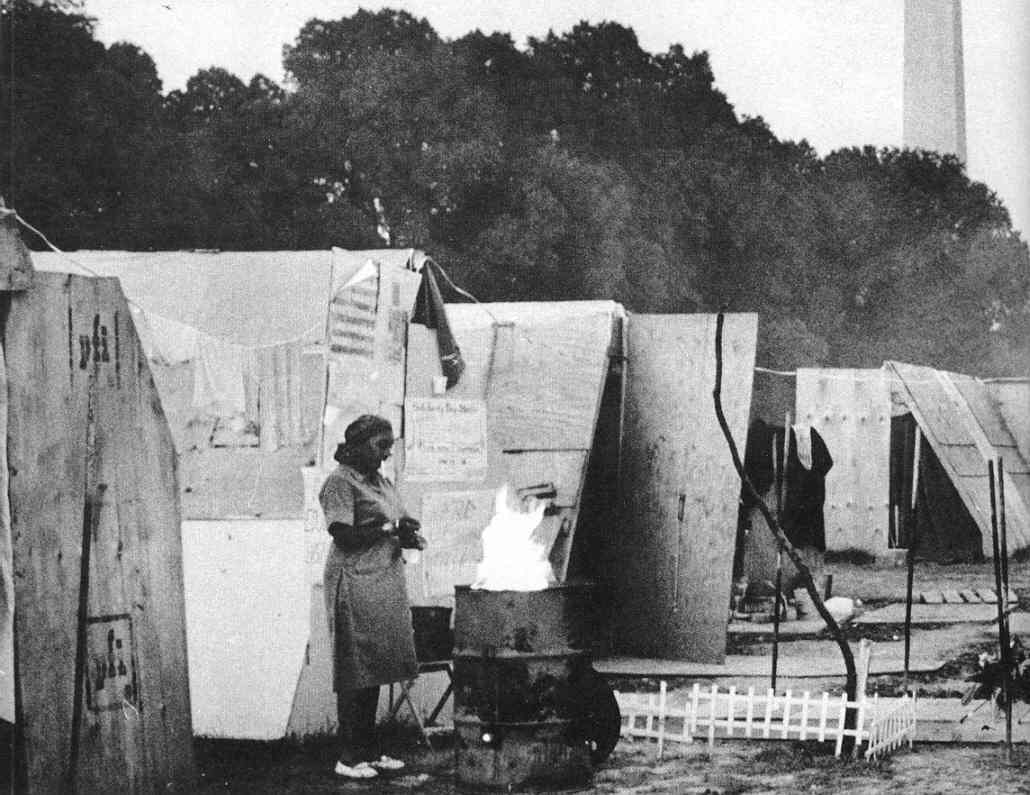
Soon after this, a peaceful demonstration of poor people (of all races) converging on Washington went ahead as scheduled in Mid-May.  But without its leader, Dr. King – and because of the heavy downpours which soon turned the encamped demonstrators' tent city into a quagmire of mud – it too seemed all so pointless.  The days dragged on through much of June, and little seemed to have been accomplished through the effort.

   
"Resurrection City":  A muddy encampment on the Washington
Mall during
the Poor People's March May 1968


THE SECOND KENNEDY ASSASSINATION (JUNE)

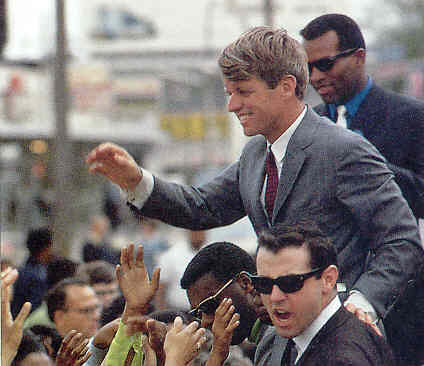
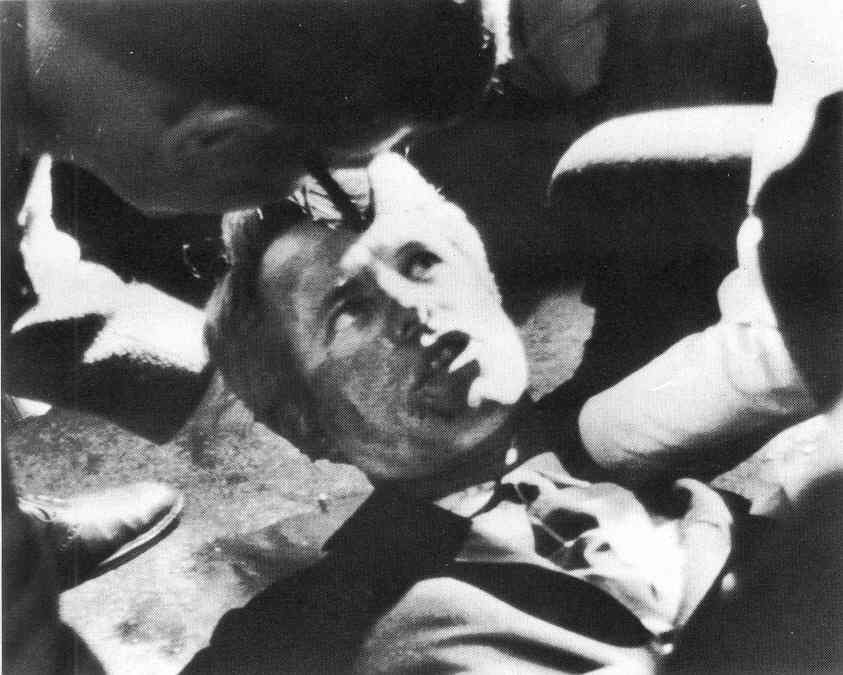
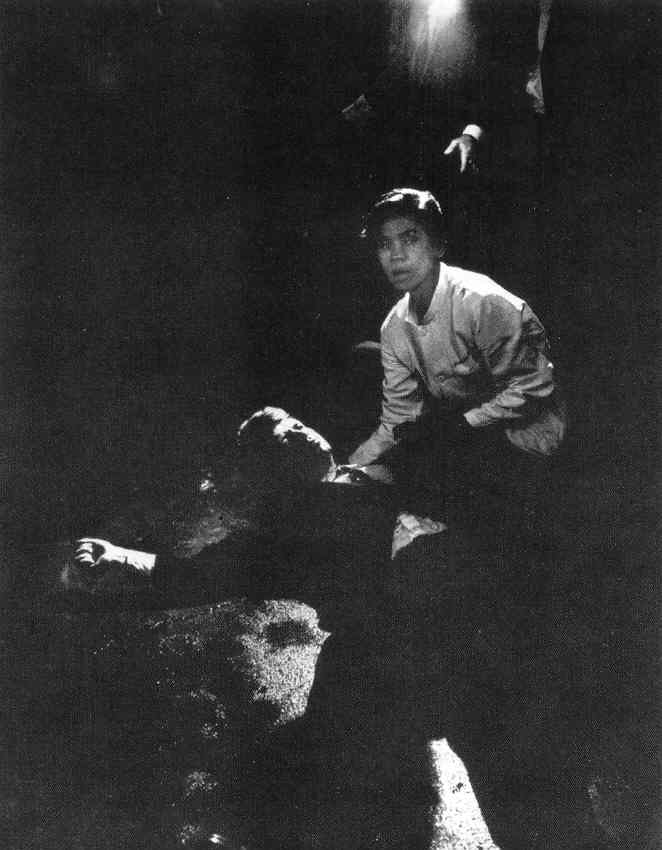
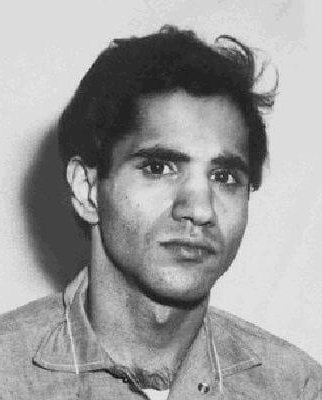
Then in the midst of all this, in early June, Robert Kennedy was assassinated by a Palestinian-American youth, bitter about Kennedy's support of Israel.  Kennedy was the individual most likely to be the Democratic Party's nominee that November, and thus also most likely to be the next U.S. president.  What was going on?  Like everything else at the time, it all seemed so pointless.

Bobby Kennedy stumping for the Democratic Party presidential 
nomination – 1968

Bobby Kennedy shot at the Ambassador Hotel in 
Los Angeles – June 5, 1968

Bobby Kennedy shot – June 1968

Kennedy's assassin:  Sirhan Sirhan


RIOTING AT THE DEMOCRATIC NATIONAL CONVENTION
(AUGUST)

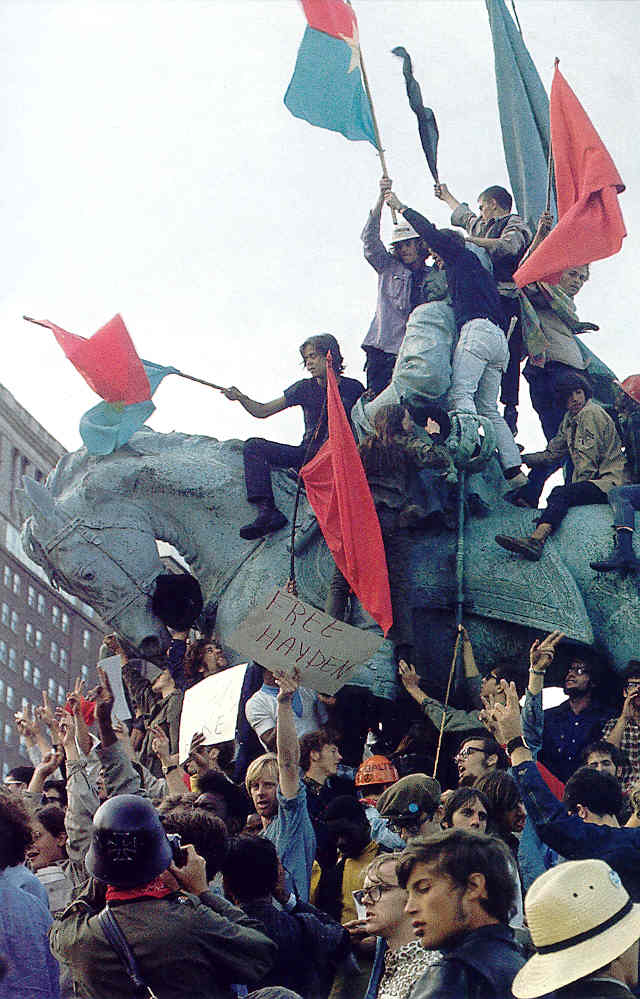
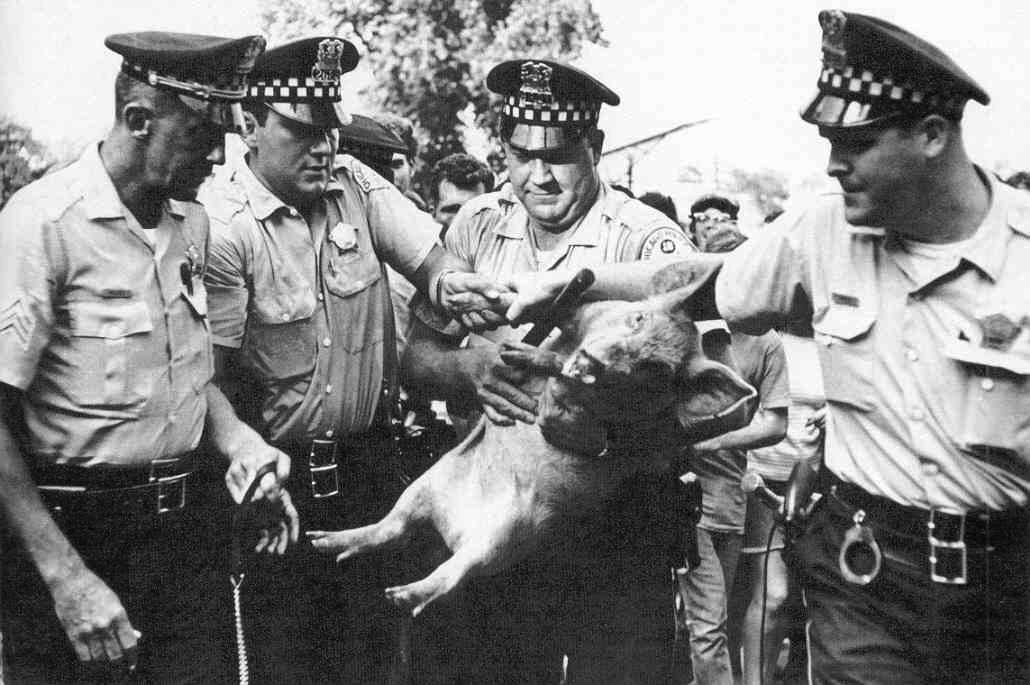
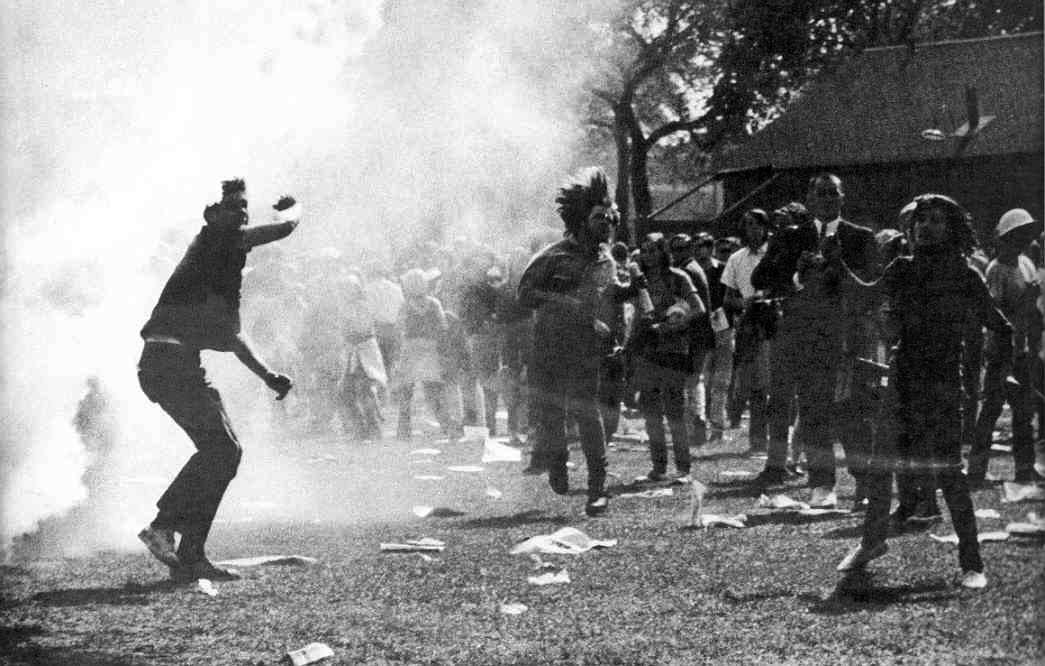
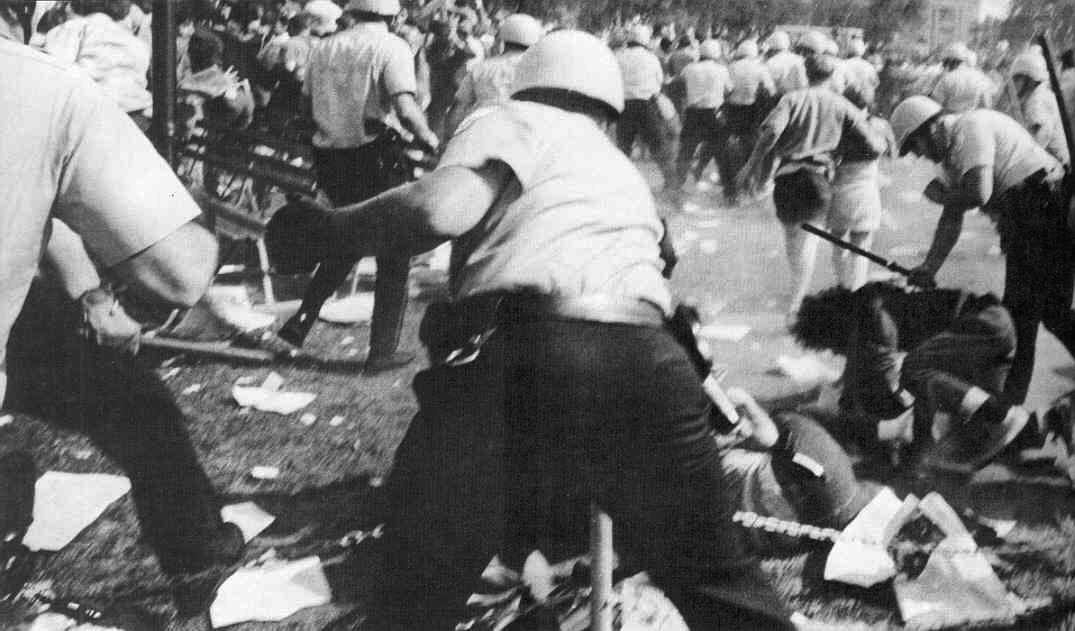
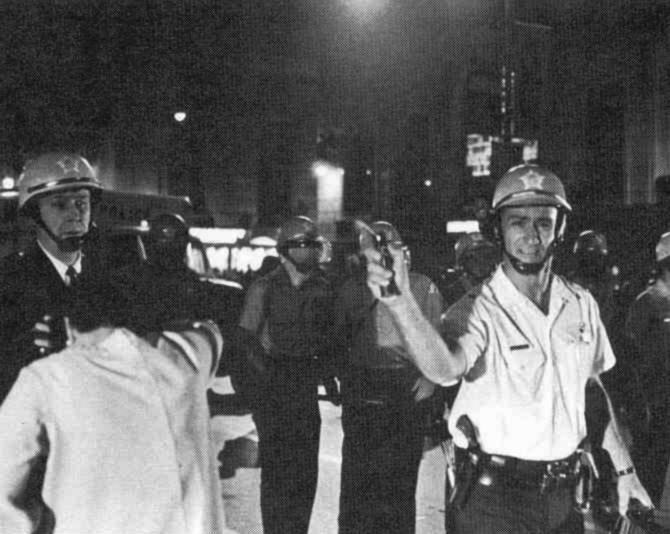
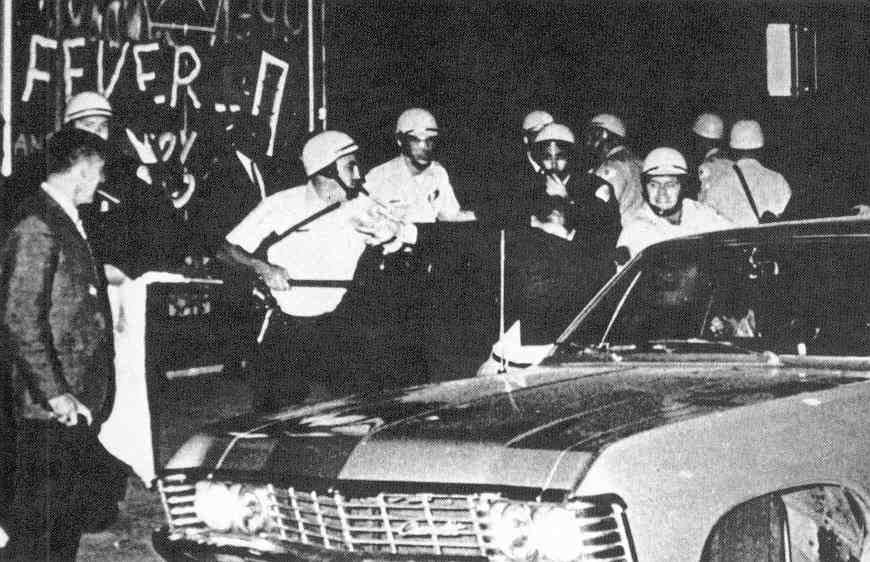
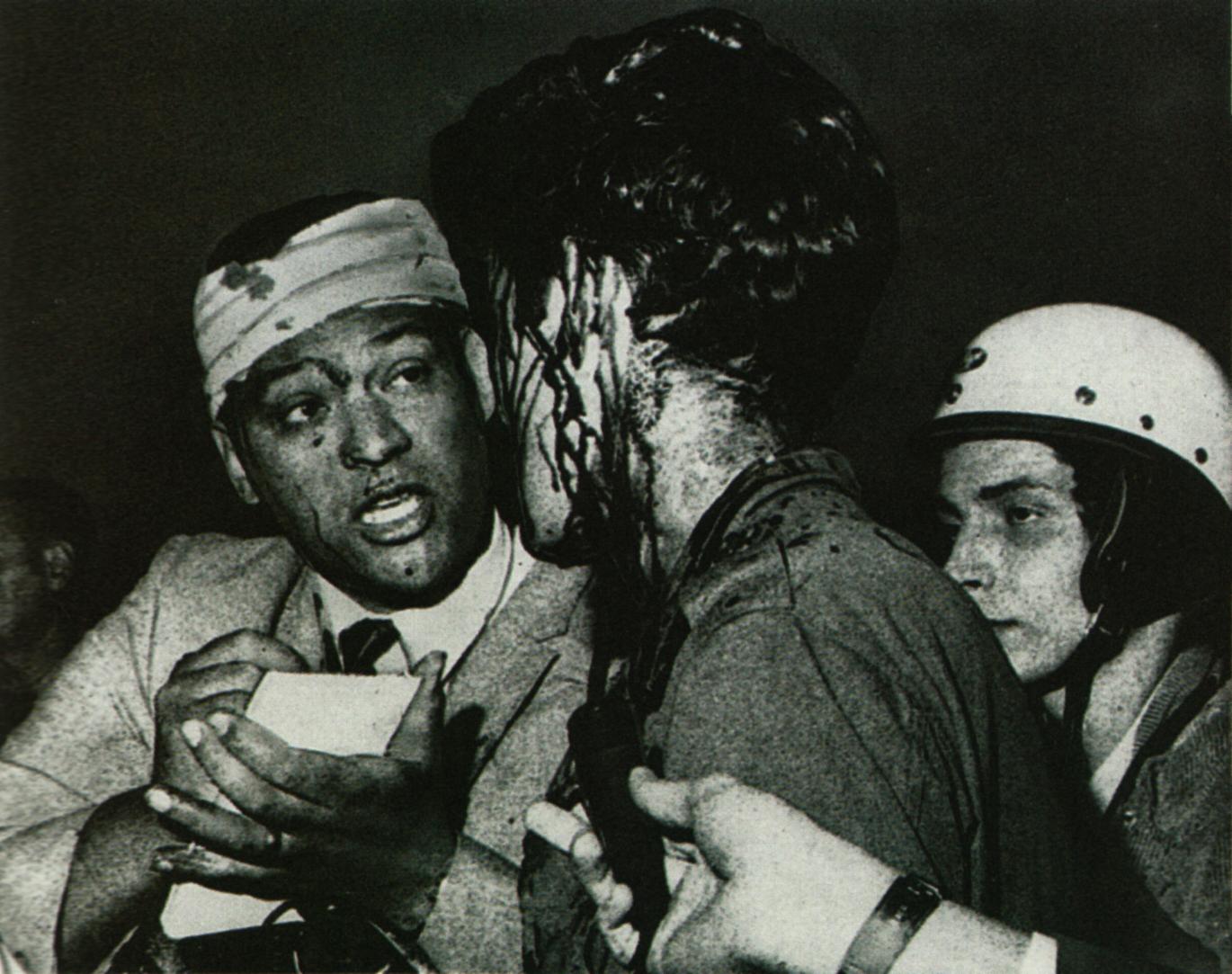
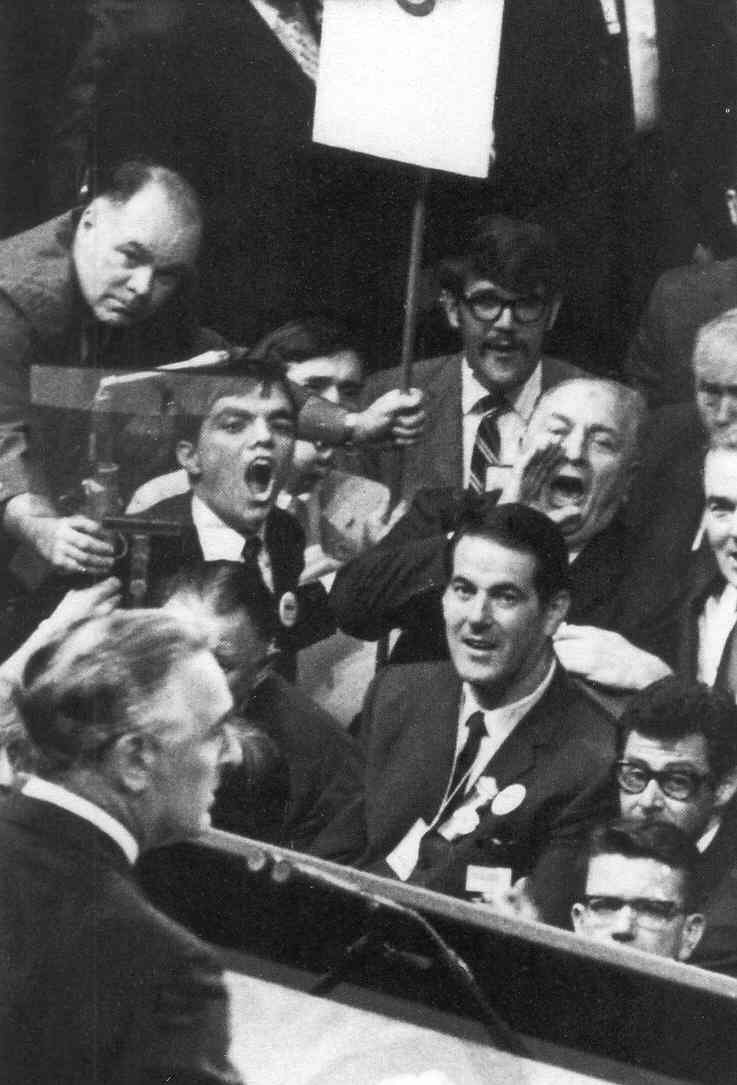
Then there was the Democratic National Convention held in Chicago in August, to find a new candidate for the presidency now that Kennedy was gone.  Masses of "Yippies" (militant "hippies") descended on Chicago to protest (what exactly?) and to take on the "pig" police, turning the area around the convention center into a war zone, as police (nearly qualifying as rioters themselves at one point) and Yippies attacked each other, resulting in numerous people (including delegates) getting hurt badly.  And the scene inside the convention was just as ugly, with Chicago Mayor Daley cursing the convention speakers, the television crews catching the complete madness with their cameras.  Again, it all seemed so pointless.

Anti-war demonstrators gathering before the Democratic 
National Convention in Chicago
August 1968

Pigasus, the Yippie presidential nominee seized by Chicago
police prior to the opening of the Democratic National Convention

Protesters hurling back tear gas at the Chicago Police – 
August 28, 1968


Then the police seem to "lose it" and themselves turn riotous

The Chicago Police charging the demonstrators at the Grant 
Park flagpole – August 28, 1968

Chicago policeman macing a press photographer after having
maced the woman to the left outside the convention hall

Chicago police attacking a newsman who had just complained
about their treatment of some young people in a car

John Evans of CBS News, himself wounded by rioting Chicago
police, interviews another victim

Senator Abraham Ribicoff and Chicago Mayor Daley squaring
off at the Democratic
National Convention about the tactics 
of the Chicago police
(Daley's shouted response:  "F... you, 
you Jew son of a b....")

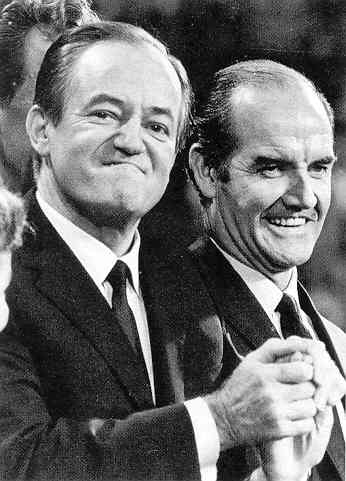
Hubert H. Humphrey and his defeated rival George McGovern
 at the Democratic National Convention


Go on to the next section:

Closing the Turbulent 1960s


  Miles H. Hodges